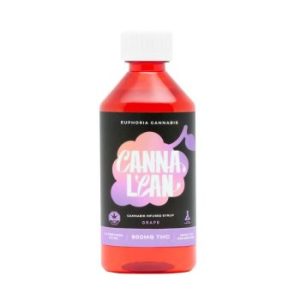
Cannabis Syrup
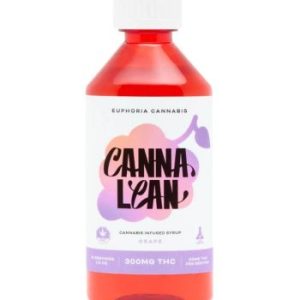
Cannabis syrup is a liquid cannabis product formulated with cannabinoids such as THC, CBD or a combination of both.
It belongs to the expanding category of liquid cannabis edibles.
Depending on the formulation, cannabis syrups may be marketed using terms such as:
- THC syrup;
- cannabis-infused syrup;
- marijuana syrup;
- THC liquid;
- liquid edible;
- cannabinoid syrup;
- CBD syrup.
These names can sound straightforward, but they do not describe one standardized product.
One cannabis syrup could be predominantly THC.
Another could emphasize CBD.
Others can contain multiple cannabinoids.
THC concentration, serving size, ingredients and legal status can therefore differ substantially from one product to another.
For more U.S.-focused education about cannabis products, cannabinoids and legal markets, explore Cannabistopgrade.com.
What Is Cannabis Syrup?
Cannabis syrup is a sweetened liquid formulated to contain cannabis-derived cannabinoids.
Unlike traditional cannabis flower, the active cannabinoids have already been incorporated into a liquid product.
Cannabis syrup can potentially contain:
- delta-9 THC;
- CBD;
- minor cannabinoids;
- flavoring;
- sweeteners;
- other food ingredients.
The package label is essential for determining what the product actually contains.
What Is THC Syrup?
THC syrup refers specifically to syrup containing tetrahydrocannabinol.
Delta-9 THC is the principal cannabinoid responsible for marijuana’s characteristic intoxicating effects.
THC can affect:
- memory;
- attention;
- judgment;
- perception;
- coordination;
- reaction time.
A liquid format does not make THC non-intoxicating.
Cannabis Syrup vs. THC Syrup
The terms overlap but are not necessarily identical.
| Product | Possible Cannabinoids | Intoxicating? |
|---|---|---|
| Cannabis syrup | THC, CBD or others | Product-dependent |
| THC syrup | THC | Yes |
| CBD syrup | Primarily CBD | Not like THC |
| THC + CBD syrup | THC and CBD | Can be |
| Hemp-derived syrup | Product-dependent | Can be |
The cannabinoid label matters more than the word “syrup.”
Is Cannabis Syrup an Edible?
Generally, cannabis syrup consumed orally belongs to the broad edible cannabis category.
Edibles do not have to be solid foods.
The category can include:
- gummies;
- chocolates;
- baked goods;
- beverages;
- syrups;
- mints;
- capsules.
Liquid products can therefore share important characteristics with conventional THC edibles.
Cannabis Syrup vs. Gummies
Both can deliver cannabinoids orally, but the product formats differ.
Gummies typically provide cannabinoids in individual solid pieces.
Syrup is liquid.
This distinction makes accurate serving measurements particularly important with liquid products.
Cannabis Syrup vs. Cannabis Beverages
Cannabis beverages are generally sold as ready-to-consume drinks.
Cannabis syrup is a more concentrated liquid formulation.
However, terminology varies among manufacturers.
Always rely on the actual product label rather than assuming concentration based solely on the product name.
Cannabis Syrup vs. Tincture
Cannabis syrup and cannabis tincture are not necessarily the same product.
Cannabis syrup is generally a sweetened liquid edible formulation.
Cannabis tincture is generally a concentrated liquid cannabinoid preparation.
Ingredients, cannabinoid concentrations and directions can differ significantly.
Cannabis Syrup vs. Cannabis Oil
Cannabis oil is another broad category.
Some oils contain:
- THC;
- CBD;
- both cannabinoids.
Oil-based formulations and syrup-based formulations can have different ingredients and concentrations.
Consumers should not use these terms interchangeably.
How Does THC Syrup Affect the Body?
When THC is swallowed, it travels through the digestive system before undergoing metabolism.
The liver converts some THC into metabolites including 11-hydroxy-THC.
This is one reason oral THC products can produce experiences that differ from inhaled cannabis.
Cannabis Syrup and Delayed Effects
Orally consumed THC can take longer to produce noticeable effects than inhaled cannabis.
This delay is one of the most important safety considerations surrounding cannabis edibles.
The CDC notes that edible cannabis effects can take approximately 30 minutes to 2 hours to become noticeable.
Individual timing varies.
Why Delayed Effects Matter
A common problem with oral THC is assuming that a product has not worked simply because effects are not immediate.
The sequence can become:
consumption → delayed absorption → no immediate effect → additional consumption → stronger combined effects later
This can contribute to accidental overconsumption.
How Long Does Cannabis Syrup Last?
There is no universal duration.
Effects can depend on:
- THC quantity;
- individual metabolism;
- tolerance;
- product formulation;
- food intake;
- other substances.
Orally consumed THC can produce longer-lasting effects than inhaled cannabis.
How Strong Is Cannabis Syrup?
There is no standard potency.
A package could contain a very different amount of THC from another cannabis syrup.
Consumers should examine:
- THC per serving;
- THC per container;
- serving size;
- total servings.
Never estimate potency from bottle size alone.
THC Per Serving vs. THC Per Bottle
This distinction is essential.
Imagine a hypothetical label stating:
5 mg THC per serving
and:
10 servings per bottle.
The amount listed for one serving is not the same as the total amount contained in the package.
Always distinguish:
per serving
from:
per container.
Milligrams and Cannabis Syrup
Cannabinoid content is commonly expressed in milligrams.
A regulated label may display:
- THC in mg;
- CBD in mg;
- total cannabinoids;
- serving size.
These numbers provide more useful information than marketing terms such as “strong” or “premium.”
Is More THC Better?
No.
Higher THC means greater potential THC exposure, not automatically higher product quality.
Increasing THC exposure can increase the possibility of unwanted effects such as:
- anxiety;
- panic;
- confusion;
- dizziness;
- poor coordination;
- excessive intoxication.
Potency should not be confused with quality.
Cannabis Syrup and CBD
Not every cannabis syrup is THC dominant.
Some products contain CBD.
CBD, or cannabidiol, does not produce THC’s characteristic high.
However, CBD remains biologically active and can potentially:
- cause side effects;
- interact with medications;
- affect liver enzymes.
CBD should not automatically be treated as risk-free.
THC and CBD Cannabis Syrup
Some formulations combine THC and CBD.
These products may display cannabinoid ratios such as:
1:1 THC
A ratio alone does not provide the exact amount.
Consumers should still check the number of milligrams of each cannabinoid.
Does CBD Cancel THC?
It is inaccurate to say CBD simply cancels THC.
Interactions between cannabinoids are more complicated.
The outcome can depend on:
- cannabinoid quantities;
- formulation;
- timing;
- individual response.
A syrup containing meaningful THC should still be treated as potentially intoxicating even when CBD is also present.
Cannabis Syrup and Terpenes
Some cannabis syrups may contain terpenes.
Common cannabis terpenes include:
- limonene;
- myrcene;
- caryophyllene;
- pinene;
- linalool.
Terpenes contribute aroma and flavor.
Their presence does not automatically prove that a syrup treats a medical condition.
Cannabis Syrup and Brain Health
THC can temporarily affect brain functions involving:
- memory;
- attention;
- learning;
- judgment;
- coordination.
The fact that cannabis is consumed as syrup rather than smoked does not remove THC’s neurological effects.
Cannabis Syrup and Anxiety
THC affects individuals differently.
Some consumers report relaxation.
Others can experience:
- anxiety;
- panic;
- paranoia;
- confusion.
Higher THC exposure can make unpleasant psychological effects more likely for some individuals.
Cannabis Syrup and Sleep
Some cannabis products are marketed for nighttime use.
However, cannabis syrup should not automatically be described as a proven sleep treatment.
Research on cannabis and sleep remains mixed.
The effects can vary according to:
- cannabinoids;
- exposure;
- frequency of use;
- individual characteristics.
Cannabis Syrup for Pain
Cannabinoids have been studied for certain pain conditions.
Evidence is more nuanced than marketing sometimes suggests.
Cannabis syrup itself should not automatically be described as a proven pain medication.
Evidence for a particular cannabinoid preparation cannot necessarily be generalized to every commercial syrup.
Cannabis Syrup and Cannabis Use Disorder
Repeated cannabis use can contribute to cannabis use disorder in some individuals.
Possible warning signs include:
- craving;
- increasing tolerance;
- difficulty reducing use;
- continuing despite negative consequences.
A liquid format does not eliminate this possibility when the syrup contains THC.
Cannabis Syrup and Driving
THC can impair abilities necessary for driving.
These include:
- reaction time;
- judgment;
- coordination;
- perception.
Do not drive while impaired by cannabis.
The delayed and potentially prolonged nature of oral THC makes this especially important.
Cannabis Syrup and Alcohol
Combining THC with alcohol can increase impairment.
A sweet beverage-like cannabis product should not be confused with an ordinary non-intoxicating drink.
Cannabis Syrup vs. Alcoholic Syrup
Cannabis products and alcohol are pharmacologically different.
A THC-containing syrup should not be casually treated as an alcohol substitute with no impairment concerns.
Both can affect judgment and coordination through different mechanisms.
Cannabis Syrup and Prescription Medications
Cannabinoids can interact with certain medications.
Potential interactions depend on:
- cannabinoid;
- medication;
- dose;
- individual health factors.
People using prescription medications should discuss significant cannabinoid use with an appropriate healthcare professional.
Cannabis Syrup and Children
Sweetened cannabis liquids can create an accidental-ingestion risk.
Children may not recognize that a sweet product contains THC.
Cannabis syrup should therefore remain securely stored away from children.
Cannabis Syrup and Pets
THC can also be harmful to animals.
Cannabis products should remain inaccessible to:
- dogs;
- cats;
- other pets.
Do not leave THC-containing syrup in ordinary beverage or food-storage areas where accidental consumption becomes more likely.
What Happens If Someone Consumes Too Much THC?
Excessive THC exposure can produce symptoms including:
- severe anxiety;
- panic;
- confusion;
- vomiting;
- poor coordination;
- extreme drowsiness.
Serious or concerning symptoms deserve professional medical or poison-control guidance.
Cannabis Syrup Labels
Useful label information can include:
- THC per serving;
- total THC;
- CBD;
- serving size;
- servings per package;
- ingredients;
- batch information;
- required warnings.
Read the entire label.
Why Serving Size Matters
Liquid products create a particular measurement challenge.
A bottle may contain multiple servings.
Therefore:
one bottle ≠ automatically one serving.
The package should be interpreted according to its labeled serving information.
Laboratory Testing
Regulated cannabis markets may require laboratory testing.
Depending on jurisdiction, testing can examine:
- cannabinoid potency;
- pesticides;
- heavy metals;
- microbial contaminants;
- residual solvents.
Requirements vary by state.
Potency Testing
Potency testing can help determine the amount of cannabinoids present.
This is particularly important for liquid edibles because appearance cannot indicate THC concentration.
Two visually identical syrups can contain dramatically different cannabinoid quantities.
Pesticide Testing
Cannabis plant material can potentially contain pesticide residues.
Regulated markets may establish limits and testing requirements to reduce consumer exposure.
Heavy Metals and Microbial Contaminants
Testing programs may also examine certain:
- metals;
- molds;
- yeasts;
- bacteria.
A professional-looking package alone does not establish contaminant status.
Cannabis Syrup Packaging
Packaging rules vary among jurisdictions.
Regulated THC products may require:
- cannabinoid information;
- warning labels;
- child-resistant features;
- batch identification.
These requirements can be especially important for products resembling ordinary food or beverages.
Homemade Cannabis Syrup
Homemade cannabinoid products can present challenges involving:
- uneven cannabinoid distribution;
- uncertain potency;
- contamination;
- inaccurate serving estimates.
Visual appearance cannot determine THC concentration.
This article does not provide instructions for producing or concentrating high-potency cannabis preparations.
Is Cannabis Syrup Legal?
There is no single U.S.-wide answer.
Legal status can depend on:
- cannabinoid composition;
- source of cannabinoids;
- state law;
- local regulations;
- medical versus adult-use rules.
Marijuana-derived THC syrup can be legal within certain state-regulated markets while remaining prohibited in other jurisdictions.
Is THC Syrup Legal?
Again, location matters.
States can establish different rules governing:
- THC products;
- edibles;
- beverages;
- possession;
- retail sales;
- delivery.
Consumers should consult current official state regulations.
Marijuana-Derived vs. Hemp-Derived Syrup
This distinction has become increasingly important.
Some syrups are marketed as hemp-derived.
Others originate from state-regulated marijuana systems.
However:
hemp-derived does not automatically mean non-intoxicating.
Some hemp-derived cannabinoid formulations can produce intoxicating effects.
State laws governing these products continue to differ.
Cannabis Syrup and Federal Law
Federal and state cannabis rules are not identical.
A state allowing regulated marijuana products does not automatically create unrestricted nationwide legality for those products.
This distinction becomes particularly important with transportation and shipping.
Cannabis Syrup at Licensed Dispensaries
In jurisdictions permitting cannabis edibles, licensed dispensaries may offer liquid cannabinoid products where state rules allow them.
Consumers can use official state regulatory systems to verify retailer licensing.
A website claiming to sell cannabis syrup is not automatically a licensed dispensary.
Cannabis Syrup Online
Some licensed cannabis retailers maintain online menus.
Depending on applicable law, these systems can facilitate:
- menu browsing;
- product reservation;
- store pickup;
- authorized local delivery.
This should not be confused with unrestricted nationwide marijuana shipping.
Local Delivery vs. Interstate Shipping
A state may permit authorized cannabis delivery within regulated boundaries.
That does not automatically authorize sending marijuana-derived THC syrup across state lines.
Consumers should be skeptical of claims suggesting that state-legal marijuana products can simply be shipped everywhere in the United States.
Cannabis Syrup and Interstate Travel
Purchasing a THC product legally in one state does not automatically authorize transporting it into another jurisdiction.
State marijuana legalization does not create unrestricted interstate marijuana commerce.
Medical vs. Adult-Use Cannabis Syrup
Medical cannabis programs and adult-use systems can establish different rules.
Differences may involve:
- eligibility;
- age;
- purchase limits;
- taxes;
- product availability.
Rules should be checked in the relevant state.
How to Evaluate Cannabis Syrup
Rather than relying on claims such as “premium” or “extra strong,” consumers can examine measurable information.
Important characteristics include:
- THC per serving;
- total THC;
- CBD;
- serving count;
- laboratory testing;
- batch information;
- ingredients;
- manufacturer information.
This provides a more objective way to understand the product.
Educational Resources
For additional U.S.-focused education about cannabis, THC, CBD and edible products, explore Cannabistopgrade.com.
Regarding public-health information about edible cannabis and accidental overconsumption, consult CDC Cannabis and Poisoning.
For broader information about cannabis and its health effects, explore CDC Cannabis and Public Health.
Regarding current state cannabis legislation and regulatory differences, consult the NCSL State Cannabis Policy Enactment Database.
Readers can continue exploring cannabis edibles, gummies, concentrates, strains and cannabinoids through Cannabistopgrade.com.
Frequently Asked Questions
1. What is cannabis syrup?
Cannabis syrup is a liquid edible product formulated with cannabinoids such as THC, CBD or both. Formulations and cannabinoid concentrations vary substantially between products.
2. Is cannabis syrup the same as THC syrup?
Not always. Cannabis syrup is a broader term that can include THC, CBD or mixed-cannabinoid formulations. THC syrup specifically indicates the presence of THC.
3. Does cannabis syrup get you high?
A syrup containing meaningful amounts of THC can be intoxicating. CBD-dominant syrup does not produce THC’s characteristic high, although product labels should be checked for actual cannabinoid content.
4. How quickly does THC syrup work?
Orally consumed cannabis can have delayed effects. CDC notes that edible cannabis effects can take approximately 30 minutes to 2 hours to become noticeable, although timing varies among individuals and products.
5. Is cannabis syrup legal throughout the United States?
No. Cannabis and intoxicating cannabinoid laws vary by state and sometimes locality. Marijuana-derived THC products can be permitted within one regulated state market while prohibited elsewhere.
6. Is cannabis syrup stronger than gummies?
Not inherently. Either product can contain different quantities of THC. Compare cannabinoid content per serving and per package rather than assuming that a liquid or solid format is automatically stronger.
Cannabis Syrup
Cannabis Syrup