
Premium Crumble: Cannabis Crumble, THC Concentrates, Potency and Safety
Premium Crumble is a term commonly used in the cannabis concentrate market to describe crumble-style extracts positioned as higher-quality products.
Cannabis crumble belongs to the much broader family of marijuana concentrates that includes:
- wax;
- budder;
- shatter;
- live resin;
- rosin;
- hash;
- hash oil;
- distillate.
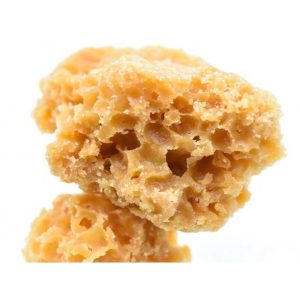
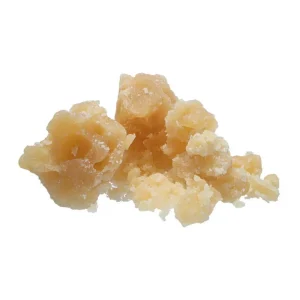
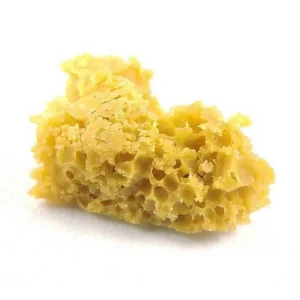
Its most recognizable characteristic is texture.
Rather than appearing glass-like like shatter or creamy like budder, crumble typically has a relatively dry, brittle or honeycomb-like consistency that can break apart easily.
The word premium, however, is primarily a marketing description.
It does not automatically prove:
- higher THC;
- greater purity;
- better terpene content;
- absence of contaminants;
- superior effects.
Consumers need laboratory and product information to evaluate those characteristics.
For additional U.S.-focused educational information about cannabis concentrates, strains and cannabinoids, explore Cannabistopgrade.com.
What Is Cannabis Crumble?
Cannabis crumble is a concentrated cannabis extract named for its distinctive consistency.
Depending on the manufacturer, it can appear:
- dry;
- porous;
- brittle;
- honeycomb-like;
- crumbly.
It is typically more concentrated in cannabinoids than ordinary cannabis flower.
The exact THC, CBD and terpene composition depends on the individual product.
What Does Premium Crumble Mean?
There is no universal scientific definition of premium crumble.
In cannabis marketing, premium may suggest that a producer emphasizes characteristics such as:
- selected starting material;
- cannabinoid potency;
- aroma;
- terpene preservation;
- consistency;
- laboratory testing.
But the word itself does not prove any of these characteristics.
A better evaluation requires looking beyond the front of the package.
Premium Crumble at a Glance
| Characteristic | Premium Crumble |
|---|---|
| Product category | Cannabis concentrate |
| Typical texture | Dry/crumbly |
| THC possible? | Yes, often substantial |
| Same as flower? | No |
| Same as budder? | No |
| Same as shatter? | No |
| “Premium” regulated quality grade? | Not universally |
| Laboratory information important? | Yes |
Cannabis Crumble vs. Marijuana Flower
Cannabis flower consists primarily of dried plant material.
Crumble is a concentrate.
That distinction matters because concentrates can contain substantially greater cannabinoid concentrations.
A consumer familiar with cannabis flower should therefore not assume the same amount of crumble represents equivalent THC exposure.
Why Cannabis Concentrates Can Be Potent
Cannabis plants contain resinous structures known as trichomes.
These structures contain many of the plant’s:
- cannabinoids;
- terpenes.
Concentrate manufacturing separates or concentrates these compounds from larger quantities of plant material.
The result can contain substantially more THC by weight than conventional flower.
What Is THC?
THC stands for tetrahydrocannabinol.
Delta-9 THC is the primary intoxicating cannabinoid associated with marijuana.
THC interacts with cannabinoid receptors in the brain and can affect:
- memory;
- attention;
- perception;
- coordination;
- judgment;
- reaction time.
These effects remain relevant regardless of whether THC comes from flower or crumble.
How Strong Is Premium Crumble?
There is no universal THC percentage for crumble.
One product may test substantially differently from another.
Factors can include:
- starting material;
- extraction;
- refinement;
- batch characteristics;
- formulation.
The regulated cannabinoid label is therefore more informative than assumptions based on texture.
Is Higher THC Better?
Not necessarily.
High THC concentration may produce stronger intoxication, but stronger does not automatically mean higher quality.
Greater THC exposure can also increase unwanted effects such as:
- anxiety;
- panic;
- confusion;
- memory impairment;
- poor coordination;
- excessive intoxication.
Quality should be evaluated across multiple characteristics.
Premium Crumble vs. Wax
Crumble and wax belong to the cannabis concentrate family.
The primary consumer-facing difference is generally consistency.
Crumble: relatively dry and brittle.
Wax: softer and waxier.
Terminology can vary among manufacturers, so these categories are not perfectly standardized.
Premium Crumble vs. Budder
Budder generally has a creamy or whipped consistency.
Crumble is typically drier.
| Feature | Crumble | Budder |
|---|---|---|
| Texture | Dry/crumbly | Creamy/whipped |
| Concentrate | Yes | Yes |
| Can contain THC | Yes | Yes |
| Exact potency fixed? | No | No |
| Quality determined by texture alone? | No | No |
Budder should also not be confused with cannabutter, which is a food ingredient used in cannabis edibles.
Premium Crumble vs. Shatter
Shatter typically has a harder, glass-like appearance.
Crumble has a more porous and breakable texture.
Both can contain high concentrations of THC.
Neither appearance establishes purity.
Premium Crumble vs. Live Resin
Live resin is generally defined more by starting-material handling and processing goals than final texture.
The category emphasizes preservation of volatile aromatic compounds associated with relatively fresh cannabis material.
Crumble primarily describes consistency.
A producer’s terminology can sometimes combine these concepts.
Premium Crumble vs. Rosin
Rosin is associated with mechanical separation using heat and pressure rather than conventional solvent-based extraction.
Crumble is more closely associated with the finished concentrate texture.
Rosin can also develop different consistencies depending on processing and storage.
Premium Crumble vs. Hash
Traditional hash generally consists of concentrated cannabis resin or trichome material.
Crumble belongs to the newer generation of processed concentrates.
Both belong to the broader concentrate category, but their manufacturing history and physical characteristics differ.
Cannabis Concentrate Comparison
| Product | Typical Characteristic | Important Point |
|---|---|---|
| Crumble | Dry, porous, brittle | Texture-based name |
| Wax | Soft/waxy | Broad concentrate term |
| Budder | Creamy/whipped | Texture differs from crumble |
| Shatter | Hard/glass-like | Can contain high THC |
| Live resin | Terpene preservation emphasized | Processing matters |
| Rosin | Mechanical extraction | Solventless category |
| Hash | Concentrated resin/trichomes | Traditional concentrate |
| Distillate | Highly refined | Often cannabinoid-rich |
No category is automatically the “best.”
Why Is Crumble Crumbly?
The physical consistency of cannabis concentrates depends on several variables related to processing and product composition.
Different post-extraction conditions can result in concentrates that become:
- glass-like;
- waxy;
- creamy;
- brittle;
- crumbly.
This article does not provide procedural extraction instructions because some concentrate-manufacturing techniques involve flammable solvents and specialized equipment.
Cannabis Extraction and Crumble
Cannabis extraction broadly refers to separating desired chemical compounds from plant material.
Commercial processors may target compounds such as:
- THC;
- CBD;
- minor cannabinoids;
- terpenes.
Extraction and processing methods vary considerably.
Licensed commercial manufacturing can involve specialized facilities, safety controls and testing.
Why Home Solvent Extraction Can Be Dangerous
Certain extraction methods involve highly flammable substances.
Improper handling can create risks of:
- fire;
- explosion;
- severe burns;
- chemical exposure;
- property damage.
Legal cannabis possession also does not automatically mean every extraction method is lawful.
For these reasons, concentrate manufacturing should not be treated as a simple home recipe.
Crumble and Residual Solvents
Residual-solvent testing can be relevant for concentrates manufactured using solvent-based processes.
Regulated cannabis programs may establish limits for particular residual compounds.
A product’s smell or appearance cannot reliably establish whether residual solvents meet applicable standards.
Cannabis Crumble and Terpenes
Terpenes are aromatic compounds occurring naturally in cannabis and many other plants.
Common examples include:
- myrcene;
- limonene;
- caryophyllene;
- pinene;
- linalool;
- terpinolene.
They contribute substantially to cannabis aroma.
Does More Terpene Mean Better Crumble?
Not automatically.
Aromatic intensity can be important to consumer preferences, but it is not a universal quality measurement.
Terpene concentration should also not be converted automatically into medical claims.
Myrcene
Myrcene can contribute:
- earthy;
- herbal;
- musky
aromatic characteristics.
It occurs in numerous cannabis strains.
Its presence alone does not prove that a product will cause sedation.
Limonene
Limonene contributes citrus-associated aromas.
It is common in many cannabis cultivars and other plants.
Marketing sometimes connects limonene with particular mood effects, but one terpene cannot reliably predict the complete cannabis experience.
Caryophyllene
Beta-caryophyllene contributes peppery or spicy aromatic characteristics.
It is found naturally in cannabis and black pepper.
Many cannabis concentrates contain caryophyllene when it is present in the starting material.
Crumble Strain Names
Premium crumble products may be marketed using strain names such as:
- Blue Dream;
- Wedding Cake;
- Gelato;
- OG Kush;
- GSC;
- Runtz.
However, strain name alone does not establish the final concentrate’s chemistry.
Two Wedding Cake crumble products from different manufacturers can have different cannabinoid and terpene profiles.
Indica Crumble
Some crumble products are marketed as indica.
This generally connects the concentrate with a cultivar classified as indica or with an indica-oriented commercial description.
It does not guarantee sedation.
Sativa Crumble
Sativa crumble is commonly marketed around daytime or uplifting characteristics.
However, a high-THC sativa concentrate can still cause:
- impairment;
- anxiety;
- confusion;
- fatigue.
“Sativa” does not mean non-intoxicating.
Hybrid Crumble
Hybrid crumble originates from cannabis marketed as hybrid or uses hybrid-associated strain labeling.
Because most modern cannabis genetics are extensively hybridized, the actual cannabinoid and terpene profile can be more informative than the category.
How to Evaluate Premium Crumble
The word premium should not be the deciding factor.
More meaningful information includes:
- THC concentration;
- CBD concentration;
- cannabinoid profile;
- terpene information;
- batch number;
- testing;
- packaging date;
- manufacturer information.
This creates a more objective basis for evaluating a concentrate.
Laboratory Testing
Regulated cannabis markets may require testing for several characteristics.
Depending on the jurisdiction, these can include:
- cannabinoid potency;
- pesticides;
- residual solvents;
- heavy metals;
- microorganisms.
Testing requirements differ between states.
Pesticide Testing
Cannabis plant material can potentially contain pesticide residues.
Concentrate manufacturing makes quality control particularly important because chemical compounds from plant material may become concentrated.
Heavy Metals
Cannabis plants can potentially accumulate certain metals from their environment.
Regulated markets may therefore require heavy-metal testing.
Visual inspection cannot identify this type of contamination.
Microbial Testing
Cannabis products can potentially contain:
- mold;
- yeast;
- bacteria.
Manufacturing, storage and laboratory controls can help manage these concerns.
Reading a Premium Crumble Label
Useful label information can include:
THC: intoxicating cannabinoid concentration.
CBD: cannabidiol concentration.
Total cannabinoids: broader cannabinoid measurement.
Batch or lot number: helps identify the production batch.
Testing information: provides traceability where required.
Net weight: indicates package quantity.
Package date: can provide context regarding age and freshness.
THC vs. THCA in Crumble
Cannabis concentrate labels may list both:
- THC;
- THCA.
THCA stands for tetrahydrocannabinolic acid.
It is a cannabinoid precursor that can convert to THC when exposed to sufficient heat.
This is why a regulated label may contain multiple THC-related measurements.
Premium Crumble and Brain Health
High-THC concentrates can affect brain functions involving:
- short-term memory;
- attention;
- decision-making;
- coordination;
- reaction time.
Concentrate potency makes these effects particularly important.
Premium Crumble and Anxiety
Cannabis response differs among individuals.
THC may be associated with relaxation for some consumers.
For others, particularly with higher exposure, it can contribute to:
- anxiety;
- panic;
- paranoia;
- confusion.
A premium label does not reduce these pharmacological risks.
Cannabis Use Disorder
Cannabis use disorder can develop when cannabis use becomes difficult to control despite negative consequences.
Possible warning signs include:
- craving;
- increasing tolerance;
- unsuccessful attempts to reduce use;
- continued use despite problems.
The concentrated nature of products such as crumble deserves particular consideration.
Crumble and Driving
THC can impair:
- judgment;
- reaction time;
- coordination;
- perception.
Do not drive while impaired by cannabis.
A concentrate being purchased legally does not make cannabis-impaired driving safe.
Cannabis and Alcohol
Combining THC with alcohol can increase impairment.
This applies to crumble just as it applies to cannabis flower, edibles and other THC products.
Crumble Storage
Cannabis concentrate characteristics can change with:
- heat;
- light;
- oxygen;
- time.
Consumers should follow manufacturer storage instructions and applicable regulated packaging guidance.
Products should also be kept securely away from children and pets.
Does Crumble Expire?
Cannabis concentrates can change as they age.
Potential changes can involve:
- aroma;
- consistency;
- terpene content;
- cannabinoid composition.
A package date can therefore provide useful context.
Premium Crumble Prices
Premium concentrates may command higher retail prices.
Price can reflect numerous factors, including:
- brand positioning;
- production method;
- starting material;
- testing;
- local taxes;
- supply.
A higher price does not automatically establish higher quality.
Is Cheap Crumble Bad?
Not necessarily.
Likewise, expensive crumble is not automatically superior.
Consumers in regulated markets can make more meaningful comparisons by considering:
- testing;
- potency;
- weight;
- package date;
- licensing;
- cannabinoid profile.
Price Per Gram
Price-per-gram comparisons can help consumers understand relative retail value.
However, price should not replace product-safety and testing considerations.
Premium Crumble at Licensed Dispensaries
Where state law permits adult-use or medical cannabis concentrates, products may be available through licensed cannabis retailers.
Official state cannabis regulators are generally the most reliable sources for confirming whether a retailer holds an appropriate license.
Premium Crumble Online
Licensed cannabis retailers may maintain online menus showing crumble inventory.
Depending on local law, online systems can potentially support:
- menu browsing;
- reservation;
- lawful store pickup;
- authorized local delivery.
An online listing does not mean marijuana concentrates can legally be shipped nationwide.
Local Delivery vs. Interstate Shipping
Licensed local cannabis delivery and interstate marijuana shipping are legally different concepts.
A state may authorize a licensed retailer to deliver within an approved area.
That does not create unrestricted authorization to ship marijuana concentrates across state borders.
U.S. Cannabis Concentrate Laws
Cannabis concentrate laws vary by jurisdiction.
States can regulate:
- possession;
- concentrate quantities;
- manufacturing;
- extraction;
- laboratory testing;
- packaging;
- retail sales;
- delivery.
Consumers should consult current state regulations rather than assuming flower and concentrates always follow identical rules.
Concentrate Limits
Some jurisdictions distinguish between:
- cannabis flower;
- concentrates;
- edibles.
Therefore, a legal possession limit stated in ounces of flower should not automatically be applied to concentrated cannabis products.
Medical vs. Adult-Use Crumble
Medical cannabis programs and adult-use markets can have different:
- purchase rules;
- taxes;
- product restrictions;
- patient requirements.
The rules depend on the state.
Educational Resources
For additional U.S.-focused education about cannabis concentrates, THC, strains and legal markets, explore Cannabistopgrade.com.
Regarding public-health information concerning cannabis and high-THC products, consult CDC Cannabis and Public Health.
For information about cannabis effects on brain function, explore CDC Cannabis and Brain Health.
Regarding current state-by-state cannabis legislation and regulatory developments, consult the NCSL State Cannabis Policy Enactment Database.
Readers can continue exploring crumble, budder, wax, hash, live resin and other cannabis concentrate terminology through Cannabistopgrade.com.
Frequently Asked Questions
1. What is premium crumble?
Premium crumble is a marketing term for cannabis concentrate with a characteristically dry, brittle or crumbly texture that is positioned as higher quality. “Premium” is not a universal laboratory grade, so testing and label information matter.
2. Is crumble the same as wax?
They belong to the same broad cannabis concentrate family but usually have different textures. Crumble tends to be drier and more brittle, while wax is generally softer.
3. Is crumble stronger than cannabis flower?
Crumble can contain substantially higher concentrations of THC than conventional marijuana flower. Actual potency varies by product and should be determined from regulated laboratory and package information.
4. What is the difference between crumble and budder?
Crumble generally has a dry, porous consistency, while budder is typically softer and creamier. Neither texture establishes an exact THC concentration or overall quality.
5. Is premium crumble legal throughout the United States?
No single rule applies nationwide. Marijuana concentrate laws vary by state and locality, and jurisdictions may regulate concentrates differently from cannabis flower.
6. Does “premium” mean cannabis crumble is safer or stronger?
No. Premium is primarily a marketing description. It does not independently prove THC concentration, contaminant status, terpene content or safety. Laboratory testing and traceable product information provide better evidence.
Premium Crumble
Premium Crumble
Premium Crumble