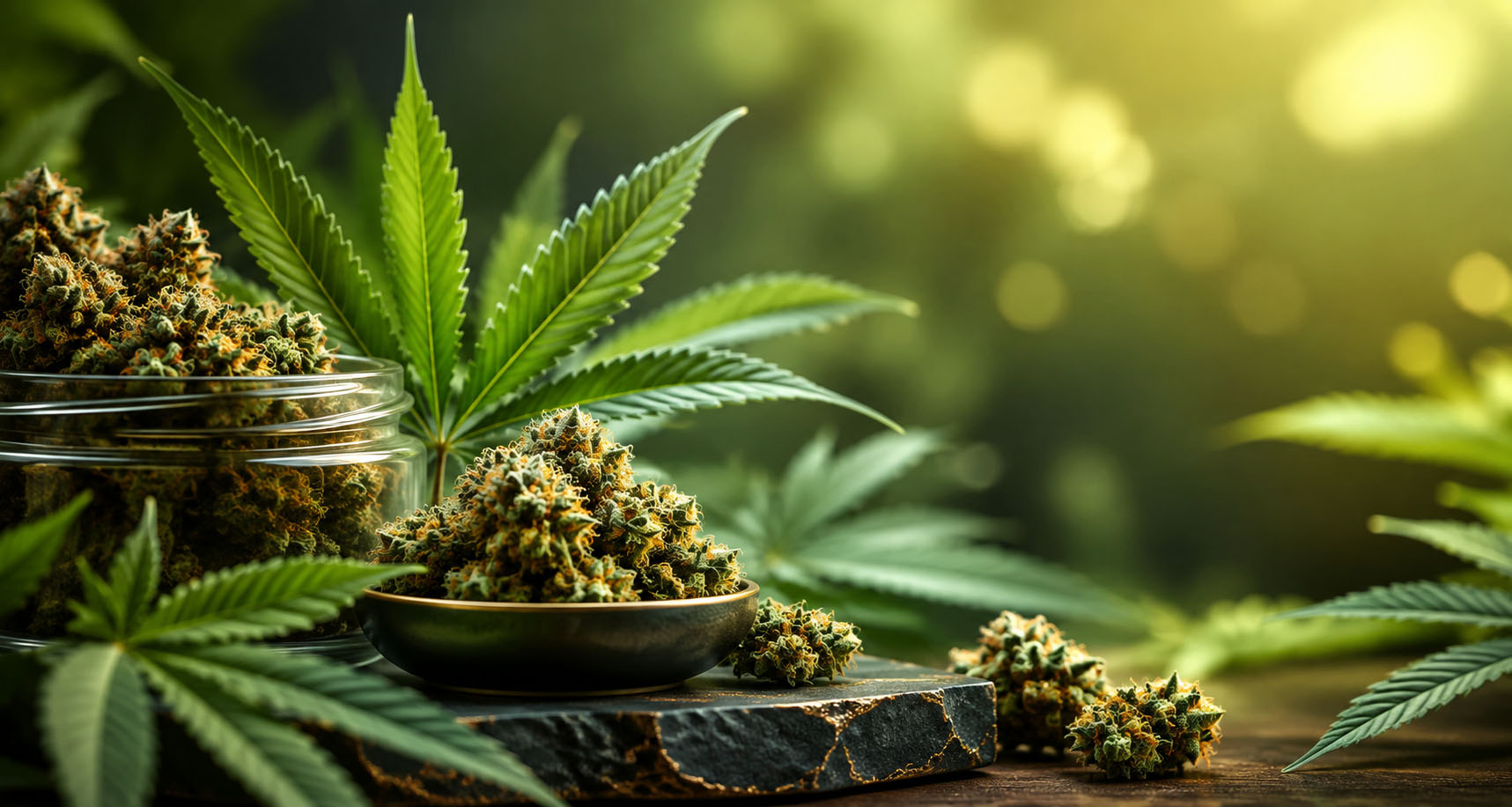
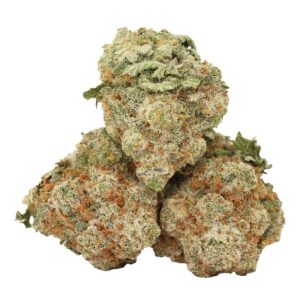
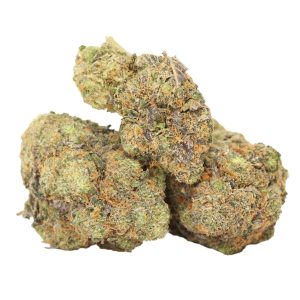
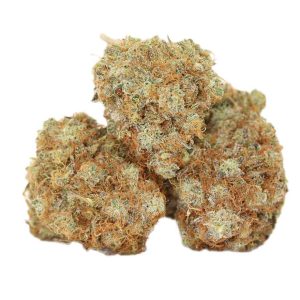
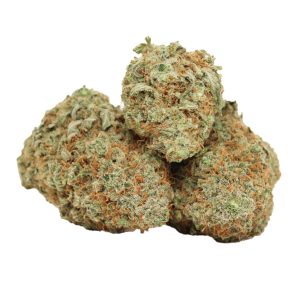
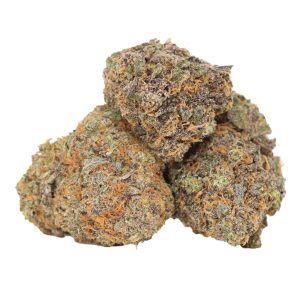
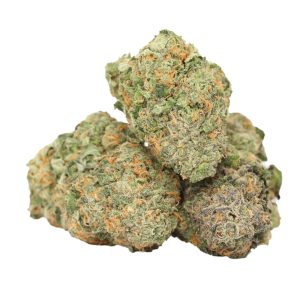
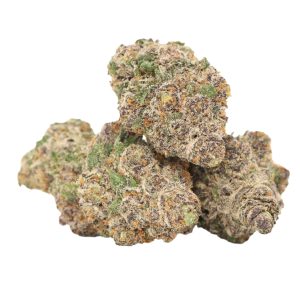
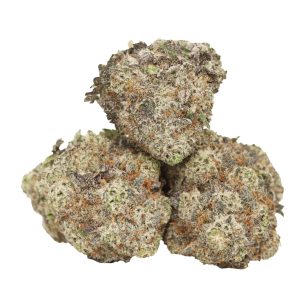
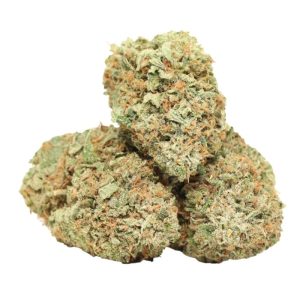
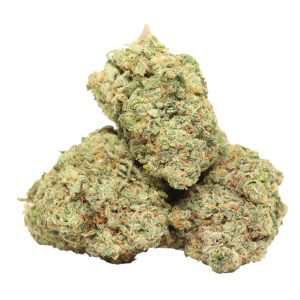
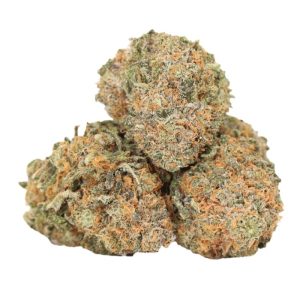
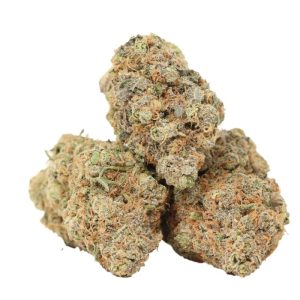
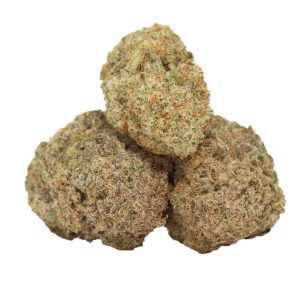
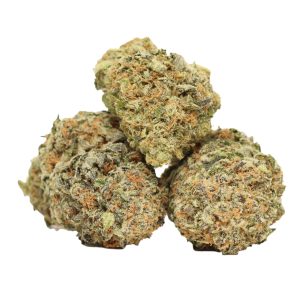
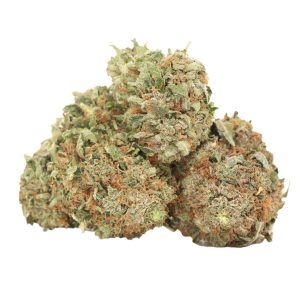
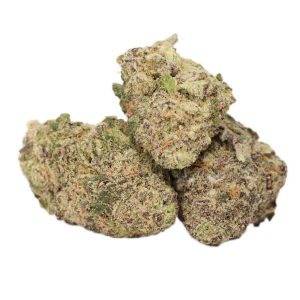
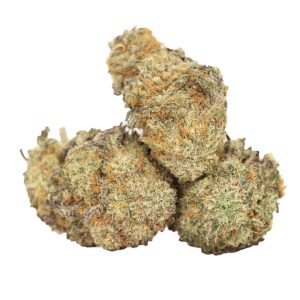
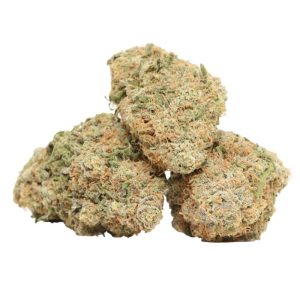
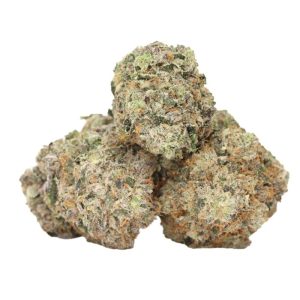
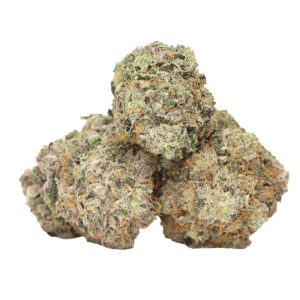
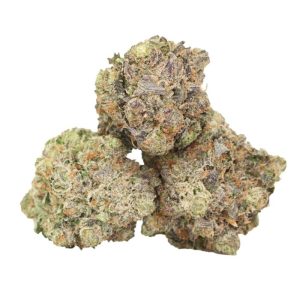
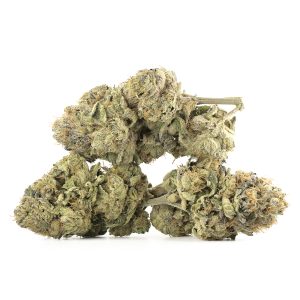
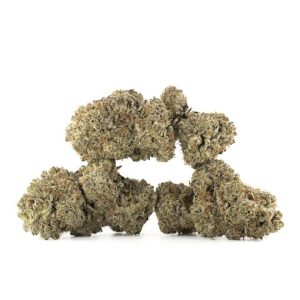
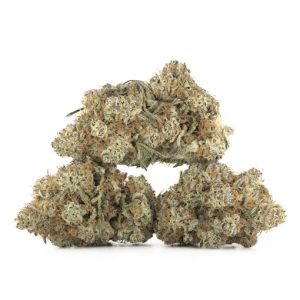
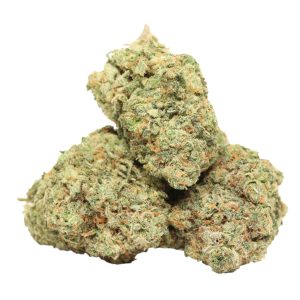
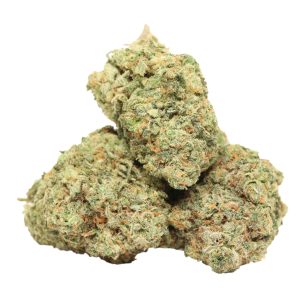
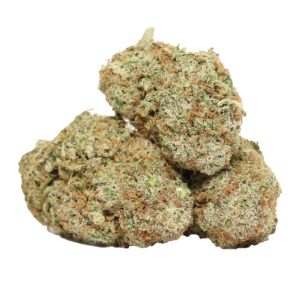
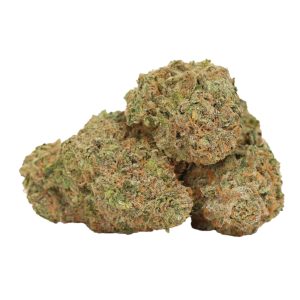
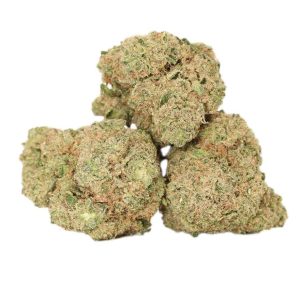
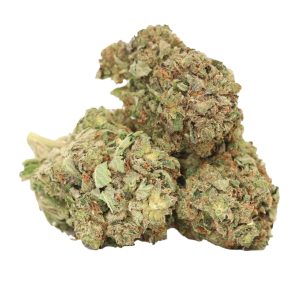
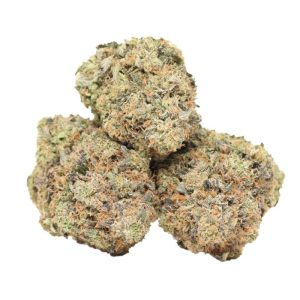
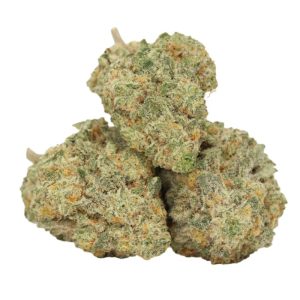
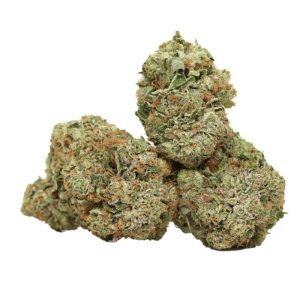
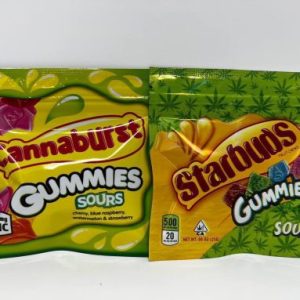
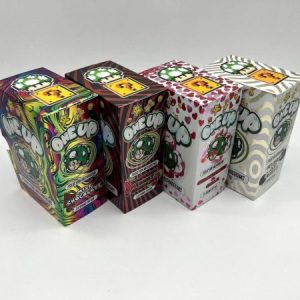
Cannabis is a plant containing many naturally occurring compounds, including cannabinoids such as THC and CBD, as well as aromatic compounds called terpenes. Cannabis products can vary substantially in cannabinoid concentration, aroma, appearance, and chemical composition. Labels such as indica, sativa, and hybrid are commonly used to organize cannabis varieties, but they should not be treated as precise predictors of how a particular product will affect every person. Individual responses can differ based on the product’s chemistry, potency, amount consumed, tolerance, and other factors.
Indica and sativa are two familiar terms used throughout cannabis culture and retail. Indica products are often marketed as having relaxing or calming characteristics, while sativa products are commonly described as more uplifting or energizing. However, these traditional descriptions are broad generalizations rather than guarantees. Modern cannabis varieties have undergone extensive breeding and crossbreeding, so cannabinoid and terpene profiles can provide more useful information about a specific product than relying exclusively on an indica or sativa label.
Hybrid cannabis generally refers to varieties created from different cannabis genetic lines, often combining characteristics traditionally associated with both indica and sativa. Hybrids may be described as indica-dominant, sativa-dominant, or balanced, depending on their genetics and how they are marketed. Because every cultivar can have a different chemical profile, consumers should consider verified THC and CBD levels, terpene information, product format, and responsible-use guidance rather than assuming that every product within the same category will produce an identical experience.