
Edibles and Gummies
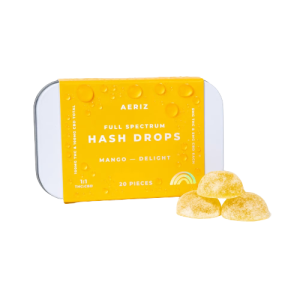
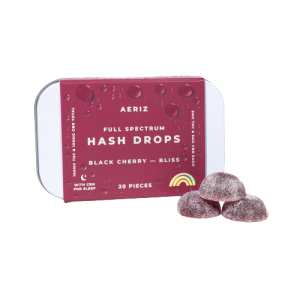
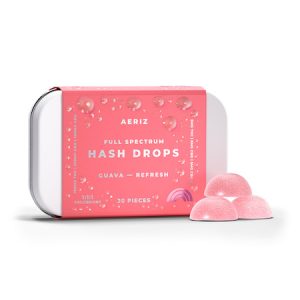
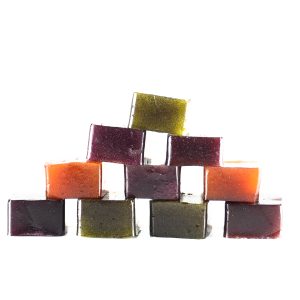
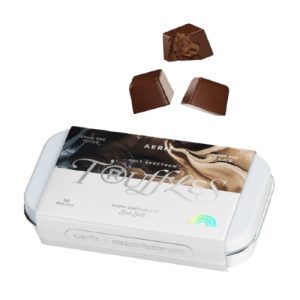
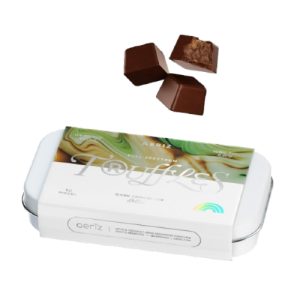
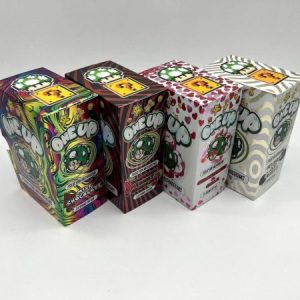
Edibles and gummies have become highly visible parts of the U.S. cannabinoid marketplace.
The category can include products containing:
- THC;
- CBD;
- combinations of THC and CBD;
- other cannabinoids;
- hemp-derived ingredients.
Searches such as 2mg THC gummies, 2 mg of THC and CBD, organic edibles, are edibles illegal, and are edibles legal show how quickly questions about potency, ingredients and law become intertwined.
The most important starting point is that the word edible does not describe one standardized product.
A CBD gummy containing no meaningful intoxicating THC is different from a marijuana edible containing THC.
Likewise, a 2mg THC gummy is chemically different from a gummy containing 10mg or substantially more THC.
Legal status can also change according to the cannabinoid, its source, state law and the market in which the product is sold.
For additional U.S.-focused cannabinoid and cannabis education, explore Cannabistopgrade.com.
What Are Cannabis Edibles?
Cannabis edibles are foods or beverages containing cannabis-derived compounds.
Common examples include:
- gummies;
- chocolates;
- baked goods;
- beverages;
- candies;
- mints;
- capsules;
- syrups.
Some contain primarily THC.
Others contain CBD.
Some contain both.
Edibles and Gummies at a Glance
| Product | Possible Main Cannabinoid | Intoxicating? |
|---|---|---|
| THC gummy | THC | Yes |
| CBD gummy | CBD | Generally not like THC |
| THC + CBD gummy | Both | Can be |
| Marijuana edible | Usually THC-containing | Often |
| Hemp-derived edible | Depends on formulation | Product-dependent |
| “Organic” edible | Depends on ingredients | Label does not determine THC effects |
The actual cannabinoid label matters more than the word “gummy.”
What Is THC?
THC stands for tetrahydrocannabinol.
Delta-9 THC is the principal cannabinoid associated with marijuana intoxication.
THC can affect:
- perception;
- memory;
- attention;
- reaction time;
- coordination;
- judgment.
These effects matter even when THC is consumed as candy rather than inhaled cannabis.
What Is CBD?
CBD stands for cannabidiol.
It differs substantially from THC because CBD does not produce the characteristic marijuana high.
However, CBD is biologically active.
It can potentially:
- cause side effects;
- interact with medications;
- affect liver function.
“Non-intoxicating” should not be interpreted as “completely risk-free.”
THC vs. CBD Gummies
| Feature | THC Gummies | CBD Gummies |
|---|---|---|
| Characteristic high | Yes | No |
| Driving impairment concern | Yes | Drowsiness/interactions can still matter |
| Drug-test concern | Yes | Possible if THC is present |
| Legal status | Jurisdiction-dependent | Product/state-dependent |
| Delayed oral absorption | Yes | Oral absorption also applies |
| Same compound | No | No |
What Are 2mg THC Gummies?
2mg THC gummies are edible products labeled as containing approximately 2 milligrams of THC in a specified unit or serving.
That number needs context.
Consumers should determine whether the label means:
- 2mg per gummy;
- 2mg per serving;
- 2mg in the entire package.
These are not necessarily the same thing.
Is 2mg THC a Small Amount?
Two milligrams is numerically lower than many higher-dose THC edible products, but there is no universally predictable cannabis experience based solely on one number.
THC response can vary according to:
- individual sensitivity;
- previous cannabis exposure;
- body physiology;
- other substances;
- product composition.
A lower labeled amount does not guarantee an absence of impairment.
Why Milligrams Matter
Edible labels often use milligrams to communicate cannabinoid content.
For example:
2mg THC
means two milligrams of THC.
If a package contains five individually labeled servings of 2mg THC each, the entire package would contain more THC than one serving.
Consumers should distinguish:
per serving
from:
per package.
What Does 2 mg of THC and CBD Mean?
The phrase 2 mg of THC and CBD is ambiguous unless the label states the amount of each cannabinoid.
For example, a product might contain:
- 2mg THC + 2mg CBD;
- 2mg total cannabinoids;
- 2mg THC with a different quantity of CBD.
Those formulations are not equivalent.
THC-to-CBD Ratios
Cannabis products sometimes use ratios.
Examples include:
1:1 THC
or
1:5 THC
A ratio describes the relationship between the cannabinoids.
It does not by itself tell you the exact milligrams.
Consumers need both:
- ratio;
- actual cannabinoid quantity.
Does CBD Cancel THC?
CBD and THC interact in complicated ways.
It is too simplistic to claim that CBD simply “cancels” THC.
Research suggests cannabinoid interactions can depend on:
- dose;
- timing;
- formulation;
- route of administration;
- individual biology.
A THC-and-CBD edible should still be treated as potentially intoxicating when it contains meaningful THC.
Why Edibles Feel Different From Smoking Cannabis
Inhaled cannabis and edible cannabis enter the body differently.
When THC is swallowed, it passes through the digestive system and liver before producing its full effects.
The liver metabolizes THC into compounds including 11-hydroxy-THC.
This contributes to the distinct experience associated with oral cannabis.
Edibles Have Delayed Effects
One of the most important characteristics of THC edibles is delayed onset.
The CDC notes that edible cannabis effects can take 30 minutes to 2 hours to become noticeable and can last longer than expected.
This delay creates an important safety issue.
Someone may mistakenly assume nothing is happening while the initial product is still being absorbed.
Why Edibles Can Lead to Accidental Overconsumption
The sequence can look like this:
consumption → delayed effects → mistaken assumption of no effect → additional consumption → stronger combined effects later
This is one reason edible cannabis is associated with accidental overconsumption.
How Long Do Edibles Last?
There is no single duration that applies to everyone.
Duration can depend on:
- THC content;
- product formulation;
- individual metabolism;
- food intake;
- other substances.
Oral cannabis effects can persist substantially longer than inhaled cannabis effects.
THC Gummies and Brain Health
THC remains THC regardless of whether it appears in:
- flower;
- vape oil;
- chocolate;
- gummy.
It can temporarily affect:
- memory;
- attention;
- judgment;
- coordination;
- reaction time.
A candy-like format does not make THC neurologically inactive.
Edibles and Driving
Do not drive while impaired by THC edibles.
Delayed onset and potentially prolonged effects make this particularly important.
Someone who consumed an edible earlier may remain impaired even after the most obvious subjective effects begin to decline.
Edibles and Alcohol
Combining THC and alcohol can increase impairment.
The effects can become less predictable when multiple psychoactive substances are involved.
What Are Organic Edibles?
The phrase organic edibles can refer to cannabis or cannabinoid products marketed as containing organically produced ingredients.
However, “organic” and “cannabis” involve separate regulatory questions.
An edible could contain organic food ingredients while still containing substantial THC.
The word organic does not mean:
- non-intoxicating;
- medically proven;
- legal everywhere;
- free of side effects.
Organic Does Not Mean Safer THC
THC’s pharmacological effects do not disappear because the surrounding ingredients are marketed as organic.
An organic THC gummy can still impair:
- coordination;
- memory;
- judgment;
- reaction time.
Ingredient sourcing and psychoactive potency should be evaluated separately.
Natural Does Not Mean Risk-Free
Cannabis is a plant, but natural origin does not establish safety.
Many naturally occurring compounds can have powerful biological effects.
THC is one example.
Are Edibles Legal?
The answer to “are edibles legal?” depends on what kind of edible is being discussed and where it is possessed or sold.
Important questions include:
- Does the product contain marijuana-derived THC?
- Is adult-use marijuana legal in the state?
- Is it part of a medical cannabis program?
- Is it a hemp-derived cannabinoid product?
- Does the state restrict that cannabinoid or edible format?
- Was the product obtained through a legally authorized market?
There is no single nationwide yes-or-no answer covering every cannabis edible.
Are Edibles Illegal?
Likewise, “are edibles illegal?” cannot be answered correctly without jurisdiction and product information.
A THC gummy lawfully sold through a licensed adult-use retailer in one state may face completely different legal treatment elsewhere.
A CBD gummy can operate under a different regulatory framework from a marijuana edible.
State Cannabis Laws Differ
U.S. states have taken different approaches to:
- medical marijuana;
- adult-use marijuana;
- edible products;
- THC limits;
- packaging;
- retail licensing;
- delivery.
Local governments may add further restrictions.
Current state rules should therefore be checked rather than relying on a nationwide assumption.
Legal in One State Does Not Mean Legal Everywhere
A common mistake is assuming:
“I legally purchased this edible, therefore I can take it anywhere.”
That conclusion does not follow.
Crossing jurisdictional boundaries can change the legal context.
State marijuana legalization also does not create unrestricted interstate marijuana commerce.
Federal Property
State cannabis legalization does not automatically change rules governing federal property.
This can be particularly relevant around certain:
- federal buildings;
- national facilities;
- federally controlled areas.
Consumers should not assume state legalization applies everywhere geographically located inside that state.
THC Edibles vs. Hemp-Derived Gummies
The U.S. marketplace also contains products marketed as hemp-derived.
These can include products containing:
- CBD;
- delta-8 THC;
- delta-9 THC formulations;
- other cannabinoids.
State legislatures and regulators have increasingly adopted different restrictions for intoxicating hemp products.
The word hemp should therefore not be treated as a universal guarantee of legality.
Hemp-Derived Does Not Mean Non-Intoxicating
Some hemp-derived products can produce intoxication.
Consumers should evaluate the actual cannabinoids rather than assuming:
hemp = CBD only.
Cannabis Edible Labels
Regulated marijuana edibles can carry important information such as:
- THC per serving;
- THC per package;
- CBD content;
- serving count;
- ingredients;
- warnings;
- batch information.
Read the entire label before interpreting potency.
Laboratory Testing
Regulated cannabis systems can require testing for issues such as:
- cannabinoid potency;
- pesticides;
- heavy metals;
- microbial contaminants;
- residual solvents.
Requirements vary by jurisdiction.
A package merely saying “lab tested” is less informative than traceable batch-specific testing.
Why Accurate THC Labels Matter
With edibles, small-looking pieces can contain meaningful amounts of THC.
Appearance cannot determine potency.
A tiny gummy could potentially contain more THC than a much larger edible.
This makes labeling particularly important.
Homemade Cannabis Edibles
Homemade edibles can be more difficult to standardize.
THC may not always be distributed uniformly through the final food.
That makes visual estimation unreliable.
Gummies Can Look Like Ordinary Candy
Cannabis gummies create a particular child-safety concern because they can resemble ordinary sweets.
Children may not recognize the difference.
Products should therefore be securely stored away from children.
Cannabis Poisoning and Children
Accidental ingestion can produce significant effects in children.
THC edibles should never be left:
- on counters;
- in ordinary candy containers;
- inside accessible bags;
- within a child’s reach.
Secure storage matters.
Keep Edibles Away From Pets
THC can also be harmful to animals.
Cannabis foods should be stored away from pets, particularly products containing other potentially dangerous ingredients such as chocolate.
What If Someone Consumes Too Much THC?
Excessive THC exposure can produce symptoms such as:
- severe anxiety;
- panic;
- confusion;
- vomiting;
- impaired coordination;
- extreme drowsiness.
Severe or concerning symptoms deserve professional medical or poison-control guidance.
Edibles and Cannabis Use Disorder
Frequent cannabis use can contribute to cannabis use disorder in some people.
Potential signs can include:
- craving;
- tolerance;
- unsuccessful attempts to reduce use;
- continuing despite negative consequences.
Edible form does not eliminate this risk when the product contains THC.
CBD Gummies
CBD gummies are often marketed for:
- relaxation;
- sleep;
- pain;
- stress.
Marketing claims should be separated from established evidence.
FDA has not approved ordinary retail CBD gummies as universal treatments for these conditions.
CBD Drug Interactions
CBD can interact with medications.
It can also affect liver function.
People taking prescription medications should not assume CBD gummies are automatically interaction-free.
Drug Testing and Gummies
THC-containing gummies can create obvious drug-testing concerns.
Some CBD products can also contain THC.
A CBD label should not automatically be interpreted as proof that a product cannot affect a cannabis drug test.
Edible Deals and Product Quality
Cannabis dispensaries may offer promotions on gummies or other edibles.
Price should be considered alongside:
- cannabinoid content;
- package size;
- testing;
- freshness;
- license status.
A discounted edible is not automatically a better product.
Licensed Cannabis Retailers
Where marijuana retail is legal, consumers can use official state cannabis regulators to verify retailer licenses.
A professional-looking online store does not independently establish authorization.
Online Edible Ordering
Some licensed retailers in regulated markets allow eligible customers to browse menus or reserve products online for:
- store pickup;
- authorized local delivery.
This should not be confused with unrestricted interstate marijuana shipping.
Interstate Marijuana Shipping
State legalization does not create general permission to ship marijuana edibles from one state to another.
Consumers should therefore be skeptical of websites claiming unrestricted marijuana gummy shipping throughout the United States.
Educational Resources
For additional U.S.-focused educational information about cannabis, cannabinoids and edibles, explore Cannabistopgrade.com.
For public-health information about delayed edible effects and accidental overconsumption, consult CDC Cannabis and Poisoning.
Regarding information about cannabis, THC and health effects, explore CDC Cannabis and Public Health.
Concerning current state cannabis legislation and regulatory differences, consult the NCSL State Cannabis Policy Enactment Database.
Readers can continue exploring THC, CBD, cannabis products and U.S. marijuana policy through Cannabistopgrade.com.
Frequently Asked Questions
1. What are 2mg THC gummies?
They are gummies labeled as containing 2 milligrams of THC in a specified unit or serving. Consumers should check whether the 2mg figure applies to one gummy, one serving or the entire package.
2. Is 2 mg of THC and CBD the same as a 1:1 gummy?
Not necessarily. A 1:1 ratio means equal relative amounts of THC and CBD, but it does not establish the number of milligrams. A label should state the actual amount of each cannabinoid.
3. Are edibles legal in the United States?
There is no single nationwide answer. Marijuana edible legality varies by state and sometimes locality, while hemp-derived cannabinoid products can fall under different federal and state rules.
4. Are edibles illegal if I purchased them legally in another state?
A legal purchase in one jurisdiction does not guarantee lawful possession elsewhere. State marijuana legalization also does not create general permission for interstate marijuana transportation or shipping.
5. Are organic edibles safer than regular THC edibles?
The word organic does not remove THC’s intoxicating effects. Ingredient sourcing, cannabinoid potency, laboratory testing and individual sensitivity are separate considerations.
6. Why can THC gummies take longer to work?
Oral THC must pass through digestion and metabolism before its effects fully develop. CDC notes that edible cannabis effects can take roughly 30 minutes to 2 hours to appear and may last longer than expected.
Edibles and Gummies
Edibles and Gummies
Edibles and Gummies
Edibles and Gummies
Edibles and Gummies
Edibles and Gummies
Edibles and Gummies
Edibles and Gummies
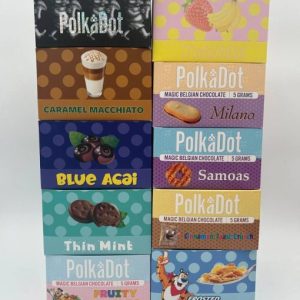
Edibles and Gummies
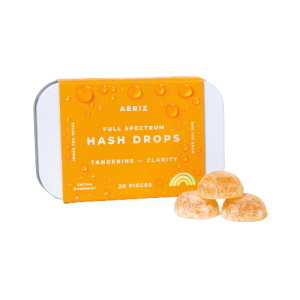
Edibles and Gummies