Cannabis Tincture
Cannabis tincture is a liquid cannabinoid preparation that may contain THC, CBD, or a combination of cannabinoids extracted from cannabis or hemp.
Tinctures have a long history in herbal preparations, but today’s cannabis market has transformed the category into a diverse group of precisely labeled liquid products.
A modern cannabis tincture may be marketed as:
- THC tincture;
- CBD tincture;
- marijuana tincture;
- cannabis drops;
- hemp tincture;
- THC and CBD tincture;
- cannabinoid tincture.
Despite the similar terminology, these products are not necessarily interchangeable.
One bottle may contain primarily THC and produce substantial intoxication. Another may contain CBD with very little THC. A third may use a balanced THC-to-CBD ratio.
Understanding the label is therefore more important than simply recognizing the word tincture.
For additional U.S.-focused education about cannabinoids and cannabis products, explore Cannabistopgrade.com.
What Is a Cannabis Tincture?
A cannabis tincture is a concentrated liquid preparation containing cannabinoids.
Historically, the word tincture commonly referred to botanical compounds extracted into alcohol.
Modern cannabis markets use the term more broadly.
Products sold as tinctures may use different carrier systems and formulations.
The important characteristics are the actual:
- cannabinoids;
- concentration;
- ingredients;
- serving information;
- laboratory results.
What Is THC Tincture?
A THC tincture contains tetrahydrocannabinol.
Delta-9 THC is the primary intoxicating cannabinoid associated with marijuana.
THC can affect:
- perception;
- short-term memory;
- judgment;
- attention;
- coordination;
- reaction time.
A liquid format does not eliminate THC’s intoxicating effects.
What Is CBD Tincture?
A CBD tincture contains cannabidiol as a major cannabinoid.
CBD does not produce the characteristic marijuana high associated with THC.
However, CBD remains biologically active.
It can potentially:
- cause side effects;
- interact with medications;
- affect liver enzymes.
Consumers should not interpret “non-intoxicating” as meaning completely risk-free.
Cannabis Tincture at a Glance
| Type | Main Cannabinoid | Intoxicating? |
|---|---|---|
| THC tincture | THC | Yes |
| CBD tincture | CBD | Not like THC |
| THC + CBD tincture | Both | Can be |
| Hemp tincture | Product-dependent | Product-dependent |
| Marijuana tincture | Often THC | Frequently |
| Full-spectrum tincture | Multiple compounds | Depends on THC |
THC Tincture vs. CBD Tincture
The main difference involves cannabinoid composition.
A THC-dominant tincture can produce intoxication.
A CBD-dominant tincture generally does not produce THC’s characteristic high.
However, a CBD product may still contain some THC depending on its formulation and applicable regulations.
Always examine the cannabinoid label.
Cannabis Tincture vs. Cannabis Oil
These terms are frequently confused.
A cannabis tincture is a liquid cannabinoid preparation.
Cannabis oil is a broader term that can describe numerous oil-based cannabis extracts.
Modern products can blur the distinction because some products marketed as tinctures use oil-based carriers.
The ingredient list can clarify what is actually in the bottle.
Cannabis Tincture vs. CBD Oil
CBD oil is generally an oil-based formulation containing CBD.
CBD tincture is a term commonly used for liquid CBD preparations.
In modern retail markets, companies sometimes use the words oil and tincture loosely.
Consumers should therefore compare:
- ingredients;
- CBD concentration;
- THC concentration;
- serving information.
Cannabis Tincture vs. Cannabis Syrup
Cannabis syrup and cannabis tincture are both liquid cannabinoid products, but they are not the same category.
| Feature | Cannabis Tincture | Cannabis Syrup |
|---|---|---|
| Form | Concentrated liquid | Sweetened liquid |
| Cannabinoids | THC, CBD or both | THC, CBD or both |
| Typical packaging | Small bottle/dropper | Bottle |
| Sweetened? | Product-dependent | Commonly |
| Same formulation? | No | No |
Product-specific labels remain essential.
Cannabis Tincture vs. Gummies
Tinctures and gummies can both contain THC or CBD.
The primary difference is product format.
Tincture: liquid.
Gummy: solid edible.
The cannabinoid quantity still determines much of the pharmacological significance.
A tiny amount of liquid can potentially contain more THC than a much larger gummy depending on concentration.
Cannabis Tincture vs. Cannabis Flower
Cannabis flower consists primarily of dried plant material.
Tinctures contain cannabinoids that have already been extracted and formulated into a liquid.
This means consumers should not compare tincture volume directly with flower weight.
They are fundamentally different product formats.
Cannabinoids in Cannabis Tinctures
Cannabis produces numerous cannabinoids.
Tinctures may contain:
- THC;
- CBD;
- CBG;
- CBN;
- CBC;
- other minor cannabinoids.
The exact profile depends on the formulation.
What Is THC?
THC stands for tetrahydrocannabinol.
Delta-9 THC produces many of marijuana’s characteristic psychoactive effects.
Its effects can include:
- euphoria;
- altered perception;
- relaxation;
- impaired short-term memory;
- reduced coordination.
Higher exposure can increase the possibility of unwanted effects.
What Is CBD?
CBD stands for cannabidiol.
Unlike THC, CBD does not produce the same characteristic intoxication.
Research continues into CBD for numerous medical and wellness applications.
However, ordinary retail CBD products should not automatically be described as proven treatments for pain, anxiety, insomnia or other conditions.
What Is CBN?
CBN stands for cannabinol.
It is a minor cannabinoid associated partly with the degradation and oxidation of THC over time.
CBN products are frequently marketed around nighttime or sleep-related themes.
Research remains more limited than many marketing claims suggest.
What Is CBG?
CBG stands for cannabigerol.
It is another cannabinoid produced by cannabis.
CBG has attracted growing research and commercial interest, but claims about therapeutic benefits should remain evidence-based.
THC and CBD Tinctures
Some tinctures combine THC and CBD.
These products may display ratios such as:
1:1 THC
1:2 THC
1:5 THC
The ratio describes the relative quantities of cannabinoids.
It does not tell consumers the exact number of milligrams.
Understanding THC Ratios
Consider a hypothetical 1:1 product.
It might contain:
2 mg THC + 2 mg CBD
or:
10 mg THC + 10 mg CBD.
Both are 1:1 formulations, but they contain very different cannabinoid quantities.
Consumers should therefore examine both:
ratio + milligrams.
Does CBD Cancel THC?
No simple rule says CBD cancels THC.
Cannabinoid interactions depend on factors including:
- quantities;
- formulation;
- timing;
- individual biology.
A tincture containing substantial THC can still be intoxicating even when it also contains CBD.
Full-Spectrum Cannabis Tincture
The phrase full-spectrum generally suggests that a product contains multiple compounds associated with the source plant.
Depending on the product, this can include:
- cannabinoids;
- terpenes;
- other plant compounds.
Full-spectrum does not mean THC-free.
Broad-Spectrum Tincture
Broad-spectrum is commonly used for cannabinoid products containing multiple cannabis compounds while attempting to exclude or minimize THC.
Definitions can vary among manufacturers.
Laboratory information remains important.
CBD Isolate Tincture
CBD isolate products use highly purified cannabidiol rather than a broader cannabinoid mixture.
An isolate-focused formulation is therefore chemically different from a full-spectrum tincture.
What Does “Cannabis Drops” Mean?
Cannabis drops is a broad consumer term rather than a precise chemical category.
It can describe liquid cannabinoid products containing:
- THC;
- CBD;
- both;
- other cannabinoids.
The words “cannabis drops” alone cannot establish potency or intoxication risk.
How Cannabis Tincture Effects Develop
Cannabis tincture effects depend partly on how the product is formulated and consumed.
When cannabinoids are swallowed, they pass through the digestive system and undergo metabolism.
Oral THC can therefore behave similarly to other edible THC products.
Product-specific directions and warnings should be followed rather than assuming every tincture behaves identically.
Oral THC Metabolism
When THC is swallowed, the liver metabolizes some of it into 11-hydroxy-THC.
This metabolite contributes to the distinct and potentially prolonged effects associated with orally consumed THC.
This is one reason oral cannabis and inhaled cannabis can feel different.
How Long Does a Cannabis Tincture Take to Work?
There is no universal onset time for every tincture.
Timing can depend on:
- formulation;
- route of administration;
- individual metabolism;
- cannabinoid concentration;
- food intake.
Consumers should not assume an absence of immediate effects means that a THC-containing product has had no effect.
How Long Can THC Tincture Effects Last?
Duration varies considerably.
Important variables include:
- THC quantity;
- individual sensitivity;
- tolerance;
- metabolism;
- formulation.
Orally consumed THC can have prolonged effects compared with inhaled cannabis.
Understanding Tincture Potency
Cannabis tincture potency can be displayed in several ways.
Labels may show:
- total THC per bottle;
- THC per serving;
- CBD per bottle;
- CBD per serving;
- total cannabinoids.
These measurements should not be confused.
THC Per Serving vs. THC Per Bottle
Suppose a hypothetical tincture contains:
100 mg total THC
across:
20 labeled servings.
The entire bottle and one serving clearly represent different cannabinoid quantities.
This is why package totals should not be mistaken for serving amounts.
Milligrams per Milliliter
Some liquid products report cannabinoid concentration using:
mg/mL
This means milligrams per milliliter.
For example, a label may specify how much THC or CBD exists within a defined volume of liquid.
This is more meaningful than guessing concentration from bottle size.
Dropper Markings
Some tincture bottles include graduated markings.
These markings are designed to help interpret the manufacturer’s serving information.
Consumers should use the product’s actual labeled measurements rather than assuming every dropper holds the same volume.
Why Accurate Labels Matter
Cannabis tinctures can be highly concentrated.
Appearance cannot determine potency.
Two bottles containing identical-looking liquid can have dramatically different cannabinoid concentrations.
Is More THC Better?
No.
Higher THC means greater potential THC exposure.
It does not automatically mean:
- higher quality;
- better therapeutic effect;
- better value.
Greater THC exposure can increase the likelihood of unwanted intoxication.
Potential THC Tincture Effects
THC can produce effects including:
- euphoria;
- relaxation;
- altered sensory perception;
- appetite changes;
- impaired memory;
- slower reaction time.
Responses vary among individuals.
Possible Unwanted THC Effects
Higher THC exposure can contribute to:
- anxiety;
- panic;
- paranoia;
- confusion;
- dizziness;
- poor coordination.
Individual THC sensitivity varies substantially.
Cannabis Tincture and Anxiety
Cannabis is sometimes marketed for relaxation.
However, THC can worsen anxiety in some individuals.
Therefore, a THC tincture should not automatically be described as an anxiety treatment.
Cannabis Tincture and Sleep
THC, CBD and CBN products are frequently marketed for sleep.
Research on cannabinoids and sleep remains nuanced.
Cannabis does not consistently improve every objective sleep measure, and repeated use can create additional complications.
A nighttime label is marketing information, not proof of clinical effectiveness.
Cannabis Tincture for Pain
Cannabinoids have been studied for chronic and neuropathic pain.
Some evidence suggests possible benefits in certain circumstances, while other evidence remains limited or mixed.
A generic cannabis tincture should not automatically be described as a proven pain treatment.
Cannabis Tincture and Brain Health
THC can temporarily affect:
- memory;
- attention;
- learning;
- decision-making;
- coordination.
Liquid administration does not remove these effects.
Cannabis Tincture and Driving
Do not drive while impaired by THC.
THC can affect abilities necessary for safe driving, including:
- reaction time;
- coordination;
- perception;
- judgment.
A person can feel relatively alert while still experiencing impairment.
Cannabis Tincture and Alcohol
Combining THC with alcohol can increase impairment.
Cannabis tincture should not be casually mixed with alcohol under the assumption that the combination is harmless.
CBD Tincture and Medication Interactions
CBD can interact with certain medications.
It can influence enzymes involved in drug metabolism and can also affect liver function.
People taking prescription medications should discuss significant CBD use with an appropriate healthcare professional.
Cannabis Tincture and Pregnancy
Cannabis exposure during pregnancy raises health concerns.
Pregnant or breastfeeding individuals should seek professional medical guidance rather than assuming THC or CBD tinctures are harmless because they are plant-derived.
Cannabis Tinctures and Children
THC-containing tinctures should be securely stored away from children.
Small bottles can contain substantial amounts of cannabinoids.
Child-resistant packaging does not replace responsible storage.
Cannabis Tinctures and Pets
Cannabis products should also remain inaccessible to pets.
THC can cause harmful effects in animals.
Store cannabinoid tinctures separately from ordinary pet foods and medications.
What Happens With Excessive THC Exposure?
Excessive THC exposure can produce symptoms such as:
- severe anxiety;
- panic;
- confusion;
- vomiting;
- extreme drowsiness;
- poor coordination.
Serious or concerning symptoms deserve professional medical or poison-control guidance.
Cannabis Use Disorder
Repeated THC use can contribute to cannabis use disorder in some individuals.
Possible warning signs include:
- craving;
- tolerance;
- using more than intended;
- difficulty reducing use;
- continued use despite negative consequences.
A tincture format does not eliminate this possibility.
Cannabis Tincture Drug Testing
THC-containing tinctures can create drug-testing concerns.
CBD products can also be relevant when they contain detectable THC.
A CBD label should not automatically be interpreted as a guarantee that a product cannot affect a cannabis drug test.
Cannabis Tincture Laboratory Testing
Testing requirements vary by jurisdiction.
Regulated cannabis markets may test products for:
- cannabinoid potency;
- pesticides;
- residual solvents;
- heavy metals;
- microbial contaminants.
Laboratory information can provide considerably more useful evidence than packaging claims alone.
Potency Testing
Potency testing measures cannabinoid concentrations.
For tinctures, this can help determine actual quantities of:
- THC;
- CBD;
- other cannabinoids.
Without laboratory analysis, visual inspection cannot provide this information.
Residual Solvents
Extraction processes can involve different technologies.
Where solvent-based extraction is used, regulated testing may examine residual solvent levels.
This is one reason properly regulated commercial processing and testing matter.
Pesticides and Heavy Metals
Cannabis can potentially be exposed to contaminants during cultivation and processing.
Regulated testing programs may therefore examine pesticide residues and certain heavy metals.
Reading a Cannabis Tincture Label
Useful information can include:
- THC;
- CBD;
- cannabinoid ratio;
- total bottle volume;
- cannabinoids per serving;
- ingredients;
- batch number;
- testing information;
- expiration or package date.
Reading the complete label helps prevent misunderstandings about concentration.
What Does “Natural” Mean?
Cannabis tinctures are often marketed as natural or plant-based.
Those terms do not establish:
- safety;
- effectiveness;
- legality;
- purity.
THC remains psychoactive regardless of whether the source is natural.
Organic Cannabis Tinctures
Some products may be marketed around organic ingredients.
However, an organic label does not make THC non-intoxicating.
Ingredient sourcing and cannabinoid pharmacology are separate questions.
Is Cannabis Tincture Legal?
There is no universal U.S. answer.
Legal status can depend on:
- THC concentration;
- cannabinoid source;
- state law;
- medical cannabis regulations;
- adult-use laws;
- hemp-product rules.
A marijuana-derived THC tincture can be permitted within one regulated state market while prohibited elsewhere.
THC Tincture Laws
States can establish different rules for:
- possession;
- THC products;
- concentrates;
- retail sales;
- medical cannabis;
- delivery.
Consumers should check current official state regulations.
Hemp-Derived Tinctures
Hemp-derived tinctures form another category.
They may contain:
- CBD;
- minor cannabinoids;
- legally regulated amounts or forms of THC depending on applicable law.
State restrictions on intoxicating hemp-derived cannabinoids have continued to evolve.
Therefore:
hemp-derived does not automatically mean legal everywhere.
Marijuana Tincture vs. Hemp Tincture
Marijuana-derived and hemp-derived products can operate under different regulatory frameworks.
The package should clearly identify:
- cannabinoid content;
- source where required;
- manufacturer;
- laboratory information.
Cannabis Tinctures at Licensed Dispensaries
Where marijuana sales are legal, licensed retailers may offer tinctures within applicable state rules.
Official state cannabis regulators can help consumers verify retailer licensing.
A website claiming to sell THC tincture is not automatically an authorized cannabis retailer.
Cannabis Tincture Online
Licensed dispensaries may allow eligible consumers to browse tinctures online.
Depending on jurisdiction, online systems can support:
- menu browsing;
- reservation;
- store pickup;
- authorized local delivery.
This should not be confused with unrestricted interstate marijuana shipping.
Interstate Cannabis Transportation
State legalization does not create unrestricted permission to transport marijuana products across state lines.
A THC tincture purchased legally within one state should not automatically be assumed legal to transport elsewhere.
Medical vs. Adult-Use Tinctures
Medical cannabis programs can establish rules different from adult-use systems.
Differences can involve:
- patient eligibility;
- product availability;
- purchase limits;
- taxes.
Rules vary by state.
How to Evaluate a Cannabis Tincture
A useful evaluation goes beyond words such as:
premium
maximum strength
natural
or:
wellness formula.
Instead, examine:
- THC concentration;
- CBD concentration;
- cannabinoid ratio;
- serving information;
- ingredients;
- laboratory testing;
- batch information;
- manufacturer identification.
These characteristics provide more objective information.
Cannabis Tincture vs. Cannabis Syrup vs. Gummies
| Feature | Tincture | Syrup | Gummies |
|---|---|---|---|
| Format | Liquid | Sweet liquid | Solid edible |
| THC possible | Yes | Yes | Yes |
| CBD possible | Yes | Yes | Yes |
| Potency standardized? | No | No | No |
| Label important? | Yes | Yes | Yes |
| Intoxication depends on THC? | Yes | Yes | Yes |
The format alone does not determine potency.
Educational Resources
For additional U.S.-focused education about cannabis tinctures, cannabinoids and marijuana products, explore Cannabistopgrade.com.
For broader public-health information about cannabis and THC, consult CDC Cannabis and Public Health.
Reagrding information about cannabis and brain function, explore CDC Cannabis and Brain Health.
Concerning current state cannabis legislation and policy differences, consult the NCSL State Cannabis Policy Enactment Database.
Readers can continue exploring THC, CBD, cannabis syrup, edibles and other cannabinoid formulations through Cannabistopgrade.com.
Frequently Asked Questions
1. What is a cannabis tincture?
A cannabis tincture is a concentrated liquid preparation containing cannabinoids such as THC, CBD or both. Modern products vary in ingredients, carrier liquids and cannabinoid concentrations.
2. What is the difference between THC tincture and CBD tincture?
THC tincture contains intoxicating THC, while CBD tincture emphasizes cannabidiol, which does not produce THC’s characteristic high. Some products contain both cannabinoids.
3. Is cannabis tincture the same as cannabis oil?
Not necessarily. Cannabis oil is a broad term for oil-based cannabinoid preparations, while tincture describes a category of liquid cannabinoid products. Modern manufacturers sometimes use the terminology loosely, making the ingredient and cannabinoid labels more reliable.
4. Does cannabis tincture get you high?
A tincture containing meaningful quantities of THC can produce intoxication. CBD-dominant tinctures generally do not produce THC’s characteristic high, although consumers should check for actual THC content.
5. Is cannabis tincture legal throughout the United States?
No single rule applies everywhere. Marijuana-derived THC tincture laws vary among states, while hemp-derived cannabinoid products can face separate federal and state requirements.
6. How can you tell how strong a cannabis tincture is?
Check the regulated label for THC and CBD quantities, total bottle volume, cannabinoids per serving and any mg/mL concentration information. Bottle size or appearance alone cannot establish potency.
Cannabis Tincture
Cannabis Tincture
Cannabis Tincture
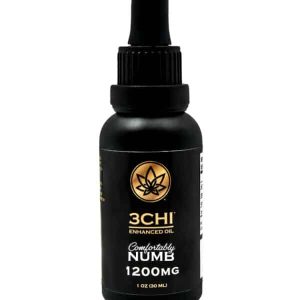
Cannabis Tincture
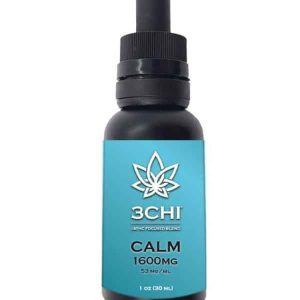
Cannabis Tincture
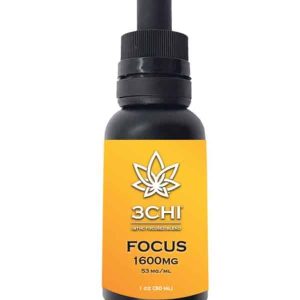
Cannabis Tincture
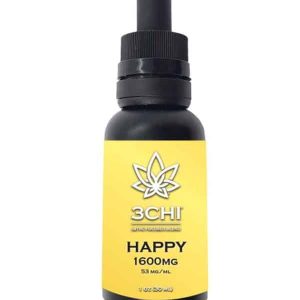
Cannabis Tincture
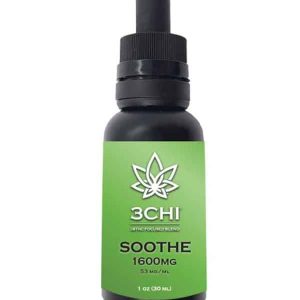
Cannabis Tincture
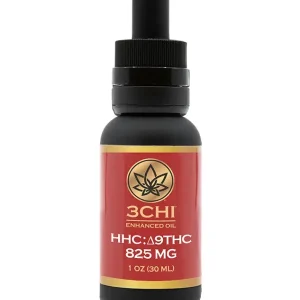
Cannabis Tincture
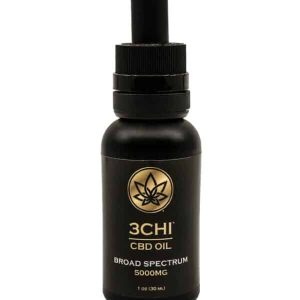
Cannabis Tincture