
Indica Strains
Indica strains are one of the most familiar categories in modern cannabis culture.
Walk into a licensed U.S. cannabis dispensary and products are frequently organized into three broad groups:
- indica;
- sativa;
- hybrid.
Indica products are commonly marketed using words such as relaxing, calming, sleepy, nighttime, or body-focused. Sativa products, by comparison, are frequently described as uplifting or energizing.
That familiar distinction is convenient, but cannabis science is considerably more complicated.
Questions such as “is indica a downer?”, “what is indica good for?”, “what is sativa good for?”, and “indica vs sativa leaf” cannot be answered accurately by assuming every plant carrying one label has the same chemistry or effects.
Modern cannabis effects depend heavily on factors such as:
- THC concentration;
- CBD concentration;
- minor cannabinoids;
- terpene composition;
- product format;
- individual sensitivity.
For more U.S.-focused educational information about cannabis strains and cannabinoids, explore Cannabistopgrade.com.
What Are Indica Strains?
The term indica strain is commonly used to describe cannabis cultivars associated historically with Cannabis indica classifications or genetics.
Traditional descriptions associate indica-type plants with:
- relatively compact growth;
- broader leaves;
- dense branching;
- shorter stature compared with classic sativa descriptions.
In modern retail cannabis, however, “indica” is often used more as an effect-oriented category.
Dispensaries frequently place products under indica when they are marketed as relaxing or appropriate for evening use.
These two concepts—botanical classification and commercial effect category—should not be treated as identical.
Indica vs. Sativa
The traditional cannabis distinction looks roughly like this:
| Characteristic | Indica | Sativa |
|---|---|---|
| Traditional plant form | Shorter/compact | Taller/elongated |
| Traditional leaves | Broader leaflets | Narrower leaflets |
| Retail reputation | Relaxing | Uplifting |
| Common marketing | Evening/night | Daytime |
| Guaranteed effect? | No | No |
| Reliable potency predictor? | No | No |
The final two rows are particularly important.
Neither indica nor sativa tells you exactly how much THC is present.
Indica vs. Sativa Leaf
One of the most searched visual distinctions is indica vs sativa leaf.
Traditional botanical descriptions often characterize indica-associated cannabis as having relatively broad leaflets.
Sativa-associated plants are typically depicted with longer and narrower leaflets.
A simplified comparison is:
Indica: broader, relatively shorter leaflets.
Sativa: longer, relatively narrower leaflets.
However, modern hybridization makes visual identification more complicated.
Can You Identify Indica From a Leaf?
Not with complete reliability.
Leaf morphology can provide clues about plant characteristics, but modern cannabis cultivars have been crossed extensively.
A plant can inherit traits from multiple genetic lines.
Therefore, one leaf photograph cannot reliably establish:
- cannabinoid concentration;
- THC percentage;
- terpene profile;
- psychoactive effects.
Appearance and chemistry are different things.
Why Indica Leaves Can Be Broader
Traditional explanations connect different cannabis plant forms partly with adaptation to different geographic environments.
Broad-leaf and narrow-leaf cannabis populations developed under different environmental and breeding pressures.
However, modern commercial strains have undergone extensive selective breeding.
The classic leaf distinction therefore becomes less precise when discussing contemporary hybrids.
Is Indica a Downer?
The question “is indica a downer?” comes from the common reputation of indica strains as relaxing or sedating.
But technically, calling all indica cannabis a downer is an oversimplification.
Cannabis is not neatly classified according to the everyday “upper versus downer” system.
THC can produce a mixture of effects involving:
- relaxation;
- euphoria;
- altered perception;
- impaired memory;
- increased heart rate;
- anxiety;
- sleepiness.
Responses can vary between individuals and products.
Does Indica Make You Sleepy?
Some people report sleepiness after using products marketed as indica.
That does not mean every indica reliably causes sleep.
Sleep-related response can depend on:
- THC exposure;
- CBD;
- terpene composition;
- tolerance;
- timing;
- individual physiology.
Current cannabis-and-sleep research is more complicated than the popular slogan:
“indica makes you sleepy.”
Indica and Sleep Research
Cannabis is commonly used by people who report sleep difficulties.
However, controlled research does not consistently show that cannabis improves every objective measure of sleep.
Studies have examined outcomes including:
- total sleep time;
- sleep onset;
- sleep efficiency;
- sleep stages;
- nighttime awakening.
Results vary.
Cannabis withdrawal is more consistently associated with sleep disturbance among frequent users.
Is Indica Better for Nighttime?
Some consumers prefer indica-labeled products in the evening because they associate them with relaxation.
That is a preference rather than a universal scientific rule.
A particular indica can still produce:
- anxiety;
- mental stimulation;
- uncomfortable intoxication;
- dizziness.
The chemical profile matters more than the category alone.
What Is Indica Good For?
The phrase “what is indica good for?” requires careful wording.
Cannabis marketing often associates indica strains with:
- relaxation;
- evening use;
- unwinding;
- sleep;
- physical comfort.
These are common consumer associations—not guaranteed medical benefits.
An indica strain should not automatically be described as a proven treatment for insomnia, anxiety or chronic pain simply because a dispensary labels it indica.
Indica and Relaxation
Relaxation is probably the characteristic most strongly associated with indica cannabis in popular culture.
THC can alter mood and perception, while other cannabinoids and aromatic compounds may influence the overall experience.
However, THC can also cause anxiety in susceptible individuals.
This means the same product may feel relaxing to one person and uncomfortable to another.
Indica and Pain
Cannabis and cannabinoids have been studied for several types of pain.
Some evidence suggests cannabinoids may provide modest benefit in certain chronic or neuropathic pain contexts, but results depend on the condition and formulation.
Importantly:
indica itself is not a pain medication category.
Evidence involving cannabinoids cannot automatically be converted into evidence that every indica strain treats pain.
Indica and Anxiety
People frequently report using cannabis to relax.
Yet THC can sometimes worsen:
- anxiety;
- panic;
- paranoia.
People researching cannabis for persistent anxiety should not assume an indica label guarantees an anti-anxiety response.
Indica and Stress
“Stress relief” is another common dispensary description.
Subjective relaxation can occur, but cannabis does not address every underlying cause of chronic stress.
Persistent or severe psychological symptoms deserve appropriate professional attention.
What Is Sativa Good For?
The supporting question “what is sativa good for?” is usually asked as the opposite of indica.
Sativa-labeled products are commonly marketed around:
- daytime use;
- creativity;
- sociability;
- energy;
- focus.
Again, these are retail and consumer associations.
They are not guaranteed medical effects.
Does Sativa Give You Energy?
Not necessarily.
A sativa product containing THC can still cause:
- impairment;
- distraction;
- anxiety;
- fatigue;
- sleepiness.
People should not treat a cannabis product as a stimulant simply because its package says sativa.
Sativa and Focus
Some cannabis consumers report feeling more focused after particular sativa strains.
THC, however, can interfere with:
- working memory;
- attention;
- reaction time.
Sativa cannabis should therefore not be presented as an established treatment for ADHD or concentration problems.
Sativa vs. Indica Effects
A traditional comparison might say:
Indica = relaxing
Sativa = energizing
A more scientifically cautious model is:
Cannabinoids + terpenes + potency + individual biology = experienced effects
This model better explains why two people can react differently to the same strain.
Why Indica and Sativa Labels Are Imperfect
Modern cannabis has been extensively hybridized.
Genetic research has also shown that commercial labels do not always correspond neatly to distinct genetic or chemical categories.
Two products labeled indica can have substantially different chemical profiles.
Meanwhile, an indica and a hybrid can potentially have more similar cannabinoid or terpene profiles than their category names suggest.
Cannabinoids Matter
Cannabis produces numerous cannabinoids.
The most familiar are:
- THC;
- CBD.
But researchers have identified many others.
Different cannabinoid combinations can contribute to differences between cannabis products.
THC in Indica Strains
THC is the principal intoxicating cannabinoid in marijuana.
An indica can have:
- relatively modest THC;
- moderate THC;
- high THC.
The word indica does not predict the number.
Consumers should check the actual regulated label.
CBD in Indica Strains
Some indica cultivars can contain CBD.
Others contain very little.
Again, classification alone cannot determine cannabinoid composition.
Terpenes and Indica Cannabis
Terpenes are aromatic compounds found in cannabis and many other plants.
Common cannabis terpenes include:
- myrcene;
- caryophyllene;
- limonene;
- linalool;
- pinene.
Different indica strains can have different terpene profiles.
Myrcene
Myrcene is often discussed in relation to indica cannabis.
It can contribute earthy, herbal and musky aromas.
However, the popular claim that myrcene automatically makes cannabis sedating is too simplistic.
A product’s overall chemistry matters.
Linalool
Linalool is associated with floral and lavender-like aromas.
It appears in cannabis as well as other plants.
Its presence can contribute to aroma, but a linalool-containing cannabis product should not automatically be described as a treatment for anxiety or insomnia.
Caryophyllene
Beta-caryophyllene contributes peppery and spicy aromatic characteristics.
It is also found naturally in black pepper.
Many indica, sativa and hybrid cannabis strains contain caryophyllene.
It is not exclusive to indica.
Popular Indica Strains
There is no scientifically established ranking of the “best” indica strains.
However, several varieties are frequently associated with the indica category in U.S. cannabis culture.
Examples include:
- Northern Lights
- Granddaddy Purple
- Hindu Kush
- Afghan Kush
- Black Domina
- Purple Kush
- Kosher Kush
- LA Confidential
- Bubba Kush
- Critical Kush
Exact cannabinoid and terpene profiles vary among producers and batches.
Northern Lights
Northern Lights is one of the most recognizable indica-associated strain names.
It has influenced numerous modern hybrids.
Retail descriptions frequently associate Northern Lights with relaxation and sleepiness.
Those descriptions should still be interpreted as common reports rather than guaranteed effects.
Granddaddy Purple
Granddaddy Purple is another famous indica-associated cultivar.
It is commonly recognized for purple coloration and sweet or grape-like aromatic descriptions.
Color does not determine potency.
Afghan Kush
Afghan Kush belongs to the broader family of cannabis genetics historically associated with Afghanistan and surrounding regions.
Afghani-type plants have played a significant role in modern indica and hybrid breeding.
Purple Kush
Purple Kush is widely recognized as an indica strain.
Like other purple cannabis varieties, coloration can be influenced by genetics and plant pigments known as anthocyanins.
Purple cannabis is not automatically stronger than green cannabis.
Black Domina
Black Domina is another indica-associated cultivar with ancestry involving multiple established cannabis lines.
Commercial batches can vary in THC and terpene composition.
Kosher Kush
Kosher Kush is generally categorized as indica.
It is commonly associated with earthy and woody aromatic characteristics and a relaxing retail reputation.
Again, the laboratory label is more informative than reputation alone.
LA Confidential
LA Confidential is another well-known indica.
It is frequently marketed as relaxing or sleepy.
That reputation does not guarantee the same response for every consumer.
Bubba Kush
Bubba Kush has been influential in Kush-associated cannabis culture.
It is commonly marketed as an indica or indica-dominant cultivar.
Individual products can still vary considerably.
Best Indica Strains
The phrase best indica strains is inherently subjective.
A better evaluation considers:
- THC;
- CBD;
- terpene profile;
- laboratory testing;
- freshness;
- individual THC sensitivity.
The highest THC percentage should not automatically win.
Indica Strains Comparison
| Strain | Common Market Category | Often-Described Aroma |
|---|---|---|
| Northern Lights | Indica | Earthy/pine |
| Granddaddy Purple | Indica | Grape/sweet |
| Afghan Kush | Indica | Earthy/woody |
| Purple Kush | Indica | Earthy/sweet |
| Black Domina | Indica | Pepper/woody |
| Kosher Kush | Indica | Earthy/woody |
| LA Confidential | Indica | Pine/skunk |
| Bubba Kush | Indica | Earthy/coffee |
These descriptions are broad references, not guarantees for every batch.
Indica Does Not Mean Low Risk
Calling cannabis indica does not make it safer than sativa.
THC-rich products can produce:
- impairment;
- anxiety;
- confusion;
- poor coordination;
- memory problems.
Potency and individual response matter.
Indica and Driving
No indica strain should be considered safe for driving while impaired.
THC can interfere with:
- judgment;
- reaction time;
- coordination;
- perception.
Feeling relaxed does not mean someone is unimpaired.
Indica and Alcohol
Combining cannabis with alcohol can increase impairment.
This applies regardless of whether the cannabis product is labeled:
- indica;
- sativa;
- hybrid.
Indica and Cannabis Use Disorder
Cannabis use disorder can occur with repeated cannabis use.
Potential warning signs include:
- craving;
- tolerance;
- difficulty reducing use;
- continued use despite problems.
The strain category does not eliminate this possibility.
Indica Flower vs. Concentrates
The same indica strain name may appear as:
- flower;
- pre-roll;
- hash;
- live resin;
- rosin;
- vape concentrate.
These products can have dramatically different THC concentrations.
A strain name does not make different product formats equivalent.
Indica Edibles
Some gummies and other edibles are marketed as indica.
This classification should be interpreted cautiously.
Once cannabinoids have been extracted and formulated into an edible, the product’s actual cannabinoid and terpene composition becomes especially important.
Reading an Indica Cannabis Label
Useful regulated product information can include:
- THC;
- CBD;
- cannabinoid content;
- batch number;
- testing information;
- package date;
- terpene information when available.
This information is generally more useful than relying solely on the word indica.
U.S. Laws for Indica Cannabis
Cannabis law does not generally become different because marijuana is labeled indica rather than sativa.
Instead, laws can regulate:
- marijuana possession;
- medical cannabis;
- adult-use retail;
- concentrates;
- cultivation;
- delivery;
- public consumption.
Rules vary substantially among states.
Licensed Cannabis Dispensaries
In jurisdictions permitting marijuana sales, consumers can verify retailers through applicable state cannabis regulators.
A strain menu or professional-looking website does not by itself establish that a retailer is licensed.
Interstate Cannabis
Buying indica cannabis legally in one state does not automatically authorize transporting it into another jurisdiction.
State legalization should not be confused with unrestricted interstate cannabis legality.
Educational Resources
For additional U.S.-focused cannabis strain and cannabinoid education, explore Cannabistopgrade.com.
Regarding public-health information about cannabis and THC, consult CDC Cannabis and Public Health.
For information about cannabis and brain function, see CDC Cannabis and Brain Health.
Regarding current state cannabis legislation and policy differences, consult the NCSL State Cannabis Policy Enactment Database.
Readers can continue exploring indica, sativa, hybrids, THC, CBD and cannabis strains through Cannabistopgrade.com.
Frequently Asked Questions
1. What are indica strains?
Indica strains are cannabis cultivars marketed under the indica category and historically associated with broad-leaf, relatively compact cannabis populations. Modern indica labels do not guarantee specific chemistry or effects.
2. Is indica a downer?
Calling indica a downer is an oversimplification. Indica products are commonly associated with relaxation or sleepiness, but THC can produce multiple effects and individual responses vary.
3. What is indica good for?
Consumers commonly associate indica strains with relaxation, evening use and unwinding. These associations should not be interpreted as proof that every indica treats insomnia, anxiety, pain or another medical condition.
4. What is sativa good for?
Sativa strains are commonly marketed around daytime use, energy, creativity and sociability. These effects are not guaranteed, and THC can still impair attention, memory and driving ability.
5. What is the difference between an indica vs. sativa leaf?
Traditional indica-type cannabis is associated with broader leaflets, while traditional sativa-type plants are associated with longer, narrower leaflets. Extensive modern hybridization means leaf shape alone cannot reliably determine a strain’s chemistry or effects.
6. Does indica always make you sleepy?
No. Some people report sleepiness from indica-labeled products, but the response depends on cannabinoid composition, potency, individual biology and other factors. The indica label alone cannot guarantee sedation.
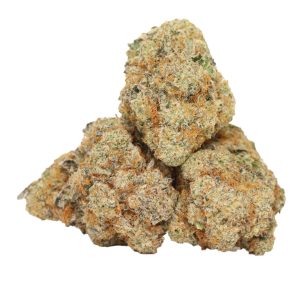
Indica strains
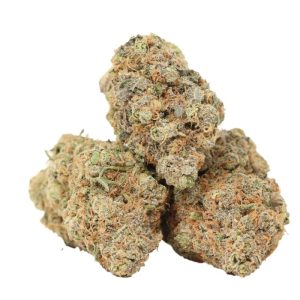
Indica strains
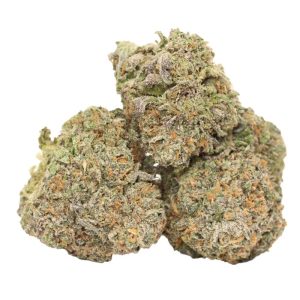
Indica strains
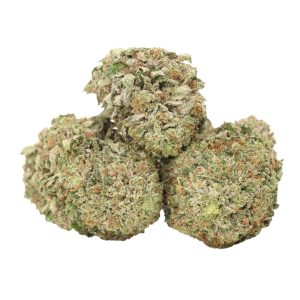
Indica strains
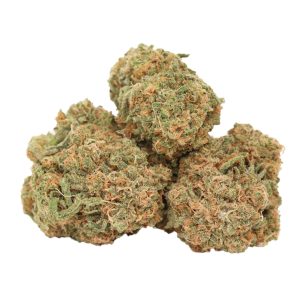
Indica strains
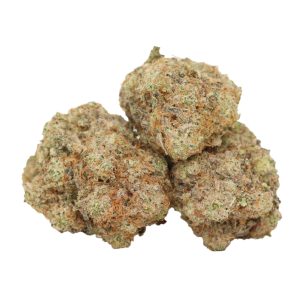
Indica strains
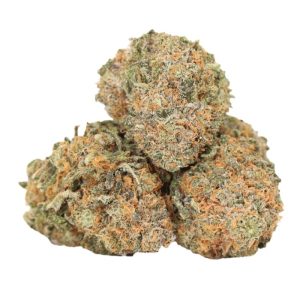
Indica strains
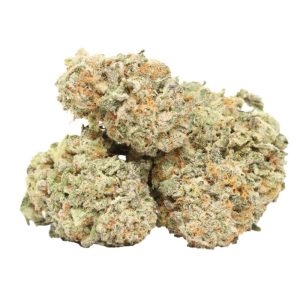
Indica strains
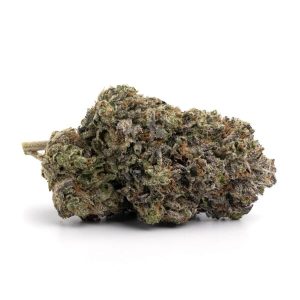
Indica strains
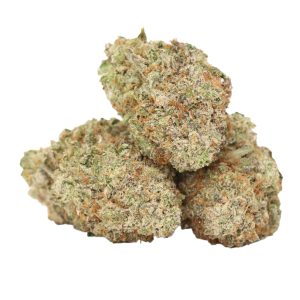
Indica strains
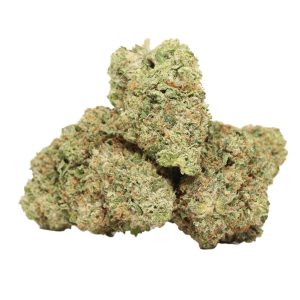
Indica strains
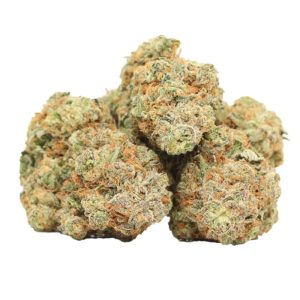
Indica strains