
Hybrid Cannabis Strains
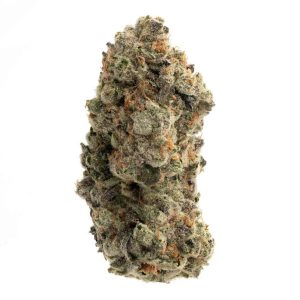
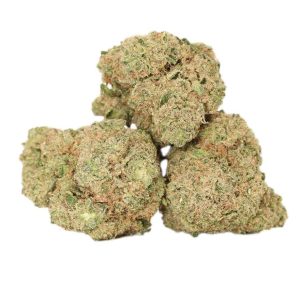
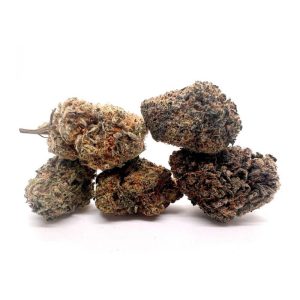
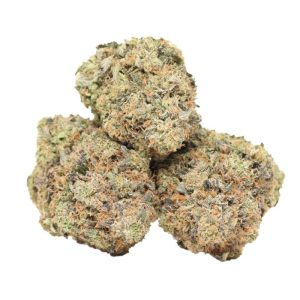
Hybrid cannabis strains dominate much of the modern U.S. cannabis market.
Walk through the menu of a licensed dispensary and products may be categorized as indica, sativa or hybrid. Within the hybrid category, consumers can encounter additional descriptions such as:
- sativa-dominant hybrid;
- indica-dominant hybrid;
- balanced hybrid;
- 50/50 hybrid;
- sativa hybrid strains.
But these familiar labels can make cannabis genetics appear simpler than they actually are.
Most modern commercial cannabis varieties have complex ancestry created through generations of breeding. A strain marketed as a hybrid can inherit characteristics from numerous genetic lines.
More importantly, calling a strain hybrid does not guarantee exactly how it will affect every person.
Cannabinoid concentration, terpene composition, individual sensitivity and product potency can provide more useful information than the category alone.
For additional U.S.-focused strain and cannabinoid education, explore Cannabistopgrade.com.
What Are Hybrid Cannabis Strains?
A hybrid cannabis strain generally refers to cannabis bred from genetic lines historically associated with different cannabis varieties.
In commercial terminology, hybrids are commonly classified as:
Sativa-dominant hybrid — marketed as showing more characteristics associated with sativa ancestry.
Indica-dominant hybrid — marketed as showing more characteristics associated with indica ancestry.
Balanced hybrid — marketed as having a relatively balanced genetic background.
However, these descriptions are not pharmaceutical classifications.
There is no universal rule requiring every product called a “70% sativa hybrid,” for example, to produce a particular chemical profile or experience.
Hybrid Weed Strains Explained
The phrase hybrid weed strains essentially describes the same broad commercial category as hybrid cannabis strains.
Cannabis breeders cross plants for many reasons.
They may select for characteristics involving:
- cannabinoid production;
- aroma;
- terpene profile;
- plant structure;
- flowering characteristics;
- resistance to environmental stress;
- appearance.
Generations of selective breeding can produce cultivars that differ substantially from either parent.
Indica vs. Sativa vs. Hybrid
The familiar three-category system remains widely used by dispensaries, but it has limitations.
| Category | Traditional Market Description | Important Limitation |
|---|---|---|
| Sativa | Often marketed as uplifting | Does not guarantee stimulation |
| Indica | Often marketed as relaxing | Does not guarantee sedation |
| Hybrid | Combination of genetic lines | Effects vary substantially |
| Sativa-dominant hybrid | Hybrid marketed toward sativa ancestry | Ratio does not predict exact effects |
| Indica-dominant hybrid | Hybrid marketed toward indica ancestry | Chemistry still matters |
A consumer should therefore avoid assuming that every sativa will be energizing or every indica will cause sleepiness.
Why Most Modern Cannabis Is Hybridized
Cannabis has been selectively bred for generations.
Breeders repeatedly cross plants displaying desirable characteristics and then select offspring expressing particular traits.
This has created extensive genetic mixing throughout commercial cannabis.
As a result, many modern strains sold as indica or sativa also contain complicated hybrid ancestry.
What Are Sativa-Dominant Hybrid Strains?
Sativa-dominant hybrid strains are hybrids marketed as having stronger sativa-associated genetic characteristics.
Dispensary descriptions often associate these strains with daytime use or terms such as:
- uplifting;
- creative;
- energetic;
- focused.
These descriptions should be treated as general market characterizations rather than guaranteed pharmacological outcomes.
A high-THC sativa-dominant hybrid can still cause:
- impairment;
- anxiety;
- memory changes;
- sleepiness;
- dizziness
in some individuals.
What Are Sativa Hybrid Strains?
The term sativa hybrid strains usually refers to hybrids with meaningful ancestry from cannabis lines traditionally classified as sativa.
Examples commonly discussed in this broad category include strains related to:
- Haze;
- Sour Diesel;
- Jack Herer;
- Trainwreck;
- Blue Dream.
Actual classifications can vary between databases, breeders and producers.
What Are Indica-Dominant Hybrids?
Indica-dominant hybrids combine multiple genetic lines but are marketed as expressing more characteristics traditionally associated with indica varieties.
Retail descriptions frequently associate them with:
- relaxation;
- evening use;
- physical calm;
- sleepiness.
Again, these are not guarantees.
Individual response and chemical composition remain important.
What Is a Balanced Hybrid?
A balanced hybrid is generally marketed as falling somewhere between traditional indica and sativa categories.
You may see descriptions such as:
50% indica / 50% sativa.
These percentages can be useful for discussing ancestry, but they should not be interpreted like laboratory measurements of psychoactive effects.
A laboratory cannot determine that a product will make someone “50% relaxed and 50% energetic.”
Popular Hybrid Cannabis Strains
People searching best hybrid strains or top 10 hybrid strains are usually looking for recognizable varieties with established reputations.
There is no scientifically objective “best” hybrid.
Preferences depend on:
- cannabinoid tolerance;
- desired aroma;
- terpene profile;
- THC sensitivity;
- legal product availability;
- individual response.
Nevertheless, several hybrids have become especially recognizable in U.S. cannabis culture.
1. Blue Dream
Blue Dream is one of the most recognizable American hybrid cannabis strains.
It is commonly classified as a sativa-dominant hybrid.
Its ancestry is widely associated with:
Blueberry × Haze
Blue Dream is often described as having:
- berry;
- blueberry;
- sweet
aromas.
Commercial examples can differ in potency and terpene composition.
2. GSC — Girl Scout Cookies
GSC, historically known as Girl Scout Cookies, became highly influential in modern cannabis breeding.
It is generally categorized as a hybrid.
Its ancestry is commonly associated with an OG Kush-related line crossed with Durban genetics.
GSC has also contributed genetics to numerous newer strains.
3. Wedding Cake
Wedding Cake is another widely recognized modern hybrid.
Its ancestry is commonly associated with:
Triangle Kush × Animal Mints
Commercial descriptions frequently emphasize:
- vanilla;
- pepper;
- sweet;
- earthy
characteristics.
Wedding Cake can contain substantial THC, depending on the batch.
4. Gelato
Gelato became one of the defining modern hybrid families.
Its genetics have contributed to numerous descendants and crosses.
Gelato-related strains are often recognized for dessert-like aromas and colorful flowers.
Different Gelato phenotypes can vary substantially.
5. Trainwreck
Trainwreck is commonly categorized as a hybrid with strong sativa-associated characteristics.
It has a long-standing reputation in American cannabis culture.
Commonly reported aroma descriptions include:
- pine;
- earthy;
- woody.
Individual batches can differ.
6. Pineapple Express
Pineapple Express became exceptionally recognizable partly because of popular culture.
It is generally categorized as a sativa-leaning hybrid.
The name is frequently associated with:
- tropical;
- pineapple;
- citrus
aroma descriptions.
Its cultural fame should not be confused with standardized chemistry across every product carrying the name.
7. Runtz
Runtz became an important modern hybrid family.
Its ancestry is commonly associated with:
Zkittlez × Gelato
Numerous Runtz crosses now exist.
Consequently, a product simply labeled “Runtz” should not be assumed chemically identical to every other Runtz-labeled product.
8. MAC
MAC, often expanded as Miracle Alien Cookies, is another popular hybrid family.
Different growers and phenotypes can produce variation in:
- THC;
- terpene profiles;
- aroma;
- appearance.
This again demonstrates why strain name alone is insufficient.
9. OG Kush
OG Kush has influenced an enormous number of modern hybrids.
Its exact historical origins remain debated, but its genetic influence on American cannabis breeding is substantial.
Many modern Kush-related hybrids trace at least part of their ancestry to OG-associated lines.
10. Gorilla Glue #4 / GG4
GG4 is another widely recognized hybrid.
The strain became known for high resin production and potentially substantial THC concentrations.
Like other high-THC hybrids, individual product testing matters more than reputation alone.
Top 10 Hybrid Strains Comparison
| Popular Hybrid | Broad Market Category | Commonly Associated Character |
|---|---|---|
| Blue Dream | Sativa-dominant hybrid | Berry/sweet |
| GSC | Hybrid | Sweet/earthy |
| Wedding Cake | Hybrid | Vanilla/pepper |
| Gelato | Hybrid | Sweet/dessert |
| Trainwreck | Sativa-leaning hybrid | Pine/earthy |
| Pineapple Express | Sativa-leaning hybrid | Tropical/citrus |
| Runtz | Hybrid | Sweet/fruity |
| MAC | Hybrid | Complex/earthy |
| OG Kush | Hybrid | Earthy/pine |
| GG4 | Hybrid | Earthy/pungent |
Important: This is a selection of prominent strains for educational comparison, not a scientifically validated ranking from #1 to #10.
What Makes the “Best Hybrid Strains”?
There is no universal answer.
A better way to evaluate hybrid strains is to examine measurable characteristics.
These include:
- THC percentage;
- CBD percentage;
- minor cannabinoids;
- dominant terpenes;
- laboratory testing;
- product freshness.
The “best hybrid” for one person’s preferences may be inappropriate for another.
THC in Hybrid Cannabis Strains
THC concentrations vary enormously among hybrid strains.
Even two products carrying the exact same strain name can test differently.
For example:
Strain A from Grower 1 ≠ automatically identical to Strain A from Grower 2.
Environmental conditions, genetics, harvest timing, storage and processing can all influence the final product.
High-THC Hybrid Strains
Some modern hybrids have been selected partly for high THC production.
Higher THC can produce stronger intoxication.
Potential effects can include changes in:
- memory;
- attention;
- coordination;
- perception;
- reaction time.
High THC should not automatically be interpreted as high quality.
CBD in Hybrid Strains
Not every hybrid is THC-dominant.
Some cultivars contain meaningful CBD concentrations.
CBD does not produce THC’s characteristic intoxicating high, although it remains biologically active.
The cannabinoid label provides more useful information than assuming CBD content from the strain’s indica/sativa classification.
Terpenes in Hybrid Cannabis
Terpenes are aromatic compounds found throughout nature.
Cannabis can contain numerous terpenes.
Frequently discussed examples include:
- myrcene;
- limonene;
- caryophyllene;
- pinene;
- linalool;
- terpinolene.
Terpene profiles can differ even among batches carrying the same strain name.
Myrcene
Myrcene can contribute earthy, herbal or musky aromatic characteristics.
It occurs in cannabis as well as other plants.
Claims that myrcene automatically makes every cannabis product sedating oversimplify the available evidence.
Limonene
Limonene contributes citrus-associated aromas and occurs naturally in citrus peels and other plants.
It is common in many cannabis cultivars.
Its presence alone does not guarantee an uplifting experience.
Caryophyllene
Beta-caryophyllene is associated with peppery or spicy aromas.
It is also found in substances such as black pepper.
Cannabis products containing caryophyllene can still differ dramatically in overall effects.
Pinene
Pinene is associated with pine-like aromas.
It occurs widely in nature.
Again, the presence of one terpene does not determine the entire cannabis experience.
Terpinolene
Terpinolene appears prominently in several Haze- and Jack-associated cultivars.
It can contribute complex herbal, floral and citrus-like aromas.
Some sativa-dominant hybrids contain substantial terpinolene.
Do Sativa-Dominant Hybrids Give You Energy?
Not reliably.
Dispensary descriptions frequently associate sativa-dominant hybrids with energetic or uplifting experiences.
However, cannabis does not affect everyone identically.
A product marketed as energizing can cause another person to feel:
- relaxed;
- anxious;
- distracted;
- tired.
THC concentration and individual sensitivity matter.
Do Hybrid Strains Make You Sleepy?
Some can.
But hybrid itself does not mean sleepy.
A person’s response can depend on:
- cannabinoid composition;
- terpene profile;
- THC exposure;
- tolerance;
- individual physiology.
Recent sleep research also does not support the simplistic idea that every indica reliably improves sleep while every sativa prevents it.
Are Hybrid Strains Better for Daytime?
There is no universal daytime cannabis category.
Some consumers prefer products marketed as sativa-dominant during daytime hours, but THC can still impair attention, reaction time and judgment.
A product being labeled “daytime” does not mean it is compatible with driving or safety-sensitive work.
Hybrid Cannabis and Anxiety
THC can produce very different psychological responses.
Some consumers report relaxation.
Others can experience:
- anxiety;
- paranoia;
- panic;
- confusion.
High THC exposure can increase unwanted effects in susceptible individuals.
Hybrid Cannabis and Memory
THC can temporarily interfere with short-term memory and learning.
The hybrid label does not remove this effect.
A strain marketed for creativity or productivity can still impair certain cognitive functions.
Hybrid Cannabis and Driving
No hybrid strain should be treated as a “driving strain.”
THC can impair:
- coordination;
- judgment;
- reaction time;
- perception.
Do not drive while impaired by cannabis.
Hybrid Cannabis and Medical Claims
Hybrid strains are sometimes marketed for:
- pain;
- anxiety;
- insomnia;
- depression;
- PTSD;
- ADHD.
A strain name should not be treated as a medical diagnosis or prescription.
Research into cannabinoids continues, but dispensary descriptions and user reviews are not substitutes for clinical evidence.
Strain Names Are Not Medical Formulas
Consider two jars labeled Blue Dream.
One may contain:
- 17% THC;
- one dominant terpene profile.
Another might contain:
- substantially different THC;
- different minor cannabinoids;
- a different terpene balance.
The shared strain name does not guarantee pharmaceutical consistency.
Why Laboratory Labels Matter
Consumers in regulated markets can learn more from laboratory and package information than from indica/sativa terminology alone.
Useful information can include:
- total THC;
- CBD;
- cannabinoid profile;
- terpene information where available;
- batch number;
- testing information;
- package date.
Flower vs. Hybrid Concentrates
Hybrid strain names can appear across different cannabis products.
For example, a single strain might appear as:
- flower;
- pre-roll;
- live resin;
- rosin;
- vape;
- edible.
These products are not equivalent merely because they share a strain name.
Extraction and formulation can substantially change cannabinoid concentration and how the product is experienced.
Hybrid Strains and Cannabis Edibles
An edible may use extract originating from a hybrid cultivar.
However, indica/sativa/hybrid labels become especially difficult to interpret once cannabis is extracted and formulated into food.
Actual cannabinoid content remains important.
Hybrid Strains at Licensed Dispensaries
Where state law permits cannabis retail, licensed dispensaries may categorize products according to:
- indica;
- sativa;
- hybrid.
Consumers can use official state regulatory resources to verify whether a cannabis retailer is licensed.
A professional website or strain menu alone does not prove legal authorization.
Hybrid Weed Strains Near Me
Searches for hybrid weed strains near me usually have local retail intent.
In legal U.S. markets, official state cannabis regulators are useful for confirming whether a retailer is licensed before relying on its menu.
Rules vary by state and locality.
U.S. Cannabis Laws
Cannabis laws differ significantly across the United States.
Depending on the jurisdiction, laws can regulate:
- possession;
- adult-use sales;
- medical marijuana;
- home cultivation;
- concentrates;
- delivery;
- public consumption.
Consumers should check current local regulations.
Hybrid Cannabis and Interstate Travel
Purchasing cannabis legally in one state does not automatically authorize transporting it into another jurisdiction.
State legalization should not be interpreted as unrestricted interstate cannabis legality.
This remains important even when cannabis is legal on both sides of a state border.
Cannabis Use Disorder
Frequent cannabis use can contribute to cannabis use disorder in some individuals.
Potential signs include:
- craving;
- tolerance;
- difficulty reducing use;
- continued use despite negative consequences.
The words indica, sativa or hybrid do not eliminate this risk.
Educational Resources
For additional U.S.-focused education about cannabis strains, cannabinoids and legal markets, explore Cannabistopgrade.com.
Concerning public-health information about cannabis and its effects, consult CDC Cannabis and Public Health.
For information about cannabis effects on brain function, explore CDC Cannabis and Brain Health.
Regarding current information about state cannabis legislation, consult the NCSL State Cannabis Policy Enactment Database.
Readers can continue researching hybrid strains, THC, CBD, terpenes and U.S. cannabis terminology through Cannabistopgrade.com.
Frequently Asked Questions
1. What are hybrid cannabis strains?
Hybrid cannabis strains are cultivars produced from mixed cannabis genetic lines. Modern hybrids can be described as sativa-dominant, indica-dominant or balanced, although these categories do not reliably predict exact effects.
2. What are sativa-dominant hybrid strains?
Sativa-dominant hybrids are strains marketed as having stronger sativa-associated ancestry or characteristics. They are frequently described as uplifting or energetic, but those effects are not guaranteed for every person.
3. What are the best hybrid strains?
There is no scientifically established single best hybrid. Popular examples include Blue Dream, GSC, Wedding Cake, Gelato, Trainwreck, Runtz, MAC and GG4. Product chemistry and individual preferences are more informative than rankings alone.
4. What are some popular sativa hybrid strains?
Blue Dream, Trainwreck and Pineapple Express are commonly discussed as sativa-leaning or sativa-dominant hybrids. Exact classification can vary by breeder and source.
5. Are hybrid strains stronger than indica or sativa?
Not necessarily. THC and other cannabinoid concentrations vary by individual product. A hybrid can contain more or less THC than a product marketed as either indica or sativa.
6. Do hybrid cannabis strains make you sleepy or energetic?
Either response is possible. The hybrid label alone cannot reliably predict whether someone will feel sleepy, relaxed, stimulated or anxious. Cannabinoid composition, product potency and individual response all matter.
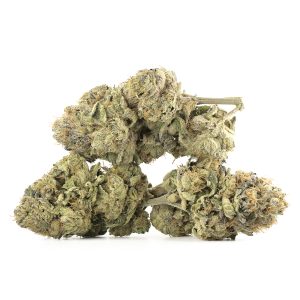
Hybrid cannabis strains
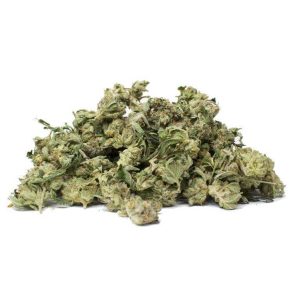
Hybrid cannabis strains
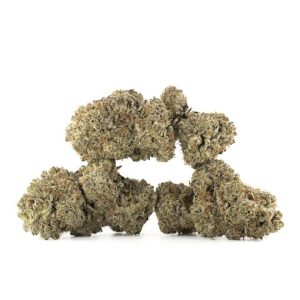
Hybrid cannabis strains
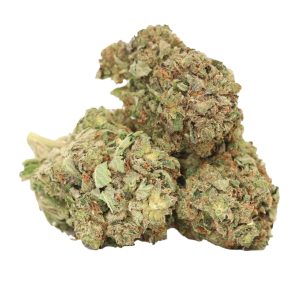
Hybrid cannabis strains
Hybrid cannabis strains
Hybrid cannabis strains
Hybrid cannabis strains
Hybrid cannabis strains
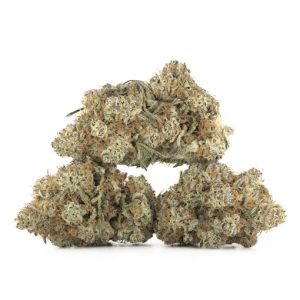
Hybrid cannabis strains
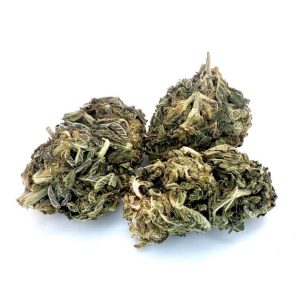
Hybrid cannabis strains
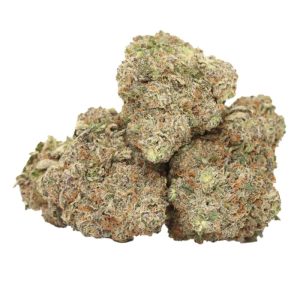
Hybrid cannabis strains
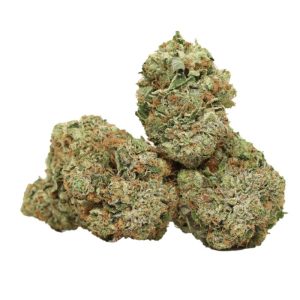
Hybrid cannabis strains