
Uncategorized
Dabbing and Dab Rigs
Sep
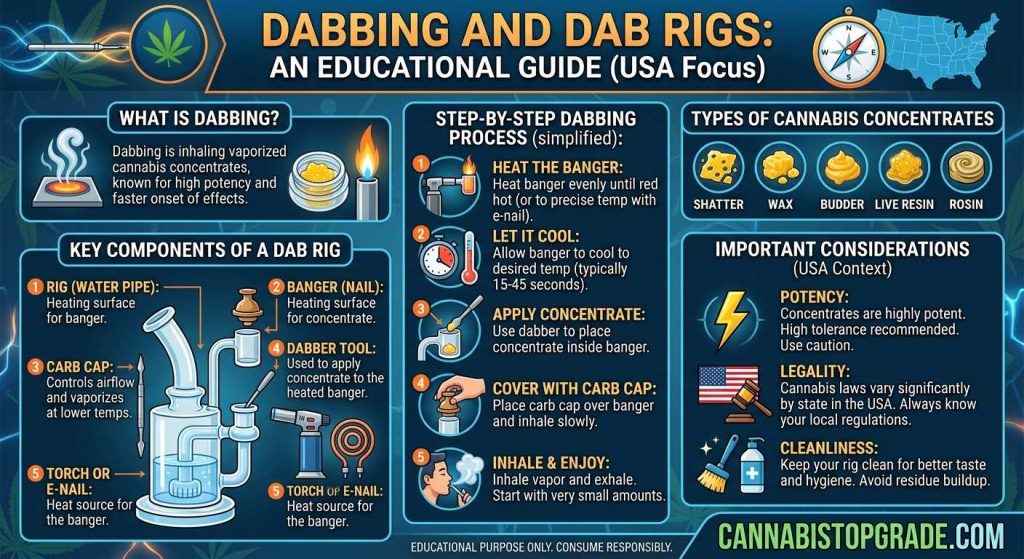
Dabbing and Dab Rigs are terms associated with concentrated cannabis products that can contain substantially higher concentrations of THC than conventional marijuana flower. Concentrates appear under names such as live resin, shatter, rosin, wax, budder, crumble, and cannabis oil, and their chemistry and consistency can differ considerably.
A dab rig is specialized equipment associated with vaporizing certain cannabis concentrates. Because concentrates can deliver large amounts of THC, understanding potency, labeling, product testing, impairment, and respiratory considerations is more important than treating dabbing as simply another version of smoking flower.
This guide provides general educational information rather than instructions for maximizing intoxication or manufacturing cannabis concentrates.
It also explains related searches such as live resin shatter for sale, weed nug, OG Kush dispensary, rosin vape, weed resin, and weed coupons within the context of regulated U.S. cannabis markets.
For additional U.S.-focused cannabis education, explore Cannabistopgrade.com.
What Is Dabbing?
Dabbing generally refers to consuming a cannabis concentrate using equipment designed to heat the concentrate so that an aerosol or vapor can be inhaled.
The important distinction is concentration.
Traditional cannabis flower contains cannabinoids distributed throughout resin-rich floral material.
A cannabis concentrate removes or concentrates many of those compounds into a much smaller amount of material.
As a result, concentrates can contain substantially higher THC concentrations than flower.
Dabbing and Dab Rigs Quick Comparison
| Feature | Cannabis Flower | Cannabis Concentrate |
|---|---|---|
| Typical form | Dried flower | Resin, rosin, wax, shatter, oil |
| THC concentration | Usually lower | Often substantially higher |
| Common equipment | Joint, pipe, vaporizer | Dab rig or concentrate vaporizer |
| Terpenes | Naturally present | Varies by extraction/product |
| Intoxication potential | Product dependent | Often greater per amount |
| Testing importance | High | Especially important |
| Impairment risk | Yes | Yes, potentially substantial |
Product-specific laboratory information remains essential.
What Is a Dab Rig?
A dab rig is a device designed for inhaling vapor or aerosol produced from cannabis concentrates.
Its appearance can resemble a glass water pipe, but it is configured for concentrates rather than conventional dried flower.
Different designs exist.
The term can refer broadly to traditional glass rigs as well as electronic concentrate devices.
Dab Rig vs. Bong
A bong is traditionally associated with cannabis flower.
A dab rig is primarily associated with concentrates.
The distinction matters because flower and concentrates can have dramatically different cannabinoid concentrations.
A concentrate should not be treated as equivalent to the same amount of flower.
What Is a Dab?
A “dab” is an informal term for an amount of cannabis concentrate.
There is no universally standardized cannabinoid quantity represented by the word.
One product can have a substantially different THC concentration from another.
For that reason, the word “dab” alone provides little information about actual exposure.
Why Cannabis Concentrates Can Be Potent
Concentrates are designed to concentrate components found in cannabis resin.
Depending on the product, they can contain high concentrations of:
- THC;
- THCA;
- other cannabinoids;
- terpenes.
This can make cannabinoid exposure substantially different from ordinary flower.
What Is Weed Resin?
Weed resin is an informal term that can refer to resinous material associated with cannabis.
The terminology can become confusing because several different materials are sometimes called resin.
Fresh cannabis flowers naturally contain resin-rich glandular trichomes.
Commercial products may also carry names such as:
- live resin;
- cured resin;
- resin concentrate.
These should not be confused automatically with residue accumulated inside smoking equipment.
Cannabis Resin and Trichomes
Cannabis resin is strongly associated with glandular trichomes.
Trichomes are tiny structures concentrated around female cannabis flowers.
They contain many of the compounds associated with cannabis, including:
- cannabinoids;
- terpenes;
- other plant constituents.
Under magnification, trichomes can give cannabis flower a crystalline or frosted appearance.
What Is Live Resin?
Live resin is a cannabis concentrate category designed around preserving compounds from plant material processed differently from conventionally dried and cured flower.
It is commonly valued for aromatic characteristics.
Live resin products can vary in:
- THC;
- THCA;
- terpene concentration;
- texture;
- consistency.
The word “live” does not mean the product is safer or less intoxicating.
What Is Shatter?
Shatter is a cannabis concentrate named for its typically brittle, glass-like appearance.
Its texture distinguishes it from softer concentrate forms such as:
- wax;
- budder;
- sauce.
Shatter can contain high cannabinoid concentrations.
Its appearance alone cannot establish purity or safety.
Live Resin vs. Shatter
Shatter and Live Resin describe different concentrate characteristics.
Live resin emphasizes how the starting cannabis material and aromatic compounds are handled.
Shatter primarily describes a physical consistency.
A concentrate can therefore be evaluated according to more than one characteristic.
Live Resin Shatter for Sale
The phrase live resin shatter for sale reflects commercial cannabis-concentrate search intent.
Where cannabis concentrate retail is lawful, such products may appear on licensed dispensary menus.
Consumers should pay attention to:
- retailer licensing;
- THC concentration;
- cannabinoid labeling;
- contaminant testing;
- producer information;
- package date.
An online listing does not establish that a seller or shipment is legal.
Live Resin vs. Live Rosin
These names sound similar but describe different concentrate categories.
Live resin is generally associated with extraction processes involving solvents.
Live rosin is associated with solventless mechanical processing.
Both can contain substantial THC.
“Solventless” should not be interpreted as meaning risk-free or non-intoxicating.
What Is Rosin?
Rosin is a cannabis concentrate produced through mechanical pressure and heat rather than conventional hydrocarbon solvent extraction.
Commercial rosin can include:
- flower rosin;
- hash rosin;
- live rosin.
The exact chemistry depends on the starting material and finished product.
What Is a Rosin Vape?
A rosin vape is a vaporizer product containing a formulation derived from cannabis rosin.
Live rosin vape products have become particularly visible in regulated cannabis markets.
A regulated rosin vape label can provide information about:
- THC;
- other cannabinoids;
- ingredients;
- producer;
- testing;
- package information.
Rosin Vape vs. Distillate Vape
A distillate vape and rosin vape can differ considerably.
Distillate is highly refined cannabinoid material that can be combined with terpene formulations.
Rosin is associated with mechanically extracted cannabis resin.
Neither category is automatically safer simply because of its name.
Rosin Vape vs. Live Resin Vape
A live resin vape contains concentrate derived from live-resin processing.
A rosin vape uses rosin-derived material.
Both can deliver substantial amounts of THC.
Actual product chemistry matters more than marketing terminology.
What Is Wax?
Cannabis wax is a concentrate category generally characterized by a softer, wax-like consistency.
Names describing concentrate texture include:
- wax;
- budder;
- crumble;
- shatter.
Texture does not reveal the exact cannabinoid concentration.
What Is Budder?
Budder is a softer cannabis concentrate with a whipped or creamy consistency.
It can contain substantial THC.
The name describes texture rather than one universal cannabinoid formula.
What Is Crumble?
Crumble is a concentrate characterized by a relatively dry, crumbly consistency.
Like other concentrates, potency can vary substantially.
A laboratory report provides more useful information than texture.
What Is Cannabis Sauce?
“Sauce” generally refers to a concentrate with a fluid or semi-fluid consistency that can contain substantial terpene-rich material and cannabinoids.
Commercial terminology varies.
Consumers should rely on regulated labeling rather than assuming all “sauce” products have the same chemistry.
What Is a Weed Nug?
A weed nug is informal cannabis terminology for a piece of dried marijuana flower.
“Nug” comes from “nugget” and generally describes the compact floral structure.
A weed nug can contain:
- calyxes;
- pistils;
- sugar leaves;
- glandular trichomes.
It should not be confused with a cannabis concentrate.
Weed Nug vs. Dab
A weed nug is cannabis flower.
A dab is cannabis concentrate.
The most important difference is concentration.
A concentrate can contain substantially greater THC by weight than conventional flower.
What Makes a Weed Nug Look Frosty?
Visible trichomes create the frosted appearance associated with many cannabis flowers.
These structures can contain cannabinoids and aromatic compounds.
Heavy visible trichome coverage does not reveal an exact THC percentage.
Chemical testing is required for that.
Does a Bigger Weed Nug Mean Better Cannabis?
No.
Bud size does not reliably establish:
- potency;
- cannabinoid profile;
- terpene concentration;
- safety;
- freshness.
Small cannabis flowers can have chemistry similar to larger flowers from the same batch.
OG Kush and Cannabis Concentrates
OG Kush is one of the most influential cannabis names in the United States.
It can appear in numerous product formats, including:
- flower;
- pre-rolls;
- live resin;
- rosin;
- vapes;
- other concentrates.
The same strain name across different formats does not mean the products have identical potency.
OG Kush Dispensary
The phrase OG Kush dispensary usually refers to someone looking for OG Kush products at a cannabis retailer.
Where marijuana retail is legal, OG Kush may appear on licensed dispensary menus.
Availability changes according to:
- state;
- producer;
- retailer;
- harvest;
- inventory.
Cannabistopgrade does not direct readers to unlicensed cannabis sellers.
Is Every OG Kush Product the Same?
No.
OG Kush products can differ in:
- THC;
- CBD;
- minor cannabinoids;
- terpenes;
- freshness;
- product format.
A concentrate labeled OG Kush can be chemically very different from OG Kush flower.
Cannabis Concentrate Potency
Potency deserves particular attention with concentrates.
Cannabis flower commonly contains lower THC concentrations than many extracts.
Some concentrates can contain very high concentrations of THC.
This can increase the likelihood of intense intoxication and unwanted reactions.
High THC Does Not Mean Higher Quality
A product containing more THC is not automatically better.
Quality can also involve:
- contaminant testing;
- terpene preservation;
- freshness;
- accurate labeling;
- appropriate storage.
Extreme potency can be undesirable for some consumers.
Potential Effects of High-THC Concentrates
High-THC cannabis can produce effects involving:
- euphoria;
- altered perception;
- impaired memory;
- reduced coordination;
- slower reaction time.
Some individuals can experience unpleasant effects such as:
- anxiety;
- panic;
- paranoia;
- dizziness.
Responses vary considerably.
Dabbing and Tolerance
Frequent exposure to high concentrations of THC can contribute to tolerance.
Tolerance means a person may experience reduced effects from a previously familiar level of exposure.
Increasing THC exposure to compensate can further increase overall cannabis use.
Dabbing and Cannabis Use Disorder
Cannabis use can lead to cannabis use disorder in some people.
Potential warning signs include:
- craving;
- increasing tolerance;
- difficulty cutting down;
- using more than intended;
- continued use despite problems.
Highly concentrated THC products deserve particular attention because of the amount of THC they can contain.
Dabbing and Brain Health
THC affects brain functions involved in:
- attention;
- memory;
- learning;
- judgment;
- coordination;
- reaction time.
These effects are relevant regardless of whether THC comes from flower, concentrates, or another cannabis product.
Dabbing and Developing Brains
Adolescence and young adulthood are important periods of brain development.
Public-health authorities caution that developing brains may be particularly susceptible to cannabis-related effects.
Cannabis products should also be stored securely away from children.
Dabbing and Anxiety
High-THC exposure can produce anxiety or panic in some individuals.
Possible adverse psychological effects can include:
- nervousness;
- paranoia;
- confusion;
- panic.
A concentrate being marketed as relaxing does not guarantee a relaxing experience.
Dabbing and Psychosis Risk
Cannabis use, particularly frequent exposure to high-THC products, has been studied in relation to psychosis risk.
Risk is not identical for every person.
Personal and family vulnerability can matter.
Claims that high-potency concentrates are harmless should therefore be treated cautiously.
Dabbing and Driving
Cannabis can impair abilities required for safe driving.
THC can affect:
- reaction time;
- coordination;
- judgment;
- perception.
People should not drive while impaired after using cannabis concentrates.
Cannabis and Alcohol
Combining cannabis with alcohol can increase impairment.
This concern can be especially relevant with high-THC products.
Dabbing and Lung Health
Inhaling cannabis aerosols is not risk-free.
Potential concerns can involve:
- airway irritation;
- contaminants;
- additives;
- hardware-related exposures.
Long-term health effects of many newer cannabis vaping and concentrate products continue to be studied.
Why Unregulated Concentrates Can Be Riskier
Unregulated concentrates can create additional uncertainty regarding:
- cannabinoid content;
- residual chemicals;
- pesticides;
- heavy metals;
- microbial contamination;
- additives.
Packaging alone cannot establish product safety.
The EVALI Outbreak and Cannabis Vaping
The U.S. EVALI outbreak highlighted the risks associated with unregulated vaping products.
Vitamin E acetate was strongly linked to the outbreak and was found in many THC-containing vaping products associated with cases.
The episode reinforced the importance of avoiding products from informal or unverified sources.
Why Laboratory Testing Matters
Regulated cannabis programs can require testing for substances such as:
- cannabinoids;
- residual solvents;
- pesticides;
- heavy metals;
- microbial contaminants.
Testing requirements vary among jurisdictions.
A passing laboratory result does not make cannabis harmless, but regulated testing provides information unavailable from an unidentified concentrate.
Residual Solvents
Some cannabis concentrates are produced using solvents.
Commercial regulatory programs may establish limits for residual solvents in finished products.
This is one reason regulated laboratory testing matters.
This article does not provide instructions for manufacturing solvent-based concentrates.
Homemade Solvent Extraction Risks
Attempting cannabis extraction with volatile solvents can create serious fire, explosion, and chemical hazards.
The safer educational approach is to understand concentrate categories without attempting hazardous extraction processes.
Concentrate Labels
A regulated concentrate label can provide information including:
- THC;
- THCA;
- CBD;
- other cannabinoids;
- ingredients;
- batch identification;
- producer;
- testing.
Labels should be read carefully because concentrate potency can differ substantially from flower.
THC vs. THCA in Concentrates
THCA is a naturally occurring cannabinoid precursor associated with cannabis.
Heat can convert THCA into THC through decarboxylation.
This chemistry helps explain why cannabis labels may display:
- THC;
- THCA;
- total THC.
These numbers should not automatically be treated as interchangeable.
What Are Weed Coupons?
Weed coupons is an informal search term for cannabis discounts, promotional offers, or dispensary deals.
Where cannabis promotions are lawful, licensed retailers may advertise:
- percentage discounts;
- loyalty programs;
- product promotions;
- limited-time specials.
Advertising and promotional rules vary by jurisdiction.
Weed Coupons and Licensed Dispensaries
A discount does not establish that a cannabis retailer is licensed.
Before focusing on price, consumers should consider:
- retailer authorization;
- product testing;
- labeling;
- product freshness.
Extremely cheap unverified concentrates can create additional safety and legal concerns.
Cannabis Deals vs. Product Quality
The lowest price does not necessarily represent the best cannabis value.
A regulated product’s value can involve:
- accurate potency information;
- freshness;
- contaminant testing;
- packaging;
- producer transparency.
Price should be considered alongside these factors.
Online Weed Coupons
Cannabis retailers may advertise discounts through websites, digital menus, or loyalty systems where permitted.
However, an online cannabis advertisement does not automatically establish:
- licensing;
- product safety;
- lawful interstate shipping.
Official state cannabis regulators are better resources for license verification.
Live Resin Shatter for Sale and Legal Retail
Where adult-use or medical marijuana concentrates are legal, licensed dispensaries may carry live resin, shatter, and related products.
Rules can differ regarding:
- age or patient eligibility;
- purchase limits;
- concentrate limits;
- delivery;
- possession.
The phrase “for sale” should therefore always be interpreted within the applicable jurisdiction.
Cannabis Dispensary Menus
Licensed dispensaries commonly organize concentrates into categories such as:
- live resin;
- rosin;
- shatter;
- wax;
- budder;
- crumble;
- vape cartridges.
Terminology can overlap, so labels and product descriptions matter.
Medical vs. Recreational Concentrates
Medical cannabis programs and adult-use markets can regulate concentrates differently.
Potential differences include:
- eligibility;
- potency restrictions;
- purchase limits;
- taxation;
- available formats.
Rules vary significantly by state.
Cannabis Concentrates and U.S. Laws
Cannabis concentrate laws differ throughout the United States.
A state can regulate concentrates differently from ordinary cannabis flower.
Relevant rules can cover:
- possession;
- purchase limits;
- THC;
- manufacturing;
- retail;
- delivery.
Current state-specific rules should be checked before assuming that flower and concentrates receive identical treatment.
Interstate Cannabis Shipping
State legalization does not create unrestricted authorization to ship marijuana concentrates across state lines.
A website advertising live resin, shatter, rosin, or another marijuana concentrate does not establish that nationwide shipping is lawful.
Dab Rigs and Legal Status
Cannabis laws can distinguish between marijuana itself and accessories.
Rules can also vary according to jurisdiction and circumstances.
Consumers should therefore check applicable local law rather than assuming every cannabis-related item receives identical treatment.
How to Evaluate a Cannabis Concentrate
When examining a regulated concentrate, useful information includes:
- product type;
- THC and THCA;
- other cannabinoids;
- ingredients;
- producer;
- batch number;
- package date;
- laboratory testing.
This provides substantially more information than names such as “premium,” “fire,” or “top shelf.”
Educational Resources
For additional U.S.-focused cannabis education, explore Cannabistopgrade.com.
Regarding public-health information about cannabis concentrates and cannabis use disorder, consult CDC Cannabis and Cannabis Use Disorder.
For broader information about cannabis and health, visit CDC Cannabis and Public Health.
For current state cannabis legislation and regulatory differences, consult the NCSL State Cannabis Policy Enactment Database.
Continue researching cannabis concentrates, live resin, rosin, flower, THC, and regulated U.S. cannabis products through Cannabistopgrade.com.
Frequently Asked Questions
1. What are dabbing and dab rigs?
Dabbing refers to consuming concentrated cannabis products using equipment designed for concentrates. A dab rig is specialized equipment associated with vaporizing these products. Cannabis concentrates can contain substantially higher THC concentrations than conventional flower.
2. What is the difference between live resin and shatter?
Live resin describes a concentrate category emphasizing preservation of compounds from differently processed starting plant material, while shatter primarily describes a brittle, glass-like concentrate consistency. Both can contain high THC concentrations.
3. Is a rosin vape the same as a live resin vape?
No. Rosin is associated with solventless mechanical processing, while live resin is generally associated with solvent-based extraction from specially handled plant material. Both can be formulated into vape products and can contain substantial THC.
4. What is the difference between a weed nug and weed resin?
A weed nug is dried cannabis flower. Weed resin refers broadly to resinous cannabis material or certain concentrate products. Concentrates generally contain much higher cannabinoid concentrations by weight than ordinary flower.
5. Can an OG Kush dispensary sell concentrates?
Where cannabis concentrates are lawful, a licensed dispensary carrying OG Kush-related products may offer flower, vapes, live resin, rosin, or other regulated formats. Inventory and legal rules vary by jurisdiction.
6. Are weed coupons a good way to choose concentrates?
Price promotions can reduce cost where cannabis advertising and discounts are permitted, but a coupon does not establish quality or legality. Licensing, laboratory testing, accurate labeling, freshness, and applicable state regulations are more important considerations.
