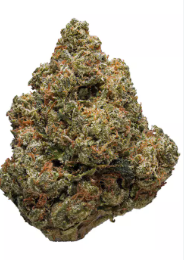
The Headband Organic Strain is a sativa-dominant hybrid cannabis variety prized for its cerebral, energizing effects and distinctive “headband” pressure around the temples. Consumers exploring organic flower often ask how this strain differs from conventionally grown cannabis, what potency and terpene profiles to expect, and where it can legally be purchased in the United States. This guide answers those questions with clear, practical detail—and clarifies how organic labeling works so you can make an informed decision.
What Is the Headband Organic Strain?
Headband is a hybrid cannabis strain generally understood to be a cross of Sour Diesel, OG Kush, and Master Kush. That lineage produces a balanced-but-sativa-leaning profile: a fast, mood-elevating onset followed by a relaxed body finish.
The “organic” designation refers to how the plant is cultivated rather than a separate genetic variety. Organically grown cannabis is typically produced without synthetic pesticides or fertilizers, often using living soil, compost teas, and natural amendments. In the U.S., cannabis cultivation is regulated at the state level, so “organic” is not a federally certified agricultural label for cannabis—a nuance worth understanding when you shop.
Key Characteristics at a Glance
- Dominance: Sativa-dominant hybrid
- Typical THC range: Moderately to highly potent (varies widely by cultivar and grower)
- Aroma and flavor: Diesel, citrus, pine, and earthy notes
- Reported effects: Uplifted mood, focus, cerebral energy, mild body relaxation
- Common uses: Daytime socializing, creative work, tension relief
Because potency and terpene content vary by batch, always check a product’s certificate of analysis (COA) rather than relying on strain-name averages alone.
Organic Cultivation and the “Organic” Label
Organic cannabis farming emphasizes soil health and input transparency. Growers commonly use:
- Living soil enriched with compost and microbial life
- Integrated pest management instead of broad-spectrum synthetic sprays
- Natural nutrient sources such as worm castings and plant-based amendments
Third-party testing confirms cannabinoid potency, terpene profiles, and the absence of contaminants like mold, heavy metals, and residual pesticides. Ask any retailer for batch-specific lab results—that documentation is the most reliable signal of quality, whether or not a product carries an organic claim.
Is Cannabis Banned in the United States? Legal Status Explained
This is where confusion is common, so let’s be precise. As of the most recent federal framework, cannabis containing more than 0.3% delta-9 THC remains a Schedule I controlled substance under the federal Controlled Substances Act. However, individual states set their own rules, and the legal landscape continues to evolve.
Key points:
- Medical and recreational programs exist in many states, each with its own possession limits and licensing.
- Some states prohibit cannabis entirely, including both medical and recreational sales.
- Hemp-derived products are treated separately under federal law, with the line drawn around delta-9 THC concentration.
To check current federal scheduling and legal details, see the DEA’s Drug Scheduling reference and the Congressional Research Service summaries of cannabis policy. Never assume a product is legal based on strain name alone—state law governs the transaction.
Is THC Banned Now?
“Is THC banned now?” depends entirely on jurisdiction and THC concentration. THC is not uniformly illegal, but it is tightly regulated. In legal states, licensed products list THC content per serving; in non-legal states, THC products cannot be sold through regulated retail channels. Consumers should verify their state’s rules before purchasing.
Dispensaries in North Carolina: What to Know
North Carolina is one of the states without a broad recreational or medical cannabis program. There are no licensed dispensaries in North Carolina for general adult-use or general medical cannabis. A limited state-sanctioned program tied to specific health conditions exists, but it is not a standard retail market.
Practical implications:
- Dispensary Asheville NC searches often return CBD or hemp retailers rather than licensed cannabis dispensaries.
- North Carolina recreational dispensary options are not available in the regulated market as of current policy.
- Neighboring states with legal programs have their own residency and possession rules.
For accurate, current information, monitor official state sources and reputable tracking resources such as NORML’s state-by-state guide or Leafly’s dispensary finder. Always confirm legality in both the state of purchase and the state where you plan to consume. Readers curious about quality products across legal markets can explore Cannabistopgrade for strain and product background.
Effects, Benefits, and Limitations
Reported Benefits
Headband’s reputation centers on its cerebral lift. Many consumers describe enhanced focus, elevated mood, and creative flow—qualities that make it popular for daytime use. Some report relief from mild tension and stress.
Honest Limitations
- Anxiety sensitivity: High-THC sativas can provoke unease in some users.
- Dry mouth and eyes: Common, temporary side effects.
- Cognitive intensity: Because effects are cerebral, it may not suit nighttime wind-down routines.
How It Compares to Other Strains
Compared with a pure indica, Headband leans energetic and social. Against high-caffeine sativas like Durban Poison, it carries more body relaxation. Its diesel-and-citrus profile places it near Sour Diesel family strains, while its relaxation echoes OG Kush lineage.
Who Should Consider the Headband Organic Strain?
This strain is best suited to experienced consumers who want daytime energy, mood elevation, and creative focus. Beginners should consider lower-THC options or smaller initial doses. Anyone with a history of anxiety sensitivity or who is new to cannabis should start cautiously and consult a healthcare professional regarding interactions.
For a deeper look at strain families and product education, see the resources at Cannabistopgrade. You can also review the Wikipedia overview of cannabis for foundational background, and consult the National Center for Complementary and Integrative Health for evidence-based perspectives on cannabis-related health questions.
Frequently Asked Questions
What is the Headband Organic Strain?
It is a sativa-dominant hybrid (Sour Diesel × OG Kush × Master Kush) grown using organic cultivation practices. It delivers cerebral, energizing effects with a diesel and citrus aroma.
Is the Headband strain legal in the United States?
Legality depends on your state and the product’s THC content. Cannabis remains federally controlled, while many states run legal medical and recreational programs. Verify your state’s rules before purchasing.
Are there dispensaries in North Carolina?
There are no general licensed cannabis dispensaries in North Carolina under current policy. Searches for dispensary Asheville NC or NC dispensaries typically surface hemp or CBD retailers rather than licensed cannabis stores.
What does “organic” mean for cannabis products?
It generally describes cultivation without synthetic pesticides or fertilizers. Because cannabis isn’t federally certified as organic, confirm quality through third-party lab testing and batch-specific COAs.
What effects should I expect from Headband?
Most users report uplifted mood, focus, and light body relaxation. High-THC versions can be intense for beginners, so start low and go slow.
Be the first to review “Headband Organic Strain”
Related products
Sativa Strains
Sativa Strains
Sativa Strains
Sativa Strains
Sativa Strains
Sativa Strains
Sativa Strains
Sativa Strains
Reviews
There are no reviews yet.