
Lemon Skunk Kush: Best Marijuana Strains, Top Pot Strains and What Makes Great Cannabis
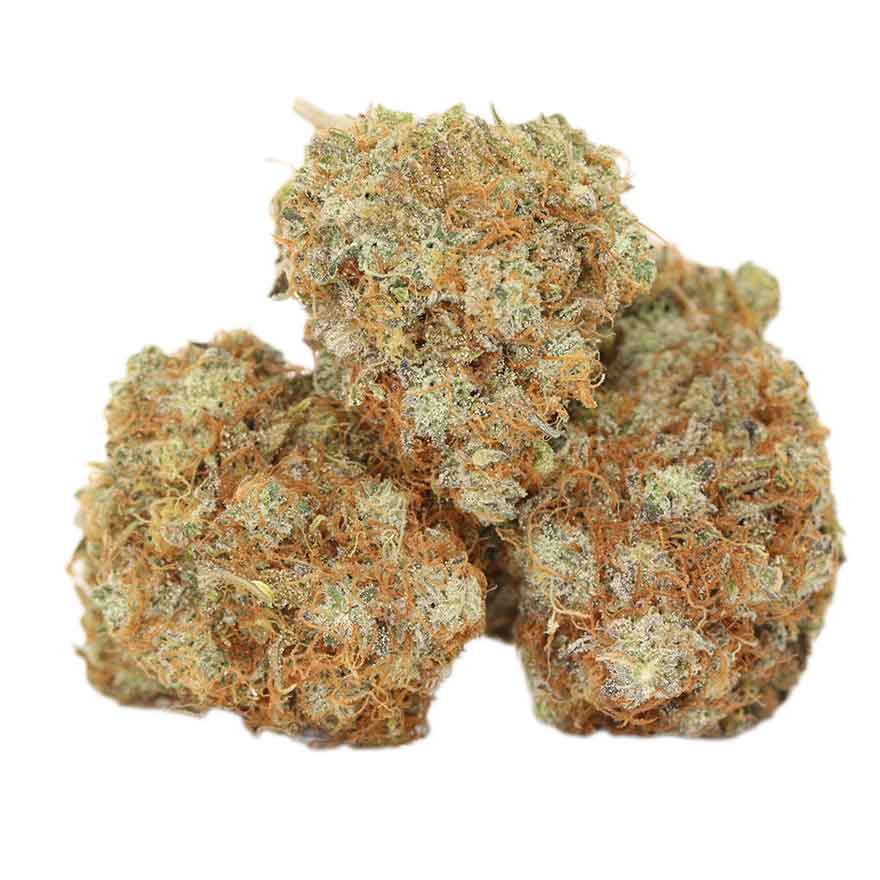
Lemon Skunk Kush is a citrus-forward cannabis strain known for its bright lemon aroma, pungent Skunk character, uplifting consumer reputation, and long-standing connection to classic Skunk genetics.
It fits naturally into searches such as best marijuana, good weed strains, the best weed on earth, best pot strains, best bud in the world, and best marijuana strains.
Those phrases sound simple, but cannabis quality is much more complicated than declaring a single winner.
Leafly currently lists Lemon Skunk—also known as Lemon Skunk OG—as a hybrid with approximately 19% THC and 1% CBG. Its leading consumer-reported effects are happy, uplifted, and euphoric, while its leading flavors are lemon, skunk, and citrus.
Its overall effect profile is described as mostly energizing.
For additional U.S.-focused cannabis education, readers can explore Cannabistopgrade.com.
What Is Lemon Skunk Kush?
Lemon Skunk is a sativa-dominant hybrid cannabis strain originally associated with DNA Genetics.
Leafly describes the strain as being developed from two carefully selected Skunk phenotypes chosen for their lemon characteristics.
That breeding history helps explain its combination of:
- citrus aroma;
- Skunk pungency;
- uplifting effects;
- and classic hybrid structure.
The strain has remained recognizable because it combines old-school Skunk genetics with a brighter lemon-forward sensory profile.
Is Lemon Skunk the Same as Lemon Skunk Kush?
Consumers may use several similar names, including:
- Lemon Skunk;
- Lemon Skunk OG;
- Lemon Skunk Kush;
- Lemon Kush Skunk.
However, names are not always standardized across breeders, producers, and legal markets.
The best way to identify a product is not just by its name but by checking:
- producer;
- genetics;
- THC level;
- CBD level;
- terpene profile;
- batch information;
- and laboratory testing.
Two products with similar names may not be chemically identical.
Lemon Skunk Kush THC
Leafly currently displays approximately 19% THC and 1% CBG for Lemon Skunk.
That makes it a moderately potent THC-dominant hybrid by modern commercial standards.
Actual THC can vary significantly.
Factors include:
- genetics;
- phenotype;
- cultivation conditions;
- lighting;
- nutrients;
- harvest timing;
- curing;
- storage;
- and laboratory methodology.
Therefore, 19% THC should be understood as a reference profile, not a guaranteed number for every batch.
Lemon Skunk Kush Effects
Leafly currently lists its most common reported effects as:
Happy
Uplifted
Euphoric
The strain is also described as predominantly energizing.
These reports explain why Lemon Skunk often appears in discussions involving:
- daytime strains;
- mood-oriented cannabis;
- social cannabis;
- creative strains;
- and uplifting hybrids.
Consumer reports are subjective, though.
Not everyone experiences the same effects.
Lemon Skunk Kush Negative Effects
Even highly rated cannabis can produce unwanted experiences.
Leafly currently lists:
- dry mouth;
- anxiety;
- dry eyes
among the leading negative reports for Lemon Skunk.
This matters when discussing best marijuana strains.
A strain can be extremely popular and still be uncomfortable for certain people.
THC sensitivity, tolerance, environment, mood, and exposure all influence the experience.
Lemon Skunk Kush Flavor
Flavor is one of the strongest reasons Lemon Skunk stands out.
Leafly currently lists its leading flavors as:
Lemon
Skunk
Citrus
The aroma is often described as pungent, zesty, sweet, sour, and distinctly Skunk-like.
For consumers who prefer sharp citrus rather than dessert flavors, Lemon Skunk can be especially memorable.
Lemon Skunk Terpenes
Leafly currently lists the leading terpenes as:
Caryophyllene
Myrcene
Limonene
Caryophyllene
Caryophyllene contributes peppery and spicy notes.
Myrcene
Myrcene is associated with earthy, herbal, and musky aromas.
Limonene
Limonene contributes the bright citrus character strongly associated with Lemon Skunk.
These compounds help explain the strain’s recognizable flavor profile.
They should not be treated as proof of specific medical effects.
Why Lemon Strains Are So Popular
Lemon-flavored cannabis occupies a major niche in strain culture.
Leafly’s current lemon-flavor listings place Lemon Skunk among notable lemon-oriented cultivars and describe it as a sativa-leaning hybrid with strong lemon and Skunk character.
Citrus strains often attract consumers who prefer:
- bright aromas;
- sharp flavor;
- energetic reputations;
- and classic sativa-leaning profiles.
Lemon Skunk benefits from all four.
What Is the Best Marijuana?
There is no universal answer to best marijuana.
Cannabis quality can be judged using very different criteria.
One person may prioritize:
- THC potency.
Another may prioritize:
- flavor;
- smoothness;
- aroma;
- CBD;
- low THC;
- genetics;
- visual appearance;
- or terpene content.
The word “best” therefore reflects personal preference rather than a scientific cannabis ranking.
Good Weed Strains
The phrase good weed strains is more useful when quality is defined.
A good strain may have:
Stable Genetics
Reliable genetic expression helps improve consistency.
Strong Aroma
Terpene expression contributes greatly to sensory quality.
Appropriate Potency
Higher THC is not always better.
Good Cultivation
Environment influences flower structure and chemistry.
Proper Drying and Curing
Poor curing can damage flavor and aroma.
Freshness
Old cannabis can lose aromatic compounds.
Testing
Regulated testing provides useful potency and contaminant information.
These characteristics matter more than marketing language.
Is Lemon Skunk a Good Weed Strain?
For consumers who enjoy citrus-forward cannabis, Lemon Skunk has several appealing characteristics:
- distinctive lemon aroma;
- classic Skunk lineage;
- roughly 19% reference THC;
- energizing consumer reports;
- and longstanding recognition.
It also has more than a thousand user ratings on Leafly and currently carries a 4.3/5 profile rating.
That demonstrates substantial consumer familiarity.
It still does not mean every person will consider it exceptional.
The Best Weed on Earth
The phrase the best weed on earth is inherently subjective.
Cannabis has diverse genetic traditions associated with regions and breeding cultures including:
- California;
- Oregon;
- Washington;
- Colorado;
- Mexico;
- Jamaica;
- Thailand;
- Afghanistan;
- Colombia;
- the Netherlands;
- and Canada.
Different regions became famous for different genetics and cultivation styles.
No scientific institution awards one strain permanent status as the world’s best cannabis.
Best Pot Strains
The best pot strains can be grouped more intelligently by characteristics.
| Category | Examples of Commonly Recognized Profiles |
|---|---|
| Citrus | Lemon Skunk, Lemon Haze-type genetics |
| Pine | Jack Herer, Trainwreck-type strains |
| Diesel | Sour Diesel-family strains |
| Berry | Blueberry-related cultivars |
| Kush | OG Kush and related hybrids |
| Dessert | Gelato, Cookies, Wedding Cake |
| Grape/Purple | Granddaddy Purple-type cultivars |
The goal is not to crown a permanent winner.
It is to match strain characteristics with personal preferences.
Lemon Skunk vs. Dessert Strains
Lemon Skunk represents a very different style from modern dessert cannabis.
| Characteristic | Lemon Skunk | Dessert Strains |
|---|---|---|
| Main flavor | Lemon, citrus, Skunk | Sweet, creamy, candy-like |
| Aroma style | Sharp and pungent | Often sweet and soft |
| Heritage | Classic Skunk-based | Frequently modern hybrids |
| Consumer profile | Mostly energizing | Highly variable |
| THC | Around 19% reference | Can vary widely |
| “Best” status | Subjective | Subjective |
Neither style is inherently better.
Best Bud in the World
The phrase best bud in the world often combines several different ideas:
- strongest;
- prettiest;
- best-smelling;
- best-tasting;
- rarest;
- most famous;
- or most expensive.
These categories should not be confused.
The strongest cannabis may not have the best flavor.
The most colorful flower may not have the best cannabinoid profile.
The most famous strain may not be the freshest batch.
Quality has multiple dimensions.
What Makes Cannabis Bud High Quality?
High-quality cannabis flower may show:
Healthy Trichome Coverage
Trichomes contain cannabinoids and terpenes.
Appropriate Moisture
Overly dry or excessively wet flower can affect quality.
Strong Aroma
A healthy terpene profile often produces noticeable fragrance.
Clean Appearance
Flower should not show obvious contamination or mold.
Good Cure
Proper curing improves stability and sensory characteristics.
Accurate Testing
Regulated laboratory information provides more useful chemical data than appearance alone.
Does High THC Mean Best Marijuana?
No.
THC is a potency measurement.
It does not directly measure:
- flavor;
- aroma;
- freshness;
- cultivation quality;
- smoothness;
- safety;
- or overall enjoyment.
A 30% THC flower can still be poorly cured.
A 19% strain such as Lemon Skunk may offer a richer flavor experience for someone who prioritizes terpenes.
Higher THC also generally means greater potential intoxication.
Best Marijuana Strains by Flavor
Cannabis consumers often find flavor more useful than generic rankings.
Citrus Lovers
Lemon Skunk naturally belongs here.
Its lemon, citrus, and Skunk profile makes it one of the more recognizable choices in this category.
Pine Lovers
Jack Herer and Trainwreck-style genetics often attract this preference.
Sweet Cannabis
Cookies and Gelato families frequently dominate this category.
Berry Cannabis
Blueberry-related genetics are often associated with berry aromas.
Fuel and Diesel
Sour Diesel and related strains appeal to consumers who enjoy pungent fuel notes.
Earthy Kush
OG Kush and related cultivars often emphasize earthy and pine characteristics.
Best Marijuana Strains by Heritage
Historical importance is another ranking method.
Classic cannabis families frequently include:
- Haze;
- Skunk;
- Kush;
- Northern Lights;
- White Widow;
- Jack Herer;
- Sour Diesel;
- and Blue Dream.
Lemon Skunk belongs to the wider Skunk family, which has influenced cannabis breeding for decades.
That heritage contributes to its ongoing recognition.
Why Skunk Genetics Matter
Skunk genetics became foundational to modern cannabis breeding.
The word “Skunk” became associated with:
- pungent aromas;
- vigorous plants;
- hybrid breeding;
- and recognizable cannabis smell.
Lemon Skunk represents a citrus-focused variation of that broader genetic tradition.
Its breeders selected Skunk phenotypes with distinctive lemon qualities.
Lemon Skunk and Modern Cannabis Culture
Modern consumers often prioritize:
- strong visual appeal;
- unusual color;
- high THC;
- sweet flavor;
- and social-media-friendly branding.
Lemon Skunk comes from an older style of cannabis appreciation where aroma and genetics played a larger role than dessert-style marketing.
Its continued popularity shows that classic genetic families remain relevant.
Best Marijuana Is Not Always the Newest Marijuana
Cannabis markets constantly release new cultivars.
New does not necessarily mean better.
Older strains often remain popular because of:
- stable reputations;
- distinctive genetics;
- familiar effects;
- recognizable flavor;
- and breeding influence.
Lemon Skunk is a good example.
Its simple lemon-and-Skunk identity remains easy for consumers to recognize even in a market crowded with newer hybrids.
How to Compare Lemon Skunk Products
When evaluating a regulated Lemon Skunk product, useful label information may include:
THC
Provides batch-specific potency.
CBD
Shows cannabinoid balance.
CBG
Some products may provide measurable CBG.
Terpene Information
Where available, this can help confirm citrus or Skunk characteristics.
Batch Number
Useful for traceability.
Packaging Date
Helps assess freshness.
Laboratory Results
Provides better information than generic online strain averages.
Lemon Skunk and Mood
Leafly currently reports that consumers most often describe Lemon Skunk as:
- happy;
- uplifted;
- euphoric.
It also reports that some users say it helps with stress, anxiety, and depression.
These are user-generated reports rather than clinical evidence.
They should not be interpreted as proof that Lemon Skunk treats mental-health conditions.
Lemon Skunk and Anxiety
Anxiety appears in two different contexts in Lemon Skunk consumer data.
Some users report perceived anxiety relief.
At the same time, anxious appears among its reported negative effects.
That contradiction is common in cannabis.
One person’s relaxing experience can be another person’s overstimulation.
Lemon Skunk and Driving
An energizing strain can still impair driving.
Feeling awake or happy does not mean reaction time and judgment are unaffected.
THC can alter:
- attention;
- coordination;
- perception;
- judgment;
- and reaction time.
People should not drive while impaired.
U.S. Cannabis Laws
Cannabis laws remain state-specific.
The NCSL State Cannabis Policy Enactment Database was updated August 31, 2026 and tracks enacted state cannabis policies nationwide.
It includes topics such as:
- medical cannabis;
- adult-use cannabis;
- possession;
- THC products;
- flower;
- concentrates;
- edibles;
- testing;
- labeling;
- packaging;
- public health;
- and licensing.
A nationally recognized strain such as Lemon Skunk is therefore not automatically legally available in every state.
Popularity Does Not Equal Legal Availability
Online strain databases operate nationally or internationally.
State cannabis laws do not.
A strain can be famous while:
- adult-use cannabis remains prohibited in one state;
- only medical cannabis is permitted in another;
- and adult-use sales operate legally in another.
Consumers should rely on current state regulatory information rather than assumptions based on strain popularity.
Regulated Cannabis and Quality
Licensed state markets may require cannabis testing for categories such as:
- cannabinoid potency;
- pesticides;
- microbial contaminants;
- residual solvents;
- heavy metals;
- or other contaminants.
Requirements vary between jurisdictions.
This is why a regulated batch label can provide more useful information than simply asking for the “best bud in the world.”
Educational Resources
For additional U.S.-focused cannabis strain, cannabinoid, terpene, and legal-market information, explore Cannabistopgrade.com.
For current Lemon Skunk information—including its approximately 19% THC reference profile, happy/uplifted/euphoric effects, lemon-skunk-citrus flavors, and terpene information—see the Leafly Lemon Skunk strain profile.
Leafly also includes Lemon Skunk among its prominent lemon-flavored cannabis strain listings.
For current U.S. cannabis laws and product regulations, consult the NCSL State Cannabis Policy Enactment Database.
Readers can continue exploring classic cannabis genetics, strain terminology, and U.S. regulated-market education through Cannabistopgrade.com.
Frequently Asked Questions
1. Is Lemon Skunk Kush one of the best marijuana strains?
Lemon Skunk has a strong consumer reputation, classic Skunk genetics, a distinctive citrus profile, and approximately 19% THC on Leafly’s current general profile. Whether it is one of the “best” strains depends on personal preferences.
2. What are good weed strains?
Good cannabis strains generally combine desirable genetics, aroma, cannabinoid composition, cultivation quality, curing, freshness, consistency, and appropriate regulated testing. A famous name alone does not guarantee quality.
3. What is the best weed on earth?
There is no scientifically established best cannabis strain in the world. Preferences differ according to THC, CBD, flavor, terpenes, effects, appearance, and individual tolerance.
4. What are the best pot strains?
Strains such as OG Kush, Sour Diesel, Jack Herer, Blue Dream, Northern Lights, White Widow, Gelato, Cookies, and Lemon Skunk often appear in popularity discussions, but there is no universal official ranking.
5. Is Lemon Skunk the best bud in the world?
For people who strongly prefer pungent lemon and Skunk flavors, Lemon Skunk may rank highly. Other consumers may prefer dessert, berry, grape, Kush, or diesel profiles. “Best bud” remains subjective.
6. What makes the best marijuana strains different?
Genetics, cannabinoid balance, terpene profile, freshness, cultivation, curing, batch consistency, and regulated laboratory testing are all more useful quality indicators than THC percentage alone.
| weight | ounce |
|---|
Be the first to review “Lemon Skunk kush”
Related products
Sativa Strains
Sativa Strains
Hybrid cannabis strains
Buy THC Extracts Online
Hybrid cannabis strains
Sativa Strains
Sativa Strains
Hybrid cannabis strains
Reviews
There are no reviews yet.