
Uncategorized
How Many Grams Is a Dub? A Clear Guide to Weed Weights and Prices
Nov
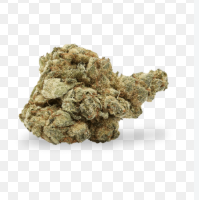
If you’ve ever stood in a dispensary line or scrolled a delivery menu and wondered how many grams is a dub, you’re not alone. A “dub” is slang for a $20 bag of cannabis, and in most U.S. markets it weighs about 1 gram, though the exact amount varies by seller, state, and product. Understanding this helps you compare value, spot fair pricing, and avoid confusion when someone mentions a “dime,” an “eighth,” or a “zip.”
Below, we break down common weed weights, how much an ounce actually holds, what joints and edibles typically cost, and how to tell whether a deal is genuinely worth it.
What Is a Dub in Weed Terms?
A dub is a $20 unit of cannabis. The term comes from “double sawbuck,” old slang for a twenty-dollar bill, and it’s used loosely across the U.S. In legal dispensaries, $20 usually buys a single preroll or a 1-gram sample; in legacy markets, a dub may be a small baggie of unspecified weight.
Because slang isn’t standardized, the safest move is to ask for the weight in grams. Most reputable retailers label every product with a net weight, which lets you calculate price per gram instantly.
How Many Grams Is a Dub, Exactly?
The practical answer: about 1 gram. Some sellers offer slightly more (1.5 grams) as a promotional “dub,” while others sell a $20 eighth in states with higher prices. Treat “1 gram” as the baseline and verify with the listed weight.
If you want to compare that to larger quantities, our guide to common cannabis measurements walks through eighths, quarters, and ounces in plain terms.
Common Weed Weights Explained
Cannabis is sold in a handful of standard increments. Once you know them, the slang becomes much easier to decode.
| Slang term | Weight | Approximate metric |
|---|---|---|
| Dub | ~1 gram | 1 g |
| Dime | ~0.5 gram | 0.5 g |
| Eighth | 1/8 ounce | 3.5 g |
| Quarter | 1/4 ounce | 7 g |
| Half | 1/2 ounce | 14 g |
| Zip / ounce | 1 ounce | 28 g |
| QP | 1/4 pound | 112 g |
You’ll often see a qp of weed in bag referenced in bulk listings, which equals 4 ounces or roughly 112 grams. That’s a wholesale-style quantity and far more than casual consumers need.
How Much Does an Oz of Weed Weigh?
An ounce weighs 28 grams, a figure that’s consistent across legal and legacy markets. The related question—how many grams of THC is in an ounce—depends on potency. If your flower tests at 20% THC, that ounce contains roughly 5.6 grams of THC by weight; at 25%, closer to 7 grams. Potency labels on legal packaging make this calculation straightforward.
For context on standardized weights, the Wikipedia entry on the ounce explains the unit’s history and conversions.
How Much Do Joints, Blunts, and Spliffs Cost?
Pre-roll pricing varies widely by state, potency, and brand, so treat these as general U.S. ranges rather than fixed rules.
Price of a joint. Single prerolls commonly fall between $5 and $15, with infused or premium options climbing higher. The question of how much is a joint often comes down to flower quality and whether it’s hand-rolled or machine-produced.
How much does a blunt cost. Blunts—cannabis rolled in a cigar wrapper—typically run $10 to $25 in dispensaries, partly because they hold more flower. In legacy markets, a blunt may be sold as a $20 “dub” equivalent.
How much is a spliff. A spliff mixes tobacco with cannabis, so it uses less flower. Pricing tends to mirror a joint, often $5 to $12, though spliffs are less commonly sold pre-made in licensed shops.
For a broader sense of how prerolls are regulated and sold, the National Cannabis Industry Association publishes market resources and policy updates.
How Much Do Edibles Cost?
How much does an edible cost depends on dosage and format. A single low-dose gummy (5–10 mg THC) often costs $3 to $8, while multi-serving packs range from $15 to $40. Beverages and higher-dose products sit at the upper end.
The question of how much do edibles sell for also varies by state tax structures—California, for example, layers excise and sales taxes that raise shelf prices. Always check total THC per package, not just per piece.
How to Judge Whether a Dub Is a Good Deal
Value isn’t just about grams; it’s about potency, freshness, and legality. A 1-gram dub of 28% flower can outperform a 1.5-gram bag of low-grade material.
Here’s a quick checklist:
- Check the labeled weight. Legal packaging states net weight in grams.
- Divide price by grams. This gives you price per gram for easy comparison.
- Look at THC percentage. Higher potency means fewer grams needed per session.
- Confirm lab testing. Legitimate products include batch testing and packaging dates.
- Compare preroll pricing. Sometimes a $12 preroll beats a $20 dub of untested flower.
Consumers who want transparent weights and pricing can browse Cannabistopgrade’s product guides before shopping.
Legal and Safety Considerations
Cannabis remains illegal at the federal level in the U.S., though many states permit medical or adult-use sales. Buying from licensed retailers ensures product testing for mold, pesticides, and potency accuracy.
For reliable public-health information on cannabis, the CDC’s cannabis resource page covers health effects and safety guidance. Peer-reviewed research is also available through PubMed, which indexes studies on cannabis potency and consumption.
FAQ
How many grams is a dub?
A dub is typically about 1 gram of cannabis sold for roughly $20. The exact weight can vary by seller and state, so confirm the labeled net weight before buying.
Is a dub the same as an eighth?
No. An eighth is 3.5 grams (one-eighth of an ounce), while a dub is closer to 1 gram. An eighth generally costs more than a dub.
How many grams of THC are in an ounce of weed?
It depends on potency. Multiply 28 grams by the THC percentage—at 20% THC, an ounce contains about 5.6 grams of THC.
How much does a joint usually cost?
Single prerolls typically range from $5 to $15 in U.S. dispensaries, with infused or premium joints costing more.
How much do edibles sell for?
Low-dose single edibles often cost $3 to $8, while multi-serving packs range from $15 to $40 depending on dosage and state taxes.
