
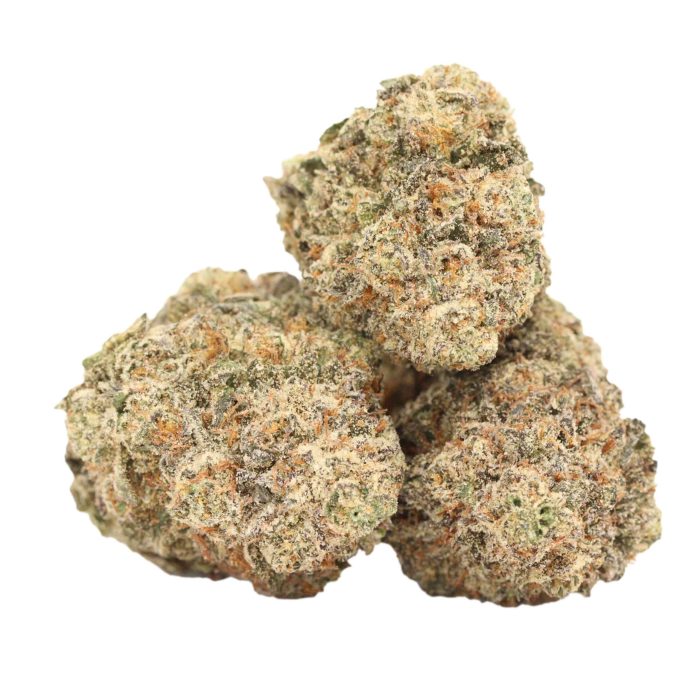
Runtz Gluntz Strain
Runtz Gluntz Strain is a mostly indica hybrid cannabis cultivar from Bulk Seed Bank with documented genetics of:
Zkittly Zi Zi × Gelato Samba
Current breeder-derived strain references describe Runtz Gluntz as approximately:
70% indica and 30% sativa
with THC potentially reaching around:
28%.
Runtz Gluntz is associated with a strongly sweet and fruity aroma, candy-like characteristics and a combination of relaxing and uplifting consumer-reported effects.
The cultivar also provides a useful educational framework for answering important U.S. cannabis-law questions including:
is it illegal to grow weed in California, is growing pot legal in California, where is it legal to grow pot, how many weed plants can you have in California, how many cannabis plants can I grow, California cannabis growing laws, how many pot plants can you grow in California, and how many pot plants can you grow.
For California adults aged 21 or older, the basic 2026 rule remains straightforward:
Up to six cannabis plants may be grown at home for personal use.
However, local rules matter.
California cities and counties can impose reasonable requirements involving:
- location;
- permits;
- indoor cultivation;
- security;
- nuisance controls.
Commercial cultivation is separate from personal home cultivation and requires appropriate licensing.
For more U.S.-focused cannabis strain and cannabis-law education, explore Cannabistopgrade.com.
Runtz Gluntz Strain Quick Profile
| Characteristic | Runtz Gluntz Strain |
|---|---|
| Breeder | Bulk Seed Bank |
| Genetics | Zkittly Zi Zi × Gelato Samba |
| General classification | Mostly indica hybrid |
| Approximate ratio | 70% indica / 30% sativa |
| Breeder-stated THC | Up to about 28% |
| CBD | Below approximately 1.2% breeder-stated |
| Flavor | Sweet, fruity, candy-like |
| Reported character | Relaxing, uplifting, euphoric, creative |
| California adult home-grow age | 21+ |
| California general plant limit | Up to 6 plants |
| Commercial cultivation license required? | Yes |
| Local California regulations possible? | Yes |
| Federal-land cultivation protected by California law? | No |
What Is Runtz Gluntz Strain?
Runtz Gluntz is a cannabis cultivar released by Bulk Seed Bank.
SeedFinder documents the strain as:
Zkittly Zi Zi × Gelato Samba.
The breeder describes Runtz Gluntz as a mostly indica hybrid.
Its genetic family contains influences connected with several famous cannabis lines, including:
- Z-style fruit genetics;
- Gelato-family genetics;
- GSC-related genetics;
- Sunset Sherbet ancestry.
This gives Runtz Gluntz a distinctly modern dessert-style cannabis background.
Runtz Gluntz Genetics
The most consistently documented Runtz Gluntz lineage is:
Zkittly Zi Zi × Gelato Samba
SeedFinder traces Zkittly Zi Zi primarily toward fruit-heavy genetics related to The Original Z family.
Gelato Samba contains genetics associated with:
Green Scout Cookies × Sunset Sherbet.
This produces a genetically complex hybrid with both fruit and dessert-line ancestry.
Is Runtz Gluntz the Same as Runtz?
No.
Although the name references the Runtz family style, Runtz Gluntz has its own documented breeder lineage.
Classic Runtz is commonly associated with:
Zkittlez × Gelato.
Runtz Gluntz instead is documented as:
Zkittly Zi Zi × Gelato Samba.
The names are related stylistically but should not automatically be treated as identical genetics.
Is Runtz Gluntz Indica or Sativa?
Bulk Seed Bank describes Runtz Gluntz as approximately:
70% indica / 30% sativa.
Therefore, it is best described as:
an indica-dominant hybrid.
These percentages are breeder classifications rather than precise genetic laboratory measurements.
Modern cannabis cultivars contain extensive hybrid ancestry.
Runtz Gluntz THC Percentage
The breeder states that Runtz Gluntz can reach approximately:
28% THC.
That would place it among relatively high-THC cannabis flower cultivars.
However, this figure should not be interpreted as a guaranteed laboratory result for every plant or retail batch.
Actual cannabinoid concentration can vary.
Why Runtz Gluntz THC Can Vary
Potential reasons include:
- phenotype;
- growing environment;
- harvest maturity;
- plant health;
- drying;
- curing;
- storage;
- laboratory methodology.
For a regulated retail product, the batch-specific certificate or package label provides better potency information than a breeder maximum.
Runtz Gluntz Flavor
Breeder descriptions emphasize a strongly:
- sweet;
- fruity;
- candy-like;
profile.
Descriptions often compare the aroma with:
- fruit salad;
- sugar candy;
- tropical fruit.
Exact sensory characteristics can differ between plants.
Runtz Gluntz Effects
Breeder descriptions characterize Runtz Gluntz as combining:
- physical relaxation;
- uplifting sensations;
- euphoric consumer reports;
- creative consumer reports.
These descriptions are subjective and should not be treated as guaranteed physiological effects.
Runtz Gluntz and High THC
A product testing near 28% THC would generally be considered relatively potent.
High-THC cannabis can produce unwanted effects in some people, including:
- anxiety;
- impaired attention;
- dizziness;
- dry mouth;
- altered judgment;
- slower reaction time.
A strain’s THC percentage alone does not determine quality.
Runtz Gluntz Flower Appearance
Runtz Gluntz is described as producing relatively dense, resinous buds.
Typical hybrid cannabis flower may display:
- green bracts;
- orange or brown pistils;
- visible trichomes;
- compact flower structure.
Appearance varies by phenotype and cultivation conditions.
Does More Frost Mean More THC?
Not necessarily.
Trichomes contain cannabinoids and terpenes, but visible frostiness cannot provide an accurate THC percentage.
Laboratory testing is required to quantify potency.
Runtz Gluntz and Cannabis Naming
Cannabis cultivar names are not governed by one universal national registry.
For that reason, two products with similar names may not necessarily represent identical genetics.
When identifying Runtz Gluntz, useful details include:
- breeder;
- lineage;
- producer;
- laboratory results;
- batch information.
Bulk Seed Bank is the best-documented breeder associated with this cultivar.
Is It Illegal to Grow Weed in California?
Not necessarily.
For adults who satisfy California’s requirements:
Growing cannabis at home is legal.
California’s Department of Cannabis Control states that adults:
21 years of age or older
may grow:
up to six cannabis plants at home.
Therefore, saying that growing weed is categorically illegal in California is incorrect.
Is Growing Pot Legal in California?
Yes, within the state’s personal-use limits.
For general adult-use cultivation:
Age: 21 or older.
Plant limit: up to six cannabis plants.
Purpose: personal use.
Local rules: must also be followed.
Commercial growing is regulated separately.
How Many Weed Plants Can You Have in California?
The general adult-use limit is:
six cannabis plants.
This is the basic statewide limit for an adult home cultivation setting.
Local governments can impose reasonable regulations on how and where the plants are cultivated.
How Many Pot Plants Can You Grow in California?
For ordinary adult personal cultivation:
up to six plants.
This is one of the most important numbers in California cannabis law.
The rule does not mean that every resident can operate a commercial grow with six plants.
The plants must remain within the personal-use framework and comply with applicable local law.
Six Plants Is Not Necessarily Six Plants Per Adult in One Residence
California’s home-grow framework should not be interpreted as automatically multiplying the limit by every adult living in one household.
The state’s personal cultivation rules are generally structured around:
no more than six living cannabis plants at a private residence for ordinary adult use.
Anyone sharing a residence should check the current state and local requirements rather than assuming multiple six-plant allowances can be stacked.
How Many Cannabis Plants Can I Grow?
There is no single nationwide U.S. answer.
Plant limits depend on:
- state;
- age;
- medical status;
- residence;
- local law.
Some states permit six plants.
Others allow:
- four;
- eight;
- twelve;
- combinations of mature and immature plants.
Some states with legal adult-use cannabis do not allow recreational home cultivation at all.
Where Is It Legal to Grow Pot?
As of 2026, limited adult-use home cultivation is authorized in many legal-cannabis jurisdictions.
Examples include:
- Alaska;
- Arizona;
- California;
- Colorado;
- Connecticut;
- Maine;
- Maryland;
- Massachusetts;
- Michigan;
- Minnesota;
- Missouri;
- Montana;
- Nevada, subject to additional restrictions;
- New Mexico;
- New York;
- Ohio;
- Oregon;
- Rhode Island;
- Vermont;
- Virginia.
Washington, D.C. also allows limited personal cultivation.
Exact plant limits differ significantly.
Adult-Use States Without General Recreational Home Growing
Not every state that legalized adult-use cannabis permits home cultivation.
Four current adult-use legalization states generally do not allow ordinary adults to cultivate cannabis at home:
Delaware
Illinois
New Jersey
Washington
Illinois does permit limited cultivation for certain registered medical cannabis patients.
This illustrates why retail legalization and cultivation rights are separate issues.
California Cannabis Growing Laws
California allows adults 21+ to cultivate up to six plants at home.
However, this is only the starting point.
State and local cannabis rules work together.
A legal California home grow may be subject to:
- local zoning;
- permits;
- indoor requirements;
- property restrictions;
- nuisance ordinances.
Can California Cities Regulate Home Cannabis Growing?
Yes.
California explicitly allows cities and counties to impose specific rules on home cultivation.
Examples may include:
- requiring cultivation indoors;
- requiring a local permit;
- regulating structures;
- controlling nuisance conditions.
Therefore, someone complying with the statewide six-plant limit should still check municipal rules.
Can a California City Completely Eliminate Indoor Home Growing?
California law preserves a limited right to personal cultivation for adults.
Local governments may regulate the activity, but their authority is not identical to their power over commercial cannabis businesses.
Local rules can nevertheless significantly affect:
- outdoor growing;
- structures;
- permits;
- visibility.
California Outdoor Cannabis Growing
Outdoor home cultivation can be more restricted than indoor growing.
A city or county may limit or prohibit outdoor personal cultivation while still permitting compliant indoor cultivation.
This is why a California resident should check:
- city code;
- county ordinance.
California Indoor Cannabis Growing
Some municipalities require personal cannabis cultivation to occur:
indoors
or within a secure structure.
California’s statewide legalization does not make every cultivation setup lawful in every locality.
Can Renters Grow Cannabis in California?
Not necessarily.
Property owners can restrict cannabis-related activity on their private property.
A rental agreement may prohibit:
- cannabis cultivation;
- smoking;
- other cannabis activity.
Tenants should therefore check their lease and property rules.
Cannabis Growing on Federal Land in California
California legalization does not authorize marijuana cultivation on federal property.
Cannabis remains subject to federal restrictions.
Examples of federal jurisdiction include certain:
- national parks;
- federal facilities;
- federally controlled property.
A California state home-grow right should not be assumed to apply there.
California Home Grow and Interstate Transport
State home cultivation does not authorize cannabis to be transported across state lines.
Cannabis legally grown under California law remains subject to restrictions outside California.
State legalization is geographically limited.
Personal Growing vs. Commercial Growing
California distinguishes clearly between:
personal cultivation
and:
commercial cultivation.
Personal cultivation involves the limited home-grow rules.
Commercial cultivation involves producing cannabis as part of a licensed cannabis business.
Do You Need a California Commercial Cultivation License?
Yes, for commercial cannabis cultivation.
California’s Department of Cannabis Control states that a cultivation license is required for commercial cultivation.
License types depend on factors such as:
- canopy size;
- indoor cultivation;
- outdoor cultivation;
- mixed-light cultivation.
California Commercial Outdoor Cultivation
Commercial outdoor cannabis operations use sunlight and are categorized partly according to:
- plant count;
- canopy size.
This commercial framework should not be confused with the six-plant personal allowance.
California Commercial Indoor Cultivation
Commercial indoor operations generally use artificial lighting within permanent structures.
License categories vary based on:
- canopy size;
- lighting method.
Personal home growers are not simply small commercial licensees.
The legal frameworks are distinct.
California Mixed-Light Cultivation
California also licenses commercial mixed-light operations.
These may use structures such as:
- greenhouses;
- glasshouses;
- hoop houses.
Different lighting intensities and canopy areas affect the applicable business license category.
California Commercial Cannabis Rules Updated in 2026
California adopted updated cultivation and sanitation regulations that took effect:
July 1, 2026.
The changes addressed issues including:
- harvest-batch tracking;
- labeling;
- sanitation;
- operational requirements for licensed businesses.
These changes primarily concern commercial licensees.
They did not replace the general six-plant adult home-grow rule.
Can You Sell Cannabis Grown at Home in California?
Personal cultivation does not automatically authorize selling cannabis.
Commercial cannabis activity requires appropriate licensing.
The right to grow a limited number of personal plants should not be interpreted as permission to operate an unlicensed cannabis business.
Can You Give Away Home-Grown Cannabis?
California law contains separate provisions concerning noncommercial transfers between adults.
However, personal cultivation should not become disguised commercial activity.
Anyone relying on transfer rules should verify the current statutory limits rather than assuming home-grown cannabis can be freely distributed.
How Many Pot Plants Can You Grow?
Nationwide, there is no single answer.
Examples include:
| Jurisdiction | General Adult Home-Grow Rule |
|---|---|
| California | Up to 6 plants |
| Arizona | 6 per adult, generally max 12 per household |
| Michigan | Up to 12 plants |
| Oregon | Up to 4 plants per household |
| Maryland | Up to 2 plants |
| Minnesota | Up to 8 plants, with mature-plant restrictions |
| Connecticut | 3 mature + 3 immature per adult, subject to household cap |
| Massachusetts | Up to 6 per adult, subject to household limit |
State rules can change, and additional security or location requirements often apply.
California vs. Arizona Plant Limits
California generally permits:
6 plants per residence under ordinary adult-use home cultivation.
Arizona generally permits:
up to 6 plants per adult
with:
12 plants maximum at a residence with two or more adults.
These differences demonstrate why people should not assume California’s rule applies nationwide.
California vs. Michigan Plant Limits
Michigan has one of the higher adult home-grow allowances at:
up to 12 plants per household.
California’s ordinary adult-use rule is lower at:
six plants.
California vs. Oregon Plant Limits
Oregon generally permits:
up to four plants per residence
for adult personal cultivation.
California permits:
up to six.
Medical Cannabis Growing in California
California medical cannabis cultivation can follow different rules.
The Department of Cannabis Control notes that medicinal users may be permitted to grow more plants when their physician recommends it.
Medical cultivation therefore should not automatically be evaluated under the standard recreational six-plant framework.
California Medical Cannabis Plant Limits
California medicinal cannabis law historically provides greater flexibility than ordinary adult-use cultivation.
Patients may have cultivation rights connected to their medical needs and physician recommendations.
However, local rules and other legal requirements can still apply.
Adult-Use vs. Medical Cannabis Cultivation
| Topic | Adult Use | Medical |
|---|---|---|
| General eligibility | 21+ | Qualified patient |
| Ordinary plant framework | Up to 6 | May differ |
| Physician recommendation | Not required | Relevant |
| Local rules | Apply | Apply |
| Commercial sales permitted simply because plants are legal? | No | No |
Do Cannabis Plants Need to Be Secured?
Many states require personal cultivation to occur in secure areas.
California local rules may specify requirements involving:
- access;
- visibility;
- location.
Keeping cannabis inaccessible to minors is especially important.
Can Cannabis Plants Be Visible From Public Areas?
Local cultivation regulations may restrict outdoor visibility.
Municipal rules can vary substantially.
Someone cultivating legally in California should therefore review local requirements before determining where plants may be located.
Is It Illegal to Grow More Than Six Plants in California?
For an ordinary adult-use home grow, exceeding the permitted plant limit can move the activity outside the basic legal personal-cultivation protection.
Medical patients and licensed commercial cultivators may operate under different legal frameworks.
The six-plant limit should therefore be treated seriously.
Is It Legal to Grow Runtz Gluntz in California?
California does not generally regulate personal cultivation based on the name of the cultivar.
For an adult legally permitted to cultivate cannabis, the important legal factors are:
- age;
- number of plants;
- location;
- property rules;
- local regulations.
The fact that a cultivar is called Runtz Gluntz does not create a separate plant limit.
Does Strain Potency Change the California Plant Limit?
No.
A high-THC cultivar does not create a higher or lower ordinary adult-use plant allowance.
The general California rule is based on:
number of plants
rather than estimated THC percentage.
Does Plant Size Change the Six-Plant Limit?
The ordinary adult home-grow framework is based on the number of living plants.
A large plant and a small plant are still plants for plant-count purposes.
Other jurisdictions may separately categorize mature and immature plants.
Do Seedlings Count as Cannabis Plants?
Plant-count definitions can become legally technical.
Anyone operating close to the legal maximum should consult current state and local definitions rather than assuming that every developmental stage is treated identically.
For ordinary educational guidance, the safest approach is to remain comfortably within the applicable limit.
Marijuana Legalization Does Not Mean Unlimited Growing
California legalized adult-use cannabis, but legalization includes limits.
It does not mean an adult can:
- grow unlimited plants;
- operate an unlicensed commercial farm;
- ignore local ordinances;
- cultivate on prohibited property;
- transport marijuana freely across state lines.
Legalization means regulated legality.
Where Is Growing Marijuana Still Illegal?
Home cannabis cultivation remains prohibited for ordinary adults in many states.
Even some states with medical cannabis programs prohibit patient home cultivation.
Therefore, national search results should never be interpreted as permission to cultivate based solely on what another state allows.
Medical Cannabis Does Not Always Mean Home Grow
Several medical cannabis states do not allow patients to cultivate their own marijuana.
Examples include states such as:
- Alabama;
- Florida;
- Kentucky;
- Louisiana;
- Mississippi;
- New Jersey;
- Pennsylvania;
- Texas;
- Utah;
- West Virginia;
under their current general medical frameworks.
This is another reason state-specific law matters.
California Cannabis Growing Laws and Local Government
California has a particularly important two-level system:
State law creates the basic personal cultivation right.
Local law determines many practical details.
That means two California residents living in different cities may face different local cultivation requirements even though both are subject to the same statewide plant cap.
Runtz Gluntz and Commercial Cannabis
A licensed California cultivator could potentially produce varieties such as Runtz Gluntz if compliant with applicable business regulations.
Commercial operations must comply with rules addressing matters such as:
- licensing;
- tracking;
- testing;
- sanitation;
- distribution.
These regulations are far more extensive than the rules governing a six-plant personal home grow.
Cannabis Cultivation and Driving
Cannabis cultivation legality does not affect impaired-driving rules.
THC can impair:
- attention;
- judgment;
- coordination;
- reaction time.
People should not drive while impaired by cannabis.
Cannabis Cultivation and Children
A lawful home grow should remain inaccessible to minors.
States and local governments commonly impose security requirements intended to prevent unauthorized access.
Responsible storage of harvested cannabis is also important.
Cannabis Cultivation and Pets
Cannabis products should be kept away from pets.
THC exposure can cause toxicity in animals.
Growing cannabis legally does not eliminate the need for safe household storage.
Cannabis Cultivation and Property Rights
Landlords and property owners can have important rights over cannabis activity on their property.
State legalization does not necessarily override:
- lease restrictions;
- homeowners’ rules;
- property policies.
Renters should review their agreements before relying solely on state law.
Cannabis Cultivation and Local Nuisance Rules
Local governments may regulate concerns such as:
- odor;
- electrical safety;
- building modifications;
- visibility;
- security.
These rules can apply even to otherwise lawful personal cultivation.
Why California’s Six-Plant Rule Matters
California’s six-plant rule makes the answer to several common searches straightforward:
How many weed plants can you have in California?
Up to six under the ordinary adult-use home-grow framework.
Is growing pot legal in California?
Yes, for adults 21+ who follow state and local rules.
Is it illegal to grow weed in California?
Not when cultivation falls within the legal personal-use framework.
Educational Resources
For additional U.S.-focused cannabis strain, cultivation-law, cannabinoid and marijuana education, explore Cannabistopgrade.com.
Regarding the documented Runtz Gluntz lineage and breeder information, review the SeedFinder Runtz Gluntz Profile.
For California’s official personal cannabis and home-growing rules, review the California Department of Cannabis Control – What’s Legal.
Regarding California commercial cultivation licensing information, review the California Department of Cannabis Control Cultivation License Types.
For current state cannabis legislation across the United States, review the National Conference of State Legislatures Cannabis Policy Database.
Continue exploring cannabis genetics, U.S. marijuana laws and state cultivation rules through Cannabistopgrade.com.
Frequently Asked Questions
1. What is Runtz Gluntz Strain?
Runtz Gluntz Strain is an indica-dominant hybrid from Bulk Seed Bank. Its documented genetics are Zkittly Zi Zi × Gelato Samba. Breeder information describes it as approximately 70% indica and 30% sativa with THC potentially reaching around 28%.
2. Is it illegal to grow weed in California?
No, not when the grow complies with California law. Adults age 21 or older may generally cultivate up to six cannabis plants at home for personal use. Cities and counties can impose additional reasonable requirements.
3. Is growing pot legal in California?
Yes. California permits adults 21 and older to grow up to six cannabis plants at home. Local ordinances, property restrictions and other rules can still apply, and commercial cultivation requires separate licensing.
4. How many weed plants can you have in California?
The ordinary adult-use home cultivation limit is up to six cannabis plants at a private residence. Medical cannabis patients may have different cultivation rights under applicable medical rules and physician recommendations.
5. Where is it legal to grow pot?
Adult home cultivation is permitted in numerous states, including California, Colorado, Arizona, Michigan, Massachusetts, New York, Ohio, Oregon, Missouri and others. Four adult-use states—Delaware, Illinois, New Jersey and Washington—still do not generally permit ordinary adult recreational home cultivation as of 2026.
6. How many cannabis plants can I grow?
The number depends on where you live. California generally allows up to six plants, while states such as Oregon allow four and Michigan allows up to twelve at a household. Some jurisdictions distinguish mature and immature plants, and others prohibit adult home cultivation entirely.
| weight | Oz, QP, HP, P |
|---|
Be the first to review “Runtz Gluntz Strain”
Related products
Hybrid cannabis strains
Hybrid cannabis strains
Hybrid cannabis strains
Hybrid cannabis strains
Hybrid cannabis strains
Hybrid cannabis strains
Hybrid cannabis strains
Hybrid cannabis strains
Reviews
There are no reviews yet.