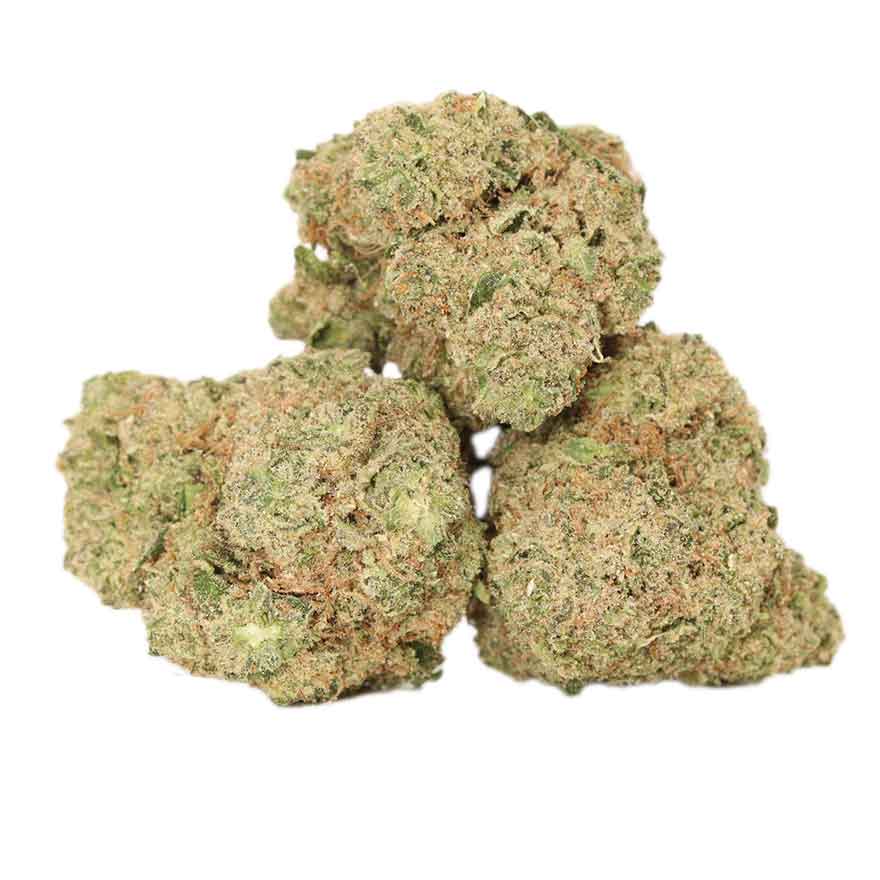
Blue Dream Weed Strain
The Blue Dream weed strain is one of the most recognizable names in modern American cannabis culture. Its reputation grew from California’s cannabis scene before the cultivar became widely known throughout legal U.S. markets.
Blue Dream also provides a useful introduction to the language surrounding marijuana.
People use numerous slang terms for marijuana, including weed, pot, bud, herb, ganja, grass, Mary Jane, trees, chronic, loud, gas and zaza. Some terms have existed for generations, while others emerged through music, regional culture and the modern legal cannabis industry.
The language changes again when consumers search for dispensaries in Chicago or a cannabis dispensary Chicago location. In that setting, informal cannabis vocabulary intersects with Illinois’ regulated adult-use market.
Understanding the difference between cannabis slang, strain names and regulated-market terminology can make cannabis information considerably clearer.
For additional U.S.-focused cannabis strain and terminology education, explore Cannabistopgrade.com.
What Is Blue Dream?
Blue Dream is generally described as a sativa-dominant hybrid created from:
Blueberry × Haze
The strain became strongly associated with California and developed into one of the country’s best-known cannabis cultivars.
Current Leafly reference information lists Blue Dream at approximately:
- 21% THC;
- very low CBD;
- hybrid classification;
- mostly energizing reported profile;
- creative consumer reports;
- euphoric consumer reports;
- happy consumer reports;
- berry flavor;
- blueberry flavor;
- sweet flavor.
Its major listed terpenes include:
- myrcene;
- pinene;
- caryophyllene.
Individual products can differ substantially from these reference values.
Blue Dream at a Glance
| Feature | Blue Dream |
|---|---|
| Classification | Sativa-dominant hybrid |
| Common genetics | Blueberry × Haze |
| Reference THC | About 21% |
| CBD | Very low |
| Main terpenes | Myrcene, pinene, caryophyllene |
| Reported flavors | Berry, blueberry, sweet |
| Reported effects | Creative, euphoric, happy |
| Historical association | California |
| Potency | Higher-THC flower |
Strain averages should never replace the laboratory information for a particular batch.
Where Did Blue Dream Come From?
Blue Dream is strongly associated with California.
Its precise origin is less certain than its enormous popularity might suggest.
Historical accounts generally connect the cultivar with California’s medical marijuana era and the Santa Cruz cannabis community in the early 2000s.
The commonly accepted lineage is:
Blueberry × Haze
However, alternative genetic stories have circulated over the years.
This is common with older cannabis strains that became popular before today’s highly commercialized genetic-tracking systems.
Blue Dream Genetics
The two names most strongly associated with Blue Dream are Blueberry and Haze.
Blueberry
Blueberry genetics are famous for sweet berry aromas and have influenced numerous cannabis cultivars.
Haze
Haze represents one of the classic sativa-associated cannabis families.
All Haze genetics appear in many well-known cultivars, including:
- Super Silver Haze;
- Super Lemon Haze;
- Amnesia Haze;
- Neville’s Haze;
- and numerous modern hybrids.
The combination helped make Blue Dream one of America’s most recognizable hybrid strain names.
Are All Blue Dream Products the Same?
No.
Blue Dream has been cultivated by many different growers.
Different phenotypes and production methods can produce noticeable variation.
Two products labeled Blue Dream can differ in:
- THC concentration;
- minor cannabinoids;
- terpene concentrations;
- appearance;
- aroma;
- cultivation method;
- and reported effects.
This is why the actual product label matters more than a generic online strain average.
Blue Dream THC
Current strain-reference information places Blue Dream at approximately 21% THC.
That is a meaningful concentration of the primary intoxicating cannabinoid in marijuana.
Some individual batches can test above or below that figure.
THC concentration can be influenced by:
- genetics;
- phenotype;
- cultivation;
- harvest timing;
- curing;
- storage;
- and laboratory testing.
Higher THC should not automatically be interpreted as better cannabis.
Blue Dream Terpenes
Blue Dream is commonly associated with three prominent terpenes.
Myrcene
Myrcene can contribute earthy, herbal and musky aromas.
Pinene
Pinene produces aromas commonly associated with pine and other plants.
Caryophyllene
Caryophyllene contributes peppery, spicy and woody characteristics.
Terpenes help shape cannabis aroma and flavor, but a terpene should not be treated as a guarantee of a particular medical or psychological effect.
What Does Blue Dream Smell Like?
Blue Dream is particularly famous for sweet berry characteristics.
Commonly reported flavor and aroma descriptors include:
- blueberry;
- berry;
- sweet;
- herbal;
- pine.
Actual aroma depends on the particular phenotype and batch.
Slang Terms for Marijuana
Cannabis has accumulated hundreds of slang expressions.
Some of the most recognizable slang terms for marijuana include:
| Slang | Typical Meaning |
|---|---|
| Weed | General marijuana slang |
| Pot | Long-standing American slang |
| Bud | Cannabis flower |
| Ganja | Cultural cannabis term |
| Herb | Informal cannabis term |
| Grass | Older slang |
| Mary Jane | Marijuana nickname |
| Reefer | Historical slang |
| Trees | Modern flower slang |
| Green | General slang |
| Chronic | Quality/potency slang |
| Loud | Strong-aroma slang |
| Gas | Aroma/quality slang |
| Dank | Quality slang |
| Zaza | Modern premium/exotic slang |
These expressions are cultural rather than scientific classifications.
Street Names for Pot
There is no single universal street name for cannabis.
Common street names for pot have included:
- weed;
- grass;
- herb;
- bud;
- ganja;
- Mary Jane;
- reefer;
- trees;
- chronic;
- green;
- loud;
- gas.
Different generations use different vocabulary.
Weed
Weed is among the most common informal marijuana terms in the United States.
It appears in expressions such as:
- weed strain;
- weed laws;
- legal weed;
- weed dispensary;
- weed flower.
Pot
Pot is another widely recognized American term.
It has been used for decades and remains common in expressions such as:
- pot shop;
- smoking pot;
- legal pot;
- pot laws.
Bud
Bud generally refers more specifically to cannabis flower.
In regulated dispensaries, flower is often used as the more formal retail term.
Ganja
Ganja has historical roots in South Asia and later became strongly associated with Jamaica and Rastafarian culture.
Music helped spread the term internationally.
Mary Jane
Mary Jane is a longstanding American nickname for marijuana.
The term became deeply embedded in popular culture, music and entertainment.
Reefer
Reefer is older cannabis slang associated strongly with twentieth-century American prohibition culture.
It remains recognizable today, although it often sounds deliberately old-fashioned.
Terms for Pot
Cannabis terminology can be divided into useful categories.
Formal Terms
- cannabis;
- marijuana;
- cannabis flower;
- adult-use cannabis;
- medical cannabis.
Traditional Slang
- weed;
- pot;
- grass;
- herb;
- ganja;
- Mary Jane;
- reefer.
Modern Slang
- trees;
- loud;
- gas;
- dank;
- exotic;
- za;
- zaza.
Product Terms
- flower;
- pre-roll;
- concentrate;
- edible;
- vape;
- tincture;
- topical.
Not every cannabis-related word is slang.
Slang Names for Marijuana
Marijuana slang often communicates more than the identity of the plant.
Words can imply perceived quality or aroma.
Loud
Loud usually describes cannabis with a particularly noticeable smell.
The term is subjective.
Strong aroma does not prove high THC.
Gas
Gas commonly describes cannabis with pungent fuel, diesel or chemical aromas.
People also use it as general praise for marijuana they consider high quality.
Dank
Dank is slang for cannabis perceived as strong-smelling or desirable.
It is not an official quality classification.
Fire
Calling cannabis “fire” generally means the speaker considers it particularly good.
There is no standardized fire grade.
Zaza
Zaza, sometimes shortened to za, is modern slang for supposedly premium or exotic marijuana.
The expression became particularly visible through music and social media.
It does not prove that a cannabis product has:
- high THC;
- rare genetics;
- superior testing;
- or better quality.
Good Pot Names
When people search for good pot names, they may be looking for either marijuana nicknames or famous strain names.
These are two different categories.
Cannabis Nicknames
Examples include:
- weed;
- ganja;
- herb;
- bud;
- Mary Jane;
- trees.
Famous Strain Names
Examples include:
- Blue Dream;
- OG Kush;
- GSC;
- Wedding Cake;
- Trainwreck;
- Sour Diesel;
- Granddaddy Purple;
- Northern Lights.
Strain names identify cultivars or genetic families rather than cannabis generally.
Why Cannabis Has So Many Names
Cannabis vocabulary developed through several historical forces.
Prohibition
Slang allowed people to discuss marijuana indirectly when prohibition was widespread.
Regional Culture
Different communities developed different expressions.
International Influence
Words such as ganja traveled between cultures and continents.
Music
Jazz, reggae, rock and hip-hop all played roles in spreading cannabis terminology.
Counterculture
Cannabis became deeply connected with twentieth-century counterculture.
Legalization
Modern legalization introduced more formal language, including:
- licensed dispensary;
- adult-use cannabis;
- medical cannabis;
- cannabis flower;
- regulated cannabis product.
Blue Dream Is a Strain Name, Not Slang
Blue Dream should not be confused with general marijuana slang.
Someone might say:
“Blue Dream is weed.”
That is broadly understandable.
More precisely:
Blue Dream is the name of a cannabis cultivar commonly described as a Blueberry × Haze hybrid.
“Weed” is the general slang term.
“Blue Dream” identifies the strain.
Cannabis Strain Names Do Not Guarantee Chemistry
This distinction matters in legal cannabis markets.
A name such as Blue Dream does not guarantee:
- exactly 21% THC;
- identical terpenes;
- identical effects;
- identical genetics;
- or identical quality.
Consumers should consider actual batch information.
Blue Dream Effects
Consumer reports commonly describe Blue Dream as producing experiences such as:
- creativity;
- euphoria;
- happiness.
Its overall profile is commonly characterized as more energizing than sedating.
These are consumer-reported experiences.
They are not guaranteed effects.
Possible Unwanted Effects
Reported unwanted experiences can include:
- dry mouth;
- dry eyes;
- dizziness;
- anxiety in some individuals;
- and impairment.
Individual responses vary.
Blue Dream and Medical Claims
Blue Dream is frequently discussed by cannabis consumers in connection with stress, anxiety and depression.
However, user reviews do not establish that Blue Dream is an approved medical treatment for these conditions.
A strain name is not equivalent to a standardized prescription medication.
Medical decisions should rely on appropriate professional evaluation and evidence rather than strain marketing.
Dispensaries in Chicago
Chicago operates within Illinois’ legal adult-use cannabis system.
Adults who satisfy Illinois’ age requirements can legally purchase cannabis from state-licensed dispensaries, subject to applicable state rules.
The important word is licensed.
Someone searching for dispensaries in Chicago should distinguish an Illinois-licensed cannabis dispensary from:
- an unlicensed seller;
- a smoke shop;
- a CBD-only retailer;
- a hemp shop;
- or an informal cannabis source.
The Illinois Department of Financial and Professional Regulation maintains official information for identifying licensed cannabis dispensaries.
Cannabis Dispensary Chicago: What Does Licensed Mean?
A licensed Chicago cannabis dispensary operates within Illinois’ regulated cannabis system.
Licensing helps create oversight involving areas such as:
- business authorization;
- inventory controls;
- regulated products;
- labeling;
- compliance;
- and consumer protections.
A polished website or storefront alone does not prove that a business holds the required cannabis license.
Consumers can verify dispensary status through Illinois’ official cannabis resources.
Illinois Adult-Use Cannabis
Illinois permits adult-use cannabis for people 21 and older, subject to state law.
This means Chicago residents and eligible visitors do not necessarily need a medical marijuana card to participate in the adult-use market.
Medical cannabis remains a separate regulated program.
Chicago Dispensary Searches
Searches such as:
- dispensaries in Chicago;
- cannabis dispensary Chicago;
- Chicago marijuana dispensary;
- Chicago weed dispensary;
- recreational dispensary Chicago
should be interpreted within Illinois’ legal licensed-retailer framework.
Availability, hours and inventory can change.
The safest way to confirm whether a business is authorized is through Illinois’ official dispensary resources rather than relying only on search-engine advertisements.
Illinois Residents vs. Visitors
Illinois cannabis rules distinguish between residents and nonresidents for possession limits.
Eligible adults should check current state limits before purchasing or possessing cannabis.
A legal purchase in Illinois also does not create authorization to transport marijuana across state lines.
Can Tourists Visit Chicago Cannabis Dispensaries?
Adults meeting Illinois’ legal age requirement can participate in the state’s adult-use market subject to applicable rules.
However, visitors should remember that:
- Illinois possession limits apply;
- nonresident limits can differ;
- public consumption remains restricted;
- impaired driving remains illegal;
- and cannabis should not be transported across state lines.
Legal purchase does not mean unrestricted use.
Can You Take Chicago Cannabis to Another State?
A purchase from a licensed Chicago dispensary does not create permission to transport marijuana across state lines.
This remains important even when the neighboring or destination state has its own cannabis program.
State legalization does not create nationwide marijuana transportation rights.
Cannabis and Public Consumption in Chicago
Legalization does not mean cannabis can be consumed everywhere.
Rules can restrict marijuana use in:
- public spaces;
- vehicles;
- workplaces;
- and other locations.
Property rules can also matter.
Consumers should check current Illinois and Chicago requirements.
Cannabis and Driving
THC can impair abilities needed for driving.
These include:
- attention;
- reaction time;
- coordination;
- judgment;
- and decision-making.
A legal cannabis purchase from a Chicago dispensary does not make impaired driving lawful.
Blue Dream and High-THC Cannabis
At a reference level around 21% THC, Blue Dream can produce substantial intoxication.
Individual sensitivity varies significantly.
Factors affecting the experience include:
- previous cannabis exposure;
- THC concentration;
- product format;
- other substances;
- individual biology;
- and frequency of use.
A familiar strain name should not cause consumers to underestimate potency.
Cannabis Use Disorder
Some people who use marijuana develop cannabis use disorder.
Potential warning signs include:
- craving;
- increasing tolerance;
- consuming more than intended;
- unsuccessful attempts to reduce use;
- withdrawal;
- and continued consumption despite negative consequences.
Legalization does not eliminate these health considerations.
Cannabis Slang vs. Legal Terminology
This becomes particularly important in Chicago.
A person might casually say:
“weed shop.”
Illinois regulators may instead use terminology such as:
adult-use cannabis dispensing organization.
Similarly:
- weed = cannabis/marijuana;
- bud = cannabis flower;
- pot shop = dispensary in casual language;
- recreational weed = adult-use cannabis;
- weed store = licensed cannabis dispensary when referring to a regulated retailer.
Formal terminology is preferable when discussing legal requirements.
How to Recognize Reliable Cannabis Information
Strain descriptions and cannabis websites should distinguish between:
Measured information
Such as laboratory-reported THC.
Consumer reports
Such as feeling creative or happy.
Marketing language
Such as premium, exotic, fire or top shelf.
These categories should not be presented as equivalent evidence.
Educational Resources
For additional U.S.-focused cannabis strain, terminology and legal-market education, explore Cannabistopgrade.com.
Regarding Blue Dream genetics, THC, terpenes and consumer-reported characteristics, see the Leafly Blue Dream strain profile.
For official information about legal adult-use cannabis purchasing and licensed dispensaries in Illinois, consult the Illinois Department of Financial and Professional Regulation.
Concerning Illinois’ broader cannabis rules and consumer FAQs, consult the State of Illinois Cannabis Regulation website.
Readers can continue exploring marijuana strains, cannabis terminology and U.S. cannabis laws through Cannabistopgrade.com.
Frequently Asked Questions
1. What is the Blue Dream weed strain?
Blue Dream is a famous sativa-dominant hybrid generally associated with Blueberry × Haze genetics. Current strain-reference information lists it at approximately 21% THC with berry, blueberry and sweet flavors.
2. What are common slang terms for marijuana?
Common slang includes weed, pot, bud, ganja, herb, grass, Mary Jane, reefer, trees, chronic, loud, gas, dank and zaza. These terms differ by generation and region.
3. What are common street names for pot?
Weed, bud, herb, ganja, grass, Mary Jane, trees, chronic and reefer have all been used as informal names for marijuana. Modern expressions also include gas, loud and zaza.
4. Are there legal cannabis dispensaries in Chicago?
Yes. Chicago participates in Illinois’ regulated adult-use cannabis market. Consumers should use the state’s official licensed-dispensary information to verify whether a cannabis retailer is authorized.
5. How old do you have to be to purchase recreational cannabis in Chicago?
Illinois permits adults aged 21 and older to purchase adult-use cannabis from licensed dispensaries, subject to current state regulations and possession limits.
6. Is Blue Dream high in THC?
Blue Dream’s current reference profile is approximately 21% THC, although actual potency varies by producer and batch. Consumers should rely on the laboratory information for the specific regulated product rather than assuming every Blue Dream product has identical potency.
| weight | Oz, Qp, Hp, P |
|---|
Be the first to review “Blue Dream Weed Strain”
Related products
Hybrid cannabis strains
Hybrid cannabis strains
Hybrid cannabis strains
Hybrid cannabis strains
Hybrid cannabis strains
Hybrid cannabis strains
Hybrid cannabis strains
Hybrid cannabis strains
Reviews
There are no reviews yet.