
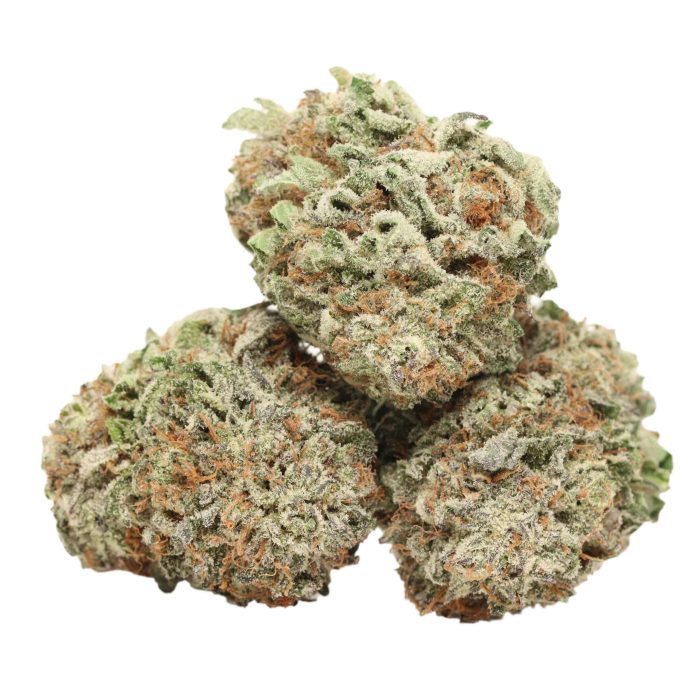
Meringue Strain
Meringue Strain is a modern hybrid cannabis cultivar created from two influential dessert-style strains:
Wedding Cake × Animal Cookies
Leafly currently describes Meringue as approximately:
60% indica and 40% sativa
with about:
24% THC.
Its leading consumer-reported effects include:
- uplifted;
- happy;
- hungry.
Its leading flavor characteristics include:
- lemon;
- sweet;
- citrus.
Meringue is also a useful strain for explaining frequently searched U.S. cannabis-law questions such as:
is growing weed legal, in what states is growing weed legal, is growing weed illegal, is it legal to grow pot, how many weed plants can you grow, is it legal to grow pot in CA, and growing weed laws in California.
The most important answer is that marijuana cultivation laws are state-specific.
Some states permit adults 21 and older to cultivate a limited number of cannabis plants at home.
Some allow cultivation only for qualifying medical cannabis patients.
Others prohibit home cultivation even though adult possession and retail cannabis may be legal.
California currently permits adults 21 and older to grow up to six cannabis plants at home, although cities and counties may establish additional local requirements.
For additional U.S.-focused strain, cultivation-law, cannabinoid and marijuana education, explore Cannabistopgrade.com.
Meringue Strain Quick Profile
| Characteristic | Meringue Strain |
|---|---|
| Type | Hybrid |
| Approximate classification | 60% indica / 40% sativa |
| Genetics | Wedding Cake × Animal Cookies |
| THC reference | About 24% |
| Leading effects | Uplifted, happy, hungry |
| Leading flavors | Lemon, sweet, citrus |
| Aroma | Sweet, citrus, dessert-like, pungent |
| Parent 1 | Wedding Cake |
| Parent 2 | Animal Cookies |
| California adult home grow | Up to 6 plants |
| Minimum California adult age | 21 |
| Commercial cultivation | Requires appropriate licensing |
| Local California restrictions possible? | Yes |
| Universal U.S. home-grow law? | No |
What Is Meringue Strain?
Meringue is a hybrid marijuana strain bred from:
Wedding Cake × Animal Cookies.
Both parents come from influential modern cannabis families and contribute substantial Cookies-related ancestry.
Leafly describes Meringue as:
40% sativa and 60% indica.
It is known primarily for its:
- sweet aroma;
- citrus flavor;
- dessert-style character;
- relatively high THC level.
The strain name reflects its sweet aromatic characteristics, which are frequently compared with meringue pie and other dessert flavors.
Meringue Strain Genetics
The documented parentage is:
Wedding Cake × Animal Cookies.
Wedding Cake contributes dessert, vanilla, earthy and peppery characteristics.
Animal Cookies contributes sweetness, dough, earth and Cookies-family genetics.
The result is a heavily hybridized modern cannabis cultivar.
Wedding Cake Parent
Wedding Cake is one of the most recognizable modern hybrid strains.
It is commonly associated with:
- vanilla;
- sweetness;
- pepper;
- earth;
- dessert aromas.
Wedding Cake itself has influenced many newer cultivars.
Animal Cookies Parent
Animal Cookies is another influential hybrid.
It is associated with:
- sweet dough;
- earth;
- pungent aromas;
- Cookies genetics.
Combining Animal Cookies with Wedding Cake reinforces Meringue’s dessert-oriented profile.
Is Meringue Indica or Sativa?
Meringue is technically a hybrid.
Leafly currently describes it as approximately:
60% indica and 40% sativa.
That makes it an indica-leaning hybrid under conventional cannabis marketing terminology.
However, exact indica and sativa percentages should not be interpreted as laboratory measurements.
Modern commercial cannabis has undergone extensive hybridization.
Meringue Strain THC
Leafly currently lists Meringue at approximately:
24% THC.
That would generally place the cultivar within the relatively high-THC flower category.
The actual THC concentration can differ among batches.
Why Meringue THC Can Change
Cannabinoid concentration may vary according to:
- genetics;
- phenotype;
- growing environment;
- lighting;
- harvest timing;
- drying;
- curing;
- storage;
- laboratory method.
Therefore, 24% THC should be treated as a strain reference rather than a guaranteed result for every Meringue flower product.
Is Meringue Strain Strong?
A cannabis flower product testing around 24% THC would generally be considered relatively potent.
Potential unwanted effects from high-THC cannabis may include:
- dry mouth;
- dizziness;
- anxiety;
- impaired judgment;
- impaired reaction time.
Individual responses vary substantially.
Meringue Strain Effects
Leafly currently identifies leading consumer-reported effects including:
- uplifted;
- happy;
- hungry.
Its overall effect profile is described as leaning more calming than energizing.
These reports are subjective.
They should not be interpreted as proof that Meringue will produce the same response in every person.
Meringue Strain Flavor
The principal Leafly flavor descriptions are:
- lemon;
- sweet;
- citrus.
These characteristics contribute to the strain’s dessert-inspired name.
Meringue Strain Aroma
Common descriptions include:
- sweet;
- citrus;
- pungent;
- creamy;
- dessert-like.
The specific aroma depends on the plant’s terpene profile and freshness.
Meringue vs. Lemon Meringue
Meringue should not be confused with:
Lemon Meringue.
Lemon Meringue is a separate strain.
Leafly currently describes Lemon Meringue as:
Lemon Skunk × Cookies and Cream
and classifies it as a sativa.
Therefore, Meringue and Lemon Meringue are distinct cultivars despite their similar names.
Meringue vs. Cherry Meringue
Cherry Meringue is another separate cannabis cultivar.
Leafly lists Cherry Meringue at approximately:
23% THC
and notes that its genetics can vary because different breeders have used the name.
This demonstrates why complete strain names matter.
Meringue vs. Chocolate Meringue
Chocolate Meringue is also a separate cultivar.
Leafly identifies it as:
Lemon Tree × Chocolate Kush.
Therefore:
Meringue, Lemon Meringue, Cherry Meringue and Chocolate Meringue should not be treated as interchangeable names.
Is Growing Weed Legal?
The answer depends entirely on jurisdiction.
In parts of the United States:
Yes, limited home cultivation is legal.
In other states:
No, unauthorized cannabis cultivation remains illegal.
Some states permit home cultivation only for:
- registered medical patients;
- designated caregivers.
Others permit it for any adult age 21 or older within specified plant limits.
In What States Is Growing Weed Legal?
As of 2026, adult-use home cultivation is generally authorized in states including:
Alaska, Arizona, California, Colorado, Connecticut, Maine, Maryland, Massachusetts, Michigan, Minnesota, Missouri, Montana, Nevada, New Mexico, New York, Ohio, Oregon, Rhode Island, Vermont and Virginia.
Washington, D.C. also permits limited adult personal cultivation, although it is not a state.
Rules differ substantially among these jurisdictions.
For example:
- some count mature and immature plants separately;
- some impose household caps;
- some require plants to be locked;
- some require plants to remain out of public view;
- Nevada imposes additional location-related restrictions in certain circumstances.
Always verify the current rules of the specific state and municipality.
Adult-Use States That Do Not Generally Allow Home Growing
Not every state that legalized adult-use marijuana allows adults to grow it at home.
As of 2026, four adult-use legalization states generally do not authorize ordinary adult personal cultivation:
Delaware
Illinois
New Jersey
Washington
Illinois does have different rules for qualifying medical cannabis patients.
This distinction is important.
Legal Marijuana Does Not Automatically Mean Legal Growing
Someone might legally purchase marijuana from a state-licensed retailer while still being prohibited from growing marijuana plants at home.
Retail legalization and home cultivation are separate policy questions.
That is why searches for is growing weed legal must be answered on a state-by-state basis.
Is Growing Weed Illegal?
Growing marijuana is illegal when cultivation is not authorized by applicable law.
Illegal cultivation can arise when someone:
- grows in a state that prohibits home cultivation;
- exceeds the permitted plant limit;
- fails to qualify under a medical cultivation program;
- violates applicable local regulations;
- engages in unlicensed commercial production.
Penalties vary widely.
Is It Legal to Grow Pot?
“Pot” is simply another term for marijuana.
Therefore, is it legal to grow pot means the same thing legally as asking whether marijuana cultivation is permitted.
The answer depends on:
- state;
- age;
- medical status;
- plant count;
- location;
- purpose.
Personal home cultivation and commercial cultivation are also legally different.
Personal Cannabis Growing vs. Commercial Growing
Home cultivation usually means a person grows a limited number of plants for legally authorized personal use.
Commercial cultivation means growing cannabis as part of a business.
Commercial growers typically require:
- state cannabis licenses;
- local authorization;
- compliant premises;
- regulatory oversight.
A state’s personal home-grow law does not authorize someone to operate an unlicensed commercial cannabis farm.
How Many Weed Plants Can You Grow?
There is no single U.S. plant limit.
Examples demonstrate the variation.
| State | Typical Adult Personal Limit |
|---|---|
| California | Up to 6 plants |
| Colorado | Up to 6 plants per adult, subject to household limits |
| Arizona | Up to 6 plants per adult, maximum 12 per household |
| Oregon | Up to 4 plants per residence |
| Ohio | Up to 6 plants per adult, maximum 12 per household |
| Alaska | Up to 6 plants, with restrictions on mature plants |
| Connecticut | 3 mature + 3 immature plants per adult, subject to household rules |
These examples should not substitute for current state statutes because rules can change.
Why Plant Limits Differ
State legislatures and voter initiatives created cannabis laws independently.
As a result, states use different systems.
Some regulate:
total plants.
Others distinguish:
mature flowering plants and immature plants.
Some apply a:
household limit
even when multiple adults live together.
Mature vs. Immature Cannabis Plants
A mature plant is generally a plant that has entered its flowering stage.
An immature cannabis plant is still in vegetative development.
Certain states separately regulate how many of each type may be possessed.
California’s general adult-use home cultivation limit, however, focuses on a maximum of:
six plants.
Is It Legal to Grow Pot in CA?
Yes.
California adults who are:
21 years of age or older
may legally grow cannabis at home for personal use.
The state Department of Cannabis Control currently states:
up to six cannabis plants.
Local regulations can still apply.
California’s Six-Plant Rule
California allows an adult age 21 or older to cultivate:
no more than six living cannabis plants.
The limit is associated with the residence rather than allowing every adult occupant to multiply the number indefinitely.
Therefore, multiple adults living together should not automatically assume each person gets six separate recreational plants.
Can California Cities Ban Home Cannabis Growing?
California local governments may regulate personal cultivation.
Cities and counties can establish reasonable rules concerning cultivation.
They may regulate issues such as:
- where plants are grown;
- whether cultivation must occur indoors;
- permits;
- safety;
- nuisance controls.
However, California’s state framework preserves limited personal cultivation rights.
California Indoor Growing Rules
A city or county may require adult-use home cultivation to take place indoors.
California therefore advises residents to check the rules of their:
- city;
- county.
State legality alone does not answer every local cultivation question.
California Outdoor Cannabis Growing
Outdoor cultivation may be subject to stricter local rules.
Some municipalities may restrict or prohibit outdoor personal grows while permitting compliant indoor cultivation.
Anyone researching growing weed laws in California should therefore check local ordinances in addition to state law.
Can Renters Grow Cannabis in California?
Property rights create another layer.
The California Department of Cannabis Control notes that property owners can prohibit cannabis activities on privately owned property.
Therefore, renters should review:
- lease agreements;
- property rules.
State cannabis legalization does not eliminate private-property restrictions.
Growing Cannabis on Federal Property
California cannabis legalization does not override federal jurisdiction.
California’s Department of Cannabis Control warns that cannabis remains prohibited on federal lands.
Federal lands include certain:
- national parks;
- federal facilities.
State authorization should not be assumed to apply there.
Can California-Grown Cannabis Cross State Lines?
No state home-grow law creates authorization to transport marijuana across state lines.
California specifically warns that cannabis cannot legally be taken across state lines under its state legalization framework.
A plant lawfully cultivated under California law remains subject to jurisdictional restrictions.
Growing Weed Laws in California
California’s personal cultivation framework can be summarized as follows:
Age: 21+ for adult use.
General plant limit: up to six cannabis plants at home.
Local rules: cities and counties may impose additional requirements.
Private property: owners and leases can restrict cultivation.
Commercial sales: personal cultivation does not authorize selling cannabis.
Commercial production: requires applicable cannabis licensing.
California Medical Cannabis Growing
Medical cannabis rules differ somewhat from ordinary adult-use cultivation.
California’s Department of Cannabis Control notes that medicinal users may be able to grow more plants when appropriately recommended by their physician.
Specific medical cultivation protections and local requirements should be reviewed separately.
Adult-Use vs. Medical Cannabis Growing in California
| Issue | Adult Use | Medical |
|---|---|---|
| Minimum framework | Adults 21+ | Qualified medicinal users |
| General plant rule | Up to 6 | Can differ under medical rules |
| Commercial sale allowed? | No | No, not merely from patient status |
| Local regulations apply? | Yes | Yes |
| Commercial license required to operate cultivation business? | Yes | Yes |
California Commercial Cannabis Cultivation
Growing cannabis commercially is a completely separate activity.
The California Department of Cannabis Control states that a cultivation license is required to commercially cultivate cannabis.
License categories depend on factors including:
- canopy area;
- lighting;
- outdoor cultivation;
- indoor cultivation;
- mixed-light cultivation.
California Outdoor Cultivation Licenses
Commercial outdoor cultivation uses natural sunlight rather than artificial lighting on mature plants.
License size can depend on canopy or plant count.
This should not be confused with an individual’s six-plant personal cultivation right.
California Indoor Cultivation Licenses
Commercial indoor cultivation occurs in a permanent structure using artificial light.
California determines certain license types partly according to:
- canopy size;
- lighting intensity.
This licensing system applies to commercial businesses.
California Mixed-Light Cannabis Cultivation
Mixed-light cultivation may occur in structures such as:
- greenhouses;
- hoop houses;
- glasshouses;
- conservatories.
California uses different licensing tiers based partly on artificial-light intensity.
Again, these regulations are directed primarily at licensed commercial operations.
Can You Sell Cannabis You Grow at Home in California?
Personal cultivation does not authorize unlicensed commercial sales.
A person who wants to cultivate cannabis commercially must comply with:
- state licensing;
- local authorization;
- business regulations.
The legal right to grow a limited number of plants for personal use should not be confused with a right to sell marijuana.
Can You Grow More Than Six Plants in California?
Ordinary adult-use cultivation is limited to six plants.
Medical cannabis law can provide different rules for qualified patients under appropriate circumstances.
Commercial cultivators operate under separate license structures.
Exceeding the applicable personal limit without legal authorization can create legal problems.
Do California Cannabis Plants Need to Be Hidden?
California’s framework includes restrictions intended to prevent personal cultivation from being openly visible or accessible in inappropriate locations.
Local governments can impose further requirements.
People should check current municipal rules before establishing a lawful personal grow.
Do Cannabis Plants Need to Be Locked?
Some states explicitly require cannabis plants to be:
- locked;
- secured;
- inaccessible to minors.
California local regulations can also address security and location.
A legal home grow should always comply with both state and local requirements.
States With Medical-Only Home Cultivation
Some states that do not have general adult-use home growing may permit registered medical patients to cultivate.
Rules can include:
- patient registration;
- caregiver status;
- residence-distance requirements;
- plant limits.
Medical cultivation should never be assumed simply because a state has a medical cannabis program.
States Where Medical Cannabis Does Not Automatically Permit Home Growing
Several medical cannabis states restrict or prohibit patient home cultivation.
For example, Marijuana Policy Project’s current analysis identifies states including:
- Alabama;
- Arkansas;
- Delaware;
- Florida;
- Kentucky;
- Louisiana;
- Mississippi;
- Nebraska;
- New Hampshire;
- New Jersey;
- North Dakota;
- Pennsylvania;
- Texas;
- Utah;
- West Virginia;
as lacking general medical home cultivation under their current programs.
Rules can change, so current state sources should always be checked.
Washington’s Unusual Home-Grow Rule
Washington illustrates an important exception.
It legalized adult-use marijuana but does not generally permit ordinary recreational consumers to cultivate cannabis at home.
Registered medical patients can have different cultivation rights.
This demonstrates why “weed is legal there” is not enough information.
Illinois Home-Grow Rules
Illinois also legalized recreational marijuana.
However, general adult-use home cultivation remains prohibited.
Registered qualifying medical cannabis patients can have limited cultivation rights.
New Jersey Home-Grow Rules
New Jersey permits adult-use cannabis possession and licensed retail sales but does not currently authorize ordinary home cultivation.
Proposals to change this have been introduced, but proposed legislation is not the same as enacted law.
Delaware Home-Grow Rules
Delaware has legalized adult-use marijuana but does not generally authorize recreational home cultivation.
This again demonstrates that legalization laws differ from state to state.
Nevada Home-Grow Restrictions
Nevada permits limited adult personal cultivation only under certain circumstances.
One important restriction historically relates to distance from a licensed retail cannabis establishment.
Therefore, Nevada residents should verify current eligibility before assuming home cultivation is allowed.
Why “Six Plants” Does Not Mean Six Pounds
Plant-count limits regulate the number of plants, not a guaranteed quantity of finished cannabis.
Individual plants can vary dramatically according to:
- genetics;
- size;
- environment;
- maturity.
Possession rules for harvested cannabis may also differ from plant-count rules.
Cannabis Seeds and State Law
The legal status of cultivating marijuana plants should not be inferred solely from whether cannabis seeds are available.
The act of germinating and cultivating plants can be separately regulated.
State cultivation law remains the controlling consideration.
Meringue Strain as a Home-Grow Example
Meringue illustrates why strain legality and cultivation legality are separate.
A strain may be recognized nationally, yet the ability to cultivate it legally depends entirely on jurisdiction.
The question is not simply:
“Is Meringue legal?”
It is:
“Does the applicable state and local law authorize this person to cultivate cannabis?”
Meringue Strain Growing Characteristics
Published consumer strain databases primarily document Meringue’s:
- genetics;
- THC;
- flavors;
- effects.
They do not provide one universally verified cultivation standard for every Meringue phenotype.
Grow characteristics can vary significantly among seed lines and producers.
For legal-information purposes, the relevant issue is the applicable plant limit rather than how to maximize yield.
Cannabis Cultivation and Children
States commonly impose restrictions designed to prevent access by minors.
Responsible legal cultivation should comply with:
- age restrictions;
- secure-storage rules;
- local ordinances.
Cannabis plants should not be accessible to children.
Cannabis Cultivation and Neighbors
Home cultivation can generate:
- odor;
- lighting;
- noise;
- security concerns.
Local governments may use nuisance, zoning and building rules to address these issues.
Legal state cultivation therefore does not eliminate every local obligation.
Cannabis Cultivation and Pesticides
Commercial cannabis cultivators face pesticide restrictions.
California’s regulated industry coordinates cannabis pesticide rules with state agencies.
Products used on ordinary agricultural crops are not automatically approved for cannabis.
California Commercial Cultivation Updates in 2026
California’s Department of Cannabis Control adopted updated cultivation and sanitation regulations effective:
July 1, 2026.
Changes addressed areas including:
- harvest batch tracking;
- labeling;
- sanitation standards;
- certain license modifications.
These regulations apply to licensed commercial cannabis operations rather than changing the ordinary six-plant adult personal-use limit.
Is Growing Weed Legal Federally?
State authorization and federal law are separate issues.
A state’s home-cultivation law protects conduct under that state’s legal framework but does not mean marijuana cultivation has become universally lawful under federal law.
Federal jurisdiction is particularly relevant on federal property and across state borders.
Is Growing Weed Legal Everywhere Cannabis Is Sold?
No.
This is one of the most important answers on this page.
Several jurisdictions permit licensed retail cannabis while limiting or prohibiting personal cultivation.
Consumers must distinguish among:
- legal possession;
- legal retail purchase;
- legal home cultivation;
- licensed commercial cultivation.
These are separate legal categories.
How Many Weed Plants Can You Grow in California?
For ordinary adult use:
up to six cannabis plants at a private residence for adults age 21 or older.
Local regulations still matter.
Qualified medical cannabis patients can fall under different cultivation provisions.
California Home Grow vs. Commercial Grow
| Feature | Personal Home Grow | Commercial Cultivation |
|---|---|---|
| Purpose | Personal use | Commercial production |
| Adult-use plant limit | Up to 6 plants | Depends on license |
| State cultivation business license | Not for lawful personal grow | Required |
| Local rules apply | Yes | Yes |
| Unlicensed sales permitted | No | No |
| Canopy categories | Not ordinary personal framework | Used for license classification |
Common Home-Grow Legal Mistakes
Common misunderstandings include believing:
- every legal state permits home growing;
- six plants means six plants per person in every state;
- medical cannabis always permits cultivation;
- a personal grow may be sold commercially;
- local law cannot impose restrictions;
- state legalization applies on federal land.
None of these assumptions is universally correct.
Educational Resources
For more U.S.-focused cannabis strain, cultivation-law and cannabinoid education, explore Cannabistopgrade.com.
Regarding current Meringue genetics, THC, effects and flavor information, review the Leafly Meringue Strain Guide.
For California’s official personal cannabis possession and home-cultivation rules, review the California Department of Cannabis Control – What’s Legal.
For current state cannabis legislation and policy changes, review the National Conference of State Legislatures Cannabis Policy Database.
Regarding additional U.S. home-cultivation policy comparisons, review the Marijuana Policy Project Home Cultivation Resources.
Continue exploring strains, U.S. marijuana laws and cannabis-policy education at Cannabistopgrade.com.
Frequently Asked Questions
1. What is Meringue Strain?
Meringue Strain is a hybrid cannabis cultivar created from Wedding Cake × Animal Cookies. Leafly currently describes it as approximately 60% indica and 40% sativa with around 24% THC. Its leading reported flavors include lemon, sweet and citrus.
2. Is growing weed legal?
Growing marijuana is legal for qualifying adults or medical patients in some U.S. jurisdictions, but not everywhere. Several adult-use states permit limited personal cultivation, while others allow marijuana sales but prohibit recreational home growing. State and local laws must both be checked.
3. In what states is growing weed legal for adults?
As of 2026, adult personal cultivation is generally authorized in Alaska, Arizona, California, Colorado, Connecticut, Maine, Maryland, Massachusetts, Michigan, Minnesota, Missouri, Montana, Nevada subject to additional restrictions, New Mexico, New York, Ohio, Oregon, Rhode Island, Vermont and Virginia. Washington, D.C. also permits limited personal cultivation. Exact plant limits vary.
4. How many weed plants can you grow?
There is no nationwide number. California allows up to six plants for adults 21+, Oregon generally allows four per residence, while states such as Arizona and Ohio permit up to six per adult with a 12-plant household limit. Other states use mature-versus-immature plant rules or prohibit adult home cultivation.
5. Is it legal to grow pot in CA?
Yes. California adults 21 and older may grow up to six cannabis plants at home for personal use. Cities and counties can impose additional reasonable requirements, including rules concerning indoor cultivation, permits and location.
6. What are the growing weed laws in California?
California’s general adult-use rule permits adults 21+ to cultivate up to six plants at home. Local ordinances can regulate where and how cultivation takes place. Personal cultivation does not authorize commercial sales, and anyone growing cannabis commercially requires the appropriate state and local licensing.
Be the first to review “Meringue Strain”
Related products
Hybrid cannabis strains
Hybrid cannabis strains
Hybrid cannabis strains
Hybrid cannabis strains
Hybrid cannabis strains
Hybrid cannabis strains
Hybrid cannabis strains
Hybrid cannabis strains
Reviews
There are no reviews yet.