
Uncategorized
Does Indica Make You Tired? What the Science and Strain Labels Really Tell You
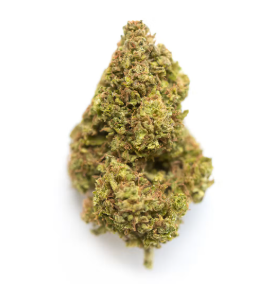
Nov
If you’ve ever smoked an indica and felt your eyelids get heavy, you’re not imagining it — but “indica makes you tired” is a simpler story than the plant actually tells. The short answer: many indica strains are associated with relaxation and sedation, largely because of their terpene profiles, THC levels, and how they’re consumed. Yet the label “indica” itself is more of a cultural category than a strict botanical guarantee. This guide breaks down what’s actually happening, when to expect couch-lock, and how to shop smart — whether you’re browsing a cannabis dispensary NJ locals trust or comparing menus online.
What “Indica” Actually Means
Historically, cannabis was divided into Cannabis indica and Cannabis sativa based on plant structure — indica plants tend to be shorter and bushier, sativas taller and lankier. Modern taxonomy treats these largely as the same species, and most commercial strains are hybrids. That means the indica/sativa label on a jar is often shorthand for expected effects rather than a scientific classification.
For a fuller background on how these categories developed, see Wikipedia’s overview of Cannabis indica. The key takeaway: “indica” is a useful consumer signal, not a chemical formula.
Why Indica Strains Tend to Feel Sedating
Several factors combine to produce that heavy, tired feeling.
Terpenes Play a Big Role
Terpenes are aromatic compounds that influence how a strain feels. Indica-leaning cultivars often carry higher concentrations of myrcene, a terpene linked in cannabis culture to deep relaxation and sedation. Other common players include linalool and humulene. These aren’t sedatives in the pharmaceutical sense, but they shape the overall experience.
THC Content and “Couch-Lock”
Higher THC is frequently associated with stronger sedative effects, especially at higher doses. Many indica strains are bred for potency, so a single strong hit can tip you toward drowsiness. Lower-THC users or those with low tolerance often feel this more sharply.
Time of Day and Set/Setting
Smoking late in the evening, after a long day, on a full stomach, or while already fatigued amplifies tiredness regardless of strain. The strain doesn’t work in a vacuum — your body, mood, and environment matter enormously.
What the Research Actually Says
Scientific evidence on strain-specific effects is still limited, partly because the indica/sativa classification doesn’t map cleanly onto lab chemistry. Studies on cannabis and sleep suggest THC can help some people fall asleep but may disrupt sleep architecture over time. Researchers publishing through PubMed continue to explore these links, and the findings are nuanced rather than definitive.
The practical takeaway: treat strain labels as a starting hypothesis, not a promise. Your individual response is the real test.
How to Choose an Indica Without Overdoing the Sedation
Not every indica will knock you out. Here’s how to manage the tiredness factor:
- Check the THC percentage. A 15% indica often feels very different from a 28% one.
- Ask about terpenes. A myrcene-heavy strain leans sedating; one with more limonene or pinene may feel more balanced.
- Start low and go slow. A small amount lets you gauge effects before committing.
- Match timing to purpose. Save heavier indicas for evening; choose balanced hybrids for daytime.
- Consider consumption method. Edibles deliver longer, sometimes stronger sedation than inhalation.
If you’re exploring options, a well-informed Jersey dispensary team can walk you through the menu and terpene data before you buy.
Indica vs. Sativa: A Quick Comparison
| Factor | Indica-leaning | Sativa-leaning |
|---|---|---|
| Typical effect | Relaxing, sedating | Energizing, cerebral |
| Common terpenes | Myrcene, linalool | Limonene, pinene |
| Best time | Evening, wind-down | Daytime, activity |
| Plant shape | Short, bushy | Tall, narrow |
This is a generalization, not a rule. Many “sativa” strains still make people tired, and some indicas feel surprisingly clear-headed.
Shopping Tips for Tiredness-Sensitive Consumers
Read the label closely — many modern products list terpenes and cannabinoid profiles. If you’re buying from a weed dispensary in New Jersey, ask staff whether a strain is “heavy” or “functional.” Budtenders who know their inventory can point you toward an indica that relaxes without flattening you.
Also consider dosage formats: a low-dose edible or a moderate pre-roll can deliver relaxation without overwhelming sedation. And keep timing in mind — the same strain can feel different at noon versus midnight.
Frequently Asked Questions
Does indica always make you tired?
No. Indica-leaning strains are more associated with sedation, but effects vary by THC content, terpenes, dose, tolerance, and setting. Many people use indicas without significant drowsiness.
What makes an indica strain more sedating?
Higher myrcene content, elevated THC levels, and larger doses are the most commonly cited factors. Evening use and personal tolerance also play major roles.
Can I use indica during the day?
Yes — choose lower-THC indica hybrids and start with small amounts. Balanced strains with mixed terpenes often work better for daytime relaxation than heavy, high-THC indicas.
Does indica help with sleep?
Some consumers report it helps them wind down, and research on THC and sleep is ongoing. It’s not a proven treatment for insomnia, so consult a healthcare professional for sleep concerns.
How do I avoid getting too tired from an indica?
Check THC percentage, ask about terpenes, start with a low dose, and match the strain to your schedule. A knowledgeable dispensary can help you pick a functional indica.
The Bottom Line
Indica strains often do make people tired, but the effect comes from a mix of chemistry, dose, and context — not the label alone. Use THC content and terpene info, start low, and pick your timing carefully. The smartest approach is experimentation with informed guidance, whether you shop in person or arrange same-day weed delivery in North New Jersey to plan your evening on your own terms.
