
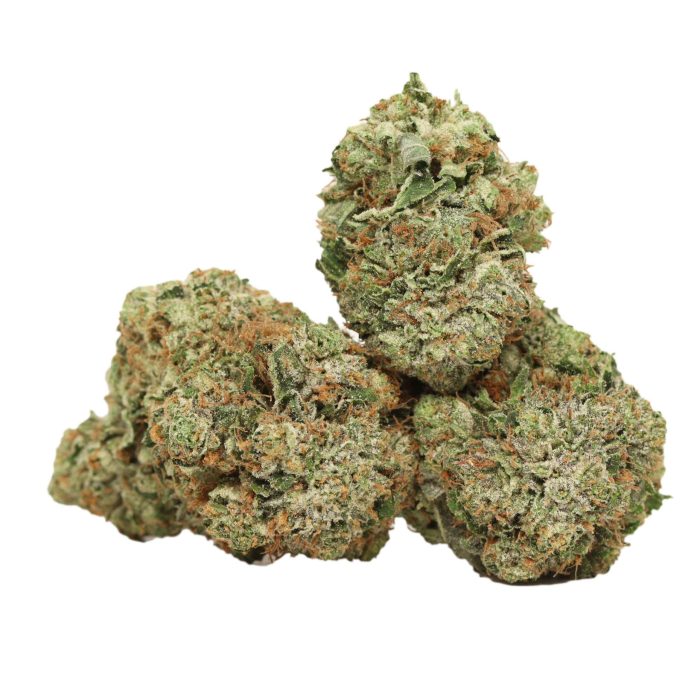
Gush Mints strain
$280.00
1 Oz
Category: Hybrid cannabis strains
Tags: cannabis cannabinoids, cannabis concentrates, cannabis edibles, cannabis examples, cannabis flower, cannabis pre-rolls, cannabis rosin, cannabis strains examples, cannabis tinctures, cannabis vape products, Cannabistopgrade, F1 Durb, forms of cannabis, forms of pot, Gush Mints cannabis, Gush Mints effects, Gush Mints genetics, Gush Mints Strain, Gush Mints terpenes, Gush Mints THC, Gush Mintz strain, Gushers strain, Gushmints weed, high THC cannabis, kush mints, live resin, premium cannabis flower, premium marijuana flower, premium weed, Purple City Genetics
Gush Mints Strain is a modern indica-dominant hybrid associated with dense trichome-covered flowers, sweet and gassy aromas, mint and pine undertones, and relatively high THC potential.
The cultivar is also commonly written:
- Gush Mintz;
- Gushmints;
- Gush Mints.
Purple City Genetics is widely credited with breeding the strain from:
Kush Mints × (F1 Durb × Gushers/TK41)
Leafly currently lists Gush Mintz at approximately 21% THC and 1% CBG, with its most commonly reported consumer effects described as sleepy, tingly, and relaxed.
However, current regulated commercial flower listings demonstrate much wider variation. Recent Gush Mints flower examples have tested around:
- 19.82% THC;
- 21.2% THC;
- 26% THC;
- 26.39% THC;
- 27.76% THC;
- 32.24% THC.
This makes Gush Mints a useful example for understanding premium cannabis flower, forms of pot, and broader cannabis examples.
A strain name can describe genetics and cultural identity, but it does not guarantee a precise chemical composition.
For more U.S.-focused strain, cannabinoid, product-format, and cannabis education, explore Cannabistopgrade.com.
Gush Mints Strain Quick Profile
| Characteristic | Gush Mints Strain |
|---|---|
| Common names | Gush Mints, Gush Mintz, Gushmints |
| Classification | Indica-dominant hybrid |
| Breeder | Purple City Genetics |
| Genetics | Kush Mints × (F1 Durb × Gushers/TK41) |
| Leafly THC reference | About 21% |
| Leafly CBG reference | About 1% |
| Current commercial flower examples | About 19.8–32.2% THC |
| Common reported effects | Sleepy, tingly, relaxed |
| Common flavors | Mint, nutty, pepper |
| Leading terpenes | Limonene, caryophyllene, linalool |
| Typical appearance | Dense green/purple buds with heavy trichomes |
| Best potency reference | Batch-specific laboratory result |
The wide potency range is normal for cannabis because phenotype, cultivation, harvest, moisture, curing, and laboratory methodology all affect measured cannabinoid concentrations.
What Is Gush Mints Strain?
Gush Mints is an indica-dominant hybrid developed by Purple City Genetics.
It combines several highly influential modern cannabis families:
- Kush Mints;
- F1 Durb;
- Gushers;
- TK41-related genetics.
This combination helped produce a strain associated with:
- sweet aromas;
- fuel;
- pine;
- mint;
- dense flower structure;
- substantial resin production.
Gush Mints became prominent enough to earn recognition in competitive cannabis circles and was named a Leafly Strain of the Year 2025 nominee.
Gush Mints Genetics
Leafly describes Gush Mints as:
Kush Mints × F1 Durb × TK41
while current commercial listings frequently describe the lineage as:
Kush Mints × (F1 Durban × Gushers).
These descriptions are broadly compatible because TK41 is commonly associated with the broader Gushers genetic family in modern strain documentation.
The important point is that Gush Mints combines:
Kush Mints Influence
Kush Mints-derived cultivars are commonly associated with:
- mint;
- earth;
- gas;
- dense flower structure;
- high resin potential.
Its influence contributes substantially to the minty and Kush-like characteristics found in Gush Mints.
F1 Durb Influence
F1 Durb contributes Durban-family genetics.
These genetics are frequently associated with:
- herbal aromas;
- citrus;
- spice;
- energetic genetic expression.
The F1 Durb contribution helps create complexity beyond the heavier Kush side of the strain.
Gushers Influence
Gushers belongs to the broader Cookies-related cannabis family.
Gushers-derived cultivars are often associated with:
- sweetness;
- fruit;
- dessert-like aromas;
- fuel undertones.
This contributes to Gush Mints’ characteristic sweet-gas profile.
Is Gush Mints Indica or Sativa?
Gush Mints is generally described as an indica-dominant hybrid.
Leafly identifies it simply as hybrid while describing it as heavily indica-dominant in accompanying strain information.
Some commercial listings use ratios such as:
70% indica / 30% sativa.
These ratios should be treated as broad commercial descriptions rather than exact botanical measurements.
Modern cannabis cultivars are highly hybridized.
Gush Mints THC Percentage
Leafly currently lists approximately:
21% THC.
However, current commercial examples demonstrate that actual flower can vary substantially.
Recent product results include:
| Gush Mints Product Example | Reported THC |
|---|---|
| Premium flower batch | 19.82% |
| Pre-packed premium flower | 21.2% |
| Joint/pre-roll | 23.67% |
| 28 g flower | 24.5% |
| Premium flower | 26% |
| Premium flower | 26.39% |
| Big buds flower | 27.76% |
| 7 g flower | 32.24% |
These are individual product results, not universal strain specifications.
Why Gush Mints THC Varies
THC can differ because of:
- phenotype;
- cultivar selection;
- lighting;
- nutrition;
- climate;
- harvest timing;
- drying;
- curing;
- moisture;
- storage;
- laboratory methodology.
That is why batch-specific laboratory results provide better information than strain averages.
Is Gush Mints Strong?
Some Gush Mints flower tests above 25% THC, and occasional batches reach the low-30% range.
Those products would generally be considered relatively high-THC cannabis flower.
Higher THC can increase the likelihood of unwanted effects including:
- anxiety;
- dizziness;
- confusion;
- paranoia;
- impaired attention.
Potency does not automatically equal quality.
Gush Mints Effects
Leafly currently lists the most frequently reported effects as:
- sleepy;
- tingly;
- relaxed.
Other current commercial listings describe:
- euphoria;
- relaxation;
- uplifted mood;
- body-centered effects.
These are consumer reports rather than guaranteed outcomes.
Does Gush Mints Make You Sleepy?
Sleepiness appears prominently in Leafly’s current consumer data.
That does not mean Gush Mints is a clinically proven sleep treatment.
Cannabis effects vary by:
- dose;
- tolerance;
- THC concentration;
- individual physiology;
- other substances.
Sleep-related strain descriptions should therefore remain observational.
Does Gush Mints Cause Relaxation?
Relaxation is another frequently reported effect.
Some consumers describe strong body relaxation after an initial euphoric period.
Others may experience less desirable effects, especially with high-THC products.
Gush Mints Flavor
Leafly’s current top flavor descriptors include:
- mint;
- nutty;
- pepper.
Commercial descriptions add:
- gas;
- sweetness;
- pine;
- citrus;
- berry;
- candy.
This creates a layered flavor profile rather than one single dominant note.
Gush Mints Aroma
Common aroma descriptions include:
- creamy gas;
- mint;
- pine;
- sweet fruit;
- earth.
Aroma depends significantly on freshness and terpene preservation.
Improper storage can reduce volatile aromatic compounds.
Gush Mints Terpenes
Leafly currently lists three prominent terpenes:
- limonene;
- caryophyllene;
- linalool.
These compounds contribute to cannabis aroma but do not guarantee specific therapeutic outcomes.
Limonene in Gush Mints
Limonene contributes citrus-like aroma.
It occurs naturally in many plants, especially citrus fruit peels.
In Gush Mints, it may contribute to bright citrus notes underneath the heavier gas and mint characteristics.
Caryophyllene in Gush Mints
Caryophyllene contributes:
- pepper;
- spice;
- woody characteristics.
It occurs naturally in black pepper, cloves, and other plants.
Linalool in Gush Mints
Linalool contributes:
- floral;
- lavender-like;
- slightly sweet aromas.
Its presence helps explain part of the strain’s softer aromatic character.
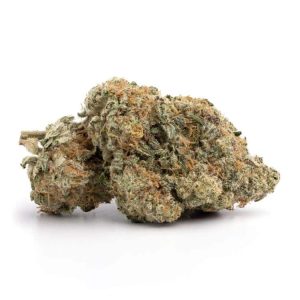
Gush Mints Appearance
Leafly describes Gush Mints as producing:
- dense flowers;
- dark green coloration;
- purple coloration;
- heavy trichome coverage.
These characteristics contribute to its reputation as visually premium cannabis flower.
What Is Premium Cannabis Flower?
Premium cannabis flower is a marketing term commonly used for marijuana buds perceived as having higher-than-average quality.
There is no universal federal scientific grade called “premium cannabis flower.”
Retailers and producers may use the term to describe flower with characteristics such as:
- strong aroma;
- intact trichomes;
- attractive bud structure;
- careful trimming;
- freshness;
- desirable genetics;
- laboratory-tested cannabinoid levels.
The term remains partly subjective.
Premium Cannabis Flower Is Not Just High THC
A common misconception is that premium flower must have the highest THC percentage.
That is not necessarily true.
A high-quality cannabis flower product can also be evaluated by:
- terpene expression;
- freshness;
- moisture balance;
- cleanliness;
- cure quality;
- genetics;
- physical integrity.
A 22% THC flower can sometimes have a stronger aroma than a 30% THC batch.
How Premium Flower Is Evaluated
Useful evaluation criteria include:
Appearance: intact flowers, healthy coloration, and appropriate trichome coverage.
Aroma: noticeable cultivar-specific terpene expression.
Freshness: flower should not appear excessively dry or degraded.
Testing: regulated-market cannabinoid and contaminant information can provide objective context.
Producer information: transparency about cultivator and batch is valuable.
Gush Mints as Premium Cannabis Flower
Gush Mints often appears in premium flower categories because of its:
- dense flowers;
- purple coloration;
- heavy resin;
- strong gas-and-mint aroma;
- popular genetics.
But the strain name alone does not make every batch premium.
A poorly stored Gush Mints product can still be lower quality.
Premium Flower vs. Top Shelf
“Premium” and “top shelf” are often used interchangeably.
Neither is a universally standardized laboratory grade.
Retailers may create internal categories such as:
- value;
- mid-tier;
- premium;
- top shelf;
- reserve.
These are commercial classifications.
Premium Flower vs. Exotic Weed
Premium flower and exotic weed are related but not identical concepts.
The word “Premium” usually suggests quality.
“Exotic” generally suggests:
- rarity;
- unusual genetics;
- distinctive appearance;
- unique aroma.
A strain can be premium without being exotic.
Cannabis Flower Anatomy
Cannabis flower commonly includes:
- calyx/bract structures;
- pistils;
- sugar leaves;
- trichomes.
Trichomes are especially important because they contain many cannabinoids and terpenes.
What Makes Cannabis Flower Frosty?
The white or crystalline coating seen on premium cannabis is largely composed of glandular trichomes.
These contain resin rich in:
- cannabinoids;
- terpenes;
- other plant compounds.
Gush Mints can display substantial trichome density.
Does Frostiness Prove High THC?
No.
A frosty appearance can suggest strong resin production, but it cannot accurately measure THC.
Laboratory testing is required for quantitative cannabinoid analysis.
What Are Forms of Pot?
The phrase forms of pot refers to different ways cannabis products appear in the marketplace.
“Pot” is a common slang term for marijuana.
Cannabis can be processed into many product categories.
Common forms include:
- flower;
- pre-rolls;
- concentrates;
- vape products;
- edibles;
- beverages;
- tinctures;
- capsules;
- topical products.
Each has different chemistry, onset, labeling, and risk considerations.
Cannabis Flower
Flower consists of dried cannabis buds.
It remains one of the most recognizable forms of marijuana.
Flower products are typically labeled by:
- strain;
- weight;
- THC;
- CBD;
- producer.
Pre-Rolls
Pre-rolls contain prepared cannabis flower rolled into ready-made joints.
Some are conventional flower products.
Others are infused with concentrates.
Infused pre-rolls can therefore have much higher cannabinoid concentrations.
Cannabis Vape Products
Cannabis vapes use oil or concentrate in cartridges or disposable devices.
Common vape categories include:
- distillate;
- live resin;
- rosin-derived oil.
Vape concentrates can contain much higher percentages of THC than flower.
Cannabis Concentrates
Concentrates are products in which cannabinoids and other cannabis compounds have been concentrated.
Examples include:
- live resin;
- rosin;
- shatter;
- wax;
- budder;
- hash.
These products can contain substantially more THC by weight than cannabis flower.
Cannabis Edibles
Edibles are foods or beverages infused with cannabinoids.
Examples include:
- gummies;
- chocolates;
- baked products;
- beverages.
Edible effects can have a delayed onset compared with inhaled cannabis.
Cannabis Tinctures
Tinctures are liquid cannabis preparations generally formulated for measured oral or sublingual use.
Labels may report concentrations in:
milligrams per milliliter (mg/mL).
Cannabis Capsules
Cannabinoids can also appear in capsules or softgels.
These provide a pre-measured oral format.
Effects and timing are more similar to other oral products than inhaled flower.
Cannabis Topicals
Topical cannabis products are applied to the skin.
Examples include:
- lotions;
- creams;
- balms.
Their formulations and intended uses differ from intoxicating inhaled or edible cannabis.
Forms of Pot Comparison
| Form | General Description | Potency Consideration |
|---|---|---|
| Flower | Dried cannabis buds | Usually lower concentration than extracts |
| Pre-roll | Prepared flower | May be conventional or infused |
| Vape | Concentrated cannabis oil | Often high THC |
| Live resin | Terpene-rich extract | Concentrated cannabinoids |
| Rosin | Solventless concentrate | Often high cannabinoid concentration |
| Gummies | Edible cannabis | Delayed oral effects |
| Tincture | Liquid cannabis preparation | Measured in mg/mL |
| Capsule | Oral cannabis product | Delayed onset |
| Topical | Skin-applied product | Different absorption profile |
Different forms should not be compared using THC percentage alone.
Cannabis Examples
The phrase cannabis examples can refer to examples of:
- strains;
- cannabinoids;
- product formats;
- plant types.
Cannabis is a broad category.
Examples of Cannabis Strains
Well-known strain examples include:
- Gush Mints;
- Blue Dream;
- Northern Lights;
- GSC;
- Wedding Cake;
- Gelato;
- Do-Si-Dos;
- Sour Diesel;
- OG Kush;
- Granddaddy Purple.
These are commercial cultivar names rather than separate cannabis species.
Examples of Cannabis Cannabinoids
Cannabis contains many cannabinoids.
Examples include:
- THC;
- CBD;
- CBG;
- CBC;
- CBN.
Different cultivars contain different concentrations.
THC
Delta-9-tetrahydrocannabinol, commonly called THC, is the primary cannabinoid associated with cannabis intoxication.
THC can affect:
- memory;
- attention;
- coordination;
- judgment.
CBD
Cannabidiol, or CBD, is another major cannabinoid.
CBD is not intoxicating in the same way as THC.
The cannabinoid ratio varies widely among cannabis cultivars.
CBG
Cannabigerol, or CBG, occurs in smaller concentrations in many cannabis strains.
Leafly currently lists Gush Mints at approximately 1% CBG.
That amount can still vary by batch.
CBN
Cannabinol, or CBN, is another cannabinoid found in cannabis.
Its concentration can change as cannabis ages because THC can degrade over time.
Examples of Cannabis Terpenes
Common cannabis terpenes include:
- limonene;
- myrcene;
- caryophyllene;
- pinene;
- linalool;
- terpinolene.
Terpenes contribute strongly to aroma.
Cannabis Examples by Product Type
Some Examples of flower products include:
- Gush Mints flower;
- Blue Dream flower;
- Wedding Cake flower.
Examples of concentrates include:
- live resin;
- rosin;
- shatter.
Examples of edibles include:
- THC gummies;
- cannabis chocolates;
- infused beverages.
Cannabis Examples by Broad Commercial Category
Modern cannabis products are also commonly described using commercial categories such as:
- indica;
- sativa;
- hybrid;
- CBD-dominant;
- balanced THC/CBD.
These categories provide broad guidance but do not fully predict effects.
Gush Mints 1:1 Is a Different Product
Leafly also currently lists Gush Mints 1:1, a separate CBD-balanced strain.
It is described as:
Gush Mints × Fruitcake CBD
with approximately:
16% THC and 16% CBD.
This should not be confused with standard high-THC Gush Mints.
Why Gush Mints 1:1 Matters
This separate cultivar demonstrates how a familiar strain name can be extended through breeding to create a substantially different cannabinoid profile.
Standard Gush Mints and Gush Mints 1:1 may share genetics but are chemically distinct.
Gush Mintz OG Is Also Different
Leafly also lists Gush Mintz OG as a separate cultivar.
Its genetics include:
- Gushers;
- Kush Mintz;
- OG Kush.
Leafly currently lists approximately 26% THC.
It should not automatically be treated as ordinary Gush Mints.
Gush Mints Flower vs. Gush Mints 1:1
| Feature | Gush Mints | Gush Mints 1:1 |
|---|---|---|
| General type | THC-dominant hybrid | CBD-balanced hybrid |
| Leafly THC | About 21% | About 16% |
| Leafly CBD | Low/not prominent | About 16% |
| Genetics | Kush Mints × F1 Durb × Gushers-family | Gush Mints × Fruitcake CBD |
| Same cultivar? | No | No |
This demonstrates why exact product names matter.
Premium Cannabis Flower and Laboratory Testing
A premium appearance should never replace testing.
Regulated-market laboratory analysis may evaluate:
- THC;
- THCA;
- CBD;
- minor cannabinoids;
- contaminants.
Different states have different testing requirements.
Cannabis Labels
Cannabis flower labels may include:
- cultivar name;
- total THC;
- THCA;
- CBD;
- weight;
- producer;
- batch number;
- packaging date.
Reading these details provides more useful information than relying only on marketing words.
THCA vs. THC
Raw cannabis flower often contains substantial amounts of THCA, the acidic precursor to THC.
Heating converts some THCA into delta-9 THC through decarboxylation.
This is why laboratory labels sometimes provide:
- THCA;
- delta-9 THC;
- calculated total THC.
Why Total THC Is Calculated Differently
Total THC often accounts for both:
- existing delta-9 THC;
- potential THC derived from THCA.
Laboratory labels can therefore look different even for similar products.
Premium Cannabis Flower and Freshness
Cannabis flower quality can decline during poor storage.
Potential problems include:
- excessive drying;
- terpene loss;
- cannabinoid degradation.
Freshness and appropriate storage can be important quality factors.
Premium Flower and Moisture
Extremely dry cannabis can:
- crumble easily;
- lose aroma;
- feel harsh.
Excessively wet cannabis can create other quality and safety concerns.
Balanced moisture therefore contributes to product quality.
Premium Cannabis Flower and Trimming
Well-trimmed flower generally contains fewer large leaves and stems.
However, appearance alone does not guarantee superior chemistry.
Some small or less visually polished flowers can still have strong cannabinoid and terpene profiles.
Indoor vs. Outdoor Premium Cannabis
Premium cannabis can be cultivated:
- indoors;
- outdoors;
- in greenhouses.
None of these production environments automatically guarantees better quality.
Genetics, cultivation skill, harvesting, curing, and storage all matter.
Does Premium Cannabis Mean Organic?
No.
“Premium” does not automatically mean:
- organic;
- pesticide-free;
- sustainably produced.
Consumers should look for specific certifications or regulated testing information where relevant.
Gush Mints and Medical Claims
Some consumer reviews associate Gush Mints with:
- stress;
- pain;
- sleep.
These reports are not proof that the strain treats those conditions.
Leafly explicitly notes that consumer reports are not substitutes for professional medical advice.
Gush Mints and Anxiety
High-THC cannabis can cause anxiety in some people.
Although Gush Mints is frequently described as relaxing, some consumers may experience:
- anxiety;
- paranoia;
- discomfort.
Individual response matters.
Gush Mints and Sleep
Sleepy is a leading consumer-reported effect.
However, this does not establish Gush Mints as an evidence-based insomnia treatment.
Cannabis sleep research remains mixed and depends on formulation, cannabinoids, timing, and individual differences.
Gush Mints and Driving
THC can impair skills needed for safe driving.
These include:
- reaction time;
- attention;
- coordination;
- judgment.
People should not drive while impaired by Gush Mints or another intoxicating cannabis product.
High-THC Concentrates Carry Different Risks
The CDC notes that oils and concentrates used for vaping and dabbing can contain highly concentrated THC.
These products can also present different risks than ordinary cannabis flower.
That makes product form an important part of cannabis education.
Are Some Forms of Pot Safer Than Others?
The CDC states that health and safety risks exist across different methods of cannabis use and that available evidence is not sufficient to declare one method universally safer than another.
Smoking can expose users and bystanders to harmful chemicals.
Vaping concentrates may involve high THC concentrations and has also been associated with lung injury concerns.
Edibles can have delayed and less predictable effects.
Why Product Form Changes Effects
Cannabis effects depend partly on:
- THC concentration;
- route of administration;
- frequency of use;
- previous cannabis experience;
- use with alcohol or other substances.
A 25% THC flower product and a high-THC concentrate should therefore not be treated as equivalent.
Cannabis Use Disorder
Some people who use cannabis develop cannabis use disorder.
Potential signs include:
- craving;
- increasing tolerance;
- difficulty reducing use;
- continuing use despite problems.
Higher-potency and more frequent exposure can increase some risks.
Gush Mints and Younger Users
Cannabis use carries particular concerns for adolescents and young adults because the brain continues developing into young adulthood.
Premium branding or appealing strain names do not make cannabis risk-free.
U.S. Cannabis Laws
Cannabis laws vary substantially across the United States.
Some states permit:
- adult-use marijuana;
- medical marijuana;
- both.
Other states maintain more restrictive laws.
A strain being widely available nationally does not mean possession or sale is lawful everywhere.
Premium Cannabis Flower and Legal Retail
In regulated markets, cannabis flower is sold through businesses authorized under state law.
Legal-market products generally have state-specific requirements involving:
- licensing;
- tracking;
- packaging;
- testing;
- labeling.
Consumers should use official state regulators when checking a retailer’s authorization.
State Lines Matter
A legal purchase in one state does not automatically authorize transporting marijuana into another state.
State cannabis programs operate under separate legal frameworks.
Why Gush Mints Is Important in Modern Cannabis
Gush Mints represents several trends in modern American cannabis breeding:
- Cookies-family influence;
- Kush genetics;
- dessert and gas aromas;
- high resin production;
- premium flower marketing;
- high-THC phenotype selection.
It also illustrates why commercial strain names must be paired with laboratory results.
Gush Mints vs. Kush Mints
Kush Mints is a parent of Gush Mints.
They are related but not identical cultivars.
Gush Mints incorporates additional genetics from F1 Durb and Gushers-family material.
Gush Mints vs. Gushers
Gushers contributes to Gush Mints genetics.
Gushers is its own cultivar.
The addition of Kush Mints and F1 Durb genetics creates a distinct hybrid.
Gush Mints vs. Gush Mintz
These are generally spelling variations referring to the same main cultivar.
Leafly currently uses:
Gush Mintz
while many commercial retailers use:
Gush Mints vs. Gush Mints 1:1
Gush Mints 1:1 is a separate CBD-balanced strain crossed with Fruitcake CBD.
It contains a substantially different THC-to-CBD ratio and should not be treated as identical to standard Gush Mints.
Educational Resources
For more U.S.-focused cannabis strain, cannabinoid, product-format, and marijuana-law education, explore Cannabistopgrade.com.
Regarding current Gush Mints genetics, THC, CBG, reported effects, flavors, and terpene information, review the Leafly Gush Mintz Strain Guide.
Concerning public-health information covering flower, vaping, concentrates, edibles, and other cannabis forms, review the CDC Cannabis and Public Health Resources.
For additional information about different methods of cannabis use and associated risks, review the CDC Cannabis Frequently Asked Questions.
Continue exploring cannabis strains, premium flower, concentrates, edibles, terpenes, and U.S. cannabis education through Cannabistopgrade.com.
Frequently Asked Questions
1. What is Gush Mints Strain?
Gush Mints Strain, also called Gush Mintz or Gushmints, is an indica-dominant hybrid bred by Purple City Genetics from Kush Mints and F1 Durb/Gushers-family genetics. Leafly currently lists approximately 21% THC and 1% CBG.
2. Is Gush Mints considered premium cannabis flower?
Gush Mints frequently appears in premium flower categories because of its dense buds, purple coloration, heavy trichomes, sweet-gas aroma, and popular genetics. However, “premium” is a marketing term rather than a standardized laboratory grade, so actual quality should be evaluated using freshness, testing, and batch information.
3. What are the main forms of pot?
Common forms of cannabis include flower, pre-rolls, vape cartridges, concentrates such as live resin and rosin, gummies and other edibles, tinctures, capsules, beverages, and topical products. Each product format can have different cannabinoid concentrations and effects.
4. What are some common cannabis examples?
Examples of cannabis strains include Gush Mints, Blue Dream, Northern Lights, GSC, Wedding Cake, Gelato, Do-Si-Dos, Sour Diesel, and OG Kush. Cannabis products can also include flower, concentrates, vapes, edibles, tinctures, and topicals.
5. How much THC does Gush Mints contain?
Leafly currently lists approximately 21% THC, but current commercial flower examples range from roughly 19.8% to above 32% THC. The actual package-specific laboratory result is more reliable than a generic strain average.
6. What are the main Gush Mints terpenes?
Leafly currently lists limonene, caryophyllene, and linalool as leading Gush Mints terpenes. These contribute citrus, peppery, spicy, and floral aroma characteristics, although actual concentrations vary by batch.
Be the first to review “Gush Mints strain” Cancel reply
Related products
Hybrid cannabis strains
$168.00 – $305.00Price range: $168.00 through $305.00
Hybrid cannabis strains
$100.00 – $300.00Price range: $100.00 through $300.00
Hybrid cannabis strains
$250.00 – $1,900.00Price range: $250.00 through $1,900.00
Hybrid cannabis strains
$239.00
Hybrid cannabis strains
$240.00 – $1,800.00Price range: $240.00 through $1,800.00
Hybrid cannabis strains
$175.00 – $315.00Price range: $175.00 through $315.00
Hybrid cannabis strains
$300.00 – $2,045.00Price range: $300.00 through $2,045.00
Hybrid cannabis strains
$232.00
Reviews
There are no reviews yet.