
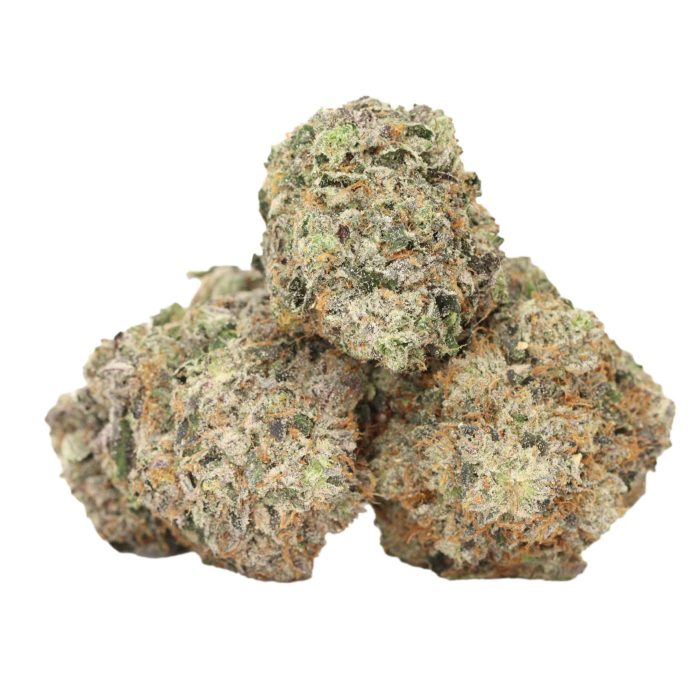
L.A. Confidential Strain and the Indica-Sleep Question
The L.A. Confidential strain is a well-known indica cannabis cultivar frequently associated with relaxation and sleepiness.
That makes it especially relevant to questions such as:
- indica makes you sleepy;
- does indica make you tired;
- does sativa make you sleepy;
- does sativa or indica make you sleepy;
- does indica make you sleepy.
The common cannabis stereotype says:
Indica = sleepy
and:
Sativa = energetic
That rule is easy to remember, but modern cannabis science is considerably more complicated.
Some products labeled indica do produce strong subjective relaxation or drowsiness for some users. L.A. Confidential is a good example because consumer reports commonly describe it as sleepy and relaxing.
However, the words indica and sativa do not reliably predict how every cannabis product will affect every person.
THC concentration, cannabinoid balance, terpenes, tolerance, dose, timing, previous cannabis exposure and individual biology can all influence the experience.
For more U.S.-focused cannabis strain and public-health education, explore Cannabistopgrade.com.
What Is L.A. Confidential?
L.A. Confidential is a popular indica cannabis strain.
It is also known as:
- LA Confidential;
- Confidential;
- Confidential OG;
- LA Con.
Current Leafly reference information lists it at approximately:
- 17% THC;
- 1% CBG;
- indica classification;
- mostly calming profile;
- sleepy consumer reports;
- relaxed consumer reports;
- euphoric consumer reports.
Its commonly listed flavors include:
- pine;
- skunk;
- earth.
Prominent terpenes include:
- pinene;
- caryophyllene;
- myrcene.
Individual cannabis products can differ from these reference averages.
L.A. Confidential at a Glance
| Feature | L.A. Confidential |
|---|---|
| Type | Indica |
| Other names | Confidential, Confidential OG, LA Con |
| Reference THC | About 17% |
| Reference CBG | About 1% |
| Reported profile | Mostly calming |
| Common reported effects | Sleepy, relaxed, euphoric |
| Flavors | Pine, skunk, earthy |
| Main terpenes | Pinene, caryophyllene, myrcene |
| Genetic association | Afghani / L.A. Affie genetics |
These figures describe a strain reference profile rather than every product carrying the name.
L.A. Confidential Genetics
L.A. Confidential is associated with Afghani-derived genetics.
DNA Genetics describes the strain as involving:
OG L.A. Affie × Afghani
This helps explain its traditional classification as an indica.
Afghani cannabis genetics have historically been associated with:
- compact plant structure;
- resinous flower;
- earthy aromas;
- and indica-style breeding traditions.
However, genetic background alone does not guarantee that every person will experience sedation.
L.A. Confidential THC
Current strain-reference information lists L.A. Confidential around 17% THC.
That is enough THC to produce meaningful intoxication for many people.
Actual batches may test:
- lower;
- close to the reference average;
- or higher.
Differences can result from:
- phenotype;
- cultivation;
- harvest;
- curing;
- storage;
- laboratory testing.
Consumers should therefore rely on the label of the specific regulated product rather than assume all L.A. Confidential flower has identical potency.
L.A. Confidential Terpenes
The strain is commonly associated with:
Pinene
Pinene contributes pine-like aromas found in cannabis and many other plants.
Caryophyllene
Caryophyllene contributes peppery, spicy and woody aromas.
Myrcene
Myrcene often contributes earthy, herbal and musky characteristics.
These terpenes influence aroma and flavor.
They should not be interpreted as proven sleep treatments.
Does Indica Make You Sleepy?
Sometimes, but not universally.
Many cannabis consumers describe indica-labeled products as:
- relaxing;
- heavy;
- calming;
- sleepy;
- body-focused.
That is why the phrase “indica makes you sleepy” became so common.
However, indica is not a guarantee of sedation.
A product labeled indica can still feel:
- mentally stimulating;
- euphoric;
- anxious;
- or simply neutral
depending on the person and product.
Why Does Indica Have a Sleepy Reputation?
The reputation developed partly from traditional cannabis classification and consumer experience.
Historically, indica-type plants were associated with different:
- growth patterns;
- geographic origins;
- cannabinoid profiles;
- breeding traditions.
Over time, retail cannabis culture simplified this into:
Indica = nighttime
and:
Sativa = daytime
That shorthand remains popular but is scientifically incomplete.
Does Indica Make You Tired?
It can.
Some people report fatigue or drowsiness after using THC-containing cannabis, including many indica-labeled products.
However, several variables can change the effect.
These include:
- THC concentration;
- amount consumed;
- cannabinoid composition;
- individual tolerance;
- time of day;
- recent sleep;
- alcohol or medications;
- previous cannabis use.
Therefore, “indica makes you tired” is better understood as a common consumer pattern than a universal biological rule.
Does L.A. Confidential Make You Sleepy?
Consumer reports frequently describe L.A. Confidential as sleepy and relaxing.
Current Leafly data lists sleepy among its top reported effects.
That supports its reputation as a calming strain.
However, this remains based largely on consumer-reported experience.
It does not prove that L.A. Confidential treats insomnia or improves sleep architecture.
Does Sativa Make You Sleepy?
Yes, it can.
Although sativa strains are commonly marketed as energizing, some people still become sleepy after using them.
That can happen because:
- THC itself can produce drowsiness;
- a high dose may feel sedating;
- individual tolerance differs;
- cannabinoid profiles vary;
- terpene profiles vary;
- labels do not perfectly predict chemistry.
A person can therefore feel sleepy after a sativa-labeled product.
Does Sativa or Indica Make You Sleepy?
Neither category guarantees sleepiness.
If the question is:
Does sativa or indica make you sleepy?
the most accurate answer is:
Indica-labeled strains are more commonly associated with sleepiness in consumer culture, but either category can produce drowsiness, and neither reliably predicts sleep effects.
Product chemistry matters more than the broad label.
Indica vs. Sativa and Sleep
| Feature | Indica-Labeled Cannabis | Sativa-Labeled Cannabis |
|---|---|---|
| Common marketing | Relaxing, nighttime | Energizing, daytime |
| Consumer stereotype | Sleepy | Alert |
| Guaranteed effect? | No | No |
| Can cause drowsiness? | Yes | Yes |
| Can cause anxiety? | Yes | Yes |
| Best predictor of effects? | Not by itself | Not by itself |
This distinction is important for accurate cannabis education.
What Does Research Say About Cannabis and Sleep?
The scientific evidence is mixed.
A 2025 systematic review and meta-analysis examined cannabis and objective sleep architecture.
The researchers found that cannabis administration did not consistently change:
- sleep duration;
- time needed to fall asleep;
- wake time;
- sleep efficiency;
- sleep stages.
Earlier studies suggested stronger changes in REM sleep, but many were small and used relatively high THC doses.
More recent studies have produced mixed findings.
The review concluded that cannabis-sleep effects depend on factors including:
- dose;
- cannabinoid composition;
- previous cannabis use;
- health conditions.
Subjective Sleep vs. Objective Sleep
This is one of the most important distinctions.
A person might say:
“Cannabis helps me fall asleep.”
That is a subjective experience.
Objective sleep research measures things such as:
- total sleep time;
- sleep latency;
- sleep efficiency;
- REM sleep;
- deep sleep;
- awakenings.
Subjective improvement does not always match objective measurements.
This helps explain why cannabis may feel helpful for sleep to some people even when laboratory sleep outcomes remain inconsistent.
Cannabis Withdrawal and Sleep
Research has found a clearer relationship between cannabis withdrawal and disturbed sleep.
People who regularly use cannabis and then stop may experience:
- difficulty falling asleep;
- reduced sleep duration;
- vivid dreams;
- REM rebound;
- sleep disruption.
This is one reason people who use cannabis regularly for sleep may feel that they cannot sleep normally without it.
Can Cannabis Treat Insomnia?
Cannabis should not automatically be treated as a proven insomnia treatment.
Research remains limited and inconsistent.
Some cannabinoid products are being studied, but ordinary retail cannabis strains such as L.A. Confidential are not standardized insomnia medicines.
Persistent insomnia can also be associated with:
- stress;
- anxiety;
- depression;
- sleep apnea;
- medication effects;
- chronic pain;
- caffeine;
- alcohol;
- shift work;
- other medical conditions.
Persistent sleep problems deserve appropriate evaluation.
Why THC Can Feel Sedating
THC affects the central nervous system.
Depending on dose and individual response, it can produce:
- relaxation;
- altered perception;
- drowsiness;
- slowed reaction time;
- impaired attention.
At other times, THC can produce:
- anxiety;
- restlessness;
- racing thoughts;
- increased heart rate.
That variability helps explain why one person may find an indica sleepy while another finds it uncomfortable.
Can Higher THC Make You Sleepier?
Not necessarily.
Higher THC can increase intoxication, but it does not guarantee better sleep.
Increasing THC may also increase unwanted effects such as:
- anxiety;
- dizziness;
- confusion;
- paranoia;
- impaired coordination.
More THC should not be equated with better sleep quality.
Does Myrcene Make Indica Sleepy?
Myrcene is frequently discussed in cannabis culture as a “sedating terpene.”
However, real-world cannabis effects cannot be confidently predicted from one terpene alone.
A product’s effect reflects the combined influence of:
- THC;
- other cannabinoids;
- multiple terpenes;
- dose;
- individual biology.
Therefore, myrcene should not be treated as a proven sleep medication.
Indica and Nighttime Marketing
Many dispensaries group products according to terms such as:
- nighttime;
- calming;
- relaxing;
- sleepy.
Those descriptions often overlap with indica labeling.
They can help communicate consumer-reported experience, but they should not be confused with clinical evidence.
L.A. Confidential Consumer Reports
Common reported effects include:
- sleepy;
- relaxed;
- euphoric.
Reported unwanted experiences include:
- dry mouth;
- dry eyes;
- dizziness.
These reports provide useful context but do not predict what every consumer will experience.
Can L.A. Confidential Cause Anxiety?
Yes.
Even strains generally considered relaxing can produce anxiety in some people.
THC can increase anxiety or paranoia, particularly with:
- higher doses;
- low tolerance;
- unfamiliar environments;
- sensitivity to THC.
A calming reputation does not eliminate those risks.
L.A. Confidential and Driving
Sleepiness is not the only concern.
THC can affect:
- reaction time;
- coordination;
- attention;
- decision-making;
- movement;
- time perception.
People should not drive while impaired.
The CDC notes that recent cannabis use can immediately affect several brain functions needed for safe driving.
Cannabis and Alcohol
Combining cannabis with alcohol can increase impairment.
That matters particularly when a cannabis product already produces drowsiness.
Using alcohol to intensify a supposedly “sleepy” cannabis experience can create additional risk.
Cannabis and Medications
Cannabis may interact with medications.
People taking medicines that already cause drowsiness should be particularly careful about combining substances.
Potentially relevant categories can include:
- sleep medications;
- sedating antihistamines;
- anti-anxiety medicines;
- certain pain medicines;
- other central nervous system depressants.
Medical guidance is appropriate when interactions are a concern.
Morning Grogginess
Some people report feeling groggy the next morning after cannabis use.
Possible influences include:
- THC dose;
- product potency;
- late-night use;
- tolerance;
- individual metabolism;
- disrupted sleep architecture.
Feeling sedated does not necessarily mean sleep was more restorative.
Cannabis Use Disorder and Sleep
Some people develop cannabis use disorder.
Signs can include:
- using more than intended;
- craving;
- increasing tolerance;
- difficulty cutting down;
- continued use despite problems;
- withdrawal symptoms.
Sleep disturbance can become particularly relevant during withdrawal.
Indica Does Not Mean “Sleep Medicine”
This is perhaps the most important message for this keyword group.
An indica label can describe cannabis classification or marketing.
It does not mean:
- clinically proven sleep aid;
- guaranteed sedation;
- insomnia treatment;
- safe for everyone.
The same applies to specific strains such as L.A. Confidential.
Sativa Does Not Mean “No Sleepiness”
The opposite stereotype is also too simple.
A sativa-labeled strain can still make someone tired.
That could result from:
- THC concentration;
- dose;
- individual sensitivity;
- cannabinoid profile;
- timing.
Therefore, consumers should avoid treating the sativa label as a guarantee of stimulation.
Better Ways to Think About Cannabis Effects
Instead of asking only:
Indica or sativa?
consider:
- THC concentration;
- CBD concentration;
- minor cannabinoids;
- terpene profile;
- product format;
- individual tolerance;
- previous response to cannabis.
These variables can provide more useful context.
Flower vs. Edibles and Sleepiness
The product format can also change how cannabis feels.
Inhaled cannabis tends to produce effects more quickly.
Edible cannabis generally has a slower onset and can last much longer.
This can affect how drowsiness or impairment unfolds over time.
That is another reason strain labels alone cannot predict the experience.
Educational Resources
For more U.S.-focused cannabis strain, cannabinoid and public-health education, explore Cannabistopgrade.com.
Regarding L.A. Confidential THC, CBG, terpenes and consumer-reported effects, see the Leafly L.A. Confidential profile.
For peer-reviewed evidence about cannabis and objective sleep architecture, see the 2025 systematic review and meta-analysis on PubMed.
Regarding evidence-based information about cannabis effects on memory, attention, coordination, reaction time and other brain functions, consult CDC Cannabis and Brain Health.
Readers can continue exploring strains, cannabinoids, marijuana terminology and U.S. cannabis education through Cannabistopgrade.com.
Frequently Asked Questions
1. Does indica make you sleepy?
Indica-labeled cannabis is commonly associated with relaxation and sleepiness, but the label does not guarantee sedation. THC concentration, cannabinoid composition, dose, tolerance and individual biology all influence effects.
2. Does indica make you tired?
It can. Some people experience drowsiness or fatigue after using indica-labeled cannabis. Others may feel euphoric, mentally active or anxious instead.
3. Does sativa make you sleepy?
Yes, a sativa-labeled strain can still make someone sleepy. Although sativas are commonly marketed as energizing, cannabis effects vary and the classification alone does not reliably predict sedation.
4. Does sativa or indica make you sleepy?
Indicas are more commonly associated with sleepiness in consumer culture, but both indica- and sativa-labeled products can produce drowsiness. Modern evidence does not support treating the labels as reliable sleep predictors.
5. Does L.A. Confidential make you sleepy?
Sleepiness is one of the most commonly reported effects of L.A. Confidential, along with relaxation and euphoria. These are consumer reports rather than proof that the strain treats insomnia.
6. Is cannabis proven to improve sleep?
Not consistently. A 2025 systematic review found that cannabis did not reliably improve objective measures such as sleep duration, sleep latency, sleep efficiency or sleep stages. Effects varied based on dose, cannabinoid composition, prior cannabis use and health status.
Be the first to review “L.A. Confidential Strain”
Related products
Indica strains
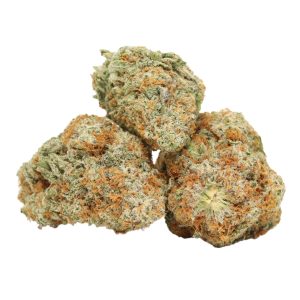
Indica strains
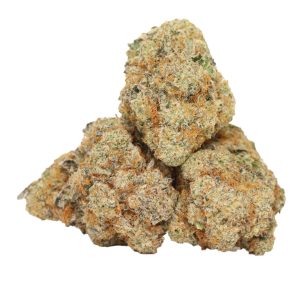
Indica strains
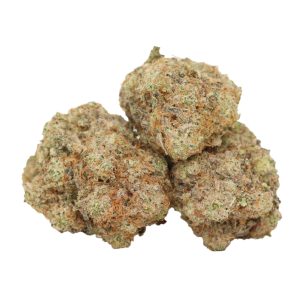
Indica strains
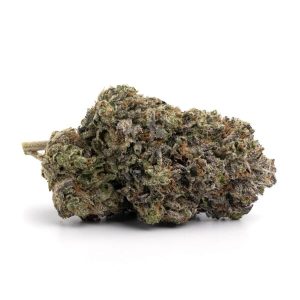
Indica strains
Indica strains
Indica strains
Indica strains
Reviews
There are no reviews yet.