
Granddaddy Purple
Granddaddy Purple is one of the most recognizable purple cannabis cultivars in the United States. Commonly abbreviated GDP and also called Granddaddy Purp, Grand Daddy Purp and Granddaddy Purple Kush, the strain became particularly prominent in California cannabis culture during the early 2000s.
Its deep purple appearance, dense resin coverage and distinctive grape-and-berry aroma are major reasons Granddaddy Purple is frequently associated with the modern concept of an exotic strain.
Consumers researching an exotic dispensary, exotic weed shop, or exotic cannabis shop will often encounter terminology such as premium flower, top-shelf cannabis, exotic flower and craft cannabis. These are largely marketplace descriptions rather than standardized botanical classifications.
Likewise, terms such as exotic weed strains and exotic weed names do not identify a scientifically recognized cannabis category.
So what is exotic weed?
In modern U.S. cannabis culture, “exotic” generally describes cannabis that is perceived as unusual, visually distinctive, highly aromatic, selectively bred or premium in quality. The term does not guarantee a particular THC percentage, genetic lineage or laboratory quality.
Granddaddy Purple provides an excellent example of why consumers should research genetics, cannabinoids, terpenes and laboratory information instead of relying entirely on words such as exotic or premium.
For additional educational cannabis information, explore CannabisTopGrade. CannabisTopGrade cannabis education
What Is Granddaddy Purple?
Granddaddy Purple is a famous indica cannabis cultivar closely associated with California.
Leafly reports that Granddaddy Purple was popularized in 2003 by breeder Ken Estes. The site’s current strain profile describes GDP as an indica and notes competing accounts of its genetics: one description involves Mendo Purps, Skunk and Afghanistan, while another commonly reported lineage is Purple Urkle crossed with Big Bud.
This variation illustrates an important issue in cannabis strain research: cultivar names and historical lineages are not always standardized.
For people searching exotic weed names, seeing the same strain associated with slightly different genetic histories is not unusual.
What is far more consistent about Granddaddy Purple is its reputation for deeply colored flowers and a sweet fruit-forward aromatic profile.
Leafly currently identifies grape, berry and violet as prominent flavor characteristics and lists myrcene as the dominant terpene, followed by pinene and caryophyllene.
You can examine the strain profile through Leafly’s Granddaddy Purple guide.
Why Is Granddaddy Purple Considered an Exotic Strain?
The expression exotic strain is used informally throughout American cannabis culture.
There is no universal scientific rule stating that a cannabis cultivar becomes exotic when it reaches a particular THC percentage, displays purple coloration or comes from specific genetics.
Instead, exotic usually communicates rarity, unusual sensory characteristics, appearance, reputation or perceived premium quality.
Granddaddy Purple possesses several characteristics commonly associated with this category.
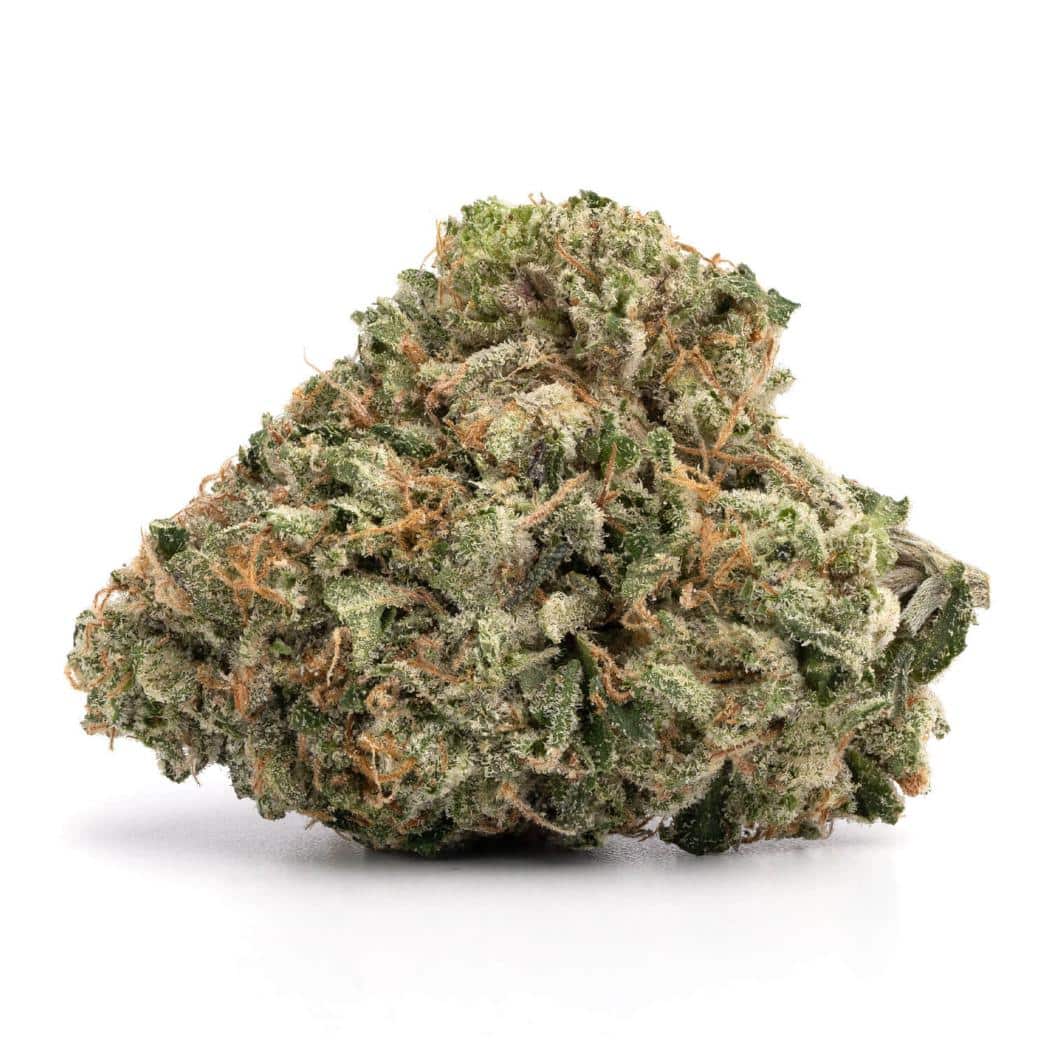
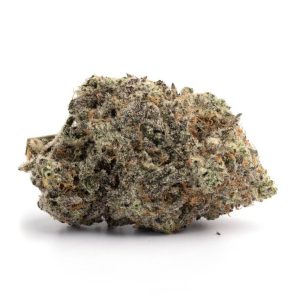
Its flowers are famous for purple coloration, contrasting orange pistils and visible trichome coverage. Its aroma combines grape and berry characteristics with earthy cannabis notes, while its name has remained recognizable for more than two decades.
Leafly’s 2026 reporting continues to describe Granddaddy Purple as an influential cultivar that has maintained a major position in cannabis culture since its introduction in 2003.
However, calling Granddaddy Purple an exotic strain remains a marketplace or cultural description rather than a laboratory classification.
What Is Exotic Weed?
What is exotic weed? This is one of the most common questions surrounding premium cannabis terminology.
Exotic weed generally means cannabis that stands apart from ordinary commodity flower because of characteristics such as unusual genetics, strong visual presentation, distinctive aroma, limited production, selective breeding or perceived premium quality.
But “exotic” does not have a universal regulatory definition.
A package labeled exotic does not automatically demonstrate:
Higher THC.
Better terpene concentrations.
Better genetics.
Safer production.
Cleaner laboratory results.
Stronger effects.
Or superior overall quality.
The word is therefore best understood as a descriptive cannabis-market term.
Consumers researching products described as exotic should still examine objective information such as cannabinoid testing, terpene results, producer information, cultivation details and required safety testing.
For more explanations of cannabis terminology, visit CannabisTopGrade cannabis guides.
Granddaddy Purple Appearance
Appearance has contributed greatly to Granddaddy Purple’s reputation.
Purple cannabis varieties can display anthocyanin pigments that create red, blue or purple coloration in plant tissues. The actual appearance depends on genetics and environmental conditions.
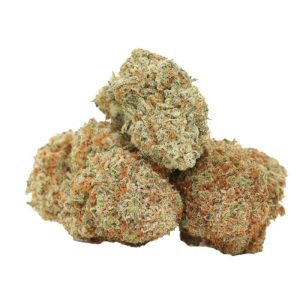
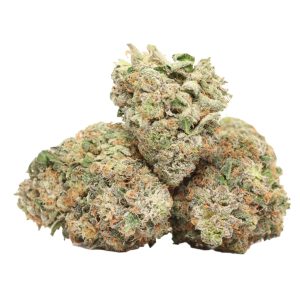
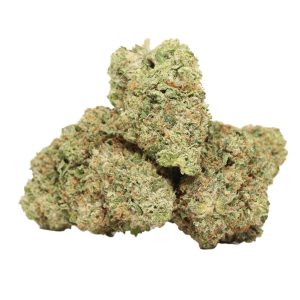
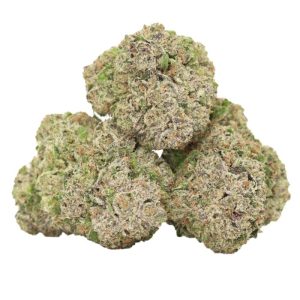
Granddaddy Purple is especially famous for dark purple flowers contrasted by orange pistils and pale resinous trichomes.
That appearance helped the cultivar stand out during the development of the California premium cannabis market.
However, purple coloration by itself does not establish cannabinoid potency.
A visually impressive cannabis flower may have very different cannabinoid levels from another flower with a similar appearance.
Laboratory data remain more informative than color alone.
Granddaddy Purple Aroma and Flavor
Granddaddy Purple is particularly associated with sweet fruit characteristics.
Leafly currently lists:
Grape
Berry
Violet
as its leading flavor descriptors.
Its reported terpene profile includes myrcene, pinene and caryophyllene.
Myrcene commonly contributes earthy and herbal aromas.
Pinene is associated with pine-like aromas.
Caryophyllene contributes spicy or pepper-like characteristics.
Actual terpene percentages vary between individual crops and products.
Someone comparing Granddaddy Purple products at an exotic cannabis shop should therefore not assume every product carrying the GDP name has an identical aromatic profile.
What Are Exotic Weed Strains?
The phrase exotic weed strains usually refers to cannabis varieties marketed as distinctive, rare, premium or genetically interesting.
The category changes constantly because cannabis breeding develops rapidly.
A strain may initially be described as exotic because it is rare. If the genetics later become widely cultivated, consumers may stop considering it particularly exotic even though the genetics remain the same.
This illustrates why exotic is fundamentally a cultural and commercial label.
Examples of characteristics that might lead people to describe cannabis as exotic include distinctive coloration, unusual terpene combinations, recognizable breeder genetics, limited production or an uncommon appearance.
Granddaddy Purple helped establish many of the visual characteristics people now associate with premium purple flower.
Weedmaps’ cannabis strain database also lists Granddaddy Purple among its widely recognized strains, using GDP and Granddaddy Purp among its alternative names.
Readers can explore the broader cultivar database at Weedmaps cannabis strain library.
Exotic Weed Names Explained
Exotic weed names have become an important part of cannabis branding and culture.
Modern strain names may reference:
Parent genetics.
Flavor characteristics.
Aroma.
Colors.
Breeders.
Pop culture.
Geographical associations.
Desserts and candy.
Fuel aromas.
Fruit.
Or combinations of several characteristics.
Granddaddy Purple is a memorable example because its name references the cultivar’s distinctive purple appearance.
Other cannabis names may communicate little about their actual chemistry.
This creates an important limitation for consumers: a strain name alone cannot determine exactly what cannabinoids or terpenes are inside a particular product.
Even products carrying identical exotic weed names may have different chemical profiles because of phenotype selection, cultivation conditions, harvest timing and post-harvest processing.
What Is an Exotic Dispensary?
An exotic dispensary is generally a marketing description for a licensed cannabis retailer emphasizing premium, rare, craft or specialty cannabis products.
The word exotic does not create a separate legal category of dispensary.
A licensed cannabis retailer still operates according to the applicable rules of its jurisdiction regardless of whether it markets itself as premium, craft or exotic.
This is particularly important in the United States because cannabis regulations differ substantially among states.
The National Conference of State Legislatures maintains an updated database tracking enacted state cannabis policies, including adult-use cannabis, medical cannabis, hemp and related regulations.
Readers researching U.S. cannabis regulation can consult the NCSL State Cannabis Policy Database.
Consumers should verify current state and local rules rather than assuming that cannabis availability in one U.S. jurisdiction means the same rules apply everywhere.
What Is an Exotic Weed Shop?
An exotic weed shop is another informal retail term.
It usually describes a cannabis retailer emphasizing products marketed as top-shelf, boutique, limited-release or exotic.
The phrase itself does not provide evidence about product quality.
A responsible evaluation should focus on objective factors such as legal licensing where required, product labeling, batch identification, laboratory information and producer transparency.
The same applies to a retailer describing itself as an exotic cannabis shop.
Words such as premium and exotic are marketing terms. Testing and regulatory compliance provide substantially more meaningful information.
Exotic Cannabis Shop vs Regular Cannabis Retailer
An exotic cannabis shop may emphasize limited cultivars, premium packaging, unusual genetics and more expensive flower.
A conventional retailer may carry many of the same products without describing itself as exotic.
There is therefore no scientific dividing line separating these businesses.
From an educational perspective, the important differences are whether products are clearly identified, properly labeled and sold according to applicable local regulations.
An expensive cannabis product is not automatically superior.
Likewise, unusually colorful flower is not necessarily stronger.
Consumers researching the cannabis market should avoid equating price, packaging or exotic terminology with verified chemical quality.
Is Granddaddy Purple High in THC?
THC concentration depends on the individual Granddaddy Purple product and batch.
Leafly’s current strain page displays an approximate THC figure of 17%, but individual products can differ considerably from strain-directory averages.
This is why actual laboratory results are preferable to generic internet potency numbers.
THC is the primary intoxicating cannabinoid associated with cannabis.
The CDC notes that cannabis effects can differ based on factors including THC concentration, frequency of use, administration method, use with other substances, previous cannabis experience and individual biology.
Granddaddy Purple Effects: Reports vs Medical Evidence
Consumer-generated strain databases commonly describe Granddaddy Purple as relaxing or sleepy.
Leafly’s current user-generated information lists sleepy, relaxed and hungry among frequently reported experiences. These are consumer reports rather than controlled medical conclusions.
That distinction is important.
A person’s response to cannabis can vary considerably depending on THC concentration, other cannabinoids, dosage, previous experience and individual biology.
Granddaddy Purple should therefore not be promoted as a guaranteed treatment for insomnia, anxiety, pain or another medical condition based only on strain reviews.
The CDC states that cannabis affects brain functions including memory, attention, decision-making, coordination and reaction time and notes that highly concentrated THC products may present additional risks.
For evidence-based safety information, consult the CDC Cannabis Health Effects resource.
How to Research Granddaddy Purple Quality
Whether a product is labeled premium, top shelf or exotic, several pieces of information are more valuable than marketing terminology.
Consumers researching Granddaddy Purple can examine the cannabinoid profile, terpene profile, producer information, batch number, testing date and available laboratory documentation.
A Certificate of Analysis can provide useful information about what a tested sample contained.
Product quality also cannot be determined solely from an online photograph.
Purple coloration, heavy trichome coverage and dense flower can contribute to appearance, but they do not independently establish potency, purity or safety.
For more cannabis strain education, visit CannabisTopGrade strain research resources.
Granddaddy Purple and Cannabis Laws in the USA
U.S. cannabis laws remain jurisdiction-dependent.
States have adopted significantly different systems for medical cannabis, adult-use cannabis, possession, retail licensing, cultivation and product regulation.
That means an exotic dispensary or exotic weed shop may legally operate in one jurisdiction while comparable retail activity is restricted elsewhere.
Consumers should always verify the current laws applicable to their location.
NCSL’s cannabis legislation database was updated in September 2026 and tracks enacted cannabis measures across U.S. states and territories.
Cannabis should also be stored securely away from children and pets, and nobody should drive or operate machinery while impaired.
Frequently Asked Questions
1. What is Granddaddy Purple?
Granddaddy Purple, commonly called GDP, is a famous indica cannabis cultivar popularized in California in the early 2000s. It is particularly recognized for purple coloration and sweet grape-and-berry aromatic characteristics. Leafly currently lists myrcene as its dominant terpene.
2. What is exotic weed?
Exotic weed is an informal cannabis-industry term generally used for flower considered unusual, rare, distinctive or premium because of genetics, aroma, appearance or cultivation. There is no universal scientific definition or THC threshold that makes cannabis exotic.
3. Is Granddaddy Purple an exotic strain?
Granddaddy Purple is frequently associated with characteristics consumers describe as exotic, including deep purple coloration, distinctive grape-and-berry aroma and famous genetics. However, “exotic strain” is a cultural and marketing description rather than an official cannabis classification.
4. Are exotic weed strains always stronger?
No. The word exotic does not guarantee higher THC or stronger effects. Potency varies between products and batches, so laboratory cannabinoid results provide more useful information than the exotic label alone.
5. What should consumers know about an exotic dispensary or exotic cannabis shop?
“Exotic dispensary” and “exotic cannabis shop” are marketing descriptions rather than separate legal retail categories. Consumers should verify applicable local laws and focus on transparent labels, appropriate licensing where required, product testing and responsible safety information rather than relying only on exotic or premium branding.
Final Thoughts on Granddaddy Purple
Granddaddy Purple has remained an influential name in American cannabis culture for more than two decades. Its striking purple flowers, grape-and-berry aroma and recognizable GDP name have helped it become closely associated with what modern cannabis consumers often call premium or exotic flower.
However, understanding what is exotic weed requires separating cannabis culture from cannabis science.
Terms such as exotic strain, exotic weed strains, exotic weed names, exotic dispensary, exotic weed shop, and exotic cannabis shop are useful for understanding how cannabis is marketed, but they do not establish a product’s potency, purity or overall quality.
Granddaddy Purple is better evaluated through its documented history, appearance, aromatic characteristics, cannabinoid testing and terpene profile.
That evidence-based approach gives researchers and consumers considerably more useful information than relying on marketing labels alone.
| Quantity | 1/4 oz (7g), 1/2 oz (14g), 1 oz (28g) |
|---|
Be the first to review “Granddaddy Purple”
Related products
Indica strains
Indica strains
Indica strains
Indica strains
Indica strains
Indica strains
Indica strains
Indica strains
Reviews
There are no reviews yet.