
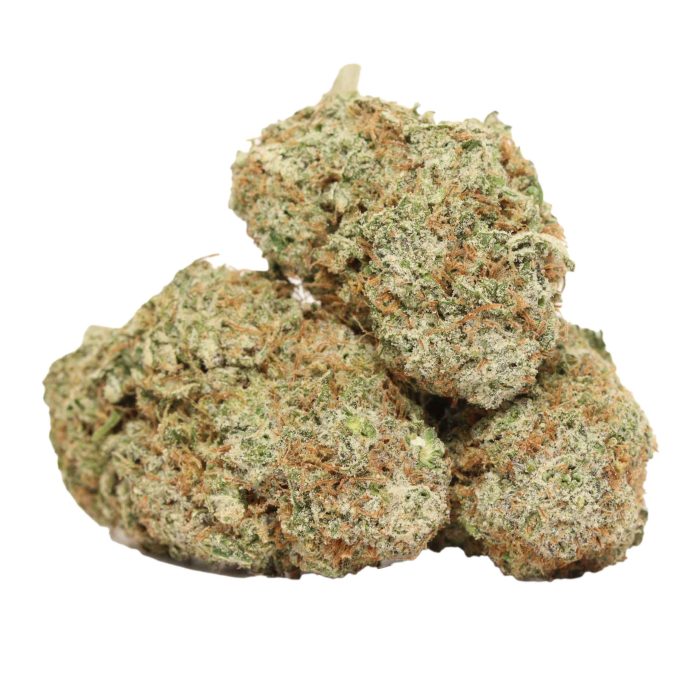
Lemon Kush: Different Names for Weed, Ganja, Dagga and Cannabis Slang Terms
Lemon Kush is a well-known hybrid cannabis strain associated with citrus flavor, uplifting consumer reports and Kush-family genetics. It also provides a useful starting point for exploring the language surrounding cannabis because marijuana has accumulated hundreds of nicknames, regional expressions and slang terms over generations.
People searching for different names for weed, dagga names, names for weed, names for ganja, words for weed, and slang terms for weed are often trying to understand how one plant developed so many different labels.
Some terms come from different countries.
Others developed through music, counterculture, prohibition, medicine or street language.
Terms such as:
- cannabis;
- marijuana;
- weed;
- pot;
- ganja;
- herb;
- bud;
- grass;
- chronic;
- reefer;
- dagga;
- flower;
- Kush;
- and Mary Jane
may all refer to cannabis, but they do not always carry exactly the same cultural or technical meaning.
Understanding these differences can make cannabis education clearer and help readers distinguish formal terminology from slang.
For more U.S.-focused cannabis terminology and strain education, explore Cannabistopgrade.com.
What Is Lemon Kush?
Lemon Kush is a hybrid marijuana strain known for a strong citrus profile.
It is also called Cali Lemon Kush.
Current Leafly reference information lists Lemon Kush at approximately:
- 19% THC;
- 1% CBG;
- hybrid classification;
- mostly energizing reported effects;
- happy consumer reports;
- giggly consumer reports;
- uplifted consumer reports;
- lemon flavor;
- citrus flavor;
- lime notes.
The main listed terpenes are:
- myrcene;
- pinene;
- caryophyllene.
Lemon Kush at a Glance
| Feature | Lemon Kush |
|---|---|
| Alternative name | Cali Lemon Kush |
| Classification | Hybrid |
| Reference THC | About 19% |
| Reference CBG | About 1% |
| Top reported effects | Happy, giggly, uplifted |
| Main flavors | Lemon, citrus, lime |
| Main terpenes | Myrcene, pinene, caryophyllene |
| General profile | Mostly energizing |
| Genetics | Vary by breeder |
Cannabis strain names do not guarantee identical chemistry between producers.
Lemon Kush Genetics
Lemon Kush genetics are not completely standardized.
One commonly cited lineage is:
Master Kush × Lemon Joy
However, breeder-specific versions exist.
For example, some breeders have described their Lemon Kush as involving different lemon and Afghan-related genetics.
This illustrates a broader cannabis naming problem:
the same strain name can sometimes refer to genetically different plants.
That is why modern consumers should consider:
- producer;
- batch;
- cannabinoid profile;
- terpene profile;
- and laboratory results
rather than relying only on the name printed on a package.
Is Lemon Kush the Same as Lemon OG Kush?
No.
These names are often confused.
Lemon Kush and Lemon OG Kush are separately recognized strains.
Lemon OG, for example, is commonly associated with Las Vegas Lemon Skunk × The OG #18 genetics.
WhileLemon Kush has a different and less standardized breeding history.
Similarly, names such as:
- Lemon Tree Kush;
- Lemon OZ Kush;
- Super Lemon OG Kush;
- Lemon Triangle Kush;
- and Lemon Thai Kush
represent different cultivars.
The presence of the word Lemon or Kush does not mean two strains are identical.
Why Is It Called Lemon Kush?
The name combines two major cannabis descriptors.
Lemon
“Lemon” refers primarily to the strain’s citrus aroma and flavor.
Cannabis strains described as lemon-like can contain several terpene combinations.
Interestingly, not every lemon-named strain is dominated by limonene.
Cannabis aroma comes from complex terpene mixtures.
Kush
“Kush” comes historically from cannabis connected with the Hindu Kush mountain region of Central and South Asia.
Over time, Kush became a broader term in cannabis culture.
Today, people may use Kush to describe:
- Kush-family genetics;
- earthy or hash-like cannabis;
- powerful hybrids;
- or simply high-quality marijuana in slang.
That cultural expansion explains why Kush appears in so many modern strain names.
Different Names for Weed
Cannabis has accumulated an unusually large vocabulary.
Some of the most common names include:
| Term | Typical Meaning |
|---|---|
| Cannabis | Scientific and formal term |
| Marijuana | Common legal and cultural term |
| Weed | Widely used informal term |
| Pot | Common American slang |
| Ganja | Caribbean and South Asian-associated term |
| Herb | Informal cannabis term |
| Bud | Cannabis flower |
| Flower | Common regulated-market term |
| Grass | Older slang |
| Reefer | Historical slang |
| Mary Jane | American slang |
| Chronic | Slang often associated with potent cannabis |
| Kush | Genetic family and slang term |
| Dagga | Southern African term |
| Tree/Trees | Modern slang |
| Green | General slang |
| Dope | Broader drug slang; context-dependent |
Not every term is equally precise.
Cannabis
Cannabis is the most scientifically accurate broad term.
It refers to plants within the Cannabis genus and is widely used in:
- medicine;
- research;
- legislation;
- public health;
- and regulated commercial markets.
Modern U.S. regulators increasingly use “cannabis” rather than older slang.
Marijuana
Marijuana is another widely recognized term.
It commonly refers to cannabis containing enough THC to fall within marijuana-specific legal frameworks.
The word appears frequently in:
- federal statutes;
- state laws;
- medical marijuana programs;
- historical legislation;
- and everyday speech.
Modern terminology increasingly favors “cannabis,” but marijuana remains deeply established in U.S. law and culture.
Weed
Weed is probably one of the most widely recognized slang terms for marijuana in the United States.
It is informal rather than scientific.
People commonly use it in phrases such as:
- weed strain;
- smoking weed;
- weed laws;
- weed dispensary;
- legal weed;
- good weed;
- strong weed.
Because the term is so common, it is also heavily used in internet searches.
Pot
Pot is another long-standing American term for marijuana.
It became especially widespread during the twentieth century.
Examples include:
- pot laws;
- smoking pot;
- legal pot;
- pot shop;
- pot dispensary.
Today, “weed” is often more common in casual speech, while “pot” remains widely understood.
Ganja
Ganja has deep historical and cultural roots.
The term is strongly associated with Jamaica and Rastafarian culture, but its linguistic history reaches back to South Asia.
Today, ganja can refer generally to cannabis or marijuana.
Common expressions include:
- ganja weed;
- ganja herb;
- ganja plant;
- smoking ganja;
- cannabis ganja.
Names for Ganja
People searching for names for ganja may encounter many overlapping cannabis terms.
Examples include:
- weed;
- herb;
- bud;
- cannabis;
- marijuana;
- green;
- grass;
- Kush;
- chronic;
- reefer;
- trees;
- Mary Jane.
Cultural usage differs by location and generation.
Dagga
Dagga is a term strongly associated with southern Africa.
It has historically been used to refer to cannabis, particularly in South Africa and surrounding regions.
Someone unfamiliar with the word may mistakenly assume it refers to a particular strain.
It generally does not.
Dagga is usually a regional term for cannabis itself.
Dagga Names
Cannabis vocabulary in southern Africa can include various local and slang expressions.
“Dagga” is among the best-known English-language regional terms.
However, individual local names can vary according to:
- language;
- country;
- cultural community;
- historical period;
- and context.
It is therefore better to understand dagga as a regional cannabis term rather than a standardized botanical category.
Herb
Herb is a softer informal word commonly used for cannabis.
It became particularly prominent through reggae and cannabis culture.
The word can have other meanings outside cannabis, so context matters.
For example:
“herbal medicine” does not automatically mean cannabis.
Bud
Bud generally refers to the harvested flower of the cannabis plant.
In modern dispensaries, “bud” commonly means cannabis flower intended for consumption.
A bud may contain:
- cannabinoids;
- terpenes;
- trichomes;
- plant material;
- and moisture.
“Bud” is more product-specific than generic words such as weed or ganja.
Flower
Flower has become one of the most common regulated-market terms.
Cannabis retailers frequently organize menus into categories such as:
- flower;
- pre-rolls;
- concentrates;
- edibles;
- beverages;
- vapes.
In this context, flower means dried cannabis buds rather than extracts.
Grass
Grass is older cannabis slang.
It became especially recognizable during the counterculture era of the 1960s and 1970s.
The term is still understood today but is less common among younger users.
Reefer
Reefer is another historical term.
It became especially visible in American drug-policy history and popular culture during the twentieth century.
Today, it often sounds old-fashioned.
The famous phrase “reefer madness” remains part of cannabis prohibition history.
Mary Jane
Mary Jane is a wordplay-based nickname for marijuana.
It became particularly recognizable in American popular culture.
It may appear in:
- music;
- films;
- comedy;
- slang;
- cannabis branding.
This is not a scientific or legal category.
Chronic
“Chronic” became prominent as slang for high-quality or potent cannabis.
Its meaning has shifted over time.
Some people use it generally for strong marijuana, while others associate it with specific West Coast cannabis culture.
It should not be confused with the medical word “chronic,” such as chronic pain.
Trees
“Trees” is a more modern slang term for cannabis flower.
A person might say:
- smoking trees;
- good trees;
- loud trees.
The expression reflects the plant-based appearance of cannabis buds.
Green
“Green” can refer informally to marijuana because of the plant’s typical color.
However, it is a very broad term and can mean many other things.
Context is necessary.
Loud
Loud is slang generally used to describe cannabis with a strong aroma or perceived potency.
People may say:
- loud weed;
- loud pack;
- loud bud.
The term is subjective.
It does not represent a laboratory potency category.
A cannabis product described as “loud” is not necessarily higher in THC.
Fire
Fire is slang for cannabis considered especially desirable or high quality.
Examples include:
- fire weed;
- fire bud;
- fire strain.
Like “loud,” it is subjective rather than scientific.
Gas
Gas refers to cannabis with pungent fuel-like or diesel-like aromas.
It can also function as slang for strong or desirable marijuana.
The term is especially common when describing:
- OG genetics;
- Diesel strains;
- Chem strains;
- and certain modern hybrids.
Za
Za or Zaza is modern slang commonly used for premium or exotic cannabis.
It became especially common through music and internet culture.
However, “za” is not a regulated quality grade.
A seller calling something “zaza” does not prove:
- high THC;
- superior genetics;
- laboratory testing;
- or premium quality.
Exotic
“Exotic” is another marketing and slang term.
Cannabis retailers and consumers sometimes use it to describe:
- rare genetics;
- unusual terpene profiles;
- visually striking flower;
- or premium products.
There is no universal scientific definition.
Dank
Dank generally describes cannabis with a strong aroma, moisture level or perceived quality.
The word originally has broader meanings involving dampness or strong odors.
Within cannabis culture, it became associated with potent-smelling marijuana.
Dope
“Dope” is broader drug slang.
Depending on context and generation, it may refer to:
- marijuana;
- other drugs;
- something considered excellent;
- or illegal substances generally.
Because the term is ambiguous, it is less precise than cannabis, marijuana or weed.
Different Names for Cannabis Flower
When specifically referring to the consumable flower rather than cannabis generally, common terms include:
- bud;
- flower;
- nug;
- nugget;
- buds;
- herb;
- trees;
- green;
- weed.
“Nug” commonly refers to an individual dense cannabis flower.
Different Names for High-Quality Weed
Slang terms often used to describe supposedly premium cannabis include:
- loud;
- fire;
- gas;
- exotic;
- za;
- zaza;
- dank;
- top shelf;
- premium;
- chronic.
These words are subjective.
They are not substitutes for regulated product information.
Top Shelf
Top shelf usually describes cannabis marketed as premium quality.
In dispensaries, it may imply:
- desirable genetics;
- careful cultivation;
- strong aroma;
- good appearance;
- or high potency.
There is no universal government definition of “top shelf.”
Different Names for Low-Quality Cannabis
Historical slang for lower-quality cannabis has included terms such as:
- schwag;
- brick weed;
- ditch weed.
These terms reflect subjective perceptions rather than official product grades.
Modern regulated markets increasingly use objective information such as laboratory results and production details instead.
Why Cannabis Has So Many Names
Cannabis vocabulary developed for several reasons.
Prohibition
Slang helped people discuss cannabis indirectly during periods of criminalization.
International Culture
Cannabis has long histories in:
- South Asia;
- Africa;
- the Caribbean;
- the Middle East;
- Europe;
- and the Americas.
Different regions developed different terminology.
Music
Genres including reggae, jazz, hip-hop and rock helped popularize cannabis slang.
Counterculture
Cannabis became deeply connected to twentieth-century counterculture.
Modern Legalization
Legalization introduced more formal terminology such as:
- adult-use cannabis;
- regulated marijuana;
- cannabis flower;
- cannabinoid products;
- medical cannabis.
Cannabis Slang vs. Scientific Terminology
| Slang Term | More Formal Description |
|---|---|
| Weed | Cannabis / marijuana |
| Pot | Cannabis / marijuana |
| Bud | Cannabis flower |
| Ganja | Cannabis |
| Dagga | Cannabis |
| Kush | Kush genetics or cannabis slang |
| Trees | Cannabis flower |
| Loud | Strong-smelling cannabis |
| Za | Supposed premium cannabis |
| Gas | Pungent cannabis |
| Edibles | Cannabis-infused foods |
| Dabs | Cannabis concentrates |
Formal terminology is generally preferable when discussing health or law.
Cannabis Slang Can Create Confusion
Words can change meaning between communities.
For example, Kush may refer to:
- cannabis historically connected with the Hindu Kush region;
- strains descended from Kush genetics;
- strong marijuana generally;
- or simply premium cannabis in slang.
Likewise, “weed” can describe the entire marijuana category or a specific cannabis product depending on context.
Lemon Kush and the Meaning of Kush
Lemon Kush demonstrates how cannabis slang and strain genetics overlap.
The word Kush is not merely marketing.
It has historical genetic roots linked to the Hindu Kush region.
However, modern breeders have incorporated Kush genetics into so many hybrids that the word now carries both genetic and cultural meanings.
Examples include:
- OG Kush;
- Bubba Kush;
- Purple Kush;
- Hindu Kush;
- Master Kush;
- Lemon Kush;
- Afghan Kush.
These strains are related culturally, but they are not genetically identical.
Lemon Kush vs. Other Lemon Strains
| Strain | General Type | Typical Character |
|---|---|---|
| Lemon Kush | Hybrid | Citrus, uplifting |
| Lemon OG | Indica-dominant hybrid | Citrus, calming |
| Super Lemon Haze | Sativa | Citrus, energizing |
| Lemon Tree | Hybrid | Lemon, diesel |
| Lemon Skunk | Hybrid | Lemon, skunk |
| Lemon OZ | Hybrid | Lemon, diesel |
| Lemon Triangle Kush | Hybrid | Lemon, pine, diesel |
Names alone cannot predict chemistry.
Are All Lemon Strains High in Limonene?
No.
This is an important misconception.
Limonene is strongly associated with citrus aromas, but cannabis strains with lemon-like smells can have different dominant terpene profiles.
Lemon Kush itself is currently listed with:
- myrcene;
- pinene;
- caryophyllene
as prominent terpenes.
This shows why aroma names should not substitute for laboratory testing.
Lemon Kush Effects
Current consumer reports commonly describe Lemon Kush as:
- happy;
- giggly;
- uplifted.
Leafly characterizes its profile as mostly energizing.
These are consumer-reported experiences, not guaranteed outcomes.
Possible unwanted effects can vary by user and batch.
Is Lemon Kush Strong?
A current reference THC level around 19% places Lemon Kush within a moderately potent modern flower range.
However, actual THC varies.
Factors include:
- genetics;
- cultivation;
- harvest;
- curing;
- storage;
- testing;
- and phenotype.
The package’s laboratory information is more relevant than a generic strain average.
Cannabis Strain Names Do Not Guarantee Effects
Two products labeled Lemon Kush can differ significantly.
They may have different:
- THC concentrations;
- terpene levels;
- minor cannabinoids;
- growing conditions;
- and genetics.
For this reason, strain names should be treated as useful identifiers rather than exact chemical formulas.
Cannabis Slang and Legal Terminology
When laws matter, slang should be avoided.
For example, a statute may define:
- marijuana;
- cannabis;
- hemp;
- THC;
- usable marijuana;
- cannabis concentrate;
- or marijuana product.
Those legal definitions can have important consequences.
“Ganja,” “weed,” “pot,” or “za” usually do not carry independent statutory meaning.
Weed vs. Hemp
Weed and hemp should not automatically be treated as synonyms.
Under U.S. law, hemp and marijuana can fall under different legal definitions based primarily on THC-related statutory criteria.
That distinction can influence:
- cultivation;
- possession;
- manufacturing;
- retail;
- and transportation.
Slang often ignores these legal differences.
Medical Cannabis Terminology
Medical programs may use words such as:
- medical marijuana;
- medicinal cannabis;
- therapeutic cannabis;
- medical cannabis;
- marijuana for medical use.
The exact terminology varies by state.
The underlying program rules matter more than which slang term a patient uses.
Recreational Cannabis Terminology
Modern regulators increasingly use adult-use cannabis rather than “recreational weed.”
Both generally refer to cannabis programs that do not require medical qualification for eligible adults.
Legal details still vary by state.
Cannabis and Driving
Whether someone calls it:
- weed;
- pot;
- ganja;
- dagga;
- Kush;
- or marijuana,
THC can impair driving.
It can affect:
- attention;
- judgment;
- reaction time;
- coordination;
- and perception.
Slang does not change the pharmacology.
Cannabis Use Disorder
Cannabis can also become problematic for some users.
Possible warning signs include:
- increasing tolerance;
- craving;
- using more than intended;
- difficulty cutting down;
- withdrawal;
- and continued use despite negative consequences.
Whether someone calls cannabis “herb” or “weed” does not change these potential risks.
Educational Resources
For additional cannabis strain, terminology and U.S. marijuana education, explore Cannabistopgrade.com.
Concerning current Lemon Kush genetics, THC, flavors, terpenes and consumer-reported effects, see the Leafly Lemon Kush profile.
For background on Kush cannabis families and their terpene variation, see Leafly’s Kush strain family guide.
Regarding public-health information on cannabis and THC, consult CDC Cannabis and Public Health.
Readers can continue exploring cannabis strains, terminology, slang and U.S. marijuana policy through Cannabistopgrade.com.
Frequently Asked Questions
1. What are different names for weed?
Common names include cannabis, marijuana, weed, pot, ganja, herb, bud, flower, grass, reefer, Mary Jane, trees, Kush and chronic. Some terms are regional or historical rather than scientific.
2. What does dagga mean?
Dagga is a regional term for cannabis strongly associated with southern Africa. It generally refers to cannabis itself rather than a specific strain.
3. Is ganja another name for weed?
Yes. Ganja is widely used as another term for cannabis or marijuana. It has important historical connections with South Asia and later became strongly associated with Jamaica and Rastafarian culture.
4. What does Kush mean in weed slang?
Kush originally relates to cannabis genetics associated with the Hindu Kush mountain region. In modern cannabis culture, the term can describe Kush-family strains or be used loosely as slang for high-quality marijuana.
5. Are weed slang words legal definitions?
Usually not. Terms such as weed, ganja, pot, za, loud and fire are mostly cultural or slang expressions. Cannabis laws generally rely on formal statutory terms such as cannabis, marijuana, hemp and THC.
6. What is Lemon Kush?
Lemon Kush, also called Cali Lemon Kush, is a hybrid cannabis strain. Current reference information lists it around 19% THC and 1% CBG with lemon, citrus and lime flavors and happy, giggly and uplifted consumer reports.
| weight | Oz, Qp, Hp, P |
|---|
Be the first to review “Lemon Kush”
Related products
Hybrid cannabis strains
Hybrid cannabis strains
Hybrid cannabis strains
Hybrid cannabis strains
Hybrid cannabis strains
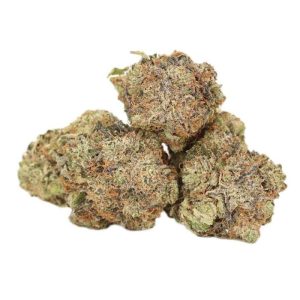
Hybrid cannabis strains
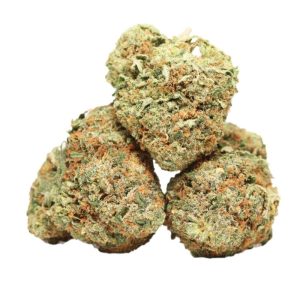
Hybrid cannabis strains
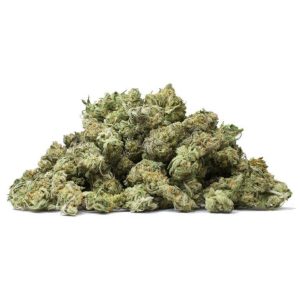
Hybrid cannabis strains
Reviews
There are no reviews yet.