
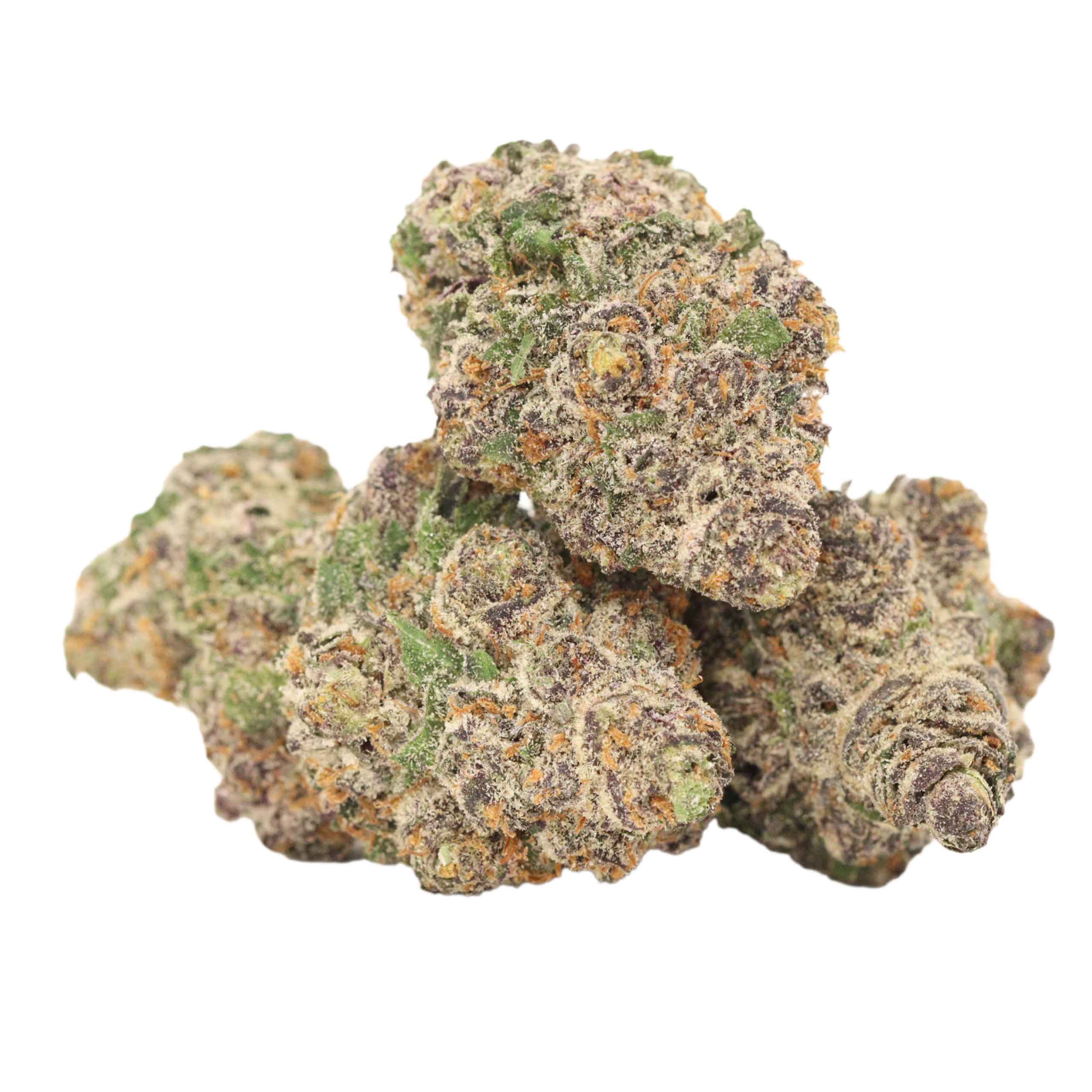
Panama Red: Top 20 Sativa Strains and Best Weed Strains of All Time
Panama Red is one of the most recognizable old-school cannabis names and remains highly relevant to searches for top 20 sativa strains, best strains for heavy smokers, best za strains, best strains of all time, best weed strains of all time, and best pot names.
Its significance goes beyond THC percentage.
Panama Red represents an earlier period in cannabis history when regional genetics such as Colombian, Mexican, Thai, African and Central American sativas dominated much of the cannabis available in the United States.
Current Leafly information describes Panama Red as a sativa derived from Panama and Colombia genetics.
Its current reference profile lists approximately:
- 17% THC;
- 1% CBG;
- energetic effects;
- talkative effects;
- happy effects;
- tea flavor;
- pepper notes;
- earthy characteristics.
Its listed leading terpenes include:
- myrcene;
- pinene;
- limonene.
Panama Red became especially famous during the late 1960s and early 1970s.
That historical status makes it an excellent candidate for discussions about the best weed strains of all time, even though no scientific ranking can determine one universally best cannabis strain.
For additional U.S.-focused cannabis strain education, explore Cannabistopgrade.com.
What Is Panama Red?
Panama Red is a classic sativa cannabis strain associated with Central and South American genetics.
Leafly currently describes it as a cross involving:
Panama × Colombia
The strain is known historically for:
- energetic effects;
- cerebral intoxication;
- social effects;
- red or reddish flower characteristics;
- long flowering periods;
- and its reputation among cannabis consumers during the 1960s and 1970s.
Its cultural importance is arguably greater than its modern THC numbers suggest.
Panama Red at a Glance
| Feature | Panama Red |
|---|---|
| Classification | Sativa |
| Genetics | Panama × Colombia |
| Current reference THC | About 17% |
| Current reference CBG | About 1% |
| Reported effects | Energetic, talkative, happy |
| Top flavors | Tea, pepper, earthy |
| Leading terpenes | Myrcene, pinene, limonene |
| Historical era | Late 1960s and 1970s |
| Cultural status | Classic legacy sativa |
Batch-specific cannabinoid levels can differ, so current laboratory testing matters more than the strain name alone.
Why Panama Red Became Famous
Panama Red emerged during an era when imported cannabis played a much larger role in the American market.
Consumers during the 1960s and 1970s commonly encountered cannabis associated with regions such as:
- Mexico;
- Colombia;
- Panama;
- Jamaica;
- Thailand;
- Hawaii;
- and parts of Africa.
Panama Red developed a reputation for a strong cerebral experience and distinctive red coloration.
As commercial cannabis cultivation evolved, growers increasingly favored varieties that:
- flowered faster;
- produced larger yields;
- grew more compactly;
- and fit indoor cultivation systems.
Panama Red became less commercially common partly because of its long flowering period.
Is Panama Red Still Popular?
Panama Red is not as common as strains such as:
- Gelato;
- Wedding Cake;
- Runtz;
- Blue Dream;
- or OG Kush.
However, it retains strong cultural recognition.
Its importance today comes partly from nostalgia and cannabis history rather than mass-market availability.
That makes it similar to classic strains such as:
- Acapulco Gold;
- Colombian Gold;
- Durban Poison;
- Thai;
- Maui Wowie;
- and Original Haze.
Top 20 Sativa Strains
There is no official scientific ranking of the top 20 sativa strains, but historically important and widely recognized sativa or sativa-dominant cultivars can be compared educationally.
A representative list includes:
- Panama Red
- Durban Poison
- Acapulco Gold
- Super Lemon Haze
- Super Silver Haze
- Neville’s Haze
- Jack Herer
- Sour Diesel
- Amnesia Haze
- Kali Mist
- Ghost Train Haze
- Strawberry Cough
- Maui Wowie
- Green Crack
- Chocolope
- Tangie
- Trainwreck
- Lemon Skunk
- Red Congolese
- Original Haze
This list reflects cultural recognition and strain history rather than a universal potency ranking.
Top 20 Sativa Strains Compared
| Strain | General Reputation | Flavor Association |
|---|---|---|
| Panama Red | Classic energetic sativa | Tea, pepper, earth |
| Durban Poison | Energetic African classic | Pine, herbs |
| Acapulco Gold | Historic Mexican cultivar | Coffee, sweet, earth |
| Super Lemon Haze | Bright modern Haze | Lemon, citrus |
| Super Silver Haze | Classic Dutch Haze | Citrus, spice |
| Neville’s Haze | Old-school Haze | Diesel, lemon |
| Jack Herer | Famous cerebral hybrid | Pine, spice |
| Sour Diesel | Fast cerebral reputation | Diesel, citrus |
| Amnesia Haze | Strong Haze profile | Lemon, citrus |
| Kali Mist | Classic sativa | Tea, earth |
| Ghost Train Haze | Potent Haze hybrid | Citrus, herbal |
| Strawberry Cough | Fruity sativa | Strawberry |
| Maui Wowie | Hawaiian classic | Tropical, pineapple |
| Green Crack | Energetic reputation | Mango, citrus |
| Chocolope | Chocolate-coffee profile | Coffee, cocoa |
| Tangie | Citrus-forward | Tangerine |
| Trainwreck | Energetic hybrid | Pine, earth |
| Lemon Skunk | Citrus hybrid | Lemon, skunk |
| Red Congolese | African-associated sativa | Earth, spice |
| Original Haze | Foundational sativa | Herbal, spicy |
Individual chemistry can vary considerably between cultivators and batches.
Best Strains of All Time
Searches for the best strains of all time usually combine several ideas:
- historical importance;
- popularity;
- breeder influence;
- flavor;
- awards;
- potency;
- cultural recognition;
- and long-term consumer reputation.
Using those criteria, several cannabis strains repeatedly appear in historical discussions.
Examples include:
- Panama Red;
- Acapulco Gold;
- Durban Poison;
- Northern Lights;
- Skunk #1;
- Original Haze;
- Jack Herer;
- Sour Diesel;
- OG Kush;
- White Widow;
- Blue Dream;
- Granddaddy Purple;
- Girl Scout Cookies;
- Gelato;
- Wedding Cake;
- Runtz.
No single strain is objectively the best across every category.
Best Weed Strains of All Time
The phrase best weed strains of all time is especially subjective because cannabis culture has changed dramatically.
An influential strain from the 1970s may not compete with a modern cultivar in raw THC concentration.
However, it may be far more important historically.
For example:
Panama Red
Represents classic Central and South American sativa cannabis.
Acapulco Gold
Represents famous Mexican cannabis genetics.
Durban Poison
Represents historic South African sativa genetics.
Northern Lights
Became foundational to modern indica breeding.
Skunk #1
Influenced enormous numbers of modern hybrids.
Haze
Helped shape some of the most famous sativas ever bred.
OG Kush
Became one of the most influential U.S. cannabis families.
Girl Scout Cookies
Helped define the modern dessert-strain era.
Gelato
Became one of the most recognizable contemporary hybrid families.
A historical ranking should therefore consider influence as well as potency.
Old-School vs. Modern Cannabis
Modern cannabis can differ substantially from classic strains.
| Characteristic | Old-School Cultivars | Modern Commercial Cultivars |
|---|---|---|
| Genetics | More regional/landrace influence | Heavy hybridization |
| THC | Often moderate | Often higher |
| Flowering time | Frequently longer | Often optimized |
| Yield | Variable | Often commercially selected |
| Flavor | Earthy, herbal, spice | Candy, dessert, fruit |
| Branding | Geographic names | Creative branded names |
| Availability | Often rare today | Widely commercialized |
Neither category is automatically better.
Why Panama Red Can Compete With Modern Strains
Panama Red’s value is not based on winning a modern THC contest.
Its importance comes from:
- historic recognition;
- distinctive lineage;
- unique cultural reputation;
- old-school sativa characteristics;
- and influence on cannabis history.
A classic car does not need to outperform every modern sports car to remain important.
The same principle applies to legacy cannabis genetics.
Best Strains for Heavy Smokers
The phrase best strains for heavy smokers should be interpreted carefully.
Frequent cannabis users sometimes look for increasingly potent products because tolerance can develop.
However, increasing potency simply to overcome tolerance can increase exposure to THC.
That may also increase risks such as:
- stronger intoxication;
- anxiety;
- impaired memory;
- dependence;
- and cannabis use disorder.
There is therefore no medically established “best strain” for heavy cannabis users.
Tolerance and Frequent Cannabis Use
Tolerance can occur when repeated cannabis exposure causes someone to experience less effect from the same amount.
A person may respond by seeking:
- stronger THC;
- concentrates;
- larger servings;
- or more frequent use.
That pattern does not necessarily improve the experience.
Higher exposure can also increase adverse effects.
Stronger Is Not Automatically Better
Cannabis quality should not be measured solely by THC.
A lower-THC strain with:
- excellent terpene preservation;
- fresh flower;
- balanced cannabinoids;
- strong genetics;
- and proper curing
may provide a better overall experience than poorly produced high-THC flower.
Panama Red and THC
Current Leafly information lists Panama Red at approximately 17% THC.
By contemporary standards, that is not unusually high.
Many modern commercial strains can test above:
- 20%;
- 25%;
- or sometimes higher.
However, historical cannabis was not evaluated solely by laboratory THC numbers.
Panama Red became famous through its overall character and reputation.
Best Za Strains
The slang term za is commonly used in cannabis culture to describe premium or high-quality marijuana.
It is related to slang such as:
exotic
or
exotics.
There is no scientific or regulatory definition of “za.”
A cannabis company can use the word as marketing without meeting a standardized quality threshold.
What Actually Makes Cannabis Premium?
Instead of relying on the word “za,” useful quality indicators include:
Genetics
Accurate and traceable genetics provide consistency.
Appearance
Healthy trichomes and well-maintained flower can indicate quality.
Aroma
Strong, clean terpene expression can reflect freshness.
Moisture
Flower should not be excessively dry or improperly damp.
Cure
Proper curing can influence aroma and smoking quality.
Testing
Regulated laboratory testing provides cannabinoid and contaminant information.
Freshness
Old cannabis can lose terpenes and overall quality.
These factors matter more than slang.
Panama Red as “Za”
Panama Red would not traditionally have been called “za” because the term belongs to much newer cannabis slang.
However, high-quality preserved Panama Red genetics could reasonably be considered premium cannabis by enthusiasts interested in legacy strains.
That reflects rarity and quality rather than modern branding.
Best Pot Names
Cannabis has developed some of the most memorable strain names in popular culture.
Classic names frequently discussed include:
- Panama Red;
- Acapulco Gold;
- Maui Wowie;
- Durban Poison;
- Northern Lights;
- Purple Haze;
- Jack Herer;
- Sour Diesel;
- Trainwreck;
- White Widow;
- Granddaddy Purple;
- Blue Dream;
- Green Crack;
- Wedding Cake;
- Gorilla Glue;
- Girl Scout Cookies;
- Pineapple Express;
- Strawberry Cough;
- Super Lemon Haze;
- Ghost Train Haze.
The best pot names are subjective, but memorable naming has played a major role in cannabis branding.
Why Geographic Cannabis Names Became Famous
Many older cannabis names referenced geographic origins.
Examples include:
- Panama Red;
- Acapulco Gold;
- Colombian Gold;
- Durban Poison;
- Thai;
- Maui Wowie;
- Afghan Kush;
- Hindu Kush.
These names reflected cannabis’s historic connection with regional landrace populations.
Modern strain names more often emphasize:
- desserts;
- candy;
- fruit;
- luxury;
- colors;
- or pop culture.
Landrace Cannabis Explained
A landrace cannabis population develops over many generations within a particular geographic region.
These genetics historically adapted to:
- climate;
- altitude;
- humidity;
- day length;
- local cultivation;
- and environmental pressures.
Modern commercial cannabis often incorporates descendants of landrace genetics.
Panama Red vs. Panama
Panama Red should not automatically be treated as identical to every strain called Panama.
Current Leafly information separately lists a modern Panama cultivar bred from three Panamanian and Colombian sativa lines.
That strain currently shows approximately 20% THC and primarily uplifted, creative and energetic consumer reports.
This demonstrates how similar geographic names can represent different genetic selections.
Panama Red vs. Acapulco Gold
Both are legendary Latin American sativas.
Panama Red
Associated with:
- Panama;
- Colombia;
- red coloration;
- energetic effects;
- tea and earthy characteristics.
Acapulco Gold
Associated with:
- Mexico;
- gold-toned flowers;
- coffee-like and earthy aromas;
- energetic reputation.
Both became famous in American cannabis culture before modern commercial hybridization.
Panama Red vs. Durban Poison
Durban Poison represents a different regional cannabis tradition.
Panama Red comes from Central/South American lineage.
Durban Poison traces its identity to South Africa.
Both are widely associated with classic sativa effects and long-standing cultural recognition.
Panama Red vs. Sour Diesel
Sour Diesel represents a more modern American strain era.
Its strong diesel aroma and cerebral reputation made it one of the most recognizable cannabis names of the 1990s and 2000s.
Panama Red represents the earlier landrace-oriented period.
Comparing them illustrates how cannabis preferences evolved.
Panama Red vs. Super Lemon Haze
Super Lemon Haze is a modern Haze-family cultivar known for strong citrus aromas.
Panama Red has a more earthy, peppery and herbal profile.
The comparison highlights the transition from traditional landrace-style cannabis toward terpene-focused modern hybrids.
Panama Red Terpenes
Leafly currently lists Panama Red’s primary terpenes as:
Myrcene
Commonly associated with earthy, herbal and musky aromas.
Pinene
Produces fresh pine-like characteristics.
Limonene
Contributes citrus aromas.
These compounds contribute to the overall sensory profile.
They should not be treated as guarantees of a particular psychological effect.
Is Panama Red Psychedelic?
Historical descriptions sometimes use words such as:
- intense;
- cerebral;
- trippy;
- psychedelic.
These descriptions refer to consumer experiences rather than a pharmacological classification.
Cannabis is not classified as a classical psychedelic in the same category as substances such as psilocybin or LSD.
THC can still substantially alter perception and cognition.
Consumer-Reported Effects
Current Leafly consumers most frequently associate Panama Red with:
- energetic;
- talkative;
- happy.
Reported negative effects include:
- dry eyes;
- headache;
- dry mouth.
Consumer reports are useful for understanding reputation but should not be interpreted as clinical evidence.
Cannabis and Anxiety
Some consumers report cannabis use in relation to stress or anxiety.
Others experience increased anxiety from THC.
Panama Red’s energetic reputation may feel stimulating for some individuals.
High or unfamiliar THC exposure can potentially produce:
- nervousness;
- racing thoughts;
- paranoia;
- dizziness;
- or panic.
Responses vary considerably.
Cannabis and Driving
An energizing strain should not be mistaken for a non-impairing strain.
THC can affect:
- reaction time;
- judgment;
- attention;
- coordination;
- and decision-making.
Feeling awake or energetic does not mean someone can safely drive.
Cannabis Use Disorder
Frequent cannabis use can become problematic for some users.
Warning signs can include:
- increasing tolerance;
- consuming more than intended;
- difficulty reducing use;
- continued use despite problems;
- withdrawal symptoms;
- and significant time devoted to cannabis.
Searching for increasingly powerful strains because tolerance has increased can be a reason to examine overall consumption patterns.
Cannabis Concentrates and High Potency
Modern cannabis consumers also have access to products such as:
- live resin;
- rosin;
- wax;
- shatter;
- vape concentrates;
- and other extracts.
These products may contain substantially more THC than traditional flower.
A concentrate carrying the Panama Red name should therefore not be assumed to have the same potency as Panama Red flower.
Best Weed Does Not Mean Highest THC
A meaningful “best strain” comparison can consider:
- history;
- genetics;
- flavor;
- aroma;
- consistency;
- cultural importance;
- breeder influence;
- and laboratory quality.
Using THC as the only ranking factor would overlook much of what makes cannabis strains distinct.
Current U.S. Cannabis Laws
Cannabis remains regulated differently across U.S. jurisdictions.
State rules can address:
- adult-use cannabis;
- medical cannabis;
- possession;
- licensed retail;
- cultivation;
- concentrates;
- edibles;
- public consumption;
- driving;
- taxation;
- product testing;
- packaging;
- and labeling.
The NCSL State Cannabis Policy Enactment Database was updated August 31, 2026 and tracks enacted cannabis legislation across U.S. states and territories.
Strain Popularity Does Not Determine Legality
A famous cannabis name such as Panama Red has no special legal status.
State cannabis laws generally regulate:
- marijuana products;
- THC concentration;
- possession quantities;
- age;
- licensed sales;
- and product categories.
A strain being historically famous does not mean it is legally available everywhere.
Educational Resources
For additional U.S.-focused cannabis strain history and educational comparisons, explore Cannabistopgrade.com.
Regarding current strain characteristics and historical background, see the Leafly Panama Red profile.
For comparison with contemporary Panama genetics, see the Leafly Panama strain profile.
Concerning current U.S. state cannabis policy, consult the NCSL State Cannabis Policy Enactment Database.
Readers can continue exploring classic strains, sativas, THC, terpenes and U.S. cannabis history through Cannabistopgrade.com.
Frequently Asked Questions
1. Is Panama Red a sativa?
Yes. Panama Red is generally classified as a sativa. Current Leafly data lists it at approximately 17% THC and describes its most frequently reported effects as energetic, talkative and happy.
2. Is Panama Red one of the best weed strains of all time?
There is no objective universal best strain, but Panama Red is historically significant and remains one of the classic cannabis names associated with the late 1960s and 1970s.
3. What are some top sativa strains?
Frequently recognized sativas include Panama Red, Durban Poison, Acapulco Gold, Super Lemon Haze, Super Silver Haze, Neville’s Haze, Jack Herer, Sour Diesel, Amnesia Haze and Kali Mist.
4. What are the best strains for heavy smokers?
There is no scientifically established best strain for frequent or heavy cannabis users. Tolerance can encourage people to seek increasingly potent products, but higher THC can also increase intoxication and cannabis-use-related risks.
5. What does “za” mean in cannabis slang?
“Za” is modern slang commonly used to describe premium or exotic cannabis. It has no standardized scientific or regulatory definition.
6. Why is Panama Red famous?
Panama Red became famous during the late 1960s and 1970s as a distinctive Central and South American sativa known for its cerebral reputation, red coloration and place in old-school American cannabis culture.
| weight | Oz, Qp, Hp, P |
|---|
Be the first to review “Panama Red”
Related products
Sativa Strains
Sativa Strains
Sativa Strains
Sativa Strains
Sativa Strains
Sativa Strains
Sativa Strains
Sativa Strains
Reviews
There are no reviews yet.