
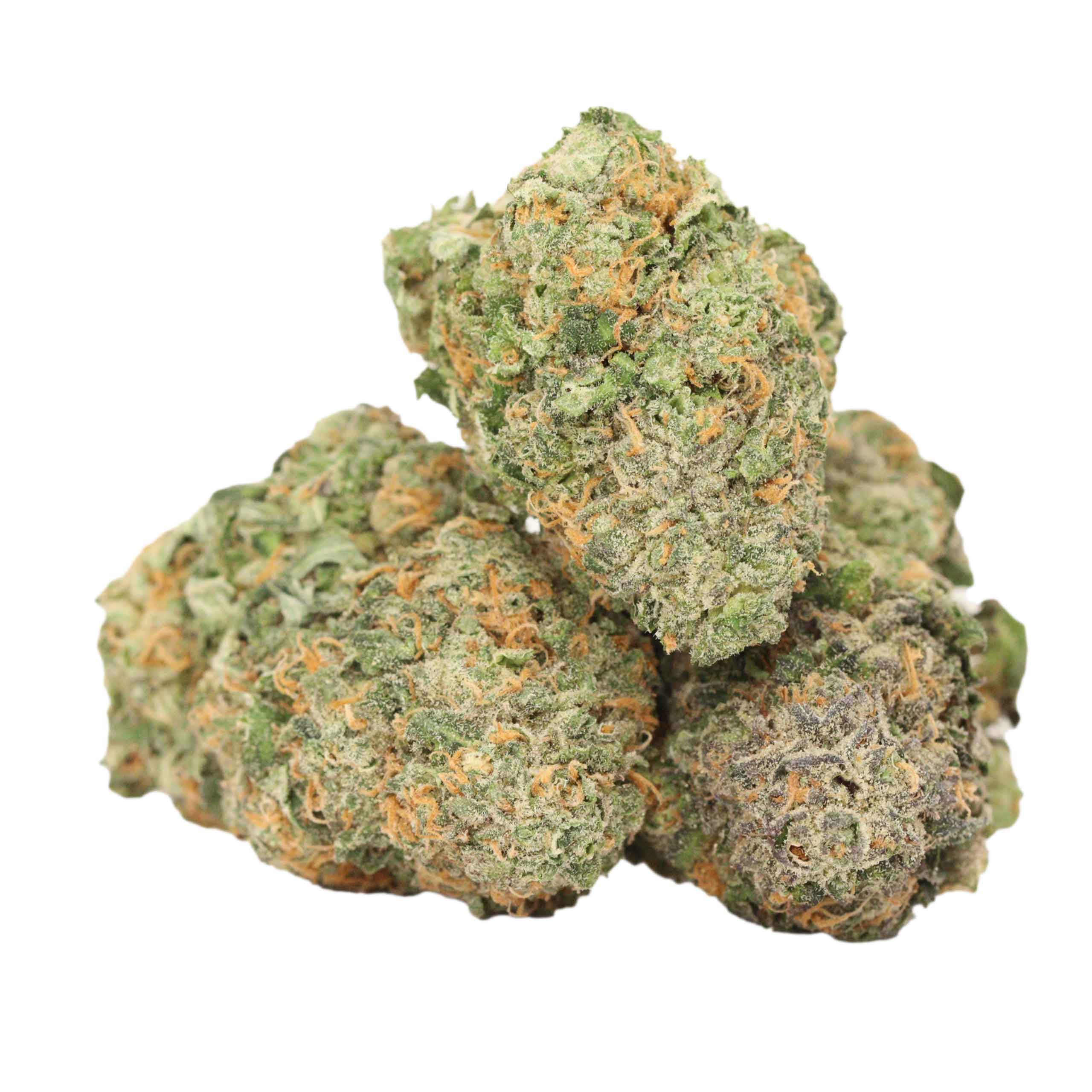
Neville’s Haze: Top Sativa Strains, Strong Sativas and Classic Haze Genetics
Neville’s Haze is one of the classic names associated with Haze-family cannabis and provides an excellent reference point for searches such as top sativa strains, best sativa strains, top 10 sativa strains, good sativa strains, strongest sativa strain, strong sativa strains, and best sativa.
Unlike many modern cultivars that sit somewhere between indica and sativa, Neville’s Haze has a particularly strong sativa reputation.
Current Leafly information describes Neville’s Haze as a sativa with approximately:
- 15% THC;
- 1% CBG;
- Haze ancestry;
- Northern Lights #5 ancestry;
- predominantly energizing effects;
- diesel, lemon and grape flavor notes;
- and myrcene, caryophyllene and pinene among its listed terpenes.
Its top consumer-reported effects currently include:
- giggly;
- euphoric;
- creative.
Neville’s Haze also has substantial historical importance within modern cannabis breeding.
It was named after breeder Nevil Schoenmakers, founder of the Seed Bank of Holland, and Leafly identifies Neville’s Haze as a tall, near-pure Haze-type sativa with a small amount of indica influence.
For additional strain comparisons and U.S.-focused cannabis education, explore Cannabistopgrade.com.
What Is Neville’s Haze?
Neville’s Haze, sometimes written Nevil’s Haze, is a classic Haze-family cannabis cultivar.
It is closely associated with old-school Haze breeding and the development of many modern sativa-dominant strains.
Leafly currently identifies its parents as:
Haze × Northern Lights #5
The strain maintains a strong Haze identity despite the Northern Lights influence.
Its reputation emphasizes:
- cerebral effects;
- creative experiences;
- energetic effects;
- tall sativa morphology;
- floral and pine-like aromas;
- and long-standing cannabis-culture significance.
Neville’s Haze at a Glance
| Feature | Neville’s Haze |
|---|---|
| Classification | Sativa |
| Genetics | Haze × Northern Lights #5 |
| Current reference THC | About 15% |
| Current reference CBG | About 1% |
| Top reported effects | Giggly, euphoric, creative |
| Top flavors | Diesel, lemon, grape |
| Main listed terpenes | Myrcene, caryophyllene, pinene |
| General profile | Mostly energizing |
| Historical distinction | Cannabis Cup-winning Haze cultivar |
Batch-specific THC and terpene results can vary.
A strain name should never be treated as a guaranteed chemical profile.
Why Neville’s Haze Is Historically Important
Neville’s Haze is named after Nevil Schoenmakers.
He helped popularize modern commercial cannabis genetics through the Seed Bank of Holland.
Haze genetics played an especially important role in the development of many well-known sativa cultivars.
Leafly’s history of Haze breeding identifies the Haze lines associated with Schoenmakers as influential ancestors of cultivars including:
- Neville’s Haze;
- Jack Herer;
- Super Silver Haze;
- Mango Haze;
- Afghan Haze;
- and other modern Haze-family strains.
This makes Neville’s Haze more than simply another sativa strain.
It represents an important chapter in cannabis breeding history.
Is Neville’s Haze a Sativa?
Yes.
Neville’s Haze is generally classified as a sativa.
Its current Leafly profile also describes it as mostly energizing.
That makes it particularly relevant to people comparing good sativa strains or building a top sativa strains list.
However, the sativa label should still be treated as a broad cannabis category rather than a guaranteed prediction of effects.
What Are Sativa Strains?
The term sativa strain is commonly used for cannabis cultivars associated with:
- taller plant structure;
- narrower leaves;
- longer flowering patterns;
- stimulating consumer reports;
- cerebral effects;
- and uplifting experiences.
Modern cannabis genetics are heavily hybridized, though.
Many products marketed as sativa are technically sativa-dominant hybrids rather than genetically pure sativas.
Sativa vs. Indica
Traditional cannabis culture often describes:
Sativa = uplifting and energetic
and
Indica = relaxing and sedating
This shorthand is convenient but imperfect.
Modern cannabis effects can depend on:
- THC;
- CBD;
- minor cannabinoids;
- terpenes;
- dose;
- individual tolerance;
- genetics;
- product type;
- and personal biology.
Two different sativa cultivars can therefore produce substantially different experiences.
Top Sativa Strains
There is no scientifically official list of the world’s top sativa strains.
However, several cultivars have achieved strong cultural recognition because of:
- longevity;
- awards;
- flavor;
- breeder influence;
- popularity;
- and consumer ratings.
Frequently recognized sativa or sativa-dominant names include:
- Neville’s Haze;
- Durban Poison;
- Super Lemon Haze;
- Super Silver Haze;
- Jack Herer;
- Sour Diesel;
- Acapulco Gold;
- Amnesia Haze;
- Kali Mist;
- and Ghost Train Haze.
These are examples rather than a universal ranking.
Top 10 Sativa Strains
A useful educational top 10 sativa strains comparison can focus on historically important and widely recognized cultivars.
| Sativa Strain | General Reputation | Common Flavor Association |
|---|---|---|
| Neville’s Haze | Classic cerebral Haze | Diesel, lemon, floral |
| Durban Poison | Energetic classic | Pine, earth, herbs |
| Super Lemon Haze | Bright and energetic | Lemon, citrus |
| Super Silver Haze | Long-lasting Haze profile | Citrus, spice |
| Jack Herer | Classic uplifting hybrid | Pine, spice |
| Sour Diesel | Fast, cerebral reputation | Diesel, citrus |
| Acapulco Gold | Historic Mexican sativa | Coffee, sweet, earthy |
| Amnesia Haze | Strong Haze-family profile | Citrus, lemon |
| Kali Mist | Classic sativa | Tea, spice, earth |
| Ghost Train Haze | Potent modern Haze | Citrus, sage, lime |
This should be treated as an illustrative list, not an objective medical or potency ranking.
Best Sativa Strains
The term best sativa strains depends entirely on what “best” means.
A consumer might mean:
- best aroma;
- best flavor;
- strongest THC;
- most historically significant;
- highest rated;
- most energetic;
- most creative;
- or most consistent.
One strain cannot objectively win all of those categories.
Neville’s Haze stands out primarily because of its:
- genetic history;
- Haze heritage;
- long-standing reputation;
- cerebral consumer profile;
- and cultural importance.
Good Sativa Strains
A good sativa strain is also subjective.
A useful comparison should consider several characteristics rather than relying exclusively on THC.
Genetics
Established breeder history can help verify lineage.
Cannabinoid Testing
THC and CBD can vary substantially between batches.
Terpenes
Terpenes influence aroma and contribute to the overall sensory profile.
Freshness
Old or poorly stored cannabis can lose aroma and quality.
Laboratory Testing
Regulated products may be tested for potency and contaminants.
Consumer Preference
One person’s favorite sativa may be unpleasant for another.
Strongest Sativa Strain
There is no permanent scientifically verified strongest sativa strain.
The phrase can mean several different things.
For example:
- highest tested THC;
- strongest subjective intoxication;
- longest-lasting effects;
- most stimulating experience;
- or strongest cerebral sensation.
These are not equivalent measurements.
Is Neville’s Haze the Strongest Sativa?
Not according to THC percentage alone.
Leafly currently displays Neville’s Haze at approximately 15% THC.
Many modern sativa-dominant cannabis products can test considerably higher.
Yet Neville’s Haze has a historical reputation for potent cerebral effects.
This demonstrates why THC percentage and subjective strength are not identical.
THC Percentage Does Not Tell the Whole Story
A common mistake is assuming:
higher THC = automatically stronger or better cannabis.
Individual experience can depend on:
- THC concentration;
- tolerance;
- cannabinoid ratios;
- terpene composition;
- product freshness;
- consumption method;
- and individual biology.
A lower-THC strain can sometimes feel more intense to a particular person than a higher-testing product.
Strong Sativa Strains
Cannabis strains often described as strong sativa strains include:
Ghost Train Haze
Leafly currently lists Ghost Train Haze as a sativa at around 19% THC, with focused, energetic and uplifted consumer reports.
Super Lemon Haze
Current Leafly data lists Super Lemon Haze at approximately 19% THC, with energetic, focused and uplifted reported effects.
Durban Poison
Current Leafly information lists Durban Poison around 19% THC and describes its consumer-reported effects as predominantly focused, energetic and uplifted.
Sour Diesel
Sour Diesel remains one of the most recognizable sativa-associated names in U.S. cannabis culture.
Jack Herer
Jack Herer combines strong Haze influence with Northern Lights #5 and Shiva Skunk ancestry and remains one of the best-known cannabis cultivars.
Potency can vary significantly between batches.
Neville’s Haze vs. Ghost Train Haze
These two Haze-family names are useful to compare.
Neville’s Haze
Current profile:
- sativa;
- approximately 15% THC;
- Haze × Northern Lights #5;
- giggly;
- euphoric;
- creative.
Ghost Train Haze
Current profile:
- sativa;
- approximately 19% THC;
- Ghost OG × Neville’s Wreck;
- focused;
- energetic;
- uplifted;
- citrus and sage flavor profile.
Ghost Train Haze may currently test higher in Leafly’s reference data, but that does not make every batch universally stronger.
Neville’s Haze vs. Super Lemon Haze
Super Lemon Haze is another major Haze-family cultivar.
Current Leafly data describes it as:
- sativa;
- approximately 19% THC;
- Lemon Skunk × Super Silver Haze;
- predominantly energetic;
- focused;
- uplifted;
- lemon and citrus dominant.
Neville’s Haze has a more old-school Haze identity.
Super Lemon Haze has a brighter citrus-oriented modern profile.
Neville’s Haze vs. Durban Poison
Durban Poison represents another important sativa tradition.
Leafly currently lists Durban Poison as:
- sativa;
- approximately 19% THC;
- focused;
- energetic;
- uplifted;
- pine, earthy and sage flavored;
- rich in terpinolene, myrcene and ocimene.
Durban Poison traces its cultural identity to South Africa, while Neville’s Haze belongs to the Dutch Haze breeding tradition.
Both have become important reference points for sativa enthusiasts.
Neville’s Haze vs. Jack Herer
Jack Herer is another famous Haze-related cannabis strain.
Its lineage is generally associated with:
- Haze;
- Northern Lights #5;
- Shiva Skunk.
This gives Jack Herer and Neville’s Haze some shared historical genetic influence.
However, they developed into distinct cannabis cultivars.
Neville’s Haze vs. Super Silver Haze
Super Silver Haze is among the most recognizable Dutch Haze hybrids.
Its commonly cited lineage includes:
- Skunk;
- Northern Lights;
- Haze.
It gained substantial recognition through cannabis competitions in the 1990s.
Neville’s Haze maintains a particularly strong connection to traditional Haze genetics.
Neville’s Haze Terpenes
Current Leafly information lists three leading terpenes:
Myrcene
Myrcene contributes earthy, herbal and musky aromas.
It appears across many cannabis strains regardless of whether they are labeled sativa or indica.
Caryophyllene
Caryophyllene contributes peppery and spicy aromatic qualities.
It is widely found in cannabis as well as foods and spices.
Pinene
Pinene contributes pine-like and fresh herbal aromas.
Together, these terpenes help create Neville’s Haze’s distinctive profile.
Haze Terpenes
Haze-family strains are particularly interesting because their terpene profiles vary.
Leafly identifies several popular Haze-related strains, including:
- Neville’s Haze;
- Super Silver Haze;
- Ghost Train Haze;
- Super Lemon Haze;
- Amnesia Haze.
Terpinolene is especially prominent in several Haze descendants, but it is not universal.
This illustrates how genetically related strains can still develop distinct terpene profiles.
Does Sativa Mean More THC?
No.
Sativas do not automatically contain more THC than indicas.
Modern indica, sativa and hybrid cultivars can all reach high THC concentrations.
Potency depends on:
- genetics;
- cultivation;
- phenotype;
- harvest conditions;
- processing;
- and the individual batch.
The category alone does not predict THC.
Is Higher THC Better?
Not necessarily.
High THC may increase intoxication but can also increase the likelihood of unwanted effects.
Possible adverse effects include:
- anxiety;
- paranoia;
- dizziness;
- impaired attention;
- impaired coordination;
- and cognitive changes.
Cannabis quality includes much more than potency.
Neville’s Haze Consumer-Reported Effects
Leafly currently lists Neville’s Haze’s leading reported effects as:
- giggly;
- euphoric;
- creative.
Its overall profile leans energizing.
Consumer reports can help describe broad patterns, but they are not controlled clinical evidence.
They should not be interpreted as proof that Neville’s Haze treats a medical condition.
Sativas and Anxiety
Energetic cannabis does not feel pleasant to everyone.
High-THC or strongly cerebral experiences can sometimes contribute to:
- anxiety;
- racing thoughts;
- paranoia;
- dizziness;
- or discomfort.
Individual THC sensitivity matters.
People who experience anxiety from stimulating cannabis may react differently to Haze-family strains than those who prefer cerebral effects.
Sativas and Productivity
Sativa strains are frequently marketed around:
- productivity;
- energy;
- creativity;
- focus;
- and daytime use.
These are consumer and cultural associations, not guaranteed performance benefits.
THC can impair:
- attention;
- reaction time;
- working memory;
- judgment;
- and decision-making.
A person feeling mentally stimulated does not necessarily mean objective performance has improved.
Sativas and Creativity
Creativity is another common sativa association.
Neville’s Haze currently lists creativity among its most frequently reported effects.
However, creativity is subjective.
Scientific evidence does not establish Neville’s Haze as a performance-enhancing substance.
The description should remain a consumer-reported characteristic.
Sativa Flower Quality
When evaluating cannabis flower, useful quality indicators include:
- aroma;
- freshness;
- trichome condition;
- moisture balance;
- curing;
- cannabinoid testing;
- terpene testing;
- contaminant testing;
- and packaging integrity.
The word sativa alone says little about production quality.
Strong Sativas and Concentrates
Sativa cultivars can also appear as:
- live resin;
- rosin;
- wax;
- shatter;
- vape oil;
- and other concentrates.
A concentrate derived from Neville’s Haze or another sativa can have dramatically higher THC than the original flower.
Therefore, strain potency and product potency must be evaluated separately.
Flower vs. Concentrate
| Product | Typical Characteristic |
|---|---|
| Cannabis flower | Lower cannabinoid concentration than extracts |
| Live resin | Concentrated cannabinoids and preserved aromatics |
| Rosin | Solventless concentrate |
| Wax | Concentrate with wax-like consistency |
| Vape oil | Concentrated cannabinoid formulation |
A concentrate should not be assumed to have the same potency as flower carrying the same strain name.
Cannabis Use Disorder
Repeated high-THC cannabis use can become problematic for some people.
Potential signs of cannabis use disorder can include:
- difficulty reducing use;
- using more than intended;
- tolerance;
- withdrawal;
- continuing despite negative consequences;
- and significant time devoted to cannabis.
Strain type does not eliminate these risks.
Cannabis and Driving
Sativa marketing sometimes creates the misleading impression that energizing cannabis is compatible with driving.
THC can impair abilities important for safe driving, including:
- reaction time;
- coordination;
- attention;
- judgment;
- and decision-making.
Feeling energetic does not mean someone is unimpaired.
Popularity vs. Scientific Ranking
Lists such as top 10 sativa strains are useful for education and comparison.
They should not be mistaken for scientific rankings.
Popular rankings typically reflect:
- consumer ratings;
- editorial judgment;
- cultural reputation;
- breeder history;
- availability;
- and popularity data.
Leafly’s current top-100 cannabis list, updated in July 2026, similarly describes its ranking as a curated combination of expert input and popularity rather than a universal scientific standard.
What Makes a Sativa “Best”?
A better definition of the best sativa would depend on the user’s priorities.
Anyone interested in cannabis history might choose Neville’s Haze.
Someone focused on citrus flavor might prefer Super Lemon Haze.
Someone interested in classic African genetics might prefer Durban Poison.
A person prioritizing Haze-family awards might consider Super Silver Haze.
Someone wanting a modern high-potency Haze might compare Ghost Train Haze.
There is no universally correct answer.
U.S. Cannabis Laws
Cannabis laws remain highly state-specific.
States differ regarding:
- adult-use cannabis;
- medical cannabis;
- possession;
- licensed retailers;
- flower;
- concentrates;
- home cultivation;
- packaging;
- product testing;
- and taxation.
The NCSL State Cannabis Policy Enactment Database was updated August 31, 2026.
It tracks enacted legislation involving medical programs, adult-use regulation, product regulation, public health, licensing and related cannabis policy.
Strain Names Do Not Determine Legality
Neville’s Haze does not receive a unique legal status because it is a famous sativa.
Cannabis law generally regulates the product rather than the strain name.
Relevant factors can include:
- THC content;
- marijuana versus hemp classification;
- possession amount;
- age;
- medical authorization;
- licensed sale;
- and jurisdiction.
A strain popular in one legal state may not be lawfully available under the same circumstances somewhere else.
Educational Resources
For additional U.S.-focused cannabis strain comparisons and cannabinoid education, explore Cannabistopgrade.com.
Regarding Neville’s Haze genetics, current cannabinoid information, terpenes and consumer-reported effects, see the Leafly Neville’s Haze profile.
Concerning additional context about influential Haze-family genetics, see Leafly’s Haze terpene and strain-family guide.
For current U.S. cannabis legislation and state-by-state regulatory developments, consult the NCSL State Cannabis Policy Enactment Database.
Readers can continue exploring sativa strains, THC, terpenes and U.S. cannabis policy through Cannabistopgrade.com.
Frequently Asked Questions
1. Is Neville’s Haze a sativa?
Yes. Neville’s Haze is generally classified as a sativa and has strong Haze lineage. Current Leafly data describes its reported effects as predominantly energizing.
2. What are some top sativa strains?
Widely recognized examples include Neville’s Haze, Durban Poison, Super Lemon Haze, Super Silver Haze, Jack Herer, Sour Diesel, Acapulco Gold, Amnesia Haze, Kali Mist and Ghost Train Haze.
3. What is the strongest sativa strain?
There is no universally established strongest sativa strain. THC levels vary between batches, and subjective strength depends on tolerance, cannabinoid composition, product type and individual biology.
4. Is Neville’s Haze stronger than other sativas?
Leafly currently lists Neville’s Haze around 15% THC, while several modern sativas show higher reference THC levels. However, Neville’s Haze has a reputation for potent cerebral effects, showing why THC percentage alone does not determine perceived strength.
5. What makes a good sativa strain?
A good sativa depends on individual preferences. Useful considerations include genetics, aroma, cannabinoid profile, terpene profile, freshness, laboratory testing and personal response.
6. Is Neville’s Haze one of the best sativas?
It is historically important and widely recognized within Haze-family cannabis. Calling it the “best” remains subjective, but its Haze heritage, breeder history and long-standing reputation make it a notable classic sativa.
| weight | Ounce |
|---|
Be the first to review “Neville’s Haze”
Related products
Hybrid cannabis strains
Sativa Strains
Sativa Strains
Edibles and Gummies
Buy THC Extracts Online
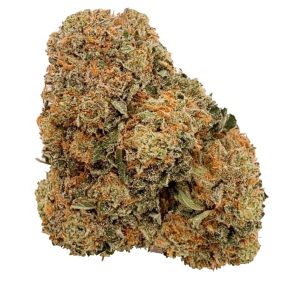
Sativa Strains
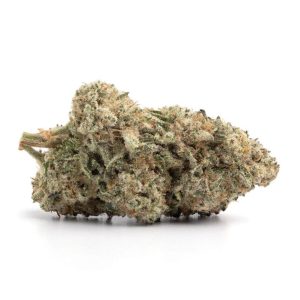
Hybrid cannabis strains
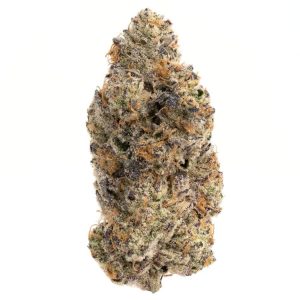
Sativa Strains
Reviews
There are no reviews yet.