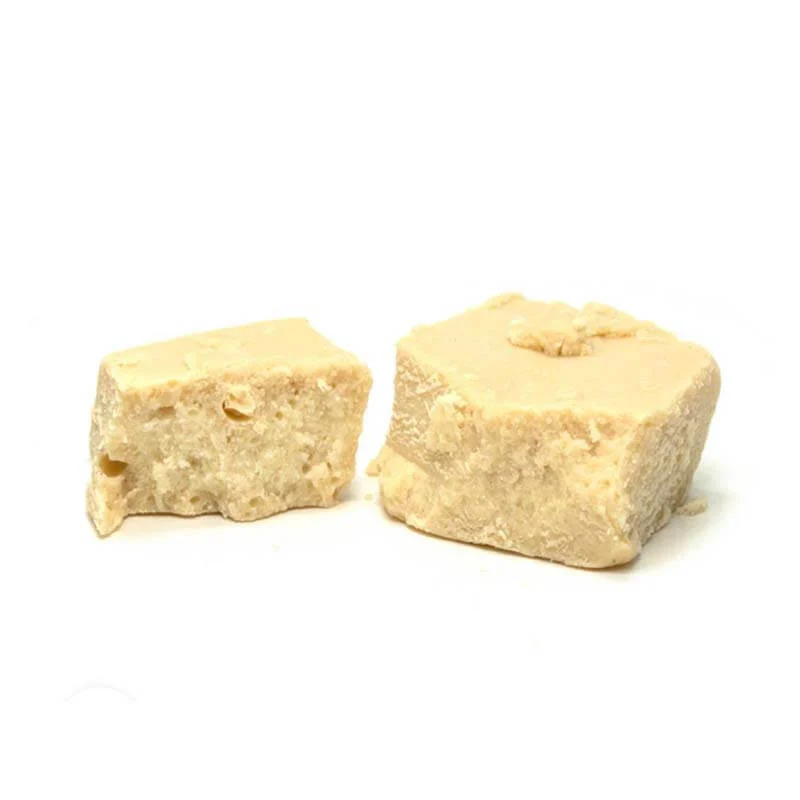
Island Pink Kush Budder is a cannabis concentrate associated with Island Pink Kush, a British Columbia cultivar closely associated with Pink Kush genetics.
Current sources do not present one universally standardized lineage for Island Pink Kush. Weedmaps describes Island Pink as a Vancouver Island hybrid bred from Pink Kush with another parent that is not documented in available sources. Canadian producer Simply Bare describes its Island Pink Kush as an indica-dominant phenotype rooted in Pink Kush, with floral, diesel, earthy, pine and citrus characteristics.
This lineage uncertainty matters because cannabis strain names do not function like standardized pharmaceutical names. Different growers may circulate somewhat different cuts under the Island Pink or Island Pink Kush name.
Budder is also very different from ordinary dried flower. It is a concentrated cannabis product, so the potency of an Island Pink Kush Budder batch should come from its own laboratory analysis rather than a flower percentage.
Useful information includes:
- total THC and THCA;
- CBD and other cannabinoids;
- terpene profile;
- batch or lot number;
- producer information;
- laboratory-testing date;
- contaminant screening.
For more concentrate education, read the Cannabistopgrade Cannabis Concentrates and Dabbing Guide, explore Cannabistopgrade Hash and Concentrates, and visit Cannabistopgrade.com for additional cannabis education.
Island Pink Kush Budder Quick Facts
| Topic | Educational overview |
|---|---|
| Product | Island Pink Kush Budder |
| Cultivar | Island Pink / Island Pink Kush |
| General classification | Indica-dominant hybrid |
| Main documented genetic connection | Pink Kush |
| Exact second parent | Not consistently documented |
| Product type | Cannabis concentrate |
| Exact budder THC | Batch-specific |
| Marijuana smoke | Contains respiratory irritants and toxic compounds |
| Weed as a narcotic? | Not generally classified as a narcotic/opioid |
| “High” | Intoxication caused mainly by THC |
| High-potency concentrates | Can produce stronger intoxicating effects |
Side Effects of Cannabis Long Term
The phrase side effects of cannabis long term covers several different potential outcomes, and not everyone who uses cannabis experiences the same problems.
Current NIH guidance says regular or heavy THC-containing cannabis use is associated with a range of concerns involving dependence, withdrawal, mental health, digestive health, lungs and cardiovascular health. Risk varies according to frequency, potency, age, underlying health and other factors.
Cannabis Use Disorder
One of the clearest long-term concerns is cannabis use disorder, in which cannabis use becomes difficult to control despite negative consequences.
CDC notes that people with cannabis use disorder may:
- crave cannabis;
- repeatedly try and fail to stop;
- continue using despite problems;
- give up important activities;
- use cannabis in risky circumstances;
- need increasingly strong cannabis to obtain the same high.
Highly concentrated THC products are particularly relevant to Island Pink Kush Budder, because CDC specifically includes budder among concentrate formats that can deliver very high levels of THC.
Memory, Attention and Learning
Heavy cannabis use can affect:
- memory;
- attention;
- learning;
- decision-making.
CDC says cannabis directly affects brain functions involving memory, learning, attention, coordination, emotions and reaction time. The developing brain is particularly susceptible, with brain development continuing into roughly the mid-20s.
Withdrawal
Long-term or heavy cannabis users can experience withdrawal after stopping or substantially reducing use.
NIH lists possible withdrawal symptoms including:
- irritability;
- difficulty sleeping;
- reduced appetite;
- depressed mood;
- disturbing dreams;
- headache;
- restlessness;
- nausea.
Cannabis Hyperemesis Syndrome
Long-term cannabis use can also be associated with cannabinoid hyperemesis syndrome, which involves recurring episodes of severe nausea, vomiting and abdominal discomfort in some users.
This does not occur in everyone who uses cannabis, but it is a recognized potential complication of chronic use.
Marijuana Smoke
Marijuana smoke is not simply THC floating in the air.
Burning cannabis plant material produces a mixture of gases, particles and combustion products.
CDC states that smoked cannabis can harm lung tissue and that marijuana smoke contains many of the same toxins, irritants and carcinogenic chemicals found in tobacco smoke.
Cannabis smoking is associated with:
- coughing;
- increased mucus;
- bronchitis symptoms;
- airway irritation.
CDC notes that these symptoms often improve after a person stops smoking cannabis.
Does Marijuana Smoke Cause Lung Cancer?
The evidence is less clear than it is for cigarette smoking.
CDC states that more research is needed to determine how cannabis smoking affects the risk of lung cancer and other chronic respiratory diseases such as COPD.
Therefore, it would be inaccurate to say either:
“marijuana smoke definitely causes lung cancer at the same rate as cigarettes”
or
“marijuana smoke is harmless.”
The established point is that combustion exposes the lungs to irritants and toxic compounds.
Secondhand Marijuana Smoke
Secondhand exposure matters as well.
CDC reports that secondhand cannabis smoke contains many of the same toxic and cancer-causing chemicals as tobacco smoke and also contains THC, the cannabinoid responsible for most cannabis intoxication.
Under sufficient exposure conditions, people who are not intentionally using cannabis can experience psychoactive effects.
This is especially relevant around children and infants.
Is Weed Narcotics?
The query “is weed narcotics?” is usually asking whether marijuana belongs to the narcotic or opioid class.
Cannabis is not generally classified pharmacologically as a narcotic opioid.
The DEA currently lists Marijuana under its Cannabis drug category and describes it as a mind-altering psychoactive drug. DEA separately categorizes drugs such as morphine, methadone and hydromorphone as Narcotics (Opioids).
So the clearest educational distinction is:
| Drug/category | General classification |
|---|---|
| Marijuana / cannabis | Psychoactive cannabis drug |
| THC | Psychoactive cannabinoid |
| Morphine | Opioid/narcotic |
| Heroin | Opioid/narcotic |
| Methadone | Opioid/narcotic |
The word narcotic has sometimes been used loosely or differently in historical laws and everyday language, but pharmacologically cannabis is not an opioid.
What Is a High?
A high is the subjective state of intoxication produced by a psychoactive substance.
With cannabis, the high is caused mainly by delta-9-tetrahydrocannabinol, or THC.
NIH explains that THC-containing cannabis can alter:
- mood;
- thoughts;
- perception of reality;
- time perception;
- movement;
- memory;
- thinking.
Some people experience:
relaxation
euphoria
heightened sensory perception
or
changes in time perception.
Others may experience unwanted effects such as:
- anxiety;
- panic;
- paranoia;
- dizziness;
- confusion;
- hallucinations at high exposure.
There is therefore no single cannabis high that everyone experiences identically.
How Weed Gets You High
The basic answer to “how weed gets you high” involves THC and the body’s endocannabinoid system.
THC has a molecular structure similar enough to naturally occurring endocannabinoid signaling compounds that it can interact with cannabinoid receptors, particularly CB1 receptors in the brain.
NIDA explains that THC can attach to cannabinoid receptors on neurons and activate them, altering normal communication in brain regions involved in:
- pleasure;
- memory;
- thinking;
- concentration;
- movement;
- coordination;
- sensory perception;
- perception of time.
This disruption of normal signaling produces the familiar cannabis intoxication or “high.”
What Happens When Cannabis Is Inhaled?
When marijuana is smoked, THC passes from the lungs into the bloodstream and then reaches the brain and other organs.
DEA explains that THC then interacts with cannabinoid receptors on nerve cells in brain regions involved in pleasure, memory, thought, concentration, sensory perception, time perception and movement.
The effects from inhaled cannabis generally begin much faster than those from edible cannabis.
Why Concentrates Can Produce a Stronger High
Products such as budder, wax, shatter and live resin can contain much higher concentrations of THC than ordinary flower.
CDC states that high-THC products can produce greater intoxicating effects and raise the risk of overconsumption. Concentrate methods such as dabbing and vaping may deliver particularly high THC exposure.
This is why an Island Pink Kush Budder product should not inherit the potency figure from Island Pink Kush flower.
The actual concentrate needs its own test.
Side Effects of Being High
Common side effects of being high can vary from pleasant to uncomfortable.
NIH lists short-term cannabis effects that can include:
- happiness or relaxation;
- altered time perception;
- impaired thinking;
- problems with memory;
- impaired body movement;
- drowsiness;
- dizziness;
- increased appetite;
- rapid heartbeat.
With higher THC exposure, unwanted effects can become more likely.
These may include:
- anxiety;
- fear;
- distrust;
- panic;
- paranoia;
- hallucinations.
The likelihood and intensity depend partly on:
THC concentration
amount consumed
individual tolerance
previous cannabis experience
other substances being used
underlying health conditions.
Sativa Side Effects
The keyword sativa side effects requires an important correction.
There is no scientifically established list of side effects that applies exclusively to sativa strains.
Cannabis marketing often associates sativa with energetic or uplifting experiences and indica with relaxation, but adverse effects are influenced more directly by:
- THC concentration;
- CBD content;
- total cannabinoid chemistry;
- individual sensitivity;
- consumption method;
- amount consumed.
A high-THC product marketed as sativa can still produce:
- anxiety;
- paranoia;
- dizziness;
- increased heart rate;
- impaired memory;
- coordination problems.
Likewise, an indica product can produce the same adverse effects.
Therefore, “sativa” should not be interpreted as a safety category.
Is Island Pink Kush Sativa?
Island Pink Kush is generally described as indica-dominant rather than sativa.
Weedmaps describes Island Pink as a hybrid from Vancouver Island with Pink Kush ancestry, while Simply Bare describes its version as an indica-dominant cultivar rooted in Pink Kush.
Some commercial databases attach specific indica/sativa percentages, but those numbers are not consistently documented across producers.
For SEO accuracy, the better description is:
Island Pink Kush is an indica-dominant hybrid associated strongly with Pink Kush genetics.
Island Pink Kush Effects
Specific commercial Island Pink Kush products are commonly described as relaxing and heavy, but strain effects remain subjective.
Simply Bare describes its Island Pink Kush as an indica-dominant cultivar with floral and diesel aromas alongside earthy pine and citrus. Its current published batches generally show high-THC flower chemistry with CBD below 1%, but those figures apply to the producer’s particular flower batches—not to all Island Pink Kush products and not to Island Pink Kush Budder.
That distinction is important:
Flower laboratory result ≠ budder laboratory result.
Island Pink Kush Flower vs. Budder
| Feature | Island Pink Kush Flower | Island Pink Kush Budder |
|---|---|---|
| Product format | Dried cannabis flower | Cannabis concentrate |
| General classification | Indica-dominant hybrid | Concentrated cultivar-derived product |
| Pink Kush ancestry | Commonly documented | Depends on source material |
| THC | Batch-specific | Batch-specific |
| CBD | Usually low in THC-dominant versions | Batch-specific |
| Potency | Variable | Often more concentrated |
| High guaranteed to feel the same? | No | No |
| Lab testing important? | Yes | Yes |
For more information about budder and other concentrates, read the Cannabistopgrade Cannabis Concentrates Guide.
Long-Term Cannabis and Mental Health
Regular cannabis use has been associated with several mental-health outcomes, but these relationships are complicated.
NIH reports evidence linking regular cannabis use with increased risk of depression, suicidal thoughts or behavior, and earlier onset of psychosis, including schizophrenia, while noting that shared risk factors such as genetics, stress and trauma can influence both cannabis use and mental-health outcomes.
It is therefore more accurate to describe these as associations and risks rather than claiming cannabis directly causes every psychiatric condition.
Long-Term Cannabis and Lung Health
Long-term cannabis smoking is associated with respiratory problems including:
- large-airway inflammation;
- increased airway resistance;
- lung hyperinflation;
- chronic bronchitis.
NIH notes that separating the effects of cannabis from tobacco can be difficult because some cannabis users also smoke tobacco.
This uncertainty should be acknowledged rather than ignored.
Frequently Asked Questions
1. What is Island Pink Kush Budder?
Island Pink Kush Budder is a concentrated cannabis product associated with Island Pink Kush. Current sources describe Island Pink as an indica-dominant British Columbia cultivar with strong Pink Kush ancestry, although the complete lineage is not consistently documented.
2. What are the long-term side effects of cannabis?
Long-term or heavy cannabis use can be associated with cannabis use disorder, withdrawal, memory and attention problems, respiratory effects when smoked, cannabinoid hyperemesis syndrome and certain mental-health concerns. Individual risk varies considerably.
3. Is weed a narcotic?
Cannabis is not generally classified as an opioid narcotic. DEA lists marijuana as a cannabis psychoactive drug while separately categorizing drugs such as morphine and methadone as narcotics/opioids.
4. What does being high mean?
Being high means experiencing psychoactive intoxication. With cannabis, THC is the primary compound responsible. Effects can include relaxation, euphoria and altered perception as well as impaired memory, coordination, anxiety or paranoia.
5. How does weed get you high?
THC reaches the brain and interacts primarily with cannabinoid receptors, especially CB1 receptors. This alters signaling in brain systems involved in memory, pleasure, concentration, movement and perception, producing cannabis intoxication.
Authoritative Outbound Links
NIH – Cannabis Health Overview
| Quantity | 1/8 oz(3.5g), 1/4 oz (7g), 1/2 oz (14g), 1 oz (28g) |
|---|
Be the first to review “Island Pink Kush Budder for Sale Online”
Related products
Buy Budder Online
Buy THC Extracts Online
Buy THC Extracts Online
Buy THC Extracts Online
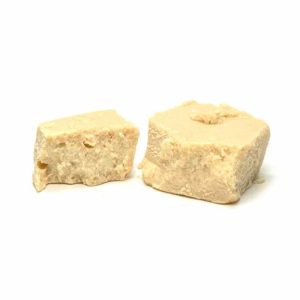
Buy Budder Online
Buy THC Extracts Online
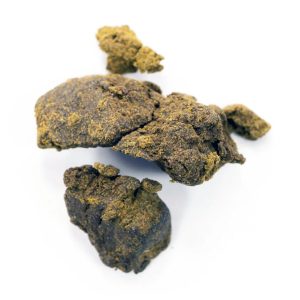
Buy THC Extracts Online
Buy THC Extracts Online
Reviews
There are no reviews yet.