
Pennywise Strain: Schedule I Cannabis, Best Weed Mixes and High-Yield Strain Comparisons
The Pennywise strain is unusual in modern cannabis because it is known less for extreme THC and more for its approximately balanced CBD-to-THC profile.
That makes Pennywise a useful strain to discuss alongside searches such as best weed strain in schedule 1, best weed mix, best yielding strains, highest yielding cannabis strains, heavy yielding strains, and top 10 highest yielding strains indoors.
However, several of those terms require clarification.
First, there is no separate federal Schedule I category for individual cannabis strain names such as Pennywise. Under current federal law, marijuana remains listed in Schedule I of the Controlled Substances Act. A federal proposal to move marijuana to Schedule III remains in the rulemaking process as of September 2026.
Second, Pennywise is not generally known as a record-setting yield cultivar. Yield depends heavily on genetics, phenotype, environment, cultivation system, plant health, and grower technique. Online “highest yielding strain” lists should therefore be treated as rough comparisons rather than universal facts.
Leafly currently describes Pennywise as an indica with approximately 8% THC, 8% CBD and 1% CBG, giving it a roughly 1:1 CBD-to-THC ratio.
For more educational information about cannabis strains, cannabinoids and U.S. regulation, readers can explore Cannabistopgrade.com.
What Is the Pennywise Strain?
Pennywise is a high-CBD cannabis cultivar bred from:
Harlequin × Jack the Ripper
Its name is inspired by the fictional clown Pennywise from Stephen King’s It.
The genetics are particularly interesting because the two parent strains contribute very different characteristics.
Harlequin
Harlequin is widely associated with:
- relatively high CBD;
- more moderate THC;
- balanced cannabinoid profiles;
- and functional consumer experiences.
Jack the Ripper
Jack the Ripper is generally associated with:
- more stimulating genetics;
- citrus characteristics;
- mental uplift;
- and stronger THC-oriented breeding.
Pennywise combines these lineages into a cultivar that is frequently discussed as a balanced cannabinoid strain rather than a high-THC powerhouse.
Pennywise THC and CBD
Leafly currently displays approximately:
8% THC
8% CBD
1% CBG
for Pennywise.
This roughly 1:1 THC-to-CBD ratio is one of its defining features.
That distinguishes Pennywise from many modern U.S. commercial strains, where THC can dominate while CBD remains very low.
Actual cannabinoid levels still vary from batch to batch.
Factors include:
- phenotype;
- cultivation environment;
- harvest timing;
- curing;
- storage;
- and laboratory methodology.
A specific regulated product label is therefore more reliable than a generic strain average.
Pennywise Effects
Leafly currently lists Pennywise’s leading consumer-reported effects as:
Relaxed
Sleepy
Focused
Its overall profile is described as mostly calming.
This combination is notable because Pennywise is lower in THC than many contemporary cannabis strains while maintaining a substantial CBD component.
Consumer responses can still vary.
No strain name guarantees the same experience for every person.
Pennywise Negative Effects
Leafly currently lists reported negative effects including:
- headache;
- dry mouth;
- dry eyes.
These are anecdotal consumer reports.
The balanced THC/CBD profile does not eliminate possible unwanted effects.
Cannabis can affect:
- attention;
- coordination;
- judgment;
- mood;
- and reaction time.
Pennywise Flavor
Leafly currently lists Pennywise’s leading flavors as:
Pepper
Woody
Spicy/Herbal
The strain is also described as producing aromas that may include:
- coffee;
- lemon;
- pepper;
- earth;
- and bubblegum-like sweetness.
Its flavor is considerably different from modern dessert cultivars dominated by:
- candy;
- cream;
- fruit;
- or sugary aromas.
Pennywise Terpenes
Leafly currently associates Pennywise with:
Myrcene
Terpinolene
Pinene
Myrcene
Myrcene commonly contributes:
- earthy;
- herbal;
- musky;
- and occasionally fruity aromas.
Terpinolene
Terpinolene may contribute:
- herbal;
- floral;
- woody;
- citrus;
- and pine-like notes.
Pinene
Pinene contributes fresh pine-like aroma.
Terpenes are useful for describing cannabis chemistry and sensory characteristics, but they should not be treated as proof that a strain treats a medical condition.
Pennywise Phenotypes
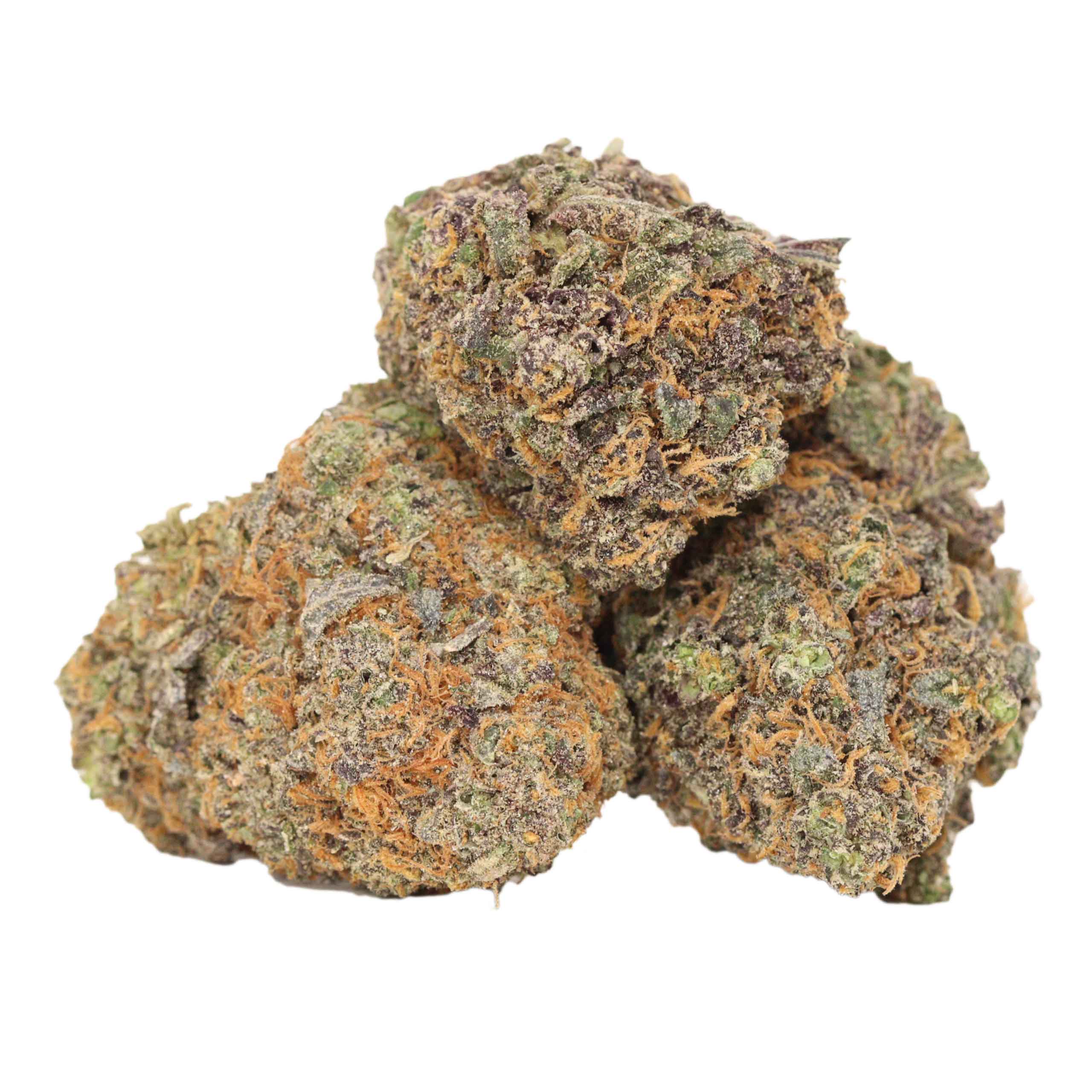
Pennywise is notable for phenotype variation.
Leafly reports that four phenotypes have been observed.
Some produce:
- elongated, finger-like buds;
while others develop:
- rounder flower structures.
This illustrates an important point about cannabis genetics.
A strain name can represent a family of related expressions rather than one completely identical plant.
Phenotype differences can affect:
- plant structure;
- appearance;
- cannabinoid concentration;
- aroma;
- and yield.
Is Pennywise a Schedule I Weed Strain?
Not exactly.
The phrase best weed strain in Schedule 1 can create confusion.
Individual marijuana strain names are not separately placed into federal schedules.
Rather, DEA currently lists marijuana (cannabis) itself as a Schedule I controlled substance under federal law.
As of September 2026, a federal proposal exists to move marijuana from Schedule I to Schedule III, but the rulemaking process has not yet resulted in a final effective rescheduling rule.
Therefore, Pennywise falls under the broader federal treatment of marijuana rather than having its own unique schedule classification.
What Does Schedule I Mean?
DEA describes Schedule I substances as drugs or substances federally classified as having:
- no currently accepted medical use under the existing Schedule I framework;
- and high abuse potential.
Marijuana is still listed in this category on DEA’s current drug-scheduling page.
At the same time, state cannabis laws differ dramatically, and many states operate medical or adult-use cannabis programs.
This creates the well-known difference between federal cannabis law and state cannabis policy.
Is Marijuana Moving to Schedule III?
A federal rescheduling process remains active.
The Department of Justice previously proposed moving marijuana from Schedule I to Schedule III.
DEA announced formal hearings beginning June 29, 2026 concerning that proposed change.
Until a final rule becomes effective, marijuana remains federally listed in Schedule I.
Readers should therefore avoid assuming that proposed rescheduling has already changed federal law.
Pennywise and State Cannabis Laws
U.S. cannabis policy varies substantially by jurisdiction.
The NCSL State Cannabis Policy Enactment Database was updated August 31, 2026.
It tracks enacted cannabis legislation involving:
- medical cannabis;
- adult-use cannabis;
- hemp and CBD;
- possession;
- licensing;
- flower;
- concentrates;
- edibles;
- labeling;
- packaging;
- testing;
- taxation;
- driving;
- and public health.
This means Pennywise may exist in a legal state cannabis market while marijuana remains federally controlled.
Best Weed Mix
The phrase best weed mix can mean different things.
Consumers may use it to describe:
- mixed genetics;
- balanced THC and CBD;
- blends of flower types;
- mixed cannabinoid profiles;
- or hybrid breeding.
From an educational perspective, Pennywise is especially relevant because it represents a balanced cannabinoid mix rather than a maximum-THC approach.
Its approximate 1:1 CBD-to-THC profile can be compared with:
- THC-dominant strains;
- CBD-dominant strains;
- and balanced Type II cannabis.
THC-Dominant vs. CBD-Dominant vs. Balanced Cannabis
| Cannabis Profile | Typical Characteristic | Pennywise Fit |
|---|---|---|
| THC-dominant | Much more THC than CBD | No |
| CBD-dominant | Much more CBD than THC | No |
| Balanced THC/CBD | Similar THC and CBD | Yes |
| Low-cannabinoid hemp | Very low THC | No |
Pennywise therefore sits in a distinct chemical category compared with many high-THC strains.
Is Pennywise the Best Weed Mix?
There is no universal “best” cannabinoid mixture.
Different consumers may prioritize:
- lower THC;
- higher CBD;
- higher THC;
- specific terpene profiles;
- or particular regulated product formats.
Pennywise is notable because its balanced profile offers a clear contrast to high-THC commercial cannabis.
That makes it an important educational cultivar even if it is not the strongest.
Best Yielding Strains
The phrase best yielding strains usually refers to how much usable flower a cultivar can produce under particular conditions.
Yield is affected by:
- genetics;
- phenotype;
- plant size;
- growing environment;
- light intensity;
- plant health;
- flowering duration;
- and cultivation expertise.
Because so many variables matter, strain yield claims should be treated cautiously.
A cultivar described as “high yielding” under one grow system may perform differently elsewhere.
Is Pennywise a High-Yield Strain?
Pennywise is not primarily famous for extreme yield.
Leafly currently describes it as suitable for both indoor and outdoor cultivation and reports a flowering period of approximately 60 to 67 days.
Its reputation centers more strongly on:
- balanced THC/CBD;
- phenotype variety;
- mildew resistance;
- and cannabinoid profile
than on record-setting flower production.
Therefore, it would be misleading to place Pennywise at the top of a “highest yielding cannabis strains” ranking without reliable comparable production data.
Pennywise Flowering Time
Leafly reports a flowering period of approximately:
60–67 days
for Pennywise.
Flowering time matters because it affects:
- crop scheduling;
- energy requirements;
- harvest cycles;
- and overall production planning.
However, flowering duration alone does not determine yield.
Pennywise Indoor vs. Outdoor Cultivation
Leafly describes Pennywise as suitable for both:
Indoor cultivation
and
Outdoor cultivation
Environmental conditions can strongly influence plant performance.
Indoor production offers tighter control over:
- temperature;
- humidity;
- lighting;
- airflow;
- and photoperiod.
Outdoor production can provide:
- natural sunlight;
- larger root space;
- and greater potential plant size
where climate and law permit.
The better system depends on environment, regulation and production goals.
Best Yielding Strains vs. Best Quality Strains
Yield and quality are different metrics.
A strain can produce a large harvest but still lack:
- desirable aroma;
- cannabinoid balance;
- strong terpene expression;
- or consistency.
Another cultivar may produce less flower but offer exceptional:
- flavor;
- resin;
- chemical balance;
- or market reputation.
Therefore, “best yielding” does not automatically mean “best cannabis.”
Highest Yielding Cannabis Strains
Lists of highest yielding cannabis strains often mix:
- breeder estimates;
- grower reports;
- indoor results;
- outdoor results;
- greenhouse performance;
- and anecdotal claims.
Those measurements are not standardized.
A proper comparison would need to control factors such as:
- plant count;
- canopy area;
- lighting;
- cultivation time;
- genetics;
- climate;
- and harvest method.
Without those controls, yield rankings are approximate.
Heavy Yielding Strains
A heavy-yielding strain generally has several desirable production characteristics.
These may include:
- vigorous growth;
- productive branching;
- dense flower development;
- good environmental tolerance;
- stable genetics;
- and manageable flowering duration.
However, very dense flowers can sometimes create environmental-management challenges, including moisture retention.
Production quality therefore requires more than simply maximizing flower mass.
Top 10 Highest Yielding Strains Indoors
There is no universally verified scientific top 10 highest yielding strains indoors list.
Commercial rankings often disagree because growers use different conditions.
For educational comparison, strains frequently described in cultivation literature as productive may include genetics associated with names such as:
- Big Bud;
- Critical Mass;
- Super Skunk;
- Amnesia Haze;
- Blue Dream;
- White Widow;
- Northern Lights;
- Power Plant;
- Green Crack;
- and certain high-production modern hybrids.
This should not be interpreted as an official ranking.
Actual indoor output can differ dramatically.
Why Yield Numbers Can Be Misleading
Cannabis yield may be reported as:
- grams per plant;
- grams per square meter;
- ounces per plant;
- pounds per light;
- or outdoor kilograms per plant.
Those metrics cannot always be compared directly.
For example, a very large outdoor plant may naturally produce more total flower than an indoor plant.
Indoor cultivation may instead focus on production per square meter.
Without standardized conditions, “highest yielding” claims can become marketing rather than meaningful data.
Genetics and Yield
Genetics establish a plant’s potential.
Some cultivars naturally develop:
- larger plants;
- more branching;
- heavier flowers;
- or faster flowering cycles.
But genetics are only the starting point.
Poor environmental conditions can prevent a high-yield genetic line from reaching its potential.
Phenotype and Yield
Pennywise’s multiple phenotypes illustrate another yield complication.
Two plants carrying the same strain name may show different:
- structure;
- branching;
- flower density;
- internodal spacing;
- and overall production characteristics.
Selecting a productive phenotype can therefore matter as much as choosing the strain name itself.
Does Higher Yield Mean Higher THC?
No.
Yield and THC are separate traits.
A high-yield cultivar may have:
- moderate THC;
- high THC;
- high CBD;
- or a balanced cannabinoid profile.
Pennywise is a good example.
Its defining feature is its balanced cannabinoid content rather than extreme THC potency.
Does Higher Yield Mean Better Cannabis?
No.
Cannabis quality can include:
- cannabinoid composition;
- terpene profile;
- freshness;
- cultivation;
- curing;
- appearance;
- consistency;
- and laboratory testing.
A strain producing more flower is not automatically superior.
Pennywise vs. High-THC Strains
| Feature | Pennywise | Typical High-THC Strain |
|---|---|---|
| THC | About 8% reference | Often much higher |
| CBD | About 8% reference | Frequently very low |
| THC balance | Roughly 1:1 | THC dominant |
| Overall profile | Mostly calming | Highly variable |
| Primary distinction | Balanced cannabinoids | Potency |
| Yield reputation | Moderate/variable | Depends on strain |
This is one reason Pennywise stands apart from many contemporary strains.
Pennywise Consumer Reports
Leafly reports that users discussing medical-use reasons most frequently mention:
- anxiety;
- stress;
- pain.
These are consumer-generated experiences.
They should not be interpreted as proof that Pennywise treats these conditions.
Cannabis products should not substitute for professional evaluation of persistent medical symptoms.
Pennywise and CBD
CBD is one of the most distinctive components of Pennywise.
Unlike THC, CBD is not typically associated with the same intoxicating effects.
However, CBD can still:
- interact with medications;
- cause side effects;
- and vary greatly in concentration between products.
The presence of CBD does not make a cannabis product automatically risk-free.
Pennywise and Driving
A balanced CBD-to-THC ratio does not make driving after cannabis use safe.
Pennywise still contains THC.
THC can impair:
- coordination;
- reaction time;
- attention;
- judgment;
- and perception.
People should not drive while impaired.
Pennywise and Cannabis Quality
Pennywise demonstrates why cannabis quality should not be judged only by THC.
A product can be noteworthy because of:
- cannabinoid balance;
- distinctive genetics;
- terpene profile;
- phenotype diversity;
- consumer recognition;
- or regulated testing.
Pennywise’s relatively low THC compared with many modern cultivars does not make it inherently inferior.
It simply represents a different cannabis profile.
How to Evaluate Pennywise Flower
In a regulated market, useful label information can include:
THC
Shows batch-specific tetrahydrocannabinol concentration.
CBD
Especially important for Pennywise because CBD is a defining cannabinoid.
CBG
Some batches may also report minor cannabinoid content.
Terpenes
Where available, terpene results can help describe aroma.
Batch Number
Provides traceability.
Testing Information
Helps identify potency and regulated safety results.
Package Date
Provides useful freshness information.
Federal Law vs. State Law
Cannabis law in the United States remains unusually complex.
At the federal level, marijuana remains listed in Schedule I as of September 2026.
At the state level, many jurisdictions regulate:
- medical cannabis;
- adult-use cannabis;
- or both.
This means a state-licensed cannabis product may exist within a legal state marketplace while federal law continues to classify marijuana differently.
Educational Resources
For additional U.S.-focused education about cannabis strains, cannabinoids, CBD, terpenes and regulated markets, explore Cannabistopgrade.com.
For current Pennywise characteristics—including its Harlequin × Jack the Ripper genetics, roughly 8% THC and 8% CBD reference profile, reported effects and flowering information—see the Leafly Pennywise strain profile.
Current federal scheduling information, consult the DEA Drug Scheduling resource.
Current state cannabis laws and regulatory developments, see the NCSL State Cannabis Policy Enactment Database.
Readers can continue exploring cannabinoid ratios, cannabis terminology and U.S. regulated-market education through Cannabistopgrade.com.
Frequently Asked Questions
1. Is Pennywise a Schedule I cannabis strain?
Pennywise is not individually placed into a separate federal schedule. Marijuana currently remains listed by DEA in Schedule I, so marijuana strains fall under that broader federal classification. A proposal to reschedule marijuana to Schedule III remains under federal rulemaking as of September 2026.
2. What is special about Pennywise weed?
Pennywise is notable for its Harlequin × Jack the Ripper genetics and roughly balanced 1:1 CBD-to-THC profile. Leafly currently displays about 8% THC and 8% CBD.
3. Is Pennywise one of the best yielding strains?
Pennywise is not generally promoted as a record-breaking yield cultivar. Its reputation is stronger for balanced cannabinoids, multiple phenotypes and approximately 60–67 days of flowering.
4. What are the highest yielding cannabis strains?
There is no standardized universal ranking. Yield depends heavily on genetics, phenotype, light, environment, cultivation system and grower skill. Commercial strain lists should therefore be treated as approximate.
5. Are heavy yielding strains automatically better?
No. High yield measures production volume, not overall cannabis quality. Aroma, cannabinoid composition, terpenes, curing, freshness and regulated testing are also important.
6. What are the top 10 highest yielding strains indoors?
No authoritative scientific top-10 list exists because indoor yield comparisons usually come from different cultivation conditions. Strains such as Big Bud, Critical Mass, Super Skunk, Blue Dream and others are frequently discussed as productive, but results vary substantially.
| weight | Oz, Qp, Hp, P |
|---|
Be the first to review “Pennywise Strain”
Related products
Buy THC Extracts Online
Sativa Strains
Sativa Strains
Edibles and Gummies
Indica strains
Buy THC Extracts Online
Sativa Strains
Sativa Strains
Reviews
There are no reviews yet.