
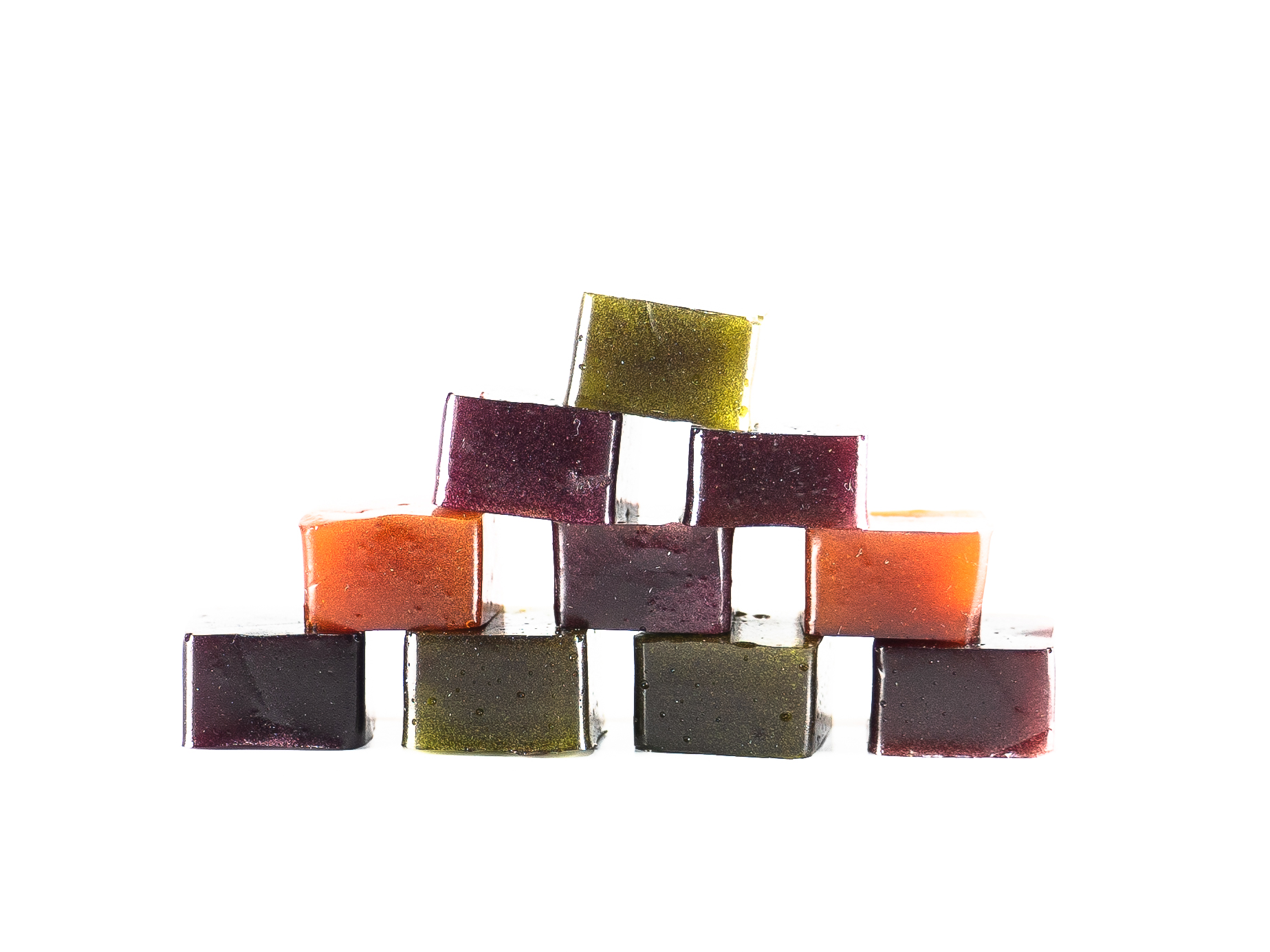
Mushroom Gummies and cannabis strains belong to different product categories, even though both may appear in searches for modern botanical or psychoactive products. A mushroom gummy can contain functional mushroom ingredients, Amanita compounds, or other ingredients depending on the manufacturer, whereas a cannabis strain refers to a named cannabis cultivar or commercially identified chemovar.
That distinction matters because the words Mushroom Gummies do not tell you whether a product contains THC, CBD, psilocybin, muscimol, functional mushrooms, or no cannabis cannabinoids at all.
CDC investigations have found that some commercially marketed mushroom gummies contained ingredients that were not disclosed accurately on their labels. In one investigation, products marketed as Amanita muscaria or mushroom nootropics were found to contain substances including psilocybin or psilocin in some samples. CDC consequently advises consumers to be cautious about mushroom gummies marketed as psychedelic or nootropic products. CDC
For broader cannabis education, readers can explore Cannabistopgrade Cannabis Education, Cannabistopgrade Hash and Concentrates and Cannabis Concentrates and Dabbing.
Mushroom Gummies Quick Facts
| Topic | Educational overview |
|---|---|
| Mushroom Gummies | Edible products whose ingredients vary by manufacturer |
| Cannabis strain? | No |
| THC automatically present? | No |
| Psilocybin automatically present? | No |
| Label verification important? | Yes |
| Best cannabis strains | Subjective; no universal scientific ranking |
| Kush strain names | Large genetic and commercial family |
| Medical strains of weed | Better evaluated by chemistry than name alone |
| OG strain names | Descendants and phenotypes of OG Kush genetics |
| Strain database weed | Useful for lineage and reference data |
| Strain reviews | Consumer reports, not clinical evidence |
What Are Mushroom Gummies?
The phrase Mushroom Gummies covers several very different products.
Some are ordinary dietary supplements made with functional mushrooms such as lion’s mane or reishi. Other products are marketed as nootropics or psychedelic mushroom gummies.
The ingredient list therefore matters more than the product category name.
CDC reported that tests of several mushroom-gummy products marketed in Virginia found substantial inconsistencies between labels and actual contents. Some tested products contained undisclosed psilocybin or psilocin, and other substances identified across products included caffeine, ephedrine and mitragynine. CDC
A separate nationwide investigation of mushroom-containing microdosing products identified 180 cases of severe illness across 34 states associated with Diamond Shruumz and other mushroom-containing products during 2024. CDC reported hospitalization, intensive-care treatment and deaths among the investigated cases. CDC
That history makes unsupported claims such as “all mushroom gummies are natural and safe” inappropriate.
Are Mushroom Gummies the Same as Weed Gummies?
No.
A weed gummy usually refers to an edible containing cannabis-derived cannabinoids such as delta-9 THC, CBD or another cannabinoid.
A mushroom gummy is formulated around mushroom-derived ingredients or is marketed as such.
Some retail environments sell both, which can blur the distinction, but the underlying chemistry can be completely different.
| Product | Typical defining ingredient |
|---|---|
| THC gummy | Delta-9 THC or another THC cannabinoid |
| CBD gummy | Cannabidiol |
| Functional mushroom gummy | Mushroom extract |
| Amanita gummy | Amanita-associated compounds or claimed extracts |
| Psilocybin product | Psilocybin/psilocin where legally authorized |
| Mixed botanical gummy | Multiple plant/fungal ingredients |
Never assume one category from packaging style alone.
Best Cannabis Strains
There is no scientific authority that determines the universal best cannabis strains.
Leafly’s July 2026 editorial guide includes 100 notable varieties and explains that its selection uses editorial experience, popularity data, cultural importance, lineage and consumer information. It is a curated list rather than a scientific ranking. Leafly
Leafly currently reports GG4, also known as Original Glue, as its most popular strain based on its platform’s sales and search data. Blue Dream historically held that position, while modern Cookies-family varieties such as Runtz, Wedding Cake, Gelato, Ice Cream Cake and GSC remain highly popular. Leafly
A useful contemporary strain reference looks like this:
| Cannabis strain | Why it is notable |
|---|---|
| GG4 / Original Glue | Major popular modern hybrid |
| Blue Dream | Long-running U.S. favorite |
| OG Kush | Foundational West Coast genetic line |
| GSC | Foundation of many Cookies hybrids |
| Runtz | Major modern dessert hybrid |
| Wedding Cake | Highly influential dessert cultivar |
| Gelato | Major Cookies-family strain |
| Ice Cream Cake | Popular contemporary hybrid |
| Sour Diesel | Classic Diesel-family cultivar |
| Northern Lights | Historic cannabis cultivar |
| Granddaddy Purple | Famous purple cultivar |
| GMO Cookies | Chemdog × GSC lineage |
| Motorbreath | Chemdog × SFV OG |
| Permanent Marker | Important modern cultivar |
| Super Boof | Prominent newer-generation strain |
These are examples rather than recommendations to consume particular products.
Kush Strain Names
Kush strain names usually refer to varieties associated with Kush genetics or to cultivars using Kush terminology commercially.
Historic Kush genetics trace broadly toward cannabis populations associated with regions around Afghanistan, Pakistan and the Hindu Kush, but modern Kush strains have been extensively crossed with other genetics.
Well-known Kush names include:
| Kush strain | General significance |
|---|---|
| OG Kush | Major modern Kush-associated cultivar |
| Hindu Kush | Historic Kush-region strain |
| Afghan Kush | Afghan-associated cultivar |
| Bubba Kush | Classic U.S. Kush variety |
| Master Kush | Long-established Kush cultivar |
| Purple Kush | Popular purple Kush line |
| Kosher Kush | Modern Kush cultivar |
| Banana Kush | Kush hybrid |
| Critical Kush | Kush-family hybrid |
| Skywalker OG | Strong OG/Kush association |
| Triangle Kush | Influential Florida-associated Kush |
| Kush Mints | Contemporary Kush/dessert hybrid |
A strain containing the word Kush does not guarantee one THC percentage, terpene profile or effect.
The actual batch matters.
OG Strain Names
OG strain names form one of the largest families in modern cannabis.
Leafly’s OG-family review explains that OG Kush has produced numerous descendants and phenotypes and remains more popular on its platform than any of its direct successors. Leafly
Major OG names include:
| OG family strain | Relationship/significance |
|---|---|
| OG Kush | Foundational cultivar |
| Skywalker OG | Major OG descendant |
| SFV OG | San Fernando Valley OG |
| Tahoe OG | Influential OG phenotype/family |
| King Louis OG | OG-related hybrid |
| Alien OG | Tahoe OG × Alien Kush |
| Fire OG | OG Kush × SFV OG |
| WiFi OG | Fire OG × The White |
| Larry OG | OG Kush × SFV OG |
| Godfather OG | OG-family cultivar |
| Face Off OG | Important breeding OG |
| Double OG Chem | Modern OG/Chem hybrid |
Leafly’s editorial ranking currently places OG Kush first, Skywalker OG second, and SFV OG among the most influential OG-family strains. Leafly
But a literal list of all OG strains would be virtually impossible because countless private, commercial and regional crosses have been created.
Medical Strains of Weed
The term medical strains of weed can be misleading if it implies that a strain name automatically corresponds to a medical treatment.
Cannabis chemistry varies substantially, even among similarly named cultivars.
Peer-reviewed research increasingly supports grouping cannabis by its measured chemical profile rather than relying solely on commercial strain names or indica/sativa terminology.
One study examining 21 cannabis varieties successfully differentiated three broad chemotypes using cannabinoids, terpenoids, flavonoids and other secondary metabolites. Those chemotypes broadly corresponded to:
THC-dominant cannabis
intermediate THC/CBD cannabis
and
CBD-dominant cannabis. PubMed
This type of chemical classification can be more useful for medical research than a colorful name such as “Purple Dream” or “OG Something.”
Medicinal Weed Strains
Medicinal weed strains are generally ordinary cannabis cultivars being used within a medical-cannabis context.
A strain does not become chemically different simply because a dispensary places it on a medical menu.
More useful factors include:
| Medical-cannabis consideration | Why it matters |
|---|---|
| THC concentration | Influences intoxication and impairment |
| CBD concentration | Produces a different cannabinoid profile |
| THC:CBD ratio | Helps classify chemotype |
| Terpenes | Contribute to aroma and may distinguish chemovars |
| Product format | Flower, oil and edible exposure differ |
| Batch testing | Establishes current chemistry |
| Medications | Potential interactions may matter |
| Individual health circumstances | Medical decisions should be individualized |
CDC emphasizes that cannabis can affect many aspects of brain and body health and that risks include cannabis use disorder, impaired cognition and other adverse health outcomes. CDC
So “medical” should not be interpreted to mean risk-free.
Medical Pot Strains
The phrase medical pot strains is another way of describing marijuana cultivars used by patients.
Historically, consumers have often selected products using labels such as:
indica
sativa
and
hybrid.
However, these categories are poor proxies for exact chemistry.
A 2025 study analyzing commercial cannabis chemovars found that traditional indica, sativa and hybrid categories did not sufficiently differentiate modern cannabis varieties and did not reliably represent their chemical composition. PubMed
An older foundational cannabis classification paper similarly argued that cannabinoids and terpenoids provide a more useful basis for distinguishing medicinal cannabis varieties than popular strain names alone. PubMed
Therefore, when discussing medical cannabis, chemical profile > marketing category.
Strain Database Weed
A strain database weed search usually means someone wants a searchable cannabis strain database.
A useful strain database can provide:
| Information | Why it helps |
|---|---|
| Strain name | Identifies the commercial cultivar |
| Parent strains | Helps understand lineage |
| THC reference value | Gives approximate profile |
| CBD reference value | Helps identify CBD content |
| Terpenes | Adds chemical context |
| Consumer reports | Shows subjective experiences |
| Reviews | Offers anecdotal feedback |
| Genetics | Helps distinguish related families |
Leafly currently maintains thousands of strain records and uses that broader database for its editorial strain guides. Its OG Kush page, for example, currently lists OG Kush around 25% THC as a database reference, with myrcene, limonene and caryophyllene highlighted among prominent terpenes. Leafly
That percentage is not guaranteed for every OG Kush product.
A particular dispensary batch can differ considerably.
Strain Reviews
Strain reviews can be useful, but they need to be interpreted correctly.
Cannabis reviews usually describe subjective experiences from consumers.
They may discuss feelings such as:
relaxed,
sleepy,
euphoric,
focused,
or hungry.
Those reports can help reveal patterns, but they do not establish what another individual will experience.
Leafly’s current OG Kush database, for example, contains thousands of consumer ratings and lists relaxed and sleepy among common reports. But the site explicitly presents this as community-reported information, not individualized medical advice. Leafly
A better approach combines:
strain reviews + current COA + cannabinoid profile + terpene profile.
Why Two Products With the Same Strain Name Can Differ
Cannabis is biologically variable.
Differences can arise from:
genetics,
phenotype,
cultivation conditions,
harvest timing,
curing,
storage,
laboratory methodology.
This is why two jars both marked OG Kush may have noticeably different THC and terpene results.
Modern chemical research supports this caution. Scientists examining commercial cannabis have found substantial chemical diversity that is not adequately represented by simple strain-category labels. PubMed
That is also why a strain database should be used as a reference rather than as a substitute for the specific product’s laboratory analysis.
Are High-THC Strains the Best Cannabis Strains?
Not automatically.
Leafly’s 2026 high-potency guide includes strains such as Permanent Marker among popular strong cultivars, but it also emphasizes that potency depends on genetics and cultivation rather than the strain name alone. Leafly
A high THC percentage tells you something about cannabinoid concentration.
It does not automatically tell you:
quality,
freshness,
aroma,
contaminant status,
or whether a consumer will prefer it.
Highest THC ≠ best strain.
Mushroom Gummies vs. Cannabis Edibles
Mushroom gummies and cannabis gummies can look almost identical while containing very different active compounds.
| Feature | Mushroom Gummies | Cannabis gummies |
|---|---|---|
| Main ingredients | Mushroom-derived/product-specific | Cannabis cannabinoids |
| THC automatically present | No | Often, depending on product |
| Psilocybin automatically present | No | No |
| CBD automatically present | No | Product-specific |
| Label verification important | Yes | Yes |
| Intoxication possible | Product-dependent | Yes with sufficient THC |
| Chemistry predictable from name? | No | No |
CDC’s investigations into commercial mushroom products reinforce the importance of ingredient verification because tested products have sometimes contained undeclared psychoactive substances. CDC
Frequently Asked Questions
1. What are Mushroom Gummies?
Mushroom Gummies are edible products marketed with mushroom-derived ingredients. Formulations vary dramatically. Some contain functional mushrooms, while others are marketed as nootropic or psychoactive products. CDC investigations have found that some mushroom gummies contained undeclared substances, making ingredient transparency especially important. CDC
2. What are some of the best cannabis strains?
There is no universal scientifically best strain. Current popular or influential cultivars include GG4, Blue Dream, OG Kush, GSC, Runtz, Wedding Cake, Gelato, Sour Diesel and Northern Lights. Leafly currently identifies GG4 as its most popular strain based on sales and search data. Leafly
3. What are popular Kush and OG strain names?
Examples include OG Kush, Hindu Kush, Bubba Kush, Purple Kush, Skywalker OG, SFV OG, Tahoe OG, Fire OG, Alien OG and Larry OG. OG Kush has produced a very large family of descendants. Leafly
4. Are there specific medical marijuana strains for each condition?
There is no reliable universal strain-to-condition matching system. Modern cannabis research increasingly favors measured cannabinoid and terpene chemistry over commercial strain names for distinguishing cannabis products. PubMed
5. Are online strain reviews reliable?
They can be useful for understanding consumer-reported experiences, but they are subjective. They should not replace batch laboratory data or professional medical advice. A good strain lookup combines lineage information, cannabinoids, terpenes, laboratory results and reviews.
Be the first to review “Buy Mushroom Gummies”
Related products
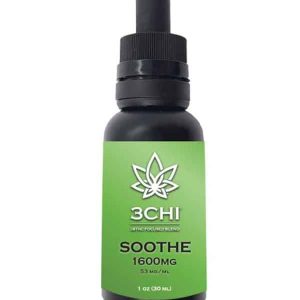
Cannabis Tincture
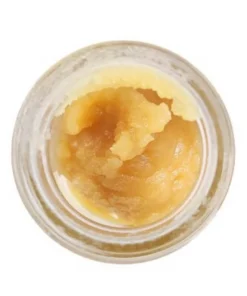
Buy THC Extracts Online
Sativa Strains
Edibles and Gummies
Hybrid cannabis strains
Edibles and Gummies
Cannabis Tincture
Edibles and Gummies
Reviews
There are no reviews yet.