
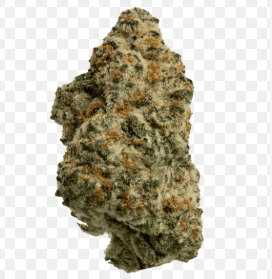
Hawaiian Snowcone Strain is a modern hybrid cannabis cultivar created by breeder Tiki Madman. Its best-documented genetics combine Zkittlez and Lemon Cherry Gelato with Hawaiian Plushers, itself associated with Peach Rings × Lemon Gushers. Leafly currently categorizes Hawaiian Snowcone as a hybrid and lists energetic, happy, and uplifted among its most frequently reported consumer experiences.
People researching Hawaiian Snowcone also commonly search for cannabis sativa strains, sativa dominant strains, a sativa strains list, good sativa strains, pure sativa strains, and sativa weed strains.
These terms deserve careful explanation because Hawaiian Snowcone itself is not generally classified as a pure sativa. Modern cannabis has been extensively crossbred, meaning many products marketed as sativa actually contain ancestry from multiple cannabis populations.
This guide explains Hawaiian Snowcone while answering those wider sativa-related searches directly.
What Is Hawaiian Snowcone Strain?
Hawaiian Snowcone is a contemporary hybrid bred by Tiki Madman.
Its reported genetic combination is:
Zkittlez × Lemon Cherry Gelato × Hawaiian Plushers
Hawaiian Plushers is associated with:
Peach Rings × Lemon Gushers
Leafly describes the cultivar as a hybrid and currently displays approximately 21% THC and 2% CBG as reference values. The reported aromatic profile combines candy, citrus, stone fruit, creamy sweetness, apple, vanilla, and berry characteristics.
Current terpene information identifies:
- Caryophyllene
- Myrcene
- Limonene
among its prominent terpenes.
For the primary external strain reference:
Leafly Hawaiian Snowcone strain profile
Hawaiian Snowcone Genetics Explained
Hawaiian Snowcone belongs firmly to the era of highly hybridized dessert and fruit-oriented cannabis.
Its ancestry brings together genetic families associated with:
- Zkittlez;
- Lemon Cherry Gelato;
- Peach Rings;
- Lemon Gushers.
That helps explain why Hawaiian Snowcone is commonly characterized by sweet candy, fruit, citrus, berry, vanilla, and creamy aromas rather than the incense-heavy profile traditionally associated with old Haze cultivars.
AllBud likewise currently identifies Hawaiian Snowcone as an evenly balanced hybrid involving (Zkittlez × Lemon Cherry Gelato) × Hawaiian Plushers.
Is Hawaiian Snowcone a Sativa?
The most accurate answer is:
Hawaiian Snowcone is generally classified as a hybrid, not a pure sativa.
Leafly labels it hybrid, and AllBud describes it as approximately 50% sativa and 50% indica.
However, its consumer-reported effects lean toward the energetic side.
Leafly currently lists:
- energetic;
- happy;
- uplifted
among its leading reported effects.
This demonstrates why effect descriptions and botanical categories should not be treated as interchangeable.
A hybrid can feel energizing.
An indica-labeled cultivar can feel mentally stimulating to some people.
A sativa-labeled strain can feel relaxing to others.
Hawaiian Snowcone vs. Hawaiian Snow
These are two different cannabis names and should not be combined on an SEO page.
Hawaiian Snowcone
A Tiki Madman hybrid involving Zkittlez, Lemon Cherry Gelato, and Hawaiian Plushers.
Hawaiian Snow
A well-known sativa associated with Neville’s Haze, Pure Haze, and Hawaiian Haze genetics.
Leafly describes Hawaiian Snow as a sativa and notes that it won a Cannabis Cup in 2003. Its current reference profile displays approximately 16% THC.
Confusing these two cultivars would weaken topical accuracy.
Hawaiian Snowcone THC Content
Leafly currently displays approximately 21% THC, while other databases and individual products show different values.
For example, GrowDiaries currently displays approximately 25% THC for its Hawaiian Snowcone reference.
This variation illustrates an important cannabis research principle:
A strain does not have one permanently fixed THC percentage.
Actual potency depends on factors including:
- phenotype;
- cultivation conditions;
- harvest timing;
- drying;
- curing;
- moisture;
- storage;
- laboratory methodology.
The tested batch should therefore take priority over a generic internet percentage.
What Are Cannabis Sativa Strains?
Cannabis sativa strains are cultivars traditionally classified within the sativa side of cannabis terminology.
Historically, sativa-type plants are often associated with:
- taller growth;
- narrower leaflets;
- longer flowering periods;
- tropical or equatorial ancestry.
Consumer culture commonly associates sativas with energetic, creative, focused, or uplifting experiences.
However, modern scientific classification is more complicated.
A 2025 PubMed-indexed analysis concluded that the conventional sativa, indica, and hybrid categories do not sufficiently describe the chemical differences between cannabis products because those categories reflect morphology and geographic history more than actual cannabinoid and terpene composition.
For the scientific research:
PubMed cannabis chemovar classification study
What Are Sativa Dominant Strains?
Sativa dominant strains are modern hybrids in which breeders or commercial databases describe the sativa side of the ancestry or phenotype as more prominent.
They are different from strains claimed to be genetically pure sativa.
Examples commonly categorized as sativa or sativa-dominant include:
- Jack Herer;
- Super Lemon Haze;
- Amnesia Haze;
- Strawberry Cough;
- Sour Diesel;
- Maui Wowie.
Jack Herer, for example, is a sativa-dominant strain created through a Haze hybrid crossed with Northern Lights #5 and Shiva Skunk. Leafly currently lists it around 18% THC.
This makes Jack Herer a good example of an important distinction:
Sativa-dominant does not necessarily mean genetically pure sativa.
Sativa Strains List
A useful sativa strains list for educational research includes:
- Jack Herer
- Durban Poison
- Green Crack
- Super Lemon Haze
- Amnesia Haze
- Maui Wowie
- Strawberry Cough
- Purple Haze
- Super Silver Haze
- Acapulco Gold
Leafly’s current sativa database places Jack Herer, Durban Poison, Green Crack, Super Lemon Haze, Amnesia Haze, and Maui Wowie among prominent sativa listings.
For a wider external reference:
Leafly sativa strains directory
These rankings reflect consumer popularity and database categorization rather than a scientific statement that one strain is objectively superior.
Good Sativa Strains: What Makes a Sativa “Good”?
The phrase good sativa strains is subjective.
One consumer might define a good sativa as having:
- citrus aroma;
- terpinolene;
- moderate THC;
- clear strain lineage.
Another might prioritize:
- fruit flavors;
- higher THC;
- lower THC;
- classic Haze genetics;
- landrace history.
A more useful quality assessment considers:
Genetics
Does the breeder or producer clearly identify the lineage?
Cannabinoid profile
Does the product provide THC, CBD, and other cannabinoid information?
Terpenes
Does the laboratory profile identify meaningful terpene concentrations?
Freshness
Old cannabis can lose aroma and overall quality.
Laboratory testing
Testing provides more useful information than marketing slogans alone.
Cultivation and curing
Good genetics can still produce poor flower if cultivation or curing is inadequate.
Therefore:
The “best” sativa is not automatically the strain with the highest THC.
Popular Good Sativa Strains
For general strain research, several cultivars have maintained unusually strong recognition.
Jack Herer
Leafly currently lists Jack Herer around 18% THC and associates it with focused, energetic, and creative consumer reports.
Durban Poison
Durban Poison is one of the most famous examples of a cultivar described as a pure sativa. Leafly currently lists it at approximately 19% THC and associates it with focused, energetic, and uplifted consumer reports.
Super Lemon Haze
A major Haze-family sativa frequently associated with lemon-forward aroma and energetic consumer reports.
Green Crack
A longstanding commercial sativa name frequently associated with energetic effects in consumer databases.
Amnesia Haze
A famous Haze-family cultivar with long-standing international recognition.
Maui Wowie
An old-school tropical cannabis name strongly associated with Hawaiian cannabis history.
What Are Pure Sativa Strains?
The phrase pure sativa strains generally refers to cultivars thought to retain ancestry from traditional sativa or equatorial landrace populations without substantial modern indica hybridization.
However, proving genetic “purity” can be difficult.
Decades of informal breeding, mislabeled seeds, clone sharing, and commercial hybridization have blurred many strain identities.
This is why the term landrace can sometimes be more meaningful than simply saying “pure.”
A landrace is traditionally associated with cannabis populations that developed in a particular geographic region over many generations.
Examples historically associated with sativa-type genetics include:
- Durban-region South African cannabis;
- Thai landraces;
- Colombian Gold;
- Panama Red;
- Malawi varieties;
- traditional Hawaiian sativa;
- some Mexican varieties.
Modern products carrying those names may nevertheless contain hybridized genetics.
Is Durban Poison a Pure Sativa?
Leafly currently describes Durban Poison specifically as a pure sativa originating from Durban, South Africa.
Its current reference profile lists:
THC: approximately 19%
CBG: approximately 1%
Dominant terpene: terpinolene
Consumer reports frequently associate it with:
- focused;
- energetic;
- uplifted
experiences.
For the reference:
Leafly Durban Poison strain profile
Still, even the term “Durban Poison” can refer to genetically different commercial lines today, so batch and breeder identity remain useful.
Pure Sativa vs. Sativa-Dominant Hybrid
These terms should not be used interchangeably.
Pure or landrace-style sativa
Refers to cannabis believed to retain predominantly traditional sativa ancestry.
Sativa-dominant hybrid
Contains mixed ancestry but expresses or is marketed toward the sativa side.
Balanced hybrid
Contains mixed genetic influence without being marketed strongly toward either side.
Hawaiian Snowcone belongs in the hybrid category.
It should not be listed as a pure sativa simply because many consumers describe it as energizing.
Sativa Weed Strains and Modern Genetics
The phrase sativa weed strains is a broad consumer search term covering cannabis sold as sativa.
Today’s commercial market contains hundreds of products under that label.
Leafly currently lists more than 600 strains within its sativa category.
However, the traditional label tells only part of the story.
A modern sativa product may contain ancestry from:
- Haze;
- Skunk;
- Northern Lights;
- Cookies;
- Diesel;
- Kush;
- landrace lines.
That is why many modern “sativas” are technically hybrids.
Sativa THC: Does Sativa Have More THC?
No.
There is no scientific rule stating that sativa cannabis contains more THC than indica or hybrid cannabis.
THC concentration depends primarily on the genetics and cultivation of the particular plant.
For example, current Leafly reference figures include:
Jack Herer: approximately 18% THC.
Durban Poison: approximately 19% THC.
Hawaiian Snowcone: approximately 21% THC despite being classified as hybrid.
Therefore:
“Sativa” does not mean “higher THC.”
A hybrid can contain more THC than a particular sativa, and an indica can do the same.
Does Higher THC Mean a Better Sativa?
No.
THC is only one component of cannabis.
Quality can also involve:
- terpene composition;
- freshness;
- cannabinoid balance;
- cultivation;
- curing;
- genetics;
- contaminant testing;
- consistency.
The CDC notes that the effects of cannabis depend partly on THC concentration, previous experience, frequency of use, consumption method, biology, and use of other substances.
Higher-potency THC products can also produce stronger intoxicating effects and may increase risks associated with overconsumption.
For public-health information:
vClassic Sativa Cannabis
Hawaiian Snowcone differs substantially from classic sativa families.
Hawaiian Snowcone
Modern candy/dessert hybrid.
Genetics include Zkittlez, Lemon Cherry Gelato, and Hawaiian Plushers.
Leafly reference THC: approximately 21%.
Durban Poison
Traditional South African-associated sativa.
Leafly describes it as pure sativa.
Reference THC: approximately 19%.
Jack Herer
Modern sativa-dominant hybrid.
Contains Haze, Northern Lights #5, and Shiva Skunk ancestry.
Reference THC: approximately 18%.
This comparison illustrates why a strain’s effect category should not be confused with its genetic history.
Why Hawaiian Snowcone Can Feel Sativa-Like
Leafly’s current consumer reports describe Hawaiian Snowcone primarily as:
- energetic;
- happy;
- uplifted.
That may cause consumers to perceive the strain as sativa-like.
But subjective experience does not rewrite genetics.
The cultivar remains best categorized as a modern hybrid.
Hawaiian Snowcone Terpenes
Current Leafly testing identifies caryophyllene as its most abundant terpene, followed by myrcene and limonene.
These terpenes are commonly associated aromatically with:
Caryophyllene: pepper and spice.
Myrcene: herbal and earthy notes.
Limonene: citrus.
Different batches may express these compounds in different concentrations.
Terpenes also should not be used to promise specific medical or psychological effects.
Why Chemical Profiles Matter More Than Simple Labels
Modern research increasingly supports a chemovar approach to cannabis classification.
Instead of simply saying:
“this is sativa”
or
“this is indica,”
a more informative description can include:
- THC;
- CBD;
- CBG;
- dominant terpene;
- secondary terpenes;
- cannabinoid ratios.
The 2025 PubMed-indexed chemovar study specifically concluded that indica/sativa/hybrid labels are insufficient for differentiating the chemical composition of different cannabis varieties.
That makes chemistry particularly important for modern hybrids such as Hawaiian Snowcone.
Explore More Cannabis Education on CannabisTopGrade
For broader strain and cannabis terminology research:
CannabisTopGrade cannabis education hub
For additional information on sativa classifications:
CannabisTopGrade Sativa Strains Guide
For information about cannabis concentrates and how they differ from ordinary flower:
CannabisTopGrade Hash and Concentrates Guide
Frequently Asked Questions
1. What is Hawaiian Snowcone Strain?
Hawaiian Snowcone is a hybrid created by Tiki Madman. Its documented genetics combine Zkittlez and Lemon Cherry Gelato with Hawaiian Plushers, associated with Peach Rings × Lemon Gushers. Leafly currently lists it around 21% THC and associates it with energetic, happy, and uplifted consumer reports.
2. Is Hawaiian Snowcone a pure sativa?
No. The best-documented Hawaiian Snowcone is classified as a hybrid. Its energetic consumer reports can make it feel sativa-like to some people, but its modern multi-strain genetics do not make it a pure sativa.
3. What are some good sativa strains?
Well-known sativa or sativa-dominant cultivars include Jack Herer, Durban Poison, Green Crack, Super Lemon Haze, Amnesia Haze, Maui Wowie, Strawberry Cough, and Super Silver Haze. “Good” remains subjective and should include factors such as testing, freshness, cannabinoid content, and terpene profile.
4. What are pure sativa strains?
The term generally refers to cultivars believed to retain traditional sativa or landrace-style ancestry with minimal indica hybridization. Durban Poison is one prominent cultivar that Leafly currently describes as a pure South African sativa. Truly genetically pure commercial strains can be difficult to verify after decades of crossbreeding.
5. What is the difference between sativa-dominant strains and pure sativa strains?
A sativa-dominant strain can contain substantial hybrid ancestry while expressing or being marketed toward sativa-like characteristics. A pure sativa is intended to describe largely traditional sativa ancestry without substantial modern indica hybridization. Laboratory chemistry is often more informative than either marketing label.
Final Hawaiian Snowcone Strain Summary
Hawaiian Snowcone Strain is a modern Tiki Madman hybrid combining Zkittlez, Lemon Cherry Gelato, and Hawaiian Plushers genetics. Leafly currently lists approximately 21% THC and identifies caryophyllene, myrcene, and limonene among its prominent terpenes.
For the supporting searches:
Cannabis sativa strains: traditionally describe cannabis categorized toward the sativa side, although modern products are often heavily hybridized.
Sativa dominant strains: contain mixed ancestry but express or are marketed with stronger sativa characteristics.
Sativa strains list: major names include Jack Herer, Durban Poison, Green Crack, Super Lemon Haze, Amnesia Haze, Maui Wowie, Strawberry Cough, Purple Haze, Super Silver Haze, and Acapulco Gold.
Good sativa strains: quality should be judged through genetics, laboratory testing, cannabinoids, terpenes, freshness, and cultivation rather than THC alone.
Pure sativa strains: traditional landrace-style cultivars are the closest fit, with Durban Poison being one of the best-known commercial examples described as pure sativa.
Sativa weed strains: the term covers a huge modern market, but many supposedly sativa cultivars are actually hybrids.
Hawaiian Snowcone itself belongs firmly in the modern hybrid category, even though many consumers report energetic and uplifting experiences. Current scientific research increasingly supports classifying cannabis through measurable cannabinoid and terpene chemistry instead of depending exclusively on indica, sativa, and hybrid labels.
Be the first to review “Hawaiian Snowcone Strain”
Related products
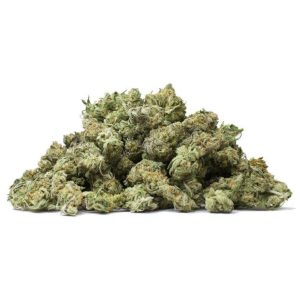
Hybrid cannabis strains
Hybrid cannabis strains
Hybrid cannabis strains
Hybrid cannabis strains
Hybrid cannabis strains
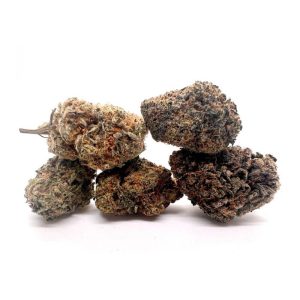
Hybrid cannabis strains
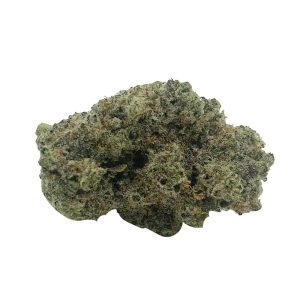
Hybrid cannabis strains
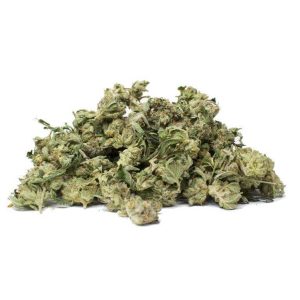
Hybrid cannabis strains
Reviews
There are no reviews yet.