
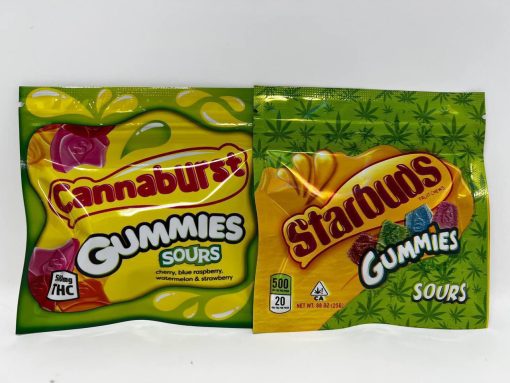
Mushroom-Infused Gummies Online: CBD, Hemp and THC Gummies for Pain and Inflammation Explained
A mushroom-infused gummies online may contain culinary or functional mushroom extracts, while a CBD gummy contains cannabidiol and a THC or “pot” gummy contains intoxicating tetrahydrocannabinol. Some products may combine several ingredients, while others may use branding that does not clearly reveal what is actually inside.
That distinction is particularly important when consumers are searching for relief from pain, inflammation, or neuropathy.
Clinical evidence concerning cannabinoids for chronic pain is still evolving. A 2025 updated systematic review of 25 randomized controlled trials found that certain THC-dominant and balanced THC/CBD products produced small reductions in pain, while low-THC-to-CBD products might not improve outcomes. The review also found increased dizziness, sedation, and nausea with some cannabinoid formulations. (pubmed.ncbi.nlm.nih.gov)
Those findings do not establish that an ordinary retail gummy—whether mushroom, hemp, CBD, or THC—is automatically an effective pain treatment.
For more cannabis, cannabinoid, edible, and U.S. legal-market education, readers can also explore Cannabistopgrade.com.
What Are Mushroom-Infused Gummies?
The phrase mushroom-infused gummies can describe several very different categories of products.
Depending on the formulation, a gummy may contain:
- lion’s mane;
- reishi;
- cordyceps;
- chaga;
- turkey tail;
- other mushroom extracts;
- botanical ingredients;
- cannabinoids;
- psychoactive ingredients;
- or blends of multiple compounds.
The word “mushroom” alone therefore does not reveal what the product contains.
Some mushroom gummies are marketed as ordinary wellness supplements.
Others may be promoted with language implying psychoactive effects.
Consumers should verify:
- the ingredient list;
- manufacturer;
- batch number;
- independent laboratory information;
- active compounds;
- serving size;
- and applicable regulatory status.
A colorful package or online popularity is not evidence of purity or therapeutic effectiveness.
Mushroom Gummies vs. CBD, Hemp and THC Gummies
These products should be treated as different categories.
| Product | Typical Active Ingredient | Intoxicating? | Pain Evidence | Main Consideration |
|---|---|---|---|---|
| Mushroom gummies | Mushroom extract/product dependent | Usually not, but product dependent | Limited/product specific | Verify ingredients |
| CBD gummies | Cannabidiol | Usually no classic THC high | Evidence remains limited | Drug interactions/quality |
| Hemp gummies | Highly variable | Depends on cannabinoids present | Product dependent | “Hemp” does not define potency |
| THC gummies | THC | Yes | Some cannabinoid evidence for pain | Intoxication/delayed effects |
| THC/CBD gummies | Both cannabinoids | Potentially | Some mixed-cannabinoid evidence | Ratio and dose matter |
The delivery format does not determine whether a gummy works for pain.
The active compounds do.
Best Gummies for Pain and Inflammation
The phrase best gummies for pain and inflammation suggests that there should be a single product capable of addressing both symptoms.
In reality, pain and inflammation are broad medical concepts.
Pain can result from:
- arthritis;
- nerve injury;
- muscle strain;
- surgery;
- autoimmune disease;
- cancer;
- migraine;
- spinal problems;
- diabetes;
- or numerous other causes.
Likewise, inflammation can be acute or chronic and can originate from completely different biological processes.
Because the underlying cause matters, there is no scientifically established universal “best gummy” for pain and inflammation.
Do Cannabinoid Gummies Help Chronic Pain?
Cannabinoid research provides some evidence of modest effects, but it needs careful interpretation.
A 2025 systematic review published through PubMed evaluated 25 randomized placebo-controlled trials involving 2,303 participants. About 64% of participants had neuropathic pain.
The researchers found that some THC-dominant products and products containing comparable ratios of THC and CBD produced slight reductions in pain severity. However, these benefits were accompanied by increased risks such as dizziness, sedation, and nausea. Low-THC-to-CBD formulations might not improve outcomes. (pubmed.ncbi.nlm.nih.gov)
This means that saying “cannabinoids have been studied for pain” is accurate.
Saying “all cannabis gummies relieve pain” is not.
Best CBD Gummies for Pain
The search best CBD gummies for pain is extremely common.
CBD, or cannabidiol, has received substantial public attention for possible pain-related effects.
However, the FDA has approved only one CBD prescription medicine, and that approval concerns certain seizure disorders—not ordinary pain.
The FDA states that unapproved consumer CBD products have generally not been evaluated to determine:
- whether they effectively treat a disease;
- the correct dosage;
- possible interactions with medications;
- or all relevant side effects. (fda.gov)
Therefore, ordinary CBD gummies should not be described as FDA-approved pain medications.
Does CBD Alone Work for Pain?
The evidence is less convincing than many advertisements suggest.
The 2025 updated systematic review of cannabis-based products found that low-THC-to-CBD interventions may not improve pain outcomes, while some THC-only and balanced THC/CBD formulations produced small improvements. (pubmed.ncbi.nlm.nih.gov)
This distinction is crucial.
Research involving THC-containing medicines cannot automatically be used as evidence that a retail CBD-only gummy treats chronic pain.
Consumers should be cautious when marketing takes evidence from one cannabinoid product and applies it to an entirely different formulation.
Best Gummies for Nerve Pain
The term best gummies for nerve pain usually relates to neuropathic pain.
Neuropathic pain results from nerve damage or abnormal nerve signaling.
Symptoms can include:
- burning;
- tingling;
- electric-shock sensations;
- numbness;
- shooting pain;
- hypersensitivity;
- or pain from light touch.
Neuropathic pain was common among participants in recent cannabinoid pain trials, which is one reason cannabinoids remain an active research area. (pubmed.ncbi.nlm.nih.gov)
However, no universal gummy has been established as the best treatment for nerve pain.
Why Nerve Pain Requires Proper Diagnosis
Neuropathy can have many causes.
Examples include:
- diabetes;
- chemotherapy;
- spinal nerve compression;
- injury;
- vitamin deficiencies;
- infections;
- autoimmune disease;
- alcohol-related nerve damage;
- and certain medications.
A gummy does not identify the underlying cause.
Persistent nerve pain, unexplained weakness, or numbness should therefore not simply be self-treated indefinitely without evaluation.
A delayed diagnosis can allow an underlying condition to worsen.
Best Edible for Pain and Inflammation
The phrase best edible for pain and inflammation often refers to cannabis edibles.
However, “edible” only describes how the substance is consumed.
It may refer to:
- THC gummies;
- CBD gummies;
- balanced THC/CBD products;
- chocolates;
- beverages;
- capsules;
- or other ingestible formulations.
Clinical effectiveness depends on the active ingredients and condition—not the candy format.
A chocolate bar and a gummy containing the same cannabinoids may still differ in:
- absorption;
- serving size;
- formulation;
- ingredients;
- labeling;
- and quality control.
THC Edibles and Pain Research
Some of the more convincing cannabinoid pain evidence involves products containing THC.
The 2025 review found that high-THC-to-CBD and balanced THC/CBD interventions could slightly decrease pain severity. However, increased dizziness, sedation, and nausea were also observed. (pubmed.ncbi.nlm.nih.gov)
This creates an important tradeoff.
A product may show a modest benefit while also producing unwanted effects.
That is why treatment decisions cannot be based solely on the phrase “pot gummies for pain.”
Pot Gummies for Pain
The phrase pot gummies for pain generally refers to THC-containing cannabis edibles.
THC can alter:
- perception;
- memory;
- attention;
- coordination;
- reaction time;
- and judgment.
THC gummies also present unique risks because their effects are delayed.
The CDC states that cannabis edibles can take around 30 minutes to 2 hours to produce intoxicating effects and can last longer than expected. (cdc.gov)
This delayed onset increases the risk of consuming more before the first serving has fully taken effect.
Why More THC Is Not Necessarily Better for Pain
Consumers sometimes assume the strongest gummy must be the most effective.
That is an oversimplification.
A higher THC concentration can mean:
- stronger intoxication;
- greater sedation;
- more dizziness;
- more impairment;
- greater anxiety in some individuals;
- and increased risk of unpleasant effects.
The systematic review literature shows that cannabinoid benefits for chronic pain tend to be modest rather than dramatic. (pubmed.ncbi.nlm.nih.gov)
Therefore, increasing THC concentration does not automatically create proportionally greater pain relief.
Hemp Gummies for Pain
“Hemp gummy” can mean different things commercially.
Some hemp gummies contain primarily:
- hemp seed ingredients;
- CBD;
- minor cannabinoids;
- hemp extracts;
- or federally defined hemp-derived cannabinoid ingredients.
Consumers should not assume that all products labeled “hemp” contain meaningful CBD.
Likewise, “hemp-derived” does not mean FDA-approved for treating pain.
The FDA notes that CBD products remain subject to federal food and drug laws and that most consumer CBD products have not been approved as medicines. (fda.gov)
Hemp Seed Gummies vs. CBD Gummies
These terms can be confusing.
Hemp seed products primarily derive from the seed.
CBD products generally derive cannabidiol from other parts of cannabis or hemp.
Hemp seed oil itself is not equivalent to CBD oil.
A gummy displaying a hemp leaf may therefore contain little or no CBD.
Consumers should read the cannabinoid content rather than relying on packaging imagery.
CBD Safety Considerations
CBD is often described as non-intoxicating, but that does not mean it has no biological effects.
The FDA notes that CBD can:
- affect liver function;
- interact with medicines;
- cause drowsiness;
- cause gastrointestinal effects;
- and influence mood or alertness. (fda.gov)
Drug interactions are especially important for people already taking medication for chronic pain, neuropathy, seizures, anxiety, sleep, cardiovascular conditions, or other illnesses.
Online Pain Products and Hidden Ingredients
People searching for pain gummies online should also understand that unverified products can present risks unrelated to cannabinoids.
In April 2026, the FDA warned consumers about a product marketed for joint pain as KUKA FLEX CBD after laboratory testing found undeclared diclofenac, a prescription-strength anti-inflammatory drug. (fda.gov)
The FDA’s current pain and arthritis health-fraud page also warns that some supposedly “natural” pain products sold online or in stores can contain hidden pharmaceutical ingredients. (fda.gov)
This does not imply that all cannabinoid or mushroom products are adulterated.
It demonstrates why independent verification matters.
Mushroom Gummies for Pain
Mushroom gummies are frequently marketed using wellness terminology.
Certain mushrooms have been researched for compounds with biological activity, but the scientific evidence differs substantially among species, extract types, conditions, and doses.
A general label such as “mushroom-infused gummy” does not establish pain-relieving effects.
Consumers should ask:
- Which mushroom species is present?
- What extract was used?
- What amount is present?
- Is the active ingredient standardized?
- Has the exact formulation been clinically studied?
Without those answers, broad therapeutic claims should be treated cautiously.
Mushroom Gummies and Inflammation Claims
Inflammation is another term frequently used in supplement advertising.
Laboratory experiments involving isolated mushroom compounds may sometimes show anti-inflammatory activity.
However, laboratory activity does not automatically prove that a commercial gummy reduces inflammation in humans.
Differences in:
- digestion;
- absorption;
- formulation;
- concentration;
- metabolism;
- and disease mechanism
can all influence whether an effect seen in a laboratory translates into meaningful clinical benefit.
Functional Mushrooms vs. Psychoactive Mushroom Products
This distinction is particularly important for Mushroom-Infused Gummies Online searches.
Functional-mushroom gummies may contain ingredients such as:
- lion’s mane;
- reishi;
- cordyceps;
- chaga;
- or turkey tail.
Psychoactive products may contain entirely different substances.
The two categories should not be treated as equivalent.
Consumers should not infer psychoactive ingredients merely from mushroom imagery, nor assume that a psychoactive-looking product contains a particular known compound.
Reliable ingredient disclosure and laboratory testing matter.
How to Evaluate Mushroom-Infused Gummies Online
When researching an online gummy, several questions are more useful than product hype.
Is the Ingredient List Specific?
“Proprietary mushroom blend” provides much less information than clearly identifying the mushroom species and ingredient amounts.
Is There a Batch Number?
Batch identification improves product traceability.
Is Independent Testing Available?
Laboratory testing can help verify declared cannabinoids or other compounds, although consumers should also assess whether the laboratory and report appear legitimate.
Are Medical Claims Excessive?
Claims such as “cures neuropathy” or “eliminates inflammation” deserve skepticism.
Is the Manufacturer Traceable?
Anonymous websites and vague company information make accountability more difficult.
Reading a CBD or THC Gummy Label
For cannabinoid gummies, useful information may include:
Cannabinoid Per Piece
The amount of CBD or THC in one gummy.
Total Cannabinoids Per Package
This should not be confused with the amount in each serving.
THC-to-CBD Ratio
Balanced cannabinoid products can differ substantially from CBD-only or THC-dominant products.
Ingredient List
Important for allergens and additional active ingredients.
Batch or Lot Number
Supports traceability.
Testing Information
A regulated or independently tested product may provide cannabinoid and contaminant results.
Edibles and Delayed Effects
THC edibles require additional caution because they do not act immediately.
The CDC states that edible cannabis may take 30 minutes to 2 hours to produce intoxicating effects. Effects may also last longer than expected. (cdc.gov)
This can make edible THC exposure more difficult to judge than inhaled cannabis.
People should never assume that a gummy is inactive simply because effects are not felt immediately.
Edibles and Child Safety
Gummies pose a special accidental-exposure risk because they resemble ordinary candy.
The FDA has specifically expressed concern about cannabinoid products sold as gummies, hard candy, and cookies because children can confuse them with conventional foods. (fda.gov)
Cannabinoid and psychoactive gummies should therefore be:
- kept away from children;
- kept away from pets;
- separated from normal candy;
- retained in clearly labeled packaging;
- and stored securely.
Cannabis Gummies and Driving
A product containing intoxicating THC can impair driving ability.
Potential effects include changes in:
- reaction time;
- attention;
- judgment;
- coordination;
- and perception.
A product being marketed for pain does not eliminate those effects.
People should not drive or operate dangerous machinery while impaired.
CBD Gummies vs. THC Gummies for Pain
| Feature | CBD Gummies | THC Gummies |
|---|---|---|
| Intoxication | Usually not classic intoxication | Yes |
| FDA-approved for pain | No | No |
| Evidence for pain | Limited/inconsistent | Some modest evidence in cannabinoid studies |
| Drowsiness | Possible | Possible |
| Cognitive impairment | Less typical | Common concern |
| Medication interactions | Possible | Possible |
| U.S. legal framework | Complex | State dependent |
Neither should be presented as a universal solution.
What Is the Best Gummy for Pain?
There is no evidence-based answer that applies to everyone.
The best treatment depends on:
- the cause of pain;
- severity;
- duration;
- medical history;
- current medications;
- age;
- risks;
- and individual goals.
For example, treatment for diabetic neuropathy may differ significantly from treatment for an acute muscle injury.
This is why generic rankings of “best pain gummies” have limited medical value.
When Pain Needs Medical Attention
Self-care products should not delay evaluation of concerning symptoms.
Medical attention may be especially important when pain is accompanied by:
- sudden weakness;
- loss of bladder or bowel control;
- chest pain;
- serious injury;
- fever;
- unexplained weight loss;
- progressive numbness;
- severe swelling;
- or rapidly worsening symptoms.
Persistent pain can also require evaluation even when no emergency symptoms are present.
U.S. Cannabis Laws and THC Gummies
Cannabis laws continue to vary significantly across the United States.
The National Conference of State Legislatures’ State Cannabis Policy Enactment Database, updated August 31, 2026, tracks enacted state cannabis laws involving medical programs, adult-use programs, hemp/CBD, licensing, and product regulations. The product category specifically includes THC, edibles, packaging, labeling, and testing. (ncsl.org)
Therefore, “pot gummies for pain” should not be interpreted as a product category that is legally available everywhere.
Rules depend on jurisdiction.
Online Availability Does Not Equal Nationwide Legality
The fact that a gummy appears online does not establish that it can legally be sold or shipped to every U.S. address.
Cannabis regulation remains jurisdiction-specific.
Online sellers may also operate outside regulated cannabis systems.
Consumers should distinguish between:
a product being visible online
and
a product being lawfully available under applicable state and federal rules.
Those are not the same thing.
Quality Matters More Than Marketing
For mushroom, CBD, hemp, or THC gummies, useful quality indicators include:
- clear ingredients;
- accurate cannabinoid amounts;
- independent testing;
- contaminant screening;
- traceable manufacturer information;
- batch identification;
- responsible packaging;
- and realistic claims.
Words such as:
“premium,”
“natural,”
“extra strength,”
“pain relief,”
or “doctor formulated”
do not independently establish product effectiveness.
Educational Resources
For additional U.S.-focused education about cannabis, cannabinoids, edibles, and product terminology, explore Cannabistopgrade.com.
For current scientific evidence on cannabinoids and chronic pain, review the 2025 updated systematic review on cannabis-based products for chronic pain. The review found small pain reductions with some THC-dominant and balanced THC/CBD formulations while also identifying increased adverse effects including dizziness, sedation, and nausea. (pubmed.ncbi.nlm.nih.gov)
For CBD safety, drug interactions, labeling uncertainty, and unapproved therapeutic claims, consult the FDA CBD consumer guidance. The FDA states that most consumer CBD products have not been approved as medicines and that CBD can interact with medications and cause adverse effects. (fda.gov)
For current state-level cannabis policy, use the NCSL State Cannabis Policy Enactment Database, updated August 31, 2026. (ncsl.org)
Readers can continue exploring cannabis and cannabinoid education through Cannabistopgrade.com.
Frequently Asked Questions
1. What are the best gummies for pain and inflammation?
There is no universal best gummy for pain and inflammation. Pain has many causes, and cannabinoid research suggests only modest benefits for certain formulations. Mushroom gummies, CBD gummies, and THC gummies should not be treated as equivalent products.
2. What are the best CBD gummies for pain?
No ordinary consumer CBD gummy has been established as the universal best treatment for pain. The FDA has not approved retail CBD gummies as pain medications, and current evidence for CBD-only pain products remains limited. (fda.gov)
3. What are the best gummies for nerve pain?
There is no scientifically established best nerve-pain gummy. Neuropathic pain was included in many cannabinoid trials, but the evidence involves different THC/CBD formulations rather than one standardized retail gummy. (pubmed.ncbi.nlm.nih.gov)
4. What is the best edible for pain and inflammation?
No one edible has been established as universally best. Some THC-containing or balanced THC/CBD medicines have shown small pain benefits in short-term trials, but adverse effects also occurred. (pubmed.ncbi.nlm.nih.gov)
5. Do hemp gummies help pain?
It depends on what the product actually contains. “Hemp gummy” can refer to products with CBD, other cannabinoids, or primarily hemp-seed ingredients. The word hemp alone does not establish pain-relieving effectiveness.
6. Do pot gummies help pain?
THC-containing cannabis products have been studied for chronic and neuropathic pain, and certain formulations have produced modest pain reductions. However, THC also causes intoxication and can increase dizziness, sedation, nausea, and impairment. (pubmed.ncbi.nlm.nih.gov)
| Quantity | 10 pieces, 20 pieces, 40 pieces |
|---|
Be the first to review “Mushroom-Infused Gummies Online”
Related products
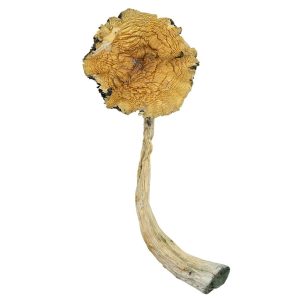
Bulk Mushrooms
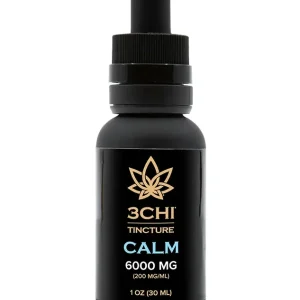
Cannabis Tincture
Bulk Mushrooms
Bulk Mushrooms
Bulk Mushrooms
Bulk Mushrooms
Bulk Mushrooms

Bulk Mushrooms
Reviews
There are no reviews yet.