
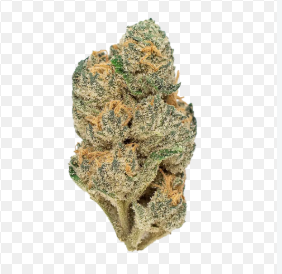
Snowcone Strain, often written Snow Cone, is a cannabis name used for more than one cultivar. The best-documented version in major strain databases is a 707 Seedbank hybrid created from Snowman × 707 Chemdawg, associated with sweet marshmallow, citrus, diesel and earthy characteristics. Leafly currently classifies this Snow Cone as a hybrid and lists pinene, caryophyllene and myrcene among its prominent terpenes.
People researching Snowcone also frequently search for the best sativa strains, top sativa strains, pot sativa, highest sativa strains, top 10 sativa strains, sativa cannabis, and sativa THC.
These searches deserve some context because modern cannabis genetics do not divide neatly into pure indica and pure sativa categories. Most popular commercial cultivars are hybrids, and the actual cannabinoid and terpene profile may provide more useful information than the marketing category alone.
This guide explains Snowcone while directly answering the most common sativa-related searches.
What Is Snowcone Strain?
Leafly’s current Snow Cone reference identifies the cultivar as a hybrid bred by 707 Seedbank from:
Snowman × 707 Chemdawg
Its current reference profile lists approximately 14% THC and 1% CBG, although that figure should not be treated as a permanent specification for every batch.
The strain is associated with aromas and flavors including:
- diesel;
- vanilla;
- earth;
- sweet marshmallow;
- citrus.
Leafly currently identifies pinene as its dominant terpene, followed by caryophyllene and myrcene. Consumer reports most frequently describe energetic, uplifted and happy experiences.
For the current strain reference:
Leafly Snow Cone Strain Profile
Why Snowcone Genetics Can Be Confusing
The name Snowcone has been applied to multiple cannabis cultivars.
Weedmaps currently records at least three different origins, including:
707 Seed Bank: Snowman S1 × 707 Chem.
Beyond Top Shelf: Permafrost × The Cube.
Another Snowcone: a sativa-leaning Snowcap #4 phenotype.
Therefore, a consumer should not assume that every package labeled Snowcone represents the same plant.
When evaluating a specific Snowcone product, check:
- breeder;
- producer;
- lineage;
- THC and THCA;
- CBD;
- terpene profile;
- batch number;
- laboratory results.
For this page, the primary strain discussed is the 707 Seedbank Snow Cone because it has the clearest mainstream strain documentation.
Is Snowcone a Sativa?
The 707 Seedbank Snow Cone is classified by Leafly as a hybrid, although its commonly reported effects lean toward the energetic side of the spectrum.
That means it should not simply be described as a pure sativa.
Some Snowcone cultivars from other breeders may lean more heavily toward either sativa or indica characteristics, which is another reason the breeder matters.
Snowcone THC Content
Leafly currently displays approximately 14% THC for its Snow Cone reference profile.
Other databases list different figures, sometimes dramatically higher, illustrating why copied online THC percentages should not be treated as universal strain specifications.
The actual THC level can change according to:
- genetics;
- phenotype;
- cultivation;
- harvest timing;
- drying;
- curing;
- moisture;
- storage;
- laboratory methodology.
The most reliable figure is the laboratory result for the exact batch.
What Is Sativa Cannabis?
Sativa cannabis is one of the traditional classifications used for Cannabis plants and commercial marijuana strains.
Historically, Cannabis sativa plants have often been associated with:
- taller growth;
- narrower leaves;
- longer flowering periods;
- warmer growing regions.
In consumer culture, sativa-labeled cannabis is commonly marketed as more energetic, uplifting or stimulating.
However, modern commercial cannabis has undergone extensive crossbreeding.
Leafly notes that truly pure sativa strains are uncommon in today’s market and that many products sold as sativas contain hybrid genetics.
For an extensive current sativa reference:
Pot Sativa: What Does the Term Mean?
The phrase pot sativa generally refers to marijuana classified or marketed as sativa.
“Pot” is simply an informal term for cannabis.
Therefore:
pot sativa = sativa-labeled cannabis.
However, the word “sativa” should not be interpreted as a guarantee that a particular product will always make someone feel energetic or creative.
Individual response can vary according to THC concentration, terpene profile, tolerance and personal physiology.
Best Sativa Strains
There is no scientifically universal best sativa strain.
The answer depends heavily on what somebody means by “best.”
Some consumers prioritize:
- citrus aroma;
- lower THC;
- higher THC;
- terpinolene-rich profiles;
- classic genetics;
- creative consumer-reported effects;
- availability.
Current popular examples in Leafly’s sativa database include Jack Herer, Durban Poison, Green Crack, Super Lemon Haze and Amnesia Haze.
These are popularity and consumer-reference rankings—not proof that one cultivar is medically or objectively superior.
Top 10 Sativa Strains to Research
Based on Leafly’s current major sativa list, ten widely recognized cultivars include:
- Jack Herer — classic sativa associated with terpinolene and focused consumer reports.
- Durban Poison — famous South African-associated genetics and an established sativa reputation.
- Green Crack — a widely recognized energetic sativa cultivar.
- Super Lemon Haze — known for lemon-forward aroma and Haze genetics.
- Amnesia Haze — one of the most recognized modern Haze-family cultivars.
- Maui Wowie — a longstanding tropical sativa name.
- Strawberry Cough — associated with strawberry aroma and uplifting consumer reports.
- Purple Haze — a historic sativa name with broad cultural recognition.
- Super Silver Haze — a classic Haze-family cultivar.
- Acapulco Gold — an old-school strain associated with Mexico and classic sativa history.
This top 10 sativa strains list should be treated as a research shortlist rather than a universal ranking.
Top Sativa Strains vs. Modern Hybrids
One difficulty with ranking top sativa strains is that many modern cultivars are technically hybrids.
Even strains strongly marketed as sativa may contain mixed ancestry.
A 2025 PubMed-indexed study concluded that conventional sativa, indica and hybrid categories do not adequately differentiate cannabis products chemically and that chemical fingerprints provide more useful information.
For the research:
PubMed Cannabis Chemovar Classification Study
This means a consumer may learn more from:
THC + CBD + terpene profile
than from the word sativa alone.
What Does Sativa THC Mean?
The phrase sativa THC normally refers to the THC content of a cannabis cultivar classified as sativa.
THC means delta-9-tetrahydrocannabinol, the primary intoxicating cannabinoid in marijuana.
There is no specific THC percentage that defines a strain as sativa.
A sativa-labeled cultivar could test at:
- relatively low THC;
- moderate THC;
- high THC.
Likewise, indica and hybrid cultivars can have equally high or higher THC percentages.
Therefore:
Sativa is a strain classification; THC is a cannabinoid concentration.
They describe different characteristics.
Highest Sativa Strains
The phrase highest sativa strains usually means sativa-labeled cultivars with higher reported THC percentages.
Current Leafly reference figures include examples such as:
East Coast Sour Diesel — around 24% THC
Chocolope — around 22% THC
Super Silver Haze — around 20% THC
Durban / Durban Poison — around 20% THC
Leafly emphasizes that actual potency varies by cultivation and batch.
Therefore, these should not be interpreted as permanent guaranteed potency figures.
A particular batch of another sativa might test higher or lower.
Does the Highest Sativa THC Mean the Best Sativa?
No.
Higher THC is not the same as higher quality.
Cannabis quality may involve:
- genetics;
- cannabinoid balance;
- terpene profile;
- freshness;
- cultivation;
- curing;
- contaminant testing;
- consistency.
Higher THC can also increase intoxication and the likelihood of unwanted effects for some people.
The CDC notes that cannabis use carries health risks and that highly concentrated THC products are associated with concerns including more severe symptoms of cannabis use disorder.
For evidence-based health information:
High THC vs. Sativa Effects
A common misconception is that:
High THC + sativa = maximum energy.
Cannabis chemistry does not work that simply.
Higher THC may increase intoxication, but it does not guarantee focus, creativity or energy.
At higher exposure, some people may instead experience:
- anxiety;
- racing thoughts;
- paranoia;
- impaired concentration;
- dizziness;
- significant intoxication.
That is why strain descriptions should not promise specific outcomes.
Snowcone vs. Classic Sativa Strains
The 707 Seedbank Snow Cone differs from traditional sativa icons because Leafly classifies it as a hybrid.
However, its current consumer profile leans toward energetic and uplifting experiences.
Compared with major sativa names:
Snowcone: hybrid, currently listed around 14% THC.
Jack Herer: sativa, currently listed around 18% THC.
Durban Poison: sativa, around 19–20% in current reference data.
Super Lemon Haze: sativa, around 19%.
Super Silver Haze: sativa, around 20–21%.
These numbers are reference averages, not guaranteed batch results.
Snowcone Terpenes
Leafly currently identifies Snow Cone’s primary terpenes as:
Pinene
Associated with pine-like aroma.
Caryophyllene
Often associated with peppery or spicy aroma.
Myrcene
Commonly associated with herbal and earthy aroma.
These compounds contribute to the cultivar’s sensory profile.
They should not be interpreted as guarantees of particular medical effects.
Why Sativa Classification Is Changing
Cannabis taxonomy and commercial terminology are evolving.
Traditional strain categories remain useful because consumers recognize them, but research increasingly points toward chemovar-based classification.
A chemovar groups products according to measurable chemical composition instead of marketing ancestry alone.
That approach can consider:
- THC;
- CBD;
- minor cannabinoids;
- dominant terpenes;
- secondary terpenes.
For SEO content, this means a page can answer searches for “sativa cannabis” while still explaining that chemistry provides greater precision.
Is Snowcone One of the Highest Sativa Strains?
Not according to the primary Leafly profile.
The 707 Seedbank Snow Cone is classified as a hybrid and currently displayed around 14% THC, which Leafly categorizes as lower than average relative to many contemporary high-THC products.
Some other cultivars using the Snowcone name have been advertised with much higher THC, but those should not be confused with the primary 707 Seedbank version.
This distinction helps prevent misleading SEO claims.
Why Laboratory Testing Matters
Strain databases are useful reference tools, but the actual cannabis product matters more.
A laboratory report may provide:
- total THC;
- THCA;
- CBD;
- CBG;
- terpene concentrations;
- contaminants;
- moisture;
- testing date.
If one Snowcone batch tests 15% THC and another tests 22%, both can still carry the same cultivar name.
That is normal biological variation.
Explore More Cannabis Information on CannabisTopGrade
For broader U.S. cannabis information:
CannabisTopGrade Cannabis Education Hub
For additional information specifically about sativa cultivars:
CannabisTopGrade Sativa Strains Guide
For educational information about hash and concentrated cannabis products:
CannabisTopGrade Hash and Concentrates Guide
Frequently Asked Questions
1. What is Snowcone Strain?
The best-documented Snow Cone is a 707 Seedbank hybrid bred from Snowman × 707 Chemdawg. Leafly currently associates it with sweet marshmallow, citrus, diesel and earthy characteristics and identifies pinene as its dominant terpene. Other unrelated cultivars also use the Snowcone name.
2. What are the best sativa strains?
There is no universal best strain, but widely recognized sativa cultivars include Jack Herer, Durban Poison, Green Crack, Super Lemon Haze, Amnesia Haze, Maui Wowie and Strawberry Cough. Individual preferences and batch chemistry matter more than rankings alone.
3. What are the top 10 sativa strains?
A useful current research list includes Jack Herer, Durban Poison, Green Crack, Super Lemon Haze, Amnesia Haze, Maui Wowie, Strawberry Cough, Purple Haze, Super Silver Haze and Acapulco Gold. These are popular strain-database examples rather than a medical ranking.
4. What are the highest sativa strains?
Current high-THC sativa references include East Coast Sour Diesel, Chocolope, Super Silver Haze and Durban. However, THC varies significantly between batches, so no strain has one permanently fixed percentage.
5. Does sativa THC differ from indica THC?
THC is the same primary intoxicating cannabinoid regardless of whether a product is called sativa, indica or hybrid. The categories describe traditional plant or strain groupings, while THC percentage describes cannabinoid concentration.
Final Snowcone Strain Summary
Snowcone Strain is an unusually important example of why cannabis names require context. The best-known 707 Seedbank Snow Cone is a Snowman × 707 Chemdawg hybrid, while other unrelated Snowcone cultivars also exist.
For the supporting search terms:
Best sativa strains: there is no universal winner, but Jack Herer, Durban Poison and Super Lemon Haze remain major examples.
Top sativa strains: rankings primarily reflect popularity, reviews and market recognition.
Pot sativa: simply refers informally to sativa-labeled marijuana.
Highest sativa strains: high-THC examples include East Coast Sour Diesel, Chocolope, Super Silver Haze and Durban, but potency varies by batch.
Top 10 sativa strains: Jack Herer, Durban Poison, Green Crack, Super Lemon Haze, Amnesia Haze, Maui Wowie, Strawberry Cough, Purple Haze, Super Silver Haze and Acapulco Gold form a useful research shortlist.
Sativa cannabis: is a traditional category that remains useful commercially, although modern genetics are heavily hybridized.
Sativa THC: does not describe a special form of THC. THC concentration and sativa classification are separate characteristics.
Modern research increasingly suggests that cannabinoid and terpene chemistry offers more precision than relying solely on indica, sativa and hybrid labels.
Be the first to review “Snowcone Strain”
Related products
Hybrid cannabis strains
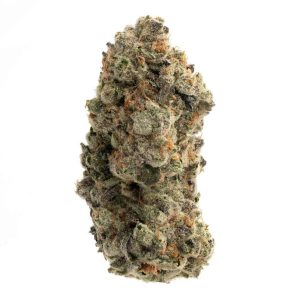
Hybrid cannabis strains
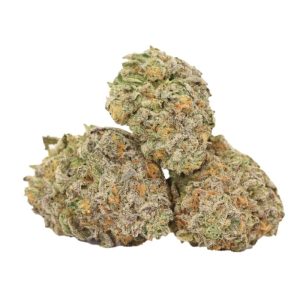
Hybrid cannabis strains
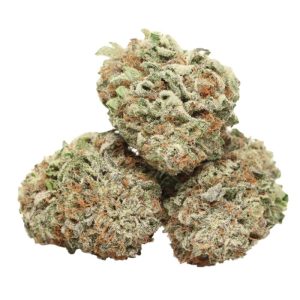
Hybrid cannabis strains
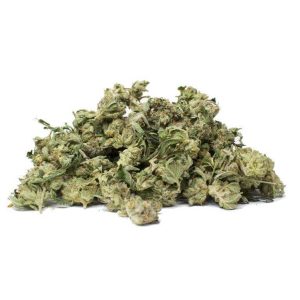
Hybrid cannabis strains
Hybrid cannabis strains
Hybrid cannabis strains
Hybrid cannabis strains
Reviews
There are no reviews yet.