Big Bud Strain
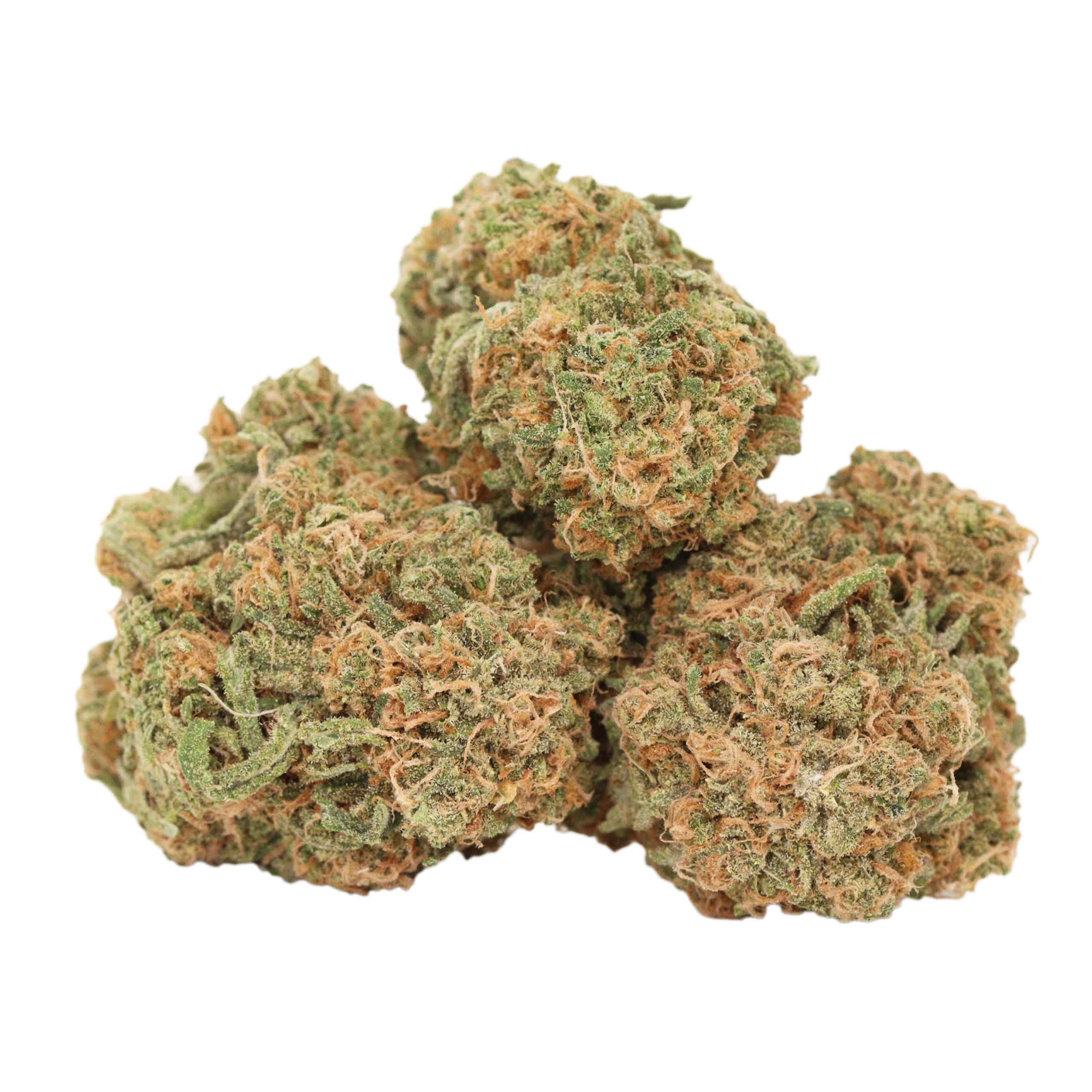
Big Bud Strain is a classic cannabis cultivar known for its indica classification, large floral structure, and long history within modern marijuana breeding.
Current strain-reference data describes Big Bud as an indica associated with Afghani, Northern Lights, and Skunk #1 genetics. A commonly displayed reference THC figure is around 14%, although actual cannabis potency varies from batch to batch and should always be confirmed through laboratory analysis rather than assumed from a strain name.
Big Bud also creates an excellent entry point into a much broader subject: cannabis science.
Modern cannabis education now extends far beyond traditional discussions about indica and sativa. Universities, laboratories, regulators, analytical chemists, botanists, pharmacologists, and quality-control professionals increasingly study cannabis through disciplines involving:
- plant biology;
- analytical chemistry;
- cannabinoid science;
- business;
- law;
- public health;
- laboratory testing;
- compliance.
This guide therefore examines not only Big Bud Strain but also cannabis university, cannabis studies, cannabis science degree, cannabis major, cannabis testing labs, cannabis testing, and pot testing labs.
For additional U.S.-focused strain and cannabis-science education, explore Cannabistopgrade.com.
What Is Big Bud Strain?
Big Bud is a long-established marijuana strain associated with large flower production and indica characteristics.
Leafly currently lists the strain as:
- Type: Indica
- Reference THC: 14%
- Reference CBD: 0%
- Top reported effects: Sleepy, hungry, relaxed
- Top reported flavors: Woody, earthy, spicy/herbal
- Listed terpenes: Pinene, myrcene, ocimene
These numbers and descriptions should be treated as reference information rather than guarantees about every product sold under the Big Bud name.
Cannabis chemistry varies naturally.
Big Bud Strain Quick Profile
| Characteristic | Big Bud Strain |
|---|---|
| General classification | Indica |
| Commonly reported lineage | Afghani × Northern Lights × Skunk #1 |
| Reference THC | About 14% |
| Reference CBD | Approximately 0% |
| Reported effects | Sleepy, hungry, relaxed |
| Common flavors | Woody, earthy, spicy/herbal |
| Listed terpenes | Pinene, myrcene, ocimene |
| Potency reliability | Batch dependent |
| Best verification | Licensed laboratory testing |
Laboratory data from the actual product remains more reliable than generic strain averages.
Big Bud Genetics
Big Bud is commonly described as a three-way cannabis cross involving:
Afghani × Northern Lights × Skunk #1
These genetics connect Big Bud with several historically influential cannabis families.
Afghani genetics are strongly associated with traditional broadleaf cannabis.
Northern Lights became one of the most influential indica-associated cultivars in modern breeding.
Skunk #1 contributed to numerous hybrid lines worldwide.
Together, these genetics helped establish Big Bud’s reputation.
Big Bud and Northern Lights
Northern Lights is one of Big Bud’s commonly cited genetic parents.
It has been used extensively in cannabis breeding because of characteristics associated with:
- compact plant structure;
- resinous flower;
- indica ancestry.
Genetics influence plant chemistry, but they do not mean every descendant has identical THC or terpene concentrations.
Big Bud and Afghani Genetics
Afghani cannabis refers broadly to traditional cannabis genetics associated with Afghanistan.
These landrace-related genetics became important building blocks for many modern indica strains.
Commonly discussed morphological characteristics include:
- broad leaves;
- dense flowers;
- compact plant structure.
Big Bud inherited part of its historical identity from this genetic background.
Big Bud and Skunk #1
Skunk #1 is another highly influential cannabis breeding line.
It helped shape numerous cultivars throughout Europe and North America.
Its contribution to Big Bud illustrates why cannabis strain histories frequently involve multiple generations of hybridization.
Big Bud THC Percentage
Leafly currently displays Big Bud at approximately 14% THC.
However, that does not mean every Big Bud flower contains exactly 14%.
Actual cannabinoid concentration can vary because of:
- phenotype;
- environment;
- cultivation conditions;
- plant maturity;
- harvest timing;
- storage;
- laboratory methodology.
A regulated certificate of analysis provides stronger batch-specific evidence.
Is Big Bud High in THC?
Compared with many modern high-THC cultivars, a reference figure around 14% would generally be considered moderate rather than exceptionally high.
However, THC concentration is only one component of cannabis chemistry.
Two samples with similar THC percentages can differ substantially in:
- terpenes;
- minor cannabinoids;
- freshness;
- moisture.
Potency should never be judged from the strain name alone.
Big Bud Effects
User-generated strain reports commonly associate Big Bud with:
- relaxation;
- sleepiness;
- increased appetite.
These reports describe consumer experiences rather than guaranteed biological outcomes.
Individual effects depend on:
- THC exposure;
- tolerance;
- metabolism;
- additional cannabinoids;
- context;
- individual sensitivity.
Does Big Bud Make You Sleepy?
Sleepiness is among the commonly reported effects associated with Big Bud.
However, cannabis effects vary substantially among people.
A strain being labeled indica does not guarantee that it will improve sleep.
Current cannabis research does not support a universal rule that all indica products reliably improve objective sleep quality.
Big Bud Flavor
Big Bud is commonly associated with:
- woody;
- earthy;
- spicy or herbal notes.
Flavor perception is influenced largely by volatile compounds, including terpenes.
Storage and curing can also influence aroma.
Big Bud Terpenes
Leafly currently associates Big Bud with:
- pinene;
- myrcene;
- ocimene.
Terpenes contribute to cannabis aroma.
However, terpene composition can vary significantly among individual batches.
A commercial laboratory report provides more reliable information about a particular product.
What Is Pinene?
Pinene is an aromatic terpene found in cannabis and many other plants.
It is commonly associated with pine-like aromas.
Its presence should not be interpreted as proof that a product produces one particular medical or psychological effect.
What Is Myrcene?
Myrcene is another frequently occurring cannabis terpene.
It can contribute earthy, herbal, or musky aromas.
Its concentration differs among cultivars and individual batches.
What Is Ocimene?
Ocimene is a terpene found in various plants and can contribute sweet, herbal, or fresh aromatic characteristics.
Like other terpenes, it is not unique to cannabis.
Big Bud vs. BC Big Bud
Big Bud and BC Big Bud should not automatically be treated as the same strain.
Current strain-reference information describes BC Big Bud as a separate hybrid related to Big Bud.
This highlights an important cannabis-science principle:
similar names do not guarantee identical genetics.
Big Bud vs. Afghan Big Bud
Afghan Big Bud is another separate cannabis name.
It is commonly described as a cross involving Afghani and Big Bud genetics.
Again, related names can represent different genetic lines.
Why Cannabis Strain Testing Matters
Cannabis names provide historical and commercial identity.
Laboratory testing provides measurable chemistry.
Cannabis testing can help determine:
- THC;
- THCA;
- CBD;
- CBDA;
- total cannabinoids;
- moisture;
- certain contaminants.
That distinction is central to modern cannabis science.
What Is Cannabis Testing?
Cannabis testing refers to laboratory analysis performed on cannabis or cannabis-derived products.
Depending on the jurisdiction and product, laboratories may evaluate:
- cannabinoids;
- pesticides;
- heavy metals;
- microbial contamination;
- residual solvents;
- moisture;
- water activity;
- mycotoxins.
Testing requirements vary by state.
Why Cannabis Testing Exists
Cannabis testing can support several objectives.
These include:
- consumer information;
- regulatory compliance;
- potency labeling;
- contaminant screening;
- product consistency.
It also allows researchers and regulators to compare measurable chemistry rather than relying exclusively on strain names.
Cannabis Testing Labs
Cannabis testing labs are laboratories that analyze cannabis products using scientific instrumentation.
Regulated testing laboratories may need to meet specific state licensing and accreditation requirements.
Their work can involve:
- sample preparation;
- chemical analysis;
- microbiology;
- quality assurance;
- data review.
The exact scope depends on jurisdiction.
What Are Pot Testing Labs?
Pot testing labs is informal language for cannabis-testing laboratories.
Professional and scientific environments are more likely to use terms such as:
- cannabis testing laboratory;
- analytical laboratory;
- cannabis laboratory;
- compliance laboratory.
“Pot testing lab” communicates the general idea but is less formal.
How Cannabis Labs Measure THC
Modern laboratories can use analytical techniques to separate and quantify cannabinoids.
NIST identifies techniques used in cannabis analysis including:
- gas chromatography-mass spectrometry;
- liquid chromatography;
- liquid chromatography-mass spectrometry;
- near-infrared techniques.
Different laboratory methods can produce measurement differences if they are not properly standardized.
THC vs. THCA Testing
Cannabis laboratories frequently distinguish between:
THC
and
THCA.
THCA is a cannabinoid precursor that can convert to THC with heat.
This is why laboratory reports may list:
- delta-9 THC;
- THCA;
- total THC.
These numbers are related but not identical.
Why Total THC Matters
Total THC calculations attempt to account for the potential THC contribution of THCA.
The exact way regulatory programs calculate and apply these values can depend on applicable law and testing standards.
Understanding this distinction is particularly important when comparing marijuana and hemp products.
Cannabis Laboratory Quality Assurance
Laboratory testing must be reliable to be meaningful.
NIST developed cannabis laboratory quality-assurance tools to improve measurement comparability.
Its work includes:
- analytical methodologies;
- reference materials;
- laboratory quality-assurance programs.
This helps laboratories evaluate whether measurements are consistent with accepted values.
NIST and Cannabis Testing
The National Institute of Standards and Technology has conducted significant work related to cannabis measurement science.
Its Cannabis Laboratory Quality Assurance Program has addressed measurements involving:
- THC;
- THCA;
- total THC;
- CBD;
- CBDA;
- total CBD;
- moisture;
- toxic elements.
This demonstrates how cannabis analysis has become part of formal measurement science.
Cannabis Reference Materials
Reference materials are substances with carefully characterized properties that laboratories can use to evaluate measurement performance.
NIST has developed cannabis-related reference materials.
These can support:
- quality control;
- method validation;
- measurement consistency.
Reliable reference materials are important because laboratories should ideally obtain comparable results when analyzing similar samples.
Why Cannabis Lab Results Can Differ
Laboratory results can vary because of:
- sampling;
- sample preparation;
- analytical method;
- calibration;
- moisture content;
- instrument performance.
Cannabis itself can also be chemically variable within a batch.
This makes quality-assurance systems essential.
Cannabis Testing and Big Bud Strain
Suppose one Big Bud sample is labeled 14% THC and another is labeled 19%.
That difference does not automatically prove that one label is wrong.
Possible explanations include:
- different genetics;
- different phenotypes;
- different growing environments;
- different harvests;
- laboratory variation.
Batch-level testing helps distinguish marketing identity from measurable chemistry.
Cannabis Testing for Heavy Metals
Cannabis-testing programs can include heavy-metal analysis.
Examples may include:
- lead;
- arsenic;
- cadmium;
- mercury.
Requirements differ by jurisdiction.
Contaminant testing is particularly important because cannabis products are consumed through several routes.
Cannabis Microbial Testing
Cannabis can also be evaluated for microbial contamination.
Testing programs may look for organisms or toxins that could create health concerns.
State requirements vary regarding which organisms must be tested.
Cannabis Pesticide Testing
Some regulatory systems establish lists of pesticides that laboratories must test for.
Testing thresholds differ by state.
A product passing one jurisdiction’s standards should not automatically be assumed to have been tested under every other state’s rules.
Cannabis Residual-Solvent Testing
Residual-solvent testing is particularly relevant for concentrates produced using solvent-based extraction.
Regulations can establish acceptable limits.
Testing helps determine whether finished products comply with those limits.
Cannabis Testing and Labels
Cannabis labels can include laboratory-derived information such as:
- THC;
- THCA;
- CBD;
- total cannabinoids;
- batch numbers.
Consumers should remember that strain names such as Big Bud provide less precise chemistry information than actual laboratory values.
What Is Cannabis Studies?
Cannabis studies is an emerging interdisciplinary academic field.
Depending on the institution, coursework can include:
- cannabis history;
- business;
- regulation;
- plant biology;
- chemistry;
- social policy;
- public health.
Programs vary substantially between universities.
Is There a Cannabis University?
The phrase cannabis university is often used casually to describe a school offering cannabis-related education.
However, there is no single nationally recognized institution called “the cannabis university.”
Students should distinguish between:
- accredited universities;
- community colleges;
- professional certificates;
- private training organizations.
Accreditation and curriculum matter.
Cannabis Studies at Universities
Cannabis education is now available at established U.S. universities.
For example, Stockton University developed a Cannabis Studies minor and later launched a Bachelor of Science in Hemp and Cannabis Business Management.
This shows how cannabis education has moved into mainstream higher education.
Stockton University Cannabis Studies
Stockton University’s cannabis programs provide a current example of formal academic cannabis education.
Its offerings include:
- a Cannabis Studies minor;
- a B.S. in Hemp and Cannabis Business Management;
- professional development opportunities.
The university describes its curriculum as interdisciplinary, covering areas including business, regulation, and cannabis-industry operations.
Cannabis Science Degree
The phrase cannabis science degree can mean different things.
Some universities may offer cannabis-specific programs.
Others provide degrees in disciplines directly relevant to cannabis science, including:
- chemistry;
- biology;
- biochemistry;
- plant science;
- pharmacology;
- toxicology.
Someone interested specifically in cannabis laboratory work may benefit more from strong analytical-science training than from a general cannabis-industry program.
Is Cannabis Science a Real Degree?
Cannabis-related degrees and formal programs do exist.
However, degree names vary considerably.
Examples can include programs focused on:
- hemp and cannabis business;
- cannabis studies;
- medicinal plant chemistry;
- plant science;
- laboratory science.
Prospective students should verify the institution’s accreditation and actual curriculum.
Cannabis Major
A cannabis major is an informal phrase used for college programs centered on cannabis or hemp.
Not every university labels these programs “Cannabis Major.”
A student might instead major in:
- cannabis business;
- plant science;
- chemistry;
- biology;
- horticulture.
They can then specialize through electives, minors, certificates, research, or internships.
Cannabis Studies Minor
A cannabis studies minor can complement a broader undergraduate major.
For example, a student could major in:
- chemistry;
- biology;
- business;
- public policy;
while completing cannabis-specific coursework.
This interdisciplinary structure reflects how diverse the regulated cannabis sector has become.
Cannabis Certificate Programs
Certificate programs offer another educational pathway.
Metropolitan State University of Denver currently advertises cannabis certificate coursework covering areas such as:
- Cannabis 101;
- compliance;
- industry fundamentals.
It also identifies potential career paths including cannabis laboratory technician and quality-assurance or compliance roles.
Cannabis Science Careers
Cannabis-related scientific careers can include:
- analytical chemist;
- laboratory technician;
- microbiologist;
- quality-control analyst;
- research scientist;
- compliance specialist.
Training requirements vary significantly.
Cannabis Testing Lab Careers
A laboratory career often requires stronger technical preparation than general cannabis knowledge alone.
Relevant academic backgrounds can include:
- analytical chemistry;
- organic chemistry;
- biochemistry;
- microbiology;
- toxicology.
Laboratory professionals also need experience with quality systems and instrumentation.
Cannabis Laboratory Technician
Cannabis laboratory technicians can support:
- sample preparation;
- instrument operation;
- documentation;
- quality control;
- data management.
Training standards depend on the laboratory and applicable regulations.
Cannabis Chemistry
Cannabis chemistry examines compounds including:
- cannabinoids;
- terpenes;
- flavonoids;
- other plant metabolites.
Scientists can investigate how genetics, environment, processing, and storage influence these compounds.
Cannabinoid Science
Cannabinoid science includes research into compounds such as:
- THC;
- THCA;
- CBD;
- CBDA;
- CBG;
- CBGA;
- CBN.
Cannabis contains many additional constituents beyond THC and CBD.
Cannabis Genetics
Genetic research helps explain why cannabis cultivars can differ in cannabinoid production.
Plant genetics influence enzymes involved in cannabinoid biosynthesis.
This is one reason two cultivars can produce very different THC-to-CBD ratios.
Cannabis Botany
Cannabis botany includes study of:
- plant morphology;
- reproductive biology;
- genetics;
- trichomes;
- plant physiology.
It provides another scientific foundation for cannabis research.
Cannabis Science vs. Cannabis Marketing
Scientific terminology should be distinguished from marketing language.
Examples of marketing language include:
- premium;
- top shelf;
- exotic;
- ultra-potent.
These terms do not replace laboratory measurements.
Science relies on measurable properties.
Is Big Bud Scientifically Proven to Treat Medical Conditions?
No cannabis strain name should be presented as a scientifically proven treatment simply because consumers report particular effects.
Consumer reports may describe experiences involving:
- sleep;
- appetite;
- relaxation.
These observations are different from controlled clinical evidence.
Big Bud and Sleep
Big Bud is often associated with sleepiness in consumer reports.
That does not establish Big Bud as an insomnia medication.
Cannabis and sleep research remains complex, and effects can vary according to:
- cannabinoid composition;
- frequency of use;
- tolerance;
- withdrawal;
- individual biology.
Big Bud and Appetite
Increased appetite is another commonly reported effect.
THC can influence appetite-related pathways, but individual responses differ.
Strain-name reports should not be treated as a medical prescription.
Big Bud and Driving
THC-containing cannabis can impair abilities required for driving.
Possible effects include changes in:
- reaction time;
- coordination;
- perception;
- judgment.
People should not drive while impaired.
Cannabis Use Disorder
Cannabis use can lead to cannabis use disorder in some individuals.
Possible signs include:
- craving;
- difficulty reducing use;
- increasing tolerance;
- continued use despite problems.
Higher THC exposure can increase certain risks.
Big Bud and U.S. Cannabis Laws
The legal status of Big Bud depends on the jurisdiction in which the cannabis product is possessed or sold.
A strain name does not create a separate legal category.
State laws can differ regarding:
- adult-use cannabis;
- medical cannabis;
- possession;
- cultivation;
- testing;
- retail sales.
Current local rules should always be checked.
Cannabis Testing Laws Vary by State
States with regulated cannabis markets can impose different testing requirements.
One jurisdiction may test for a particular contaminant that another regulates differently.
Laboratory accreditation requirements can also vary.
This makes national comparison challenging.
Cannabis Testing and Consumer Education
Laboratory testing gives consumers access to information that strain names cannot provide.
When examining Big Bud or another cannabis product, useful information includes:
- THC;
- THCA;
- CBD;
- batch number;
- test date;
- laboratory name;
- contaminant results where disclosed.
This creates a stronger foundation for understanding the product.
Educational Resources
For more U.S.-focused cannabis strain and science education, explore Cannabistopgrade.com.
Regarding current Big Bud strain reference information, see Leafly’s Big Bud Strain Guide.
For cannabis laboratory measurement and quality-assurance information, consult the NIST Cannabis Laboratory Quality Assurance Program.
For an example of current university cannabis education, review Stockton University’s Hemp and Cannabis Business Management Program.
Continue exploring cannabis strains, cannabinoids, laboratory science, and U.S. marijuana education through Cannabistopgrade.com.
Frequently Asked Questions
1. What is Big Bud Strain?
Big Bud Strain is a classic indica cannabis cultivar commonly associated with Afghani, Northern Lights, and Skunk #1 genetics. Current Leafly reference data lists approximately 14% THC, although actual laboratory results vary between products and batches.
2. Is there such a thing as a cannabis science degree?
Yes. Cannabis-focused academic programs exist, although degree names vary. Universities may offer cannabis studies, hemp and cannabis business, plant science, or related programs, while students pursuing laboratory careers may study chemistry, biology, biochemistry, or analytical science.
3. Can someone major in cannabis?
Some colleges now offer cannabis-specific bachelor’s degrees, minors, certificates, or cannabis-focused tracks. Other students combine conventional majors such as chemistry, biology, or business with cannabis-related coursework.
4. What do cannabis testing labs test for?
Depending on the jurisdiction, cannabis testing labs can analyze THC, THCA, CBD, other cannabinoids, pesticides, heavy metals, microbial contamination, residual solvents, moisture, and other characteristics.
5. Why can two Big Bud products have different THC percentages?
Cannabis potency can vary because of genetics, phenotype, cultivation conditions, harvest timing, storage, sampling, and laboratory methodology. A generic strain profile therefore cannot replace the laboratory report for an individual batch.
6. What education is useful for working in a cannabis testing lab?
Relevant backgrounds can include analytical chemistry, biology, biochemistry, microbiology, toxicology, and laboratory science. Cannabis-specific coursework can supplement those skills, but laboratory careers often require strong scientific and quality-assurance training.
Be the first to review “Big Bud”
Related products
Indica strains
Indica strains
Indica strains

Cannabis Tincture
Indica strains
Cannabis Tincture
Cannabis Tincture
Indica strains
Reviews
There are no reviews yet.