
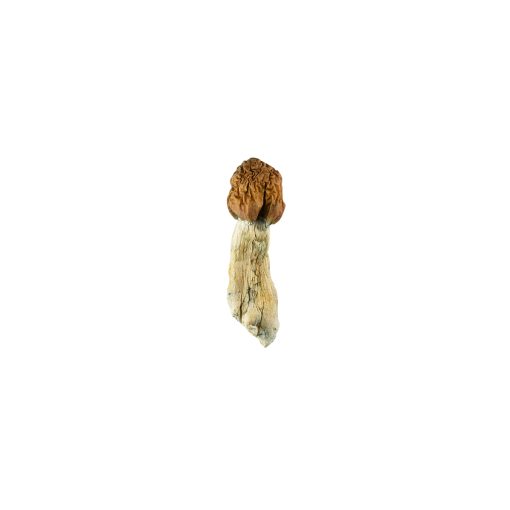
Vietnamese Cubensis Mushroom
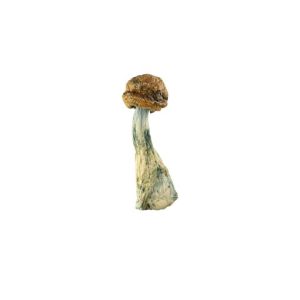
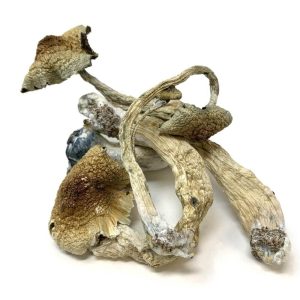
Vietnamese Cubensis Mushroom is an informal cultivation name associated with Psilocybe cubensis genetics originating from Southeast Asia. A current mushroom-genetics database lists “Vietnamese” as a Psilocybe cubensis line associated with Asian genetics. Historical fungal records also show that a mushroom collected in Vietnam and originally described in 1907 as Naematoloma caerulescens is now accepted as Psilocybe cubensis.
That history gives the Vietnamese Cubensis name some geographic context, but it does not establish a scientifically standardized “strain” with one guaranteed potency or chemical profile. Modern cultivar names are generally informal labels rather than separate taxonomic species.
This article also addresses a very different category of questions: undigested mushrooms, are mushrooms heart healthy, mushrooms and cholesterol, does mushrooms lower blood pressure, and mushroom iron content.
An important distinction comes first: most nutrition research on heart health, cholesterol, blood pressure and iron concerns ordinary edible culinary mushrooms, such as white button, oyster, shiitake, portobello, maitake and enoki mushrooms—not psychedelic Psilocybe cubensis. Claims about nutritional benefits of culinary mushrooms therefore should not be automatically applied to Vietnamese Cubensis.
For broader educational content, visit CannabisTopGrade educational resources.
What Is Vietnamese Cubensis Mushroom?
Vietnamese Cubensis is best described as a geographically associated cultivation line of Psilocybe cubensis.
A modern genetics database lists:
Species: Psilocybe cubensis
Cultivar label: Vietnamese
Genetic description: Asian genetics.
There is also genuine taxonomic history linking P. cubensis with Vietnam. Index Fungorum records Naematoloma caerulescens, described from Vietnam in 1907, as a synonym whose currently accepted name is Psilocybe cubensis.
That does not mean every mushroom marketed today as “Vietnamese Cubensis” descends from that exact historical specimen.
Cultivated mushroom lines can be renamed, selected and exchanged through hobbyist communities, so cultivar names do not provide the same genetic certainty as a laboratory-verified strain of a microorganism or pharmaceutical product.
Vietnamese Cubensis vs Culinary Mushrooms
Vietnamese Cubensis is a psychoactive Psilocybe mushroom.
Culinary mushrooms include species such as:
White button mushrooms.
Cremini mushrooms.
Portobello mushrooms.
Oyster mushrooms.
Shiitake mushrooms.
Maitake mushrooms.
Enoki mushrooms.
Chanterelles.
Morels.
These mushrooms are normally discussed in nutrition studies because they are consumed as foods.
When researchers examine mushrooms for heart health, cholesterol or dietary iron, they are generally studying edible food mushrooms rather than Psilocybe cubensis.
That distinction is essential for medically responsible content.
Undigested Mushrooms: Why Can Mushroom Pieces Appear in Stool?
Seeing what appears to be undigested mushrooms does not necessarily mean the digestive system failed to absorb the meal.
Mushroom cell walls contain chitin, a fibrous structural carbohydrate. Chitin is a major component of fungal cell walls and is relatively resistant to breakdown. Research has found that human gastric juice can contain an enzyme capable of degrading chitin, although the amount of this enzyme varies considerably among individuals.
A newer scientific review describes chitin as a fibrous polysaccharide that can resist enzymatic degradation in the stomach and later undergo microbial fermentation in the colon.
This means portions of fungal cell-wall material may remain structurally recognizable even after other nutrients have been processed.
Chewing thoroughly and cooking ordinary culinary mushrooms can make their structure easier to break down.
Are Undigested Mushrooms a Health Problem?
Occasionally noticing fibrous food particles is usually different from having persistent digestive symptoms.
Visible pieces can occur with many high-fiber foods, including:
Corn.
Vegetable skins.
Seeds.
Leafy vegetables.
Mushrooms.
However, persistent undigested food accompanied by unexplained weight loss, prolonged diarrhea, blood in stool, severe abdominal pain or other significant symptoms deserves medical evaluation.
The appearance of mushroom material alone cannot diagnose a digestive disorder.
Are Mushrooms Heart Healthy?
For are mushrooms heart healthy, the evidence is promising in some areas but not strong enough to claim that mushrooms prevent heart disease.
A systematic review of edible mushroom consumption found possible favorable changes in cholesterol-related markers and blood pressure, but concluded that the overall evidence for cardiovascular protection was not conclusive.
A later systematic review examining 22 studies was more cautious. It found limited experimental evidence for improvements in triglycerides and an inflammatory marker, while results for LDL cholesterol, total cholesterol, blood pressure and cardiovascular disease outcomes were either neutral, inconsistent or insufficient.
A 2026 review similarly found that whole-mushroom consumption consistently lowered triglycerides in the studies it assessed but generally had no clear effect on LDL or HDL cholesterol. Evidence for blood-pressure benefits remained limited.
The appropriate conclusion is therefore:
Culinary mushrooms can fit well within a heart-healthy dietary pattern, but they should not be described as proven treatments for cardiovascular disease.
Why Mushrooms Can Fit a Heart-Healthy Diet
Many ordinary edible mushrooms are naturally:
Are Low in calories.
Low in total fat.
Low in saturated fat.
Cholesterol-free.
Relatively low in sodium when fresh and unprocessed.
Sources of fiber and several micronutrients.
Those characteristics can make mushrooms useful as part of dietary patterns that emphasize vegetables, legumes, whole grains and minimally processed foods.
Preparation matters.
A fresh mushroom sautéed with a modest amount of unsaturated oil is nutritionally different from mushrooms served in a heavily salted cream sauce or deep-fried coating.
For additional health-education articles, see CannabisTopGrade wellness and research content.
Mushrooms and Cholesterol
Research into mushrooms and cholesterol has produced interesting but inconsistent findings.
Older reviews proposed that compounds found in some mushroom species—including beta-glucans, sterols, eritadenine and other bioactive substances—could potentially influence lipid metabolism.
However, mechanisms identified in laboratories do not automatically translate into large clinical effects in humans.
A systematic review of randomized controlled trials found insufficient evidence that mushroom consumption consistently reduced total cholesterol or LDL cholesterol. Only a minority of the included trials showed statistically significant decreases.
This is why it would be misleading to advertise mushrooms as a substitute for cholesterol-lowering medication or professional dietary care.
Are Mushrooms Good for Cholesterol?
For are mushrooms good for cholesterol, they can be part of an overall diet designed to support healthy blood lipids, but the evidence does not justify saying mushrooms reliably lower cholesterol on their own.
Mushrooms may help indirectly when they replace foods higher in saturated fat or calories.
For example, using mushrooms alongside vegetables and legumes instead of a large portion of high-saturated-fat meat changes the overall nutritional composition of the meal.
That dietary substitution may be more meaningful than treating mushrooms as a cholesterol remedy.
Research reviews currently suggest:
Triglyceride improvements appear somewhat more consistent.
LDL findings are mixed or often neutral.
HDL findings are inconsistent.
Direct cardiovascular disease reduction has not been established convincingly.
Does Mushroom Lower Cholesterol?
For does mushroom lower cholesterol, the scientifically careful answer is:
Possibly in certain circumstances or with certain mushroom species, but human evidence is not consistent enough to guarantee a cholesterol-lowering effect.
Clinical studies of oyster mushrooms, for example, have reported improvements in total cholesterol, LDL or triglycerides in some trials.
But broader systematic reviews involving multiple mushroom species do not show a reliable cholesterol reduction across every study.
The phrase mushroom lower cholesterol is therefore better used in educational content as a question rather than a health promise.
Mushrooms for Heart Health
Using mushrooms for heart health makes the most sense as part of a larger dietary pattern.
Heart health is influenced by:
Smoking status.
Physical activity.
Blood pressure.
Blood glucose.
Body weight.
Dietary pattern.
Genetics.
Sleep.
Alcohol intake.
Medical conditions.
Mushrooms cannot compensate for all of these factors.
Their strongest nutritional role may be as a low-fat, versatile food that helps increase diet variety while supplying fiber and micronutrients.
The latest evidence supports continued research rather than a claim that mushrooms prevent heart attacks or strokes.
Does Mushrooms Lower Blood Pressure?
For does mushrooms lower blood pressure, results are mixed.
A 2021 systematic review reported that mushroom intake was probably associated with modestly lower mean blood pressure in some available research.
However, later systematic reviews of randomized trials found insufficient or inconsistent evidence for a reliable blood-pressure effect.
Researchers continue to study mushroom components that might affect vascular function, including potassium, beta-glucans, ergothioneine and several other bioactive compounds.
But food compounds with plausible biological mechanisms should not be treated as proven blood-pressure medications.
People with hypertension should follow evidence-based medical and dietary guidance rather than relying on mushrooms alone.
Mushrooms and Potassium
One reason mushrooms sometimes appear in heart-health discussions is potassium.
Different mushrooms provide different amounts.
USDA-derived data show approximately:
Portobello: 364 mg potassium per 100 g.
Enoki: 359 mg per 100 g.
Chanterelle: about 506 mg per 100 g.
Potassium is involved in normal nerve, muscle and cardiovascular function.
However, people with certain kidney conditions may need to manage potassium intake under medical guidance.
Are Mushrooms High in Iron?
For are mushrooms high in iron, the answer is generally not most common varieties.
Iron levels differ considerably by species.
USDA-derived values for 100 grams of raw mushrooms illustrate this variation:
Portobello: about 0.31 mg iron.
Crimini: about 0.4 mg.
Enoki: about 1.15 mg.
Oyster: about 1.33 mg.
Chanterelle: about 3.47 mg.
Morel: about 12.18 mg.
That is a very wide range.
Therefore, saying “mushrooms are high in iron” without identifying the mushroom species is inaccurate.
Morels can provide substantially more iron than common portobello or crimini mushrooms.
Iron in Mushrooms
The amount of iron in mushrooms depends on species, growing environment and preparation.
Iron is essential for:
Hemoglobin formation.
Oxygen transport.
Energy metabolism.
Normal cellular function.
Dietary iron from mushrooms is non-heme iron, the form generally found in plant and fungal foods.
Non-heme iron is typically absorbed less efficiently than heme iron from meat.
Eating vitamin-C-rich foods with non-heme iron sources can improve absorption.
Examples include combining mushrooms with:
Bell peppers.
Tomatoes.
Broccoli.
Citrus-containing dressings.
However, mushrooms should not automatically be relied upon as the primary dietary treatment for iron deficiency.
Mushroom Iron Content
Current USDA-based food-composition information shows why mushroom iron content should always be discussed by species.
| Mushroom | Approx. iron per 100 g |
|---|---|
| Portobello | 0.31 mg |
| Crimini | 0.40 mg |
| Enoki | 1.15 mg |
| Oyster | 1.33 mg |
| Chanterelle | 3.47 mg |
| Morel | 12.18 mg |
These values illustrate nutritional diversity across mushrooms rather than a universal figure.
The FDA Daily Value for iron is 18 mg for nutrition-label purposes, so most common cultivated mushrooms are not especially concentrated sources, while morels stand out as an exception.
Vietnamese Cubensis and Iron Content
There is no reliable evidence that Vietnamese Cubensis should be promoted as an iron supplement.
Nutrition tables covering ordinary grocery-store mushrooms cannot simply be transferred to Psilocybe cubensis.
Even if a psychedelic mushroom contains minerals, its psychoactive and legal characteristics make comparisons with culinary mushrooms inappropriate.
Someone looking for dietary iron should focus on conventional foods with known composition rather than using a psychedelic cultivar for nutritional purposes.
Vietnamese Cubensis and Heart-Health Claims
The same caution applies to cholesterol and blood pressure.
Studies suggesting possible cardiometabolic benefits involve culinary edible mushrooms or specific standardized species.
They do not demonstrate that Vietnamese Cubensis:
Lowers LDL cholesterol.
Prevents cardiovascular disease.
Treats hypertension.
Reduces heart-attack risk.
Provides clinically useful iron.
Treating research about oyster, shiitake or button mushrooms as evidence for Psilocybe cubensis would be scientifically misleading.
For more educational mushroom and substance-related information, visit CannabisTopGrade research guides.
Frequently Asked Questions
1. What is Vietnamese Cubensis Mushroom?
Vietnamese Cubensis is an informal cultivation name associated with Psilocybe cubensis and Asian genetics. Historical fungal records also document a P. cubensis synonym collected in Vietnam in 1907, although this does not prove that every modern “Vietnamese” cultivar descends directly from that specimen.
2. Why can mushrooms appear undigested?
Mushroom cell walls contain chitin, a fibrous carbohydrate that can resist complete digestive breakdown. Humans possess some chitinase activity, but it varies between individuals.
3. Are mushrooms good for cholesterol?
Culinary mushrooms can fit into a cholesterol-conscious diet, but current human research does not show that mushroom consumption reliably lowers LDL cholesterol in everyone. Some studies report favorable changes, while others show little or no effect.
4. Do mushrooms lower blood pressure?
Some studies have reported lower blood pressure with mushroom consumption, but systematic reviews find the overall evidence inconsistent or limited. Mushrooms should not replace established hypertension treatment.
5. Are mushrooms high in iron?
It depends on the variety. Portobello and crimini mushrooms contain relatively modest amounts of iron, while chanterelles and especially morels can contain considerably more.
Final Thoughts on Vietnamese Cubensis Mushroom
Vietnamese Cubensis Mushroom is best described as an informal Psilocybe cubensis cultivar associated with Asian genetics, not as a separately recognized scientific species. Historical fungal records confirm that P. cubensis has been documented in Vietnam for more than a century.
For undigested mushrooms, fungal cell walls contain chitin, which can resist digestive breakdown. Small visible food fragments do not automatically indicate a medical problem, although persistent gastrointestinal symptoms deserve appropriate evaluation.
For are mushrooms heart healthy, mushrooms and cholesterol, are mushrooms good for cholesterol, mushrooms for heart health, does mushroom lower cholesterol, and mushroom lower cholesterol, ordinary culinary mushrooms can be part of a nutritious dietary pattern. However, current human research does not establish mushrooms as a reliable cholesterol-lowering therapy or proven way to prevent cardiovascular disease.
Regarding does mushrooms lower blood pressure, some studies suggest potential benefits, but randomized clinical evidence remains inconsistent.
For are mushrooms high in iron, iron in mushrooms, and mushroom iron content, values vary dramatically by species. Common portobello and crimini mushrooms contain modest amounts, while varieties such as chanterelles and morels contain substantially more.
Most importantly, heart-health and nutritional research involving culinary mushrooms should not be automatically applied to Vietnamese Cubensis or another psilocybin mushroom.
Recommended Outbound Resources
PubMed — Mushroom Consumption and Cardiovascular Health
PubMed — Cardiometabolic Effects of Mushroom Consumption
USDA FoodData Central — Food Composition Database
Index Fungorum — Historical Vietnamese Psilocybe cubensis Record
| weight | Oz, QP, HP, P |
|---|
Be the first to review “Vietnamese Cubensis Mushroom”
Related products
Bulk Mushrooms
Bulk Mushrooms
Bulk Mushrooms
Bulk Mushrooms
Bulk Mushrooms
Bulk Mushrooms
Bulk Mushrooms
Bulk Mushrooms
Reviews
There are no reviews yet.