Bulk Mushrooms: Types, Uses, Storage, Safety and U.S. Legal Considerations
The term bulk mushrooms can describe many completely different products.
Restaurants may purchase large quantities of fresh culinary mushrooms. Food manufacturers may use dried mushroom ingredients. Supplement manufacturers sell mushroom powders and extracts, while researchers study compounds produced by medicinal and psychedelic mushroom species.
These categories should not be confused.
A bulk package of shiitake mushrooms is fundamentally different from a lion’s mane extract, and neither should automatically be associated with psilocybin mushrooms.
Understanding mushroom species, intended use, storage, labeling and regulation is therefore essential.
For additional U.S.-focused educational material involving cannabis, mushrooms and emerging psychoactive-substance research, explore Cannabistopgrade.com.
What Are Bulk Mushrooms?
“Bulk” generally refers to mushrooms packaged or handled in larger quantities rather than individual consumer-sized portions.
The phrase can apply to:
- fresh culinary mushrooms;
- dried mushrooms;
- mushroom powders;
- mushroom extracts;
- functional mushroom ingredients;
- wholesale food-service mushrooms.
The word bulk does not identify a particular mushroom species.
Bulk Mushroom Categories at a Glance
| Category | Examples | Typical Context |
|---|---|---|
| Culinary | Button, cremini, portobello | Cooking |
| Gourmet | Shiitake, oyster, maitake | Restaurants and specialty foods |
| Functional | Lion’s mane, reishi, cordyceps | Foods/supplements |
| Dried | Shiitake, porcini, morels | Long-term food storage |
| Powdered | Various species | Food/supplement ingredients |
| Psychedelic | Psilocybin-containing species | Controlled/legal-research context |
The last category requires substantially different legal and safety considerations.
Mushrooms Are Fungi
Mushrooms are fungi, not plants.
The visible mushroom is generally the reproductive structure of a larger fungal organism.
Much of the organism can exist as mycelium, a network of threadlike structures growing through a substrate.
This distinction is important because commercial mushroom products may contain:
- fruiting bodies;
- mycelium;
- extracts;
- combinations.
Consumers should read product labels carefully.
Common Culinary Mushrooms
White Button Mushrooms
White button mushrooms are among the most familiar mushrooms in American grocery stores.
They belong to the species Agaricus bisporus.
Cremini Mushrooms
Cremini mushrooms are also Agaricus bisporus but are harvested at a different developmental stage.
They are sometimes marketed as baby bella mushrooms.
Portobello Mushrooms
Portobello mushrooms are mature forms of the same species.
This means:
button + cremini + portobello
can represent different stages/forms of Agaricus bisporus rather than three completely unrelated species.
Oyster Mushrooms
Oyster mushrooms belong primarily to the Pleurotus group.
They are recognized for their broad caps and culinary versatility.
Commercial varieties can vary in:
- color;
- size;
- texture.
Shiitake Mushrooms
Shiitake mushrooms have a long culinary history in East Asia and are now widely available in the United States.
They can be sold:
- fresh;
- dried;
- powdered.
Dried shiitake can have a substantially longer storage life than fresh mushrooms when properly handled.
Maitake Mushrooms
Maitake is also known as hen of the woods.
It is used as a culinary mushroom and also appears in mushroom supplement discussions.
A mushroom being used traditionally does not automatically prove every modern medical claim associated with it.
Lion’s Mane Mushrooms
Lion’s mane has become especially popular in the functional-mushroom market.
It is frequently marketed for:
- cognition;
- focus;
- memory;
- brain health.
Researchers are investigating lion’s mane compounds, but commercial marketing claims can exceed available clinical evidence.
It should not automatically be described as a proven treatment for neurological disease.
Reishi Mushrooms
Reishi is another mushroom frequently used in supplements and traditional preparations.
Products can contain:
- powdered fruiting body;
- extracts;
- mycelium.
Claims involving immunity, cancer or other diseases require careful evidence evaluation.
A dietary supplement should not be confused with an FDA-approved treatment.
Cordyceps
Cordyceps refers to fungi that have become widely marketed in supplements and functional foods.
Commercial products can differ substantially from wild Cordyceps species.
Consumers should therefore examine the actual species and ingredients rather than relying on the word “Cordyceps” alone.
Fresh vs. Dried Bulk Mushrooms
Fresh and dried mushrooms have very different storage requirements.
| Feature | Fresh Mushrooms | Dried Mushrooms |
|---|---|---|
| Moisture | High | Low |
| Storage life | Relatively short | Usually much longer |
| Refrigeration | Usually appropriate | Often unnecessary when properly packaged |
| Texture | Fresh/soft | Dry |
| Common uses | Immediate cooking | Storage, soups, sauces |
| Spoilage concern | Relatively high | Moisture exposure |
Proper storage remains important for both.
Mushroom Powders
Mushroom powders can be made from dried fungal material.
However, not all powders are equivalent.
Products can differ according to:
- species;
- fruiting body content;
- mycelium content;
- extraction;
- fillers;
- concentration.
A powder’s appearance alone cannot verify its identity.
Mushroom Extracts
Extracts are processed preparations designed to concentrate certain compounds from fungal material.
Extraction methods can vary.
This means a “10:1 mushroom extract” or similar marketing statement should be interpreted alongside:
- ingredient information;
- manufacturing details;
- testing;
- species identification.
Concentration claims alone do not prove medical effectiveness.
Functional Mushrooms
The term functional mushrooms is commonly used for mushroom products marketed beyond ordinary nutrition.
Popular examples include:
- lion’s mane;
- reishi;
- cordyceps;
- turkey tail;
- chaga;
- maitake.
“Functional” is primarily a commercial and wellness term.
It should not automatically be interpreted as meaning medically proven.
Medicinal Mushrooms
“Medicinal mushroom” is another broad term.
Some fungal compounds have genuine scientific and pharmaceutical research behind them.
However, evidence for one isolated compound cannot automatically be transferred to every powder, gummy or supplement made from the same mushroom.
Product-specific evidence matters.
Bulk Mushrooms and Nutrition
Many edible mushrooms provide nutrients while being relatively low in calories.
Depending on species and growing conditions, mushrooms can contribute:
- fiber;
- B vitamins;
- minerals;
- protein;
- bioactive compounds.
Nutritional composition varies considerably among species.
Vitamin D and Mushrooms
Mushrooms are unusual because exposure to ultraviolet light can increase vitamin D2 content.
Not every mushroom product contains the same amount.
Consumers interested in vitamin D should rely on nutritional labeling rather than assuming all mushrooms are rich sources.
Bulk Mushroom Storage
Storage conditions influence quality and safety.
Fresh mushrooms generally require greater attention to:
- temperature;
- moisture;
- ventilation;
- cleanliness.
Dried mushrooms require protection from moisture.
Improper storage can encourage microbial growth or spoilage.
Signs of Mushroom Spoilage
Potential warning signs can include:
- unusual slime;
- severe discoloration;
- unpleasant odor;
- visible mold;
- excessive deterioration.
Food that appears spoiled should not be consumed merely to avoid waste.
Food-Service Bulk Mushrooms
Restaurants and food businesses often purchase mushrooms in larger quantities.
Commercial buyers may consider:
- species;
- freshness;
- supplier reliability;
- cold-chain handling;
- food-safety practices;
- package size.
Wholesale volume does not eliminate food-safety requirements.
Mushroom Allergies
Mushrooms can cause allergic reactions in some individuals.
Symptoms can vary.
People experiencing severe allergic symptoms such as breathing difficulty should seek urgent medical attention.
Wild Mushrooms
Wild mushroom identification requires particular caution.
Some toxic species resemble edible mushrooms.
Mistakes can cause:
- gastrointestinal illness;
- liver injury;
- neurological effects;
- kidney injury;
- death.
A photograph or consumer app should not be treated as a guaranteed safety determination for eating an unknown wild mushroom.
Poisonous Mushrooms
Certain mushrooms contain powerful toxins.
For example, some Amanita species contain amatoxins capable of causing severe liver damage.
Symptoms may initially improve before serious organ injury becomes apparent.
Suspected poisonous mushroom ingestion requires prompt professional medical or poison-control advice.
Psychedelic Mushrooms Are a Separate Category
The phrase bulk mushrooms can sometimes be used online in connection with psychedelic mushrooms.
That category should be distinguished from ordinary culinary or functional mushrooms.
Certain mushroom species contain:
- psilocybin;
- psilocin.
These are psychoactive compounds.
They can substantially alter:
- perception;
- mood;
- cognition;
- sense of time.
What Is Psilocybin?
Psilocybin is a naturally occurring psychedelic compound found in certain fungi.
After ingestion, the body converts psilocybin into psilocin, which interacts strongly with serotonin signaling, particularly receptors associated with psychedelic effects.
Research interest has expanded significantly in areas such as:
- depression;
- anxiety associated with serious illness;
- substance-use disorders;
- other psychiatric conditions.
Promising research does not make unsupervised psychedelic mushroom use equivalent to clinical treatment.
Psilocybin Research
Modern clinical trials typically use controlled conditions.
Research protocols can involve:
- participant screening;
- standardized compounds;
- trained staff;
- controlled dosing;
- psychological support;
- medical oversight;
- follow-up.
This differs substantially from consuming an unidentified mushroom product.
Psilocybin Risks
Potential acute effects can include:
- anxiety;
- panic;
- confusion;
- altered perception;
- nausea;
- increased heart rate;
- increased blood pressure.
Psychological response can vary dramatically.
People with certain psychiatric vulnerabilities may face additional risks.
Psilocybin Mushroom Potency
Potency can vary between:
- species;
- individual mushrooms;
- batches;
- growing conditions.
Visual appearance does not reliably determine psilocybin concentration.
This variability is another reason psychedelic mushrooms should not be treated like standardized pharmaceutical products.
Mushroom Chocolates and Gummies
Products marketed as:
- mushroom chocolates;
- mushroom gummies;
- psychedelic mushroom bars
deserve additional caution.
Packaging alone cannot establish which psychoactive ingredients are present.
Some products may contain ingredients different from what consumers expect.
A recognizable brand-style package is not equivalent to pharmaceutical quality assurance.
Amanita Is Not Psilocybin
Amanita muscaria and related products are sometimes marketed alongside psychedelic mushrooms.
They are chemically different.
Amanita mushrooms can contain compounds such as:
- muscimol;
- ibotenic acid.
These are not psilocybin.
Consumers should not treat “mushroom psychedelic” as one uniform chemical category.
U.S. Psilocybin Laws
Psilocybin remains controlled under U.S. federal law.
At the same time, certain states and local jurisdictions have developed different approaches involving:
- regulated programs;
- supervised services;
- decriminalization policies.
These policies do not create unrestricted nationwide legality.
Local reform should never be interpreted as permission to ship psilocybin mushrooms throughout the United States.
Bulk Does Not Mean Wholesale Legality
A large package size does not change the legal status of its contents.
Bulk culinary mushrooms can be ordinary food products.
Bulk controlled psychoactive mushrooms raise entirely different legal issues.
The underlying substance determines the regulatory context.
Mushroom Supplements
Dietary supplements are also distinct from pharmaceuticals.
A mushroom supplement being available in a store does not mean FDA has approved it as a treatment for:
- Alzheimer’s disease;
- depression;
- cancer;
- anxiety;
- chronic pain.
Consumers should separate supplement availability from established medical efficacy.
Reading Mushroom Labels
Useful information can include:
- species name;
- ingredient list;
- serving size;
- fruiting body or mycelium;
- extract information;
- manufacturer;
- lot number.
Vague terms such as “proprietary mushroom complex” can make it more difficult to determine how much of each ingredient is present.
Mushroom Species Matter
The word “mushroom” covers an enormous biological category.
Comparing button mushrooms with psilocybin mushrooms simply because both are fungi is similar to treating every plant as pharmacologically equivalent.
Species identification matters.
Bulk Mushroom Quality
For ordinary culinary mushrooms, quality evaluation can involve:
- freshness;
- cleanliness;
- proper storage;
- species identification;
- supplier handling.
For supplements, additional considerations include:
- ingredient transparency;
- manufacturing quality;
- testing;
- contaminant controls.
Educational Resources
For additional U.S.-focused educational material involving cannabis, mushrooms and emerging psychoactive research, explore Cannabistopgrade.com.
For general food-safety information relevant to mushrooms and other produce, consult the U.S. Food and Drug Administration.
For peer-reviewed research on psilocybin and psychedelic science, explore the National Library of Medicine’s PubMed database.
For information about poison risks from wild mushrooms, consult the CDC’s mushroom poisoning resources.
Readers can continue exploring cannabis, mushrooms and psychoactive-substance education through Cannabistopgrade.com.
Frequently Asked Questions
1. What does bulk mushrooms mean?
Bulk mushrooms generally means mushrooms supplied in larger quantities. The term can refer to fresh culinary mushrooms, dried mushrooms, powders or other fungal products and does not identify one particular species.
2. Are bulk mushrooms psychedelic?
Not necessarily. Most bulk mushrooms sold for food are ordinary edible species such as button, oyster or shiitake mushrooms. Only particular species naturally contain psilocybin or other psychoactive compounds.
3. How should fresh bulk mushrooms be stored?
Fresh edible mushrooms generally require cool, appropriate food-storage conditions and protection from excessive moisture. Commercial businesses should follow applicable food-safety and cold-storage requirements.
4. Are functional mushrooms scientifically proven?
Some functional mushrooms and their compounds are being actively researched, but evidence varies greatly by species, preparation and claimed benefit. Marketing a mushroom for wellness does not make it a proven treatment.
5. Are psilocybin mushrooms legal throughout the United States?
No. Psilocybin remains controlled under federal law, although some states and local jurisdictions have adopted different regulated or decriminalization approaches. Local reforms do not create nationwide legality.
6. Are mushroom chocolates and gummies always made with psilocybin?
No. A mushroom-themed package does not establish its ingredients. Products may contain functional mushrooms, Amanita-related ingredients, cannabinoids, other compounds or combinations, so composition should never be inferred from branding alone.
Bulk Mushrooms
Bulk Mushrooms
Bulk Mushrooms
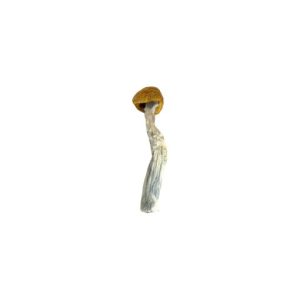
Bulk Mushrooms
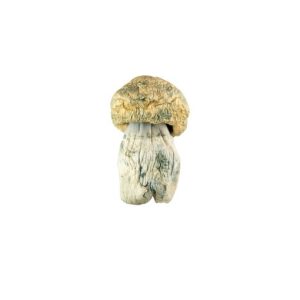
Bulk Mushrooms
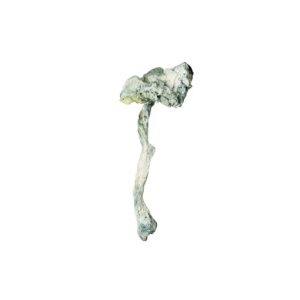
Bulk Mushrooms
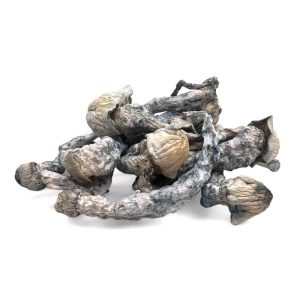
Bulk Mushrooms
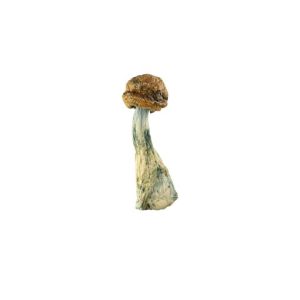
Bulk Mushrooms
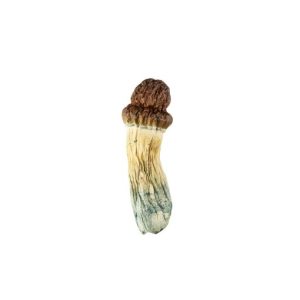
Bulk Mushrooms
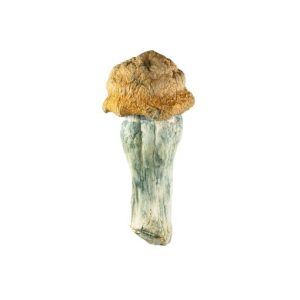
Bulk Mushrooms
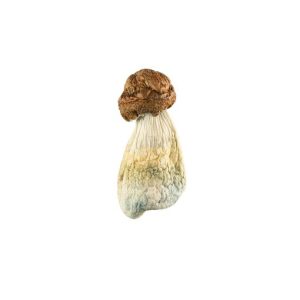
Bulk Mushrooms
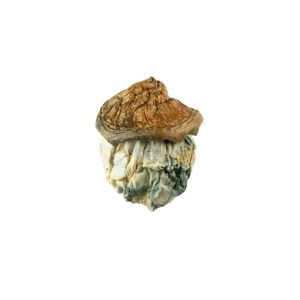
Bulk Mushrooms