
Sativa Strains
Sativa strains are among the most recognizable categories of cannabis in the United States.
Dispensary menus commonly organize cannabis into three broad groups:
- sativa;
- indica;
- hybrid.
Sativa strains are traditionally associated with taller plants and narrower leaves. In modern cannabis marketing, the term is also frequently associated with words such as uplifting, energetic, creative, social, and daytime.
That familiar description is useful for understanding cannabis culture, but it has scientific limitations.
A cannabis product does not automatically produce energy because its package says sativa.
Likewise, an indica product does not automatically cause sleepiness.
Questions such as “what is sativa?”, “sativa bud vs indica bud,” and “sativa vs indica effects” require looking beyond the category name to cannabinoids, terpenes, genetics and individual response.
For additional U.S.-focused cannabis strain education, explore Cannabistopgrade.com.
What Is Sativa?
The term sativa has botanical, historical and commercial meanings.
Cannabis sativa is a botanical name associated with the cannabis plant.
Within modern cannabis culture, however, “sativa” is frequently used more narrowly to describe marijuana cultivars traditionally associated with:
- taller growth;
- narrower leaflets;
- longer branching;
- elongated plant structure.
Retailers also use sativa as an effect-oriented category.
Products labeled sativa are commonly marketed for daytime use or uplifting experiences.
These botanical and commercial definitions should not be treated as perfectly interchangeable.
What Are Sativa Strains?
Sativa strains are cannabis cultivars classified or marketed within the sativa category.
Popular examples commonly discussed as sativa or sativa-dominant include:
- Durban Poison
- Sour Diesel
- Jack Herer
- Super Lemon Haze
- Amnesia Haze
- Acapulco Gold
- Panama Red
- Neville’s Haze
- Kali Mist
- Green Crack
Classification can vary between breeders, databases and producers.
What Does a Sativa Plant Look Like?
Traditional sativa-type cannabis is associated with a relatively tall and open growth pattern.
Commonly described characteristics include:
- narrow leaflets;
- longer branches;
- greater spacing between plant structures;
- relatively tall stature.
Modern hybridization means not every sativa-labeled cultivar will perfectly match this traditional appearance.
What Does an Indica Plant Look Like?
An indica plant is traditionally associated with a more compact physical structure.
Common descriptions include:
- broader leaflets;
- shorter stature;
- denser branching;
- relatively compact growth.
These characteristics help explain the familiar visual distinction between traditional sativa and indica plants.
Sativa Plant vs. Indica Plant
| Characteristic | Traditional Sativa | Traditional Indica |
|---|---|---|
| Plant stature | Taller | Shorter/compact |
| Leaflets | Narrower | Broader |
| Branching | More elongated | More compact |
| Retail reputation | Uplifting/daytime | Relaxing/evening |
| Effect guaranteed? | No | No |
| THC predictable from category? | No | No |
Modern commercial cannabis often contains extensive hybrid ancestry, making these distinctions less precise.
Sativa Leaves vs. Indica Leaves
Leaf shape is probably the most recognizable visual difference.
Traditional sativa plants are associated with:
longer, narrower leaflets.
Traditional indica plants are associated with:
broader, relatively shorter leaflets.
However, leaf shape cannot tell you everything about a cannabis plant.
Can a Cannabis Leaf Tell You the THC Percentage?
No.
Looking at a leaf cannot reliably determine:
- THC;
- CBD;
- minor cannabinoids;
- terpene concentration;
- psychoactive strength.
Laboratory analysis is required for meaningful cannabinoid measurements.
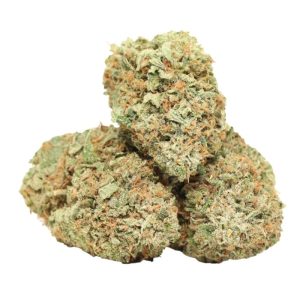
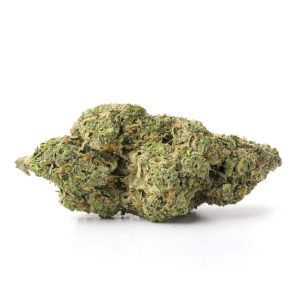
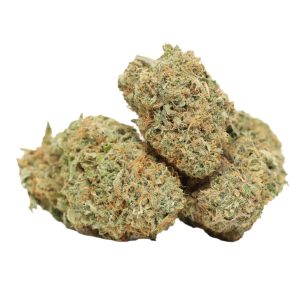
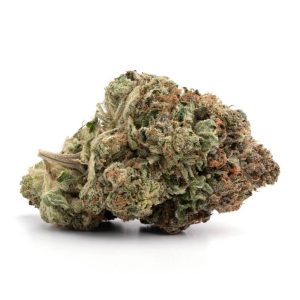
Sativa Bud vs. Indica Bud
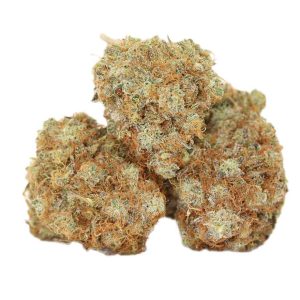
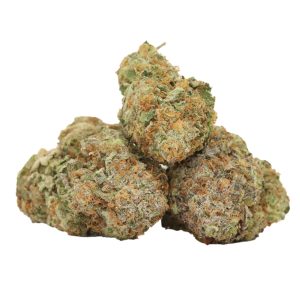
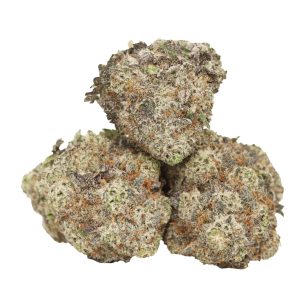
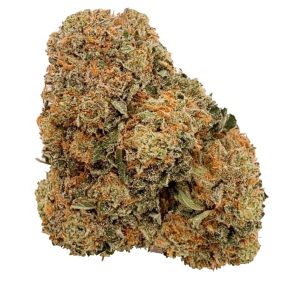
The difference between sativa bud vs indica bud is less reliable visually than many people assume.
Traditional descriptions often portray sativa flowers as relatively:
- elongated;
- airy;
- less compact.
Indica flowers are frequently described as:
- dense;
- compact;
- tightly structured.
But environmental conditions and genetics strongly influence flower structure.
Can You Identify Sativa Bud by Looking at It?
Not reliably.
A photograph of cannabis flower cannot establish whether a product will feel stimulating or relaxing.
Appearance can be influenced by:
- genetics;
- cultivation environment;
- trimming;
- drying;
- storage.
Modern hybridization further complicates visual classification.
Sativa Versus Indica
The traditional distinction is usually summarized as:
Sativa = uplifting
Indica = relaxing
This is deeply embedded in cannabis culture.
However, a more useful modern framework considers:
cannabinoids + terpenes + potency + individual response.
These characteristics help explain why different people can experience the same cannabis product differently.
Sativa vs. Indica Effects
Common commercial descriptions look like this:
| Reported Characteristic | Sativa | Indica |
|---|---|---|
| Energy | Commonly associated | Less commonly associated |
| Relaxation | Possible | Commonly associated |
| Creativity | Commonly marketed | Possible |
| Sleepiness | Possible | Commonly marketed |
| Daytime use | Commonly marketed | Less commonly marketed |
| Evening use | Possible | Commonly marketed |
| Guaranteed? | No | No |
These are broad consumer associations rather than medical rules.
Does Sativa Give You Energy?
Not necessarily.
Some consumers report feeling energetic or stimulated after using sativa-labeled cannabis.
Others may experience:
- relaxation;
- tiredness;
- anxiety;
- distraction;
- dizziness.
THC remains psychoactive regardless of whether a product is called sativa.
What Is Sativa Good For?
Consumers commonly associate sativa strains with:
- daytime use;
- social activities;
- creativity;
- uplifting experiences;
- feeling energetic.
These should be understood as common consumer descriptions.
They do not establish that sativa cannabis medically improves energy, productivity, depression or attention.
Is Sativa an Upper?
Calling sativa an upper is an oversimplification.
Cannabis does not fit neatly into the everyday stimulant-versus-depressant distinction.
THC can simultaneously produce different physiological and psychological effects.
For example, someone might experience euphoria while also experiencing impaired reaction time.
Does Sativa Help You Focus?
Some consumers report increased subjective focus after certain strains.
Scientific interpretation requires more caution.
THC can affect:
- working memory;
- attention;
- reaction time;
- decision-making.
Sativa cannabis should therefore not be presented as an established treatment for ADHD or concentration problems.
Sativa and Creativity
Creativity is another characteristic frequently associated with sativa strains.
Some users describe feeling:
- imaginative;
- talkative;
- curious;
- mentally stimulated.
Subjective feelings of creativity do not necessarily mean objective performance improves.
Sativa and Mood
Some sativa strains are marketed as uplifting.
However, cannabis responses can vary substantially.
THC can produce pleasant mood changes for some people while contributing to:
- anxiety;
- panic;
- paranoia;
- confusion
in others.
Sativa and Anxiety
The idea that all sativa cannabis causes anxiety is also too simplistic.
However, higher THC exposure can contribute to anxiety or panic in susceptible individuals.
Someone sensitive to THC should not assume the sativa label predicts a comfortable experience.
Sativa and Sleep
Sativa is frequently portrayed as the opposite of nighttime cannabis.
But sativa does not guarantee wakefulness.
Some people can become sleepy after THC regardless of strain category.
Research into cannabis and sleep also does not support a simple rule that:
sativa = awake
and
indica = asleep.
THC in Sativa Strains
Sativa strains can contain widely varying amounts of THC.
One cultivar might contain moderate THC.
Another can contain considerably more.
The word sativa does not provide a THC measurement.
What Is THC?
THC stands for tetrahydrocannabinol.
Delta-9 THC is the primary intoxicating cannabinoid associated with marijuana.
THC can affect:
- memory;
- coordination;
- judgment;
- perception;
- attention;
- reaction time.
These effects apply to sativa, indica and hybrid products.
CBD in Sativa Cannabis
Some sativa-associated cultivars can contain CBD.
Others contain very little.
CBD does not produce the characteristic THC high, although it remains biologically active.
Again, actual laboratory measurements matter more than the strain category.
Terpenes in Sativa Strains
Terpenes contribute significantly to cannabis aroma.
Common cannabis terpenes include:
- terpinolene;
- limonene;
- pinene;
- myrcene;
- caryophyllene;
- ocimene.
No individual terpene reliably converts a strain into an “energy” product.
Terpinolene
Terpinolene appears prominently in several well-known sativa-associated strains.
It can contribute:
- floral;
- herbal;
- citrus-like
aromatic characteristics.
Jack Herer and several Haze-related cultivars are commonly associated with terpinolene-rich profiles.
Limonene
Limonene produces citrus-associated aromas.
It occurs in cannabis as well as citrus fruits and numerous other plants.
Its presence alone does not guarantee an uplifting experience.
Pinene
Pinene contributes recognizable pine-like aromas.
It occurs widely throughout nature.
Some popular sativa and hybrid cultivars contain substantial pinene.
Myrcene
Myrcene is often associated with earthy or herbal aromas.
It appears across indica, sativa and hybrid cultivars.
Therefore, myrcene should not be treated as an “indica-only” terpene.
Popular Sativa Strains
Durban Poison
Durban Poison is one of the best-known sativa-associated strain names.
Its reputation is strongly connected with South African cannabis genetics.
It is frequently marketed as energetic and uplifting, although individual responses vary.
Sour Diesel
Sour Diesel is an iconic sativa-associated strain.
Its name reflects its distinctive fuel or diesel-like aroma.
It has influenced numerous modern hybrid cultivars.
Jack Herer
Jack Herer is another famous cannabis variety commonly categorized as sativa or sativa-dominant.
It is often associated with:
- pine;
- herbal;
- spicy
aromatic descriptions.
Super Lemon Haze
Super Lemon Haze is a sativa-dominant hybrid associated with:
Lemon Skunk × Super Silver Haze
Its reputation centers heavily on citrus aroma.
Amnesia Haze
Amnesia Haze is commonly categorized as sativa.
Citrus, lemon and lime descriptions frequently appear in discussions of its aroma.
Acapulco Gold
Acapulco Gold is a historic sativa-associated cannabis name linked with Acapulco, Mexico.
It became famous in U.S. cannabis culture long before many modern designer hybrids existed.
Panama Red
Panama Red is another historically significant sativa-associated strain.
Its reputation dates to earlier eras of American cannabis culture.
Modern products carrying the name can still vary in chemistry.
Neville’s Haze
Neville’s Haze is strongly associated with Haze genetics.
It has played a role in modern sativa breeding and cannabis competition history.
Kali Mist
Kali Mist is another established sativa-associated cultivar.
It is frequently marketed around energetic and focused effects, although those descriptions are not guaranteed.
Green Crack
Green Crack is a well-known sativa-associated strain name.
Despite its provocative name, it is cannabis and should not be confused chemically with cocaine or other stimulant drugs.
Popular Sativa Strains Comparison
| Strain | Broad Category | Common Aroma Association |
|---|---|---|
| Durban Poison | Sativa | Sweet/herbal |
| Sour Diesel | Sativa | Diesel/pungent |
| Jack Herer | Sativa-dominant | Pine/herbal |
| Super Lemon Haze | Sativa-dominant hybrid | Lemon/citrus |
| Amnesia Haze | Sativa | Citrus |
| Acapulco Gold | Sativa | Earthy/spicy |
| Panama Red | Sativa | Earthy/herbal |
| Neville’s Haze | Sativa | Herbal/spicy |
| Kali Mist | Sativa | Spicy/herbal |
| Green Crack | Sativa | Fruity/citrus |
These are broad educational descriptions rather than guaranteed profiles for every batch.
What Are the Best Sativa Strains?
There is no scientifically objective best sativa strain.
Different consumers prioritize different characteristics.
A better comparison can consider:
- THC;
- CBD;
- terpene profile;
- laboratory testing;
- freshness;
- individual THC sensitivity.
Popularity does not establish medical effectiveness or safety.
Highest THC Sativa Strains
Cannabis markets frequently promote high-THC products.
But THC percentages can vary from one batch to another.
Claims such as “strongest sativa in America” should therefore be treated cautiously unless supported by comparable laboratory evidence.
More THC also does not automatically mean better cannabis.
Sativa vs. Hybrid
A sativa is marketed as belonging predominantly to the sativa category.
A sativa-dominant hybrid contains mixed genetic ancestry but is marketed as leaning toward sativa characteristics.
Because modern cannabis is heavily hybridized, this distinction can become blurry.
Sativa vs. Indica vs. Hybrid
A practical comparison is:
Sativa: traditionally tall/narrow-leaf; marketed as uplifting.
Indica: traditionally compact/broad-leaf; marketed as relaxing.
Hybrid: mixed ancestry; marketed across a wide spectrum.
None reliably predicts the complete experience.
Why Strain Names Are Not Chemical Formulas
Suppose two producers sell cannabis labeled Sour Diesel.
Their products can differ in:
- THC;
- minor cannabinoids;
- terpenes;
- cultivation conditions;
- harvest timing;
- storage.
Therefore:
same strain name ≠ identical chemistry.
Cannabis Chemotypes
A more chemistry-focused way to understand cannabis considers the cannabinoid profile.
Cannabis can be broadly characterized by whether it is:
- THC dominant;
- CBD dominant;
- relatively balanced.
This provides information that an indica/sativa label cannot.
Sativa Flower vs. Sativa Concentrates
A sativa strain name may appear across:
- flower;
- pre-rolls;
- live resin;
- hash;
- rosin;
- vape concentrates.
These formats can differ dramatically in THC concentration.
A sativa concentrate should not be treated as equivalent to sativa flower simply because the strain name matches.
Sativa Edibles
Some gummies and other edibles are marketed as sativa.
The classification becomes particularly difficult to interpret after cannabis has been extracted and formulated into food.
Actual cannabinoid content is more informative.
Sativa and Brain Health
THC can temporarily affect brain functions involving:
- learning;
- memory;
- attention;
- judgment;
- coordination.
Calling cannabis sativa does not eliminate these effects.
Sativa and Driving
No sativa strain should be treated as a cannabis product that makes driving safe.
THC can impair abilities necessary for driving.
A person can feel awake or energetic and still have impaired:
- reaction time;
- coordination;
- judgment.
Do not drive while impaired by cannabis.
Sativa and Alcohol
Combining cannabis with alcohol can increase impairment.
The sativa label does not protect against this interaction.
Cannabis Use Disorder
Repeated cannabis use can lead to cannabis use disorder in some people.
Potential warning signs include:
- craving;
- tolerance;
- difficulty reducing use;
- continuing despite negative consequences.
This can occur regardless of whether someone primarily uses sativa, indica or hybrid products.
Medical Claims About Sativa
Cannabis research has examined cannabinoids in relation to numerous medical conditions.
However, broad claims such as:
“sativa treats depression”
or
“sativa treats ADHD”
go beyond what the category itself can establish.
Medical evidence should be evaluated according to the cannabinoid preparation, dose, condition and quality of research—not simply the strain label.
Sativa Strains at Licensed Dispensaries
Where state law permits marijuana retail, licensed dispensaries may categorize products as:
- sativa;
- indica;
- hybrid.
Consumers can check official state regulatory systems to verify retailer licensing.
A professional-looking website does not independently establish authorization.
Reading a Sativa Cannabis Label
Useful information can include:
- total THC;
- CBD;
- cannabinoid profile;
- terpene information where available;
- batch number;
- testing information;
- package date.
This information provides more substance than relying only on the word sativa.
U.S. Laws for Sativa Cannabis
Cannabis laws generally do not distinguish legality based simply on whether marijuana is sativa or indica.
Instead, state laws can regulate:
- possession;
- medical marijuana;
- adult-use marijuana;
- cultivation;
- concentrates;
- delivery;
- public consumption.
Rules differ substantially across the United States.
Sativa Cannabis and Interstate Travel
Cannabis being legally purchased in one state does not create unrestricted permission to transport marijuana across state lines.
State legalization and interstate legality are different legal questions.
Consumers should check current rules before making assumptions based on another state’s laws.
Educational Resources
For additional U.S.-focused educational information about cannabis strains, cannabinoids and legal markets, explore Cannabistopgrade.com.
Concerning public-health information about cannabis and THC, consult CDC Cannabis and Public Health.
For information about cannabis and brain function, explore CDC Cannabis and Brain Health.
Regarding current state cannabis legislation and policy differences, consult the NCSL State Cannabis Policy Enactment Database.
Readers can continue exploring sativa, indica, hybrid strains, THC, CBD and cannabis terminology through Cannabistopgrade.com.
Frequently Asked Questions
1. What is sativa?
Sativa is a botanical and commercial cannabis term. Traditional sativa-type plants are associated with taller growth and narrower leaves, while modern dispensaries frequently use sativa to describe products marketed as uplifting or daytime-oriented.
2. What is the difference between sativa bud vs. indica bud?
Traditional descriptions portray sativa flowers as relatively elongated or airy and indica flowers as more compact and dense. Modern hybridization and growing conditions make visual identification unreliable, so appearance cannot determine effects or THC concentration.
3. What are the main sativa vs. indica effects?
Sativa is commonly marketed as uplifting or energetic, while indica is commonly marketed as relaxing or sleepy. These are broad consumer associations rather than guaranteed effects. Cannabinoid composition, potency and individual response matter considerably.
4. What does an indica plant look like compared with sativa?
Traditional indica plants are associated with shorter, more compact structures and broader leaflets. Traditional sativa plants tend to be described as taller with longer, narrower leaflets.
5. Does sativa always give you energy?
No. Some consumers report energetic experiences, but sativa cannabis can also cause relaxation, fatigue, anxiety or impairment. The category alone cannot predict an individual’s response.
6. Which sativa strains are popular in the United States?
Commonly recognized examples include Durban Poison, Sour Diesel, Jack Herer, Super Lemon Haze, Amnesia Haze, Acapulco Gold, Panama Red, Neville’s Haze and Kali Mist. Exact chemistry varies by producer and batch.
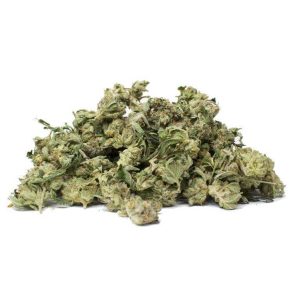
Hybrid cannabis strains
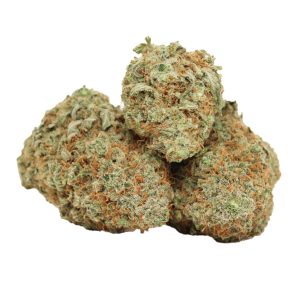
Sativa Strains
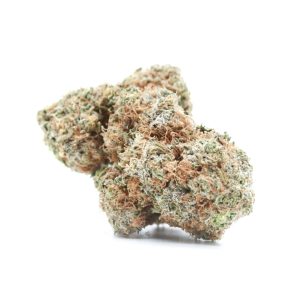
Sativa Strains
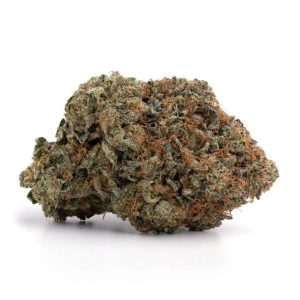
Sativa Strains
Sativa Strains
Sativa Strains
Sativa Strains
Sativa Strains
Sativa Strains
Sativa Strains
Sativa Strains
Sativa Strains