Afghan Kush: Recreational Cannabis Dispensaries Near Me and Legal U.S. Buying Guide
Afghan Kush is one of the classic names associated with traditional indica cannabis and the Hindu Kush region. It also appears in searches alongside phrases such as recreational cannabis dispensary near me, cannabis dispensary near me, rec weed near me, recreational marijuana near me, top rated dispensaries near me, recreational marijuana dispensary near me, and weed clinic near me.
Those local-search phrases require an important legal distinction.
Cannabis laws are not uniform across the United States. Some states license adult-use recreational retailers, some operate medical-only systems, and others prohibit most marijuana sales.
Therefore, finding Afghan Kush or another THC-rich cannabis strain legally depends first on the laws where the consumer is located.
A trustworthy cannabis search should begin with the appropriate state cannabis regulator and its licensed-business database—not an unverified seller appearing in search results.
For additional U.S.-focused cannabis strain and regulatory education, explore Cannabistopgrade.com.
What Is Afghan Kush?
Afghan Kush belongs to one of cannabis culture’s most famous genetic families.
The term “Kush” has strong geographic associations with the Hindu Kush mountain region, which extends through Afghanistan and Pakistan.
Cannabis from this region became highly influential in modern breeding.
Afghan-associated cannabis is traditionally known for:
- indica characteristics;
- substantial resin production;
- compact plant structure;
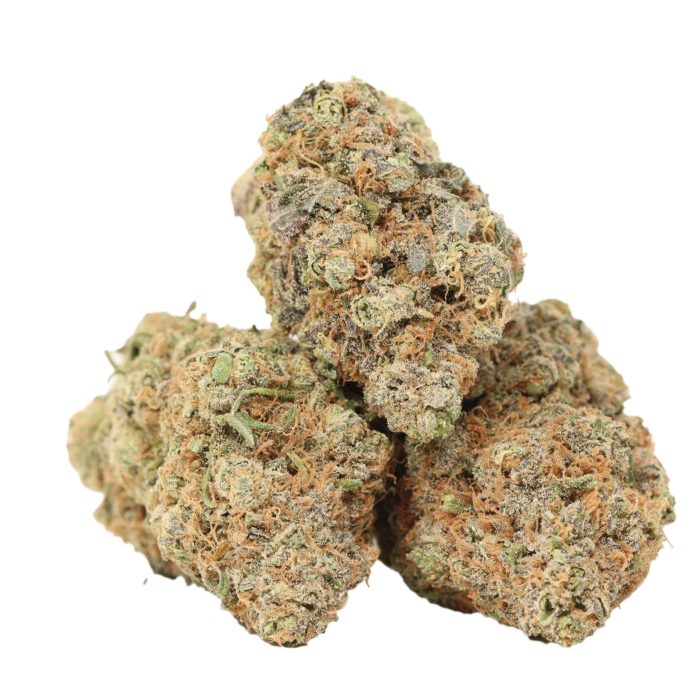
- dense flowers;
- earthy aromas;
- woody aromas;
- hash-like characteristics;
- and calming consumer reports.
Closely related Afghani profiles remain foundational to numerous modern cannabis hybrids.
Afghan Kush at a Glance
| Characteristic | Afghan Kush / Afghani Profile |
|---|---|
| General classification | Indica |
| Geographic association | Afghanistan/Hindu Kush region |
| Common reported effects | Sleepy, relaxed, hungry |
| Common flavors | Woody, earthy, hash-like/tar |
| Related Afghani reference THC | About 18% |
| Typical reputation | Calming/heavy |
| Historical importance | Major influence on Kush breeding |
| Legal availability | Depends on state law and licensed market |
Exact cannabinoid concentrations depend on the producer and tested batch.
A strain name cannot guarantee a particular THC percentage.
Where Does Afghan Kush Come From?
Afghan cannabis genetics are closely associated with Afghanistan and the Hindu Kush mountain region.
The broader Kush family is historically connected with cannabis populations from the Afghanistan-Pakistan area.
These genetics became particularly valuable to cannabis breeders because of traits such as:
- resin production;
- compact growth;
- dense flowers;
- shorter flowering characteristics;
- and distinctive earthy aromas.
Their influence can now be found throughout modern cannabis breeding.
Afghan Kush vs. Afghani
The names Afghan Kush and Afghani are sometimes used interchangeably in casual cannabis discussions, but strain naming is not perfectly standardized.
Afghani is generally recognized as a classic indica associated with Afghanistan.
Afghan Kush similarly refers to Afghan/Hindu Kush-associated indica genetics.
However, different breeders can maintain different selections and phenotypes.
Consumers should therefore rely on the actual producer’s:
- genetics;
- cannabinoid testing;
- terpene testing;
- batch number;
- and product label
rather than assuming every product bearing an Afghan name is chemically identical.
Afghan Kush Effects
Consumer reports for Afghan Kush commonly emphasize:
- sleepiness;
- relaxation;
- hunger;
- and heavier body sensations.
These are reported experiences rather than guaranteed effects.
Cannabis response depends on factors including:
- THC concentration;
- frequency of use;
- tolerance;
- other cannabinoids;
- consumption method;
- medications;
- alcohol or other substances;
- and individual biology.
Afghan Kush Flavor and Aroma
Afghan Kush is generally associated with an old-school cannabis aroma rather than the candy and dessert profiles found in many contemporary hybrids.
Common descriptions include:
- woody;
- earthy;
- spicy;
- herbal;
- pine-like;
- hash-like;
- and pungent.
This profile helped establish Afghan genetics as a major foundation of traditional hash and Kush cannabis culture.
Why Afghan Genetics Produce So Much Resin
Afghan cannabis has long been associated with substantial resin production.
Resin contains cannabinoid- and terpene-rich trichomes.
Historically, this made Afghan genetics particularly important in regions with traditions of producing hashish.
Modern breeders also valued these characteristics.
As Afghan genetics spread internationally, they contributed to numerous Kush, indica and hybrid families.
Afghan Kush vs. Modern Kush Strains
Modern Kush strains may contain considerably more hybridization than traditional Afghan genetics.
Popular Kush-associated names include:
- OG Kush;
- Bubba Kush;
- Purple Kush;
- Hindu Kush;
- Master Kush;
- Critical Kush;
- Kosher Kush;
- and numerous modern Kush crosses.
The word Kush therefore does not guarantee that two products have identical genetics.
Recreational Cannabis Dispensary Near Me
People searching recreational cannabis dispensary near me are generally trying to locate adult-use cannabis retailers.
Whether such a business can legally operate depends on state and sometimes local law.
A legal recreational dispensary typically operates within a state licensing framework that may regulate:
- business licensing;
- age verification;
- product testing;
- packaging;
- labeling;
- inventory tracking;
- possession limits;
- taxation;
- advertising;
- and product categories.
A website calling itself a dispensary does not by itself establish that it is licensed.
Cannabis Dispensary Near Me
The search cannabis dispensary near me can refer to either:
Adult-use dispensaries
or
medical cannabis dispensaries.
The distinction matters.
In an adult-use state, eligible adults may be permitted to purchase cannabis through licensed retailers without being registered medical cannabis patients.
Medical programs can have additional requirements such as:
- patient certification;
- state registration;
- qualifying conditions;
- physician or authorized-provider involvement;
- or medical cannabis cards.
Requirements vary by jurisdiction.
Rec Weed Near Me
The phrase rec weed near me is shorthand for recreational or adult-use marijuana available through legal retail channels.
Consumers should not assume that nearby availability means lawful availability.
The safer verification sequence is:
- Identify the state cannabis regulator.
- Check whether adult-use retail sales are legal.
- Use the regulator’s official license lookup.
- Verify that the retailer has an active license.
- Review applicable age, possession and local rules.
This is more reliable than trusting an advertisement or social-media account.
Recreational Marijuana Near Me
Searching recreational marijuana near me can produce very different results depending on location.
A state might permit:
- adult possession and licensed retail sales;
- possession but limited retail activity;
- medical cannabis only;
- restricted THC products;
- or no recreational marijuana market.
Local governments may also impose additional restrictions.
This is why national cannabis websites should avoid telling every U.S. reader that recreational marijuana is available nearby.
Recreational Marijuana Dispensary Near Me
A recreational marijuana dispensary near me should be verified through official licensing records whenever possible.
A licensed retailer generally operates within a regulated supply chain.
That can provide protections such as:
- laboratory testing requirements;
- product tracking;
- standardized labels;
- warning information;
- child-resistant packaging requirements;
- age controls;
- and product recalls.
Requirements differ among states.
How to Recognize a Licensed Cannabis Dispensary
When recreational marijuana is legal in a jurisdiction, several signs can help distinguish a regulated business from an unverified seller.
State License Information
The retailer should be identifiable through the relevant state licensing system.
Age Verification
Adult-use retailers operate under minimum-age requirements established by state law.
Regulated Packaging
Legal-market products may have mandatory warnings and packaging requirements.
Laboratory Information
Regulated cannabis products frequently include testing information or batch identifiers.
THC Labeling
Packages may disclose cannabinoid concentrations or serving information.
Receipts and Business Information
A regulated retail operation should function like a legitimate licensed business.
The state’s official license database remains the strongest verification source.
Top Rated Dispensaries Near Me
Searches for top rated dispensaries near me usually rely heavily on consumer-review platforms.
Ratings can help evaluate factors such as:
- customer service;
- cleanliness;
- accessibility;
- product variety;
- wait times;
- and general shopping experience.
However, ratings should come after license verification.
A business having many positive reviews does not prove that it holds a cannabis license.
What Makes a Good Legal Dispensary?
A high-quality regulated dispensary should prioritize transparency.
Useful characteristics include:
Active Licensing
The business appears in official state records.
Tested Products
Cannabis comes through the regulated supply chain.
Clear Labels
THC, CBD and other required information should be visible.
Knowledgeable Staff
Staff should be able to explain product categories without making unsupported medical claims.
Responsible Marketing
A reputable business should not market cannabis to minors.
Secure Packaging
Products should comply with applicable state packaging rules.
Product Traceability
Batch and manufacturer information can improve accountability.
Afghan Kush at a Dispensary
Where Afghan Kush is legally offered, the strain name alone should not determine a product decision.
Two products labeled Afghan Kush may have different:
- THC concentrations;
- terpene profiles;
- harvest dates;
- cultivators;
- moisture levels;
- testing results;
- and product formats.
The package’s laboratory information provides more useful batch-specific information.
Flower vs. Pre-Rolls vs. Concentrates
Afghan-associated genetics can potentially appear in several regulated product categories.
| Product Type | General Description | Main Consideration |
|---|---|---|
| Flower | Dried cannabis flower | Batch potency varies |
| Pre-roll | Prepared cannabis flower | Check cannabinoid label |
| Vape product | Cannabis extract for vaporization | Can contain concentrated THC |
| Concentrate | Resin, wax, rosin or similar extract | Often substantially higher THC |
| Edible | Food containing cannabinoids | Delayed effects |
| Tincture | Liquid cannabinoid preparation | Concentration varies |
A strain name does not make these product formats equivalent.
THC Percentage and Afghan Kush
THC is the primary intoxicating cannabinoid in marijuana.
Afghani’s current reference profile is around 18% THC, but Afghan Kush products can differ considerably.
Modern cultivation can produce phenotypes with different potency.
That means a claim such as:
“Afghan Kush is always 20% THC”
would be inaccurate.
The actual tested product label matters.
Higher THC Is Not Automatically Better
Some dispensary menus emphasize THC percentage.
However, maximum THC does not necessarily mean maximum quality.
Cannabis quality can also involve:
- genetics;
- aroma;
- terpene preservation;
- freshness;
- curing;
- contaminant testing;
- cannabinoid balance;
- and individual preference.
Higher THC can also produce stronger impairment and unwanted effects.
Cannabis Concentrates
Afghan Kush genetics may also appear in concentrates.
Cannabis concentrates can contain much higher concentrations of THC than ordinary flower.
Examples include:
- live resin;
- rosin;
- wax;
- shatter;
- crumble;
- and vape concentrates.
High concentration does not automatically mean higher quality.
It does mean potency deserves additional attention.
Cannabis and Driving
Legal cannabis does not mean driving while impaired is legal.
THC can affect abilities needed for driving, including:
- reaction time;
- coordination;
- judgment;
- perception;
- and decision-making.
A relaxing strain such as Afghan Kush can still impair driving.
Consumers should not drive while impaired.
Cannabis and Alcohol
Using cannabis and alcohol together can increase impairment.
Someone visiting a legal recreational market should therefore not assume cannabis becomes harmless simply because it came from a licensed retailer.
Licensing improves regulatory oversight.
It does not remove THC’s pharmacological effects.
Cannabis Use Disorder
Frequent cannabis use can become problematic for some people.
Warning signs may include:
- using more than intended;
- unsuccessful attempts to reduce use;
- craving;
- tolerance;
- continued use despite problems;
- withdrawal;
- or giving up important activities.
Higher-THC products may be particularly relevant when considering these risks.
Weed Clinic Near Me
The phrase weed clinic near me usually refers to medical cannabis rather than recreational retail.
A cannabis clinic and a dispensary are not necessarily the same thing.
Medical Cannabis Clinic
May involve:
- medical evaluation;
- eligibility assessment;
- certification;
- renewal;
- or participation in a state’s medical cannabis program.
Cannabis Dispensary
Primarily provides regulated cannabis products where retail sales are authorized.
A legitimate medical provider should not be confused with an unverified website selling marijuana.
Medical Cannabis vs. Recreational Cannabis
| Feature | Medical Cannabis | Recreational Cannabis |
|---|---|---|
| Purpose | Medical program | Adult nonmedical use |
| Eligibility | State-specific patient requirements | State-defined adult eligibility |
| Medical certification | May be required | Generally not required |
| Product rules | State-specific | State-specific |
| Retail availability | Licensed medical outlets | Licensed adult-use outlets where legal |
| Legal nationwide? | No | No |
Rules vary significantly between states.
Cannabis Laws Are State-Specific
The United States does not have one uniform recreational cannabis retail system.
States establish different rules regarding:
- adult-use legalization;
- medical programs;
- licensed retailers;
- possession;
- cultivation;
- concentrates;
- edibles;
- taxation;
- packaging;
- testing;
- and local government authority.
The NCSL State Cannabis Policy Enactment Database tracks enacted cannabis policy across U.S. jurisdictions.
Why “Near Me” Results Need Verification
Search engines determine proximity.
They do not replace government licensing databases.
A search result can include:
- licensed dispensaries;
- CBD stores;
- smoke shops;
- medical clinics;
- directories;
- delivery advertisements;
- and potentially unlicensed sellers.
Those businesses do not necessarily have the same legal authority to sell THC cannabis.
Smoke Shops Are Not Automatically Cannabis Dispensaries
A smoke shop may sell:
- glassware;
- vaporizers;
- tobacco accessories;
- hemp products;
- or other merchandise.
That does not automatically authorize the store to sell state-regulated marijuana.
Likewise, a CBD store is not necessarily a licensed marijuana dispensary.
Consumers should check the relevant state licensing authority.
Online Cannabis Menus
Licensed dispensaries increasingly publish online menus.
An online menu can be useful for reviewing:
- cannabinoid information;
- product categories;
- cultivators;
- package sizes;
- terpene information;
- and availability.
However, an online menu does not replace verification that the retailer itself is licensed.
Cannabis Delivery
Some legal adult-use jurisdictions permit licensed cannabis delivery.
Others prohibit it or impose substantial restrictions.
A website advertising nationwide marijuana shipping should not be assumed lawful simply because cannabis is legal in some states.
Cannabis legality remains jurisdiction-specific.
Interstate Cannabis Sales
State legalization does not create unrestricted interstate marijuana commerce.
Someone searching for Afghan Kush should therefore distinguish between:
- lawful in-state regulated retail;
- state-authorized delivery where permitted;
- and claims of unrestricted nationwide marijuana shipping.
These are legally different situations.
Afghan Kush and Sleep
Afghan Kush has a strong sleepy reputation among consumers.
Current reports commonly list:
- sleepy;
- hungry;
- relaxed
among its leading effects.
That does not establish Afghan Kush as a clinically proven insomnia treatment.
Consumer reports should not be substituted for medical evidence.
Afghan Kush and Pain
Consumers also report using Afghan-associated cannabis in relation to pain.
Again, these reports are not proof that a specific Afghan Kush product treats pain.
People experiencing persistent or unexplained pain should consider professional medical evaluation rather than relying solely on a strain name.
Afghan Kush and Anxiety
Some people report relaxation after using Afghan Kush.
THC can nevertheless produce unwanted effects in some individuals, including:
- anxiety;
- paranoia;
- dizziness;
- impaired attention;
- and disorientation.
A strain’s indica reputation does not eliminate these possibilities.
Legal Does Not Mean Risk-Free
This distinction is important.
Legal-market regulation can improve:
- testing;
- labeling;
- accountability;
- packaging;
- and product traceability.
It does not mean cannabis has no health risks.
THC remains intoxicating.
Educational Resources
For additional U.S.-focused cannabis strain, dispensary and legal-market education, explore Cannabistopgrade.com.
Concerning background on Afghan cannabis genetics and traditional indica characteristics, see the Leafly Afghani strain profile.
For public-health information about cannabis, THC and impairment, see CDC Cannabis and Public Health.
Regarding current state medical and recreational cannabis legislation, consult the NCSL State Cannabis Policy Enactment Database.
Readers can continue researching cannabis strains and legal U.S. cannabis terminology through Cannabistopgrade.com.
Frequently Asked Questions
1. What is Afghan Kush?
Afghan Kush is a classic indica-associated cannabis cultivar connected with Afghan and Hindu Kush genetics. It is widely known for earthy, woody characteristics, substantial resin production and predominantly relaxing consumer reports.
2. How can I tell whether a cannabis dispensary near me is legal?
Check the official cannabis regulator or licensing authority for your state. A dispensary appearing in search results or having strong reviews does not by itself prove that it holds an active cannabis retail license.
3. What is the difference between a recreational marijuana dispensary and a weed clinic?
A recreational dispensary sells regulated adult-use cannabis where permitted. A medical cannabis clinic generally evaluates patients or assists with participation in a state’s medical cannabis program. Exact rules vary by state.
4. Are top-rated dispensaries always licensed?
No. Consumer ratings measure experiences and opinions, not regulatory status. Verify licensing through the appropriate state authority before relying on reviews.
5. Is recreational marijuana legal everywhere in the United States?
No. Cannabis laws differ substantially among states, and local governments may impose additional restrictions. Medical legalization and recreational legalization are also separate policies.
6. Can Afghan Kush be legally shipped anywhere in the United States?
No. State legalization does not create unrestricted nationwide interstate marijuana commerce. Legal availability depends on federal, state and local rules, as well as the licensing framework governing the transaction.
| weight | ounce |
|---|
Be the first to review “Afghan Kush”
Related products
Indica strains
Indica strains
Indica strains
Indica strains
Indica strains
Indica strains
Indica strains
Indica strains
Reviews
There are no reviews yet.