
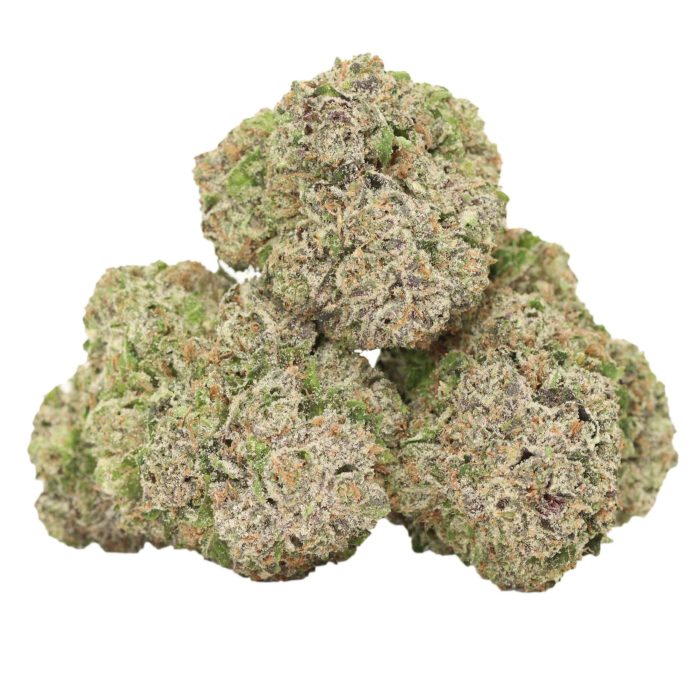
Western Light Weed Strain
Western Light Weed Strain is a relatively uncommon cannabis search term that appears to overlap with the better-documented cultivar Arizonan Western Light Purps.
That distinction matters.
Unlike major cultivars such as OG Kush, Blue Dream, Purple Kush, or Skywalker OG, Western Light does not have one widely standardized profile across leading cannabis databases.
The closest documented strain, Arizonan Western Light Purps, has been described in commercial strain references as a purple hybrid associated with:
- grape-like flavors;
- pine;
- spice;
- substantial THC;
- relaxing consumer reports.
One source describes its genetics as Grand Daddy Purple × Jock Horror X and lists approximately 25% THC, while other secondary databases publish different indica/sativa ratios and slightly different cannabinoid values.
Because of that inconsistency, this article does not treat one claimed Western Light percentage or genetic ratio as universally correct.
This guide also incorporates the local search phrases dispensaries around me and pot shop open near me within a lawful, licensed cannabis context.
For additional U.S.-focused strain education, explore Cannabistopgrade.com.
What Is Western Light Weed Strain?
Western Light Weed Strain appears to be a name associated with the broader Western Light Purps or Arizonan Western Light Purps family.
The strain is not documented consistently enough to claim that every product using the Western Light name has:
- identical genetics;
- identical THC;
- identical CBD;
- identical terpenes;
- identical effects.
This is common in cannabis.
Strain names can vary by breeder, producer, region, and phenotype.
Western Light Weed Strain Quick Profile
| Characteristic | Western Light |
|---|---|
| Better-documented related name | Arizonan Western Light Purps |
| Broad category | Hybrid / descriptions vary |
| Reported THC | Around 22–25% in secondary listings |
| CBD | Low in available listings |
| Common flavor descriptions | Grape, pine, spicy, sweet |
| Common visual association | Purple coloration |
| Exact genetics standardized? | No |
| Exact effects standardized? | No |
The regulated label for the actual product remains more useful than a generic strain profile.
Western Light vs. Arizonan Western Light Purps
The strongest available documentation centers on Arizonan Western Light Purps.
AllBud describes that cultivar as a hybrid associated with:
Grand Daddy Purple × Jock Horror X
and references approximately:
25% THC.
Other secondary sources describe the same or similarly named cultivar differently, including different indica/sativa balances.
That disagreement suggests the name is not standardized strongly enough to make universal claims.
Is Western Light Indica or Sativa?
There is no completely consistent answer.
Available secondary listings variously describe the related Arizonan Western Light Purps cultivar as:
- balanced hybrid;
- indica-dominant;
- sativa-dominant.
This contradiction is exactly why the actual producer and laboratory label matter.
A responsible description is:
Western Light appears to belong to a hybrid cannabis family, but published indica/sativa ratios are inconsistent.
Why Strain Classifications Can Conflict
Cannabis databases do not function like one centralized agricultural registry.
Different sources may document:
- different breeder versions;
- different phenotypes;
- different regional names;
- different genetic histories.
The words indica, sativa, and hybrid are also broad commercial categories.
Western Light Genetics
One commonly cited lineage for the related Arizonan Western Light Purps profile is:
Grand Daddy Purple × Jock Horror X
However, because this genealogy is not consistently repeated across all databases, it should be considered a reported lineage rather than an undisputed genetic pedigree.
Grand Daddy Purple Connection
Grand Daddy Purple is one of the most famous purple cannabis cultivars in the United States.
Its influence would help explain Western Light Purps descriptions involving:
- grape-like aromas;
- purple coloration;
- relaxing effects.
However, genetic ancestry should be confirmed producer by producer.
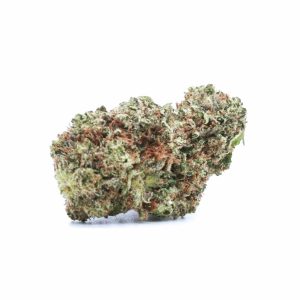
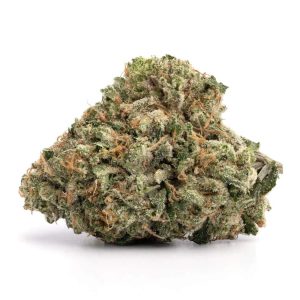
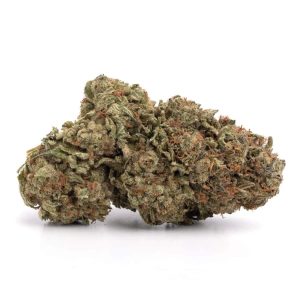
Western Light Appearance
Western Light-related flower is commonly described with visual characteristics such as:
- green buds;
- purple hairs or coloration;
- visible trichomes;
- crystalline surfaces.
Appearance can vary greatly between phenotypes.
Why Western Light May Turn Purple
Purple cannabis coloration is associated with pigments called anthocyanins.
These compounds occur naturally in many plants.
Genetics influence whether cannabis expresses substantial purple coloration.
Environmental conditions can influence the degree of expression.
Does Purple Cannabis Mean Higher THC?
No.
Purple coloration does not reliably indicate:
- potency;
- THC percentage;
- quality;
- stronger effects.
Cannabinoid testing matters more than flower color.
Western Light THC
Available secondary sources report substantial THC for the related Arizonan Western Light Purps cultivar.
Figures generally appear in the low-to-mid 20% range.
However, these numbers should not be treated as permanent.
Actual THC can vary according to:
- phenotype;
- cultivation;
- harvest;
- processing;
- storage;
- laboratory methodology.
Is Western Light Strong?
If a particular batch tests above 20% THC, it would generally be considered THC-dominant flower.
But “strong” remains subjective.
Strength can refer to:
- laboratory THC;
- subjective intoxication;
- aroma intensity;
- concentrate potency.
These are different characteristics.
Higher THC Is Not Automatically Better
A cannabis product with more THC is not automatically higher quality.
Other important factors include:
- freshness;
- terpene preservation;
- cannabinoid balance;
- contaminant testing;
- storage.
Higher THC can also increase unwanted effects for some users.
Western Light Effects
Secondary strain descriptions commonly associate Western Light Purps with effects such as:
- relaxation;
- happiness;
- euphoria;
- hunger.
Other descriptions emphasize stronger body-centered effects.
These are consumer reports rather than guaranteed outcomes.
Western Light and Relaxation
Relaxation appears frequently in available descriptions.
However, this does not establish Western Light as a clinically proven treatment for:
- anxiety;
- stress;
- insomnia.
Consumer experiences and medical evidence are not interchangeable.
Western Light and Sleep
Some strain descriptions associate Western Light Purps with sleepiness.
That does not prove it treats insomnia.
Cannabis and sleep research remains more complicated than indica-style marketing suggests.
Western Light and Appetite
THC-containing cannabis can increase appetite in some individuals.
Available Western Light descriptions also mention hunger or appetite-related effects.
This effect is not unique to the strain.
Western Light and Anxiety
Cannabis can affect anxiety differently from person to person.
Some users report relaxation.
Others can experience:
- nervousness;
- paranoia;
- panic;
- dizziness.
Greater THC exposure can increase uncomfortable effects in some people.
Western Light and Pain
Some secondary cannabis databases mention Western Light in relation to pain-oriented consumer use.
These reports should not be interpreted as proof that the strain treats pain.
Strain-specific medical claims require stronger evidence.
Western Light Aroma
Available descriptions commonly mention:
- grape;
- pine;
- fruit;
- spice;
- sweet notes.
Aroma can vary according to terpene composition.
Western Light Flavor
Flavor descriptions may include:
- grape;
- sweet fruit;
- pine;
- spice.
Storage and flower age can also influence perceived flavor.
Western Light Terpenes
Available sources do not agree strongly enough to establish one universal terpene profile.
Some secondary references mention different dominant terpenes.
This is another reason batch-specific laboratory testing is preferable.
Why Terpenes Matter
Terpenes contribute strongly to cannabis aroma.
Common cannabis terpenes include:
- myrcene;
- caryophyllene;
- limonene;
- pinene;
- linalool;
- ocimene.
Their presence does not guarantee a specific therapeutic effect.
Western Light vs. Purple Kush
Purple Kush is a much better-documented purple indica cultivar.
It is commonly associated with:
Hindu Kush × Purple Afghani
Western Light-related strains have a less standardized genetic record.
Both can appear in discussions of purple cannabis, but they are not the same strain.
Western Light vs. Grand Daddy Purple
Grand Daddy Purple is one of the most recognizable purple cannabis strains.
One published Western Light Purps lineage connects it to Grand Daddy Purple.
That does not make the two cultivars identical.
Western Light vs. Purple Urkle
Purple Urkle is another classic California-associated purple strain.
Western Light appears to belong to a different and less consistently documented genetic family.
Western Light vs. Skywalker OG
Skywalker OG is generally categorized as an indica-dominant hybrid and has stronger documentation across major strain databases.
Western Light has more conflicting information.
Consumers should therefore be especially careful about assuming a universal Western Light profile.
Western Light Flower
Western Light may appear as dried cannabis flower where legal retail exists.
A regulated product label can provide:
- THC;
- CBD;
- batch number;
- producer;
- package date;
- testing information.
These details are more reliable than generic online descriptions.
Western Light Pre-Rolls
Western Light flower could also appear in pre-roll products.
A conventional pre-roll generally contains prepared cannabis flower.
Infused versions may include additional cannabis concentrates.
That can substantially change cannabinoid exposure.
Western Light Vapes
A strain name can also appear on vape cartridges.
A Western Light-branded vape might contain:
- distillate;
- live resin;
- rosin;
- terpene formulations.
A vape and flower sharing the same strain name should not automatically be assumed chemically identical.
Western Light Concentrates
Concentrated cannabis products can deliver considerably more THC than ordinary flower.
Examples include:
- live resin;
- rosin;
- wax;
- crumble.
Product format therefore matters when discussing potency.
Western Light and Brain Health
THC can temporarily affect:
- attention;
- memory;
- learning;
- decision-making;
- coordination;
- reaction time.
CDC notes that recent cannabis use can affect thinking, attention, memory, coordination, movement, and time perception.
Western Light and Driving
Cannabis can impair important driving skills.
CDC notes that cannabis can:
- slow reaction time;
- impair coordination;
- affect decision-making;
- distort perception.
Driving under the influence of cannabis is dangerous and illegal.
Western Light and Alcohol
Cannabis and alcohol together can increase impairment.
A person feeling relaxed does not establish that they are safe to drive.
Cannabis Use Disorder
Repeated cannabis use can contribute to cannabis use disorder in some people.
Potential warning signs include:
- craving;
- tolerance;
- difficulty reducing use;
- continued use despite problems.
THC potency can influence total exposure.
Dispensaries Around Me
The phrase dispensaries around me usually signals local cannabis retail intent.
Where marijuana retail is legal, nearby businesses may include:
- adult-use dispensaries;
- medical dispensaries;
- hemp stores;
- CBD retailers.
These categories should not be treated as identical.
Pot Shop Open Near Me
The phrase pot shop open near me combines:
- local proximity;
- current business hours;
- cannabis retail intent.
A search engine may identify nearby stores, but search visibility does not establish marijuana licensing.
Consumers in regulated markets should verify retailer authorization through official state cannabis resources where available.
What Is a Pot Shop?
“Pot shop” is an informal term for a marijuana retailer.
A legal pot shop generally operates under applicable state and local cannabis licensing rules.
Depending on jurisdiction, requirements can include:
- age verification;
- product testing;
- inventory tracking;
- purchase limits;
- packaging regulations.
Dispensary vs. Pot Shop
The terms are often used interchangeably.
However, the underlying regulatory status matters more than the name.
A licensed marijuana dispensary is different from:
- a smoke shop;
- a hemp store;
- a CBD store.
Medical Cannabis Dispensaries
Medical dispensaries operate under state medical cannabis frameworks.
Patients may have to meet eligibility requirements.
Rules vary substantially between states.
Recreational Cannabis Dispensaries
Adult-use dispensaries serve eligible adults where recreational cannabis retail is lawful.
Not every state with medical cannabis also permits adult-use marijuana sales.
Do All States Have Dispensaries?
No.
Cannabis policy remains highly variable across the United States.
The National Conference of State Legislatures maintains an updated cannabis policy database covering medical and adult-use programs, taxes, public health, impaired driving, and related laws. It was updated on August 31, 2026.
Local Cannabis Rules Matter
State legalization does not always mean every municipality permits cannabis businesses.
Local governments can regulate areas such as:
- zoning;
- store locations;
- hours;
- delivery;
- consumption venues.
How to Verify a Dispensary
Where available, consumers should use their state cannabis regulator’s official license lookup.
Useful information can include:
- business name;
- location;
- license status;
- license type.
This provides stronger evidence than advertising alone.
Cannabis Dispensary Hours
Store hours vary by:
- state rules;
- local law;
- retailer policy;
- holidays.
A “pot shop open near me” result should therefore be checked directly for current hours.
Cannabis Store vs. Smoke Shop
A cannabis dispensary and smoke shop are different businesses.
Smoke shops typically focus on:
- accessories;
- tobacco-related products;
- hemp-derived goods.
They do not automatically hold marijuana retail licenses.
Dispensary Product Testing
Regulated cannabis programs can require laboratory testing for:
- THC;
- CBD;
- pesticides;
- microbial contamination;
- residual solvents;
- heavy metals.
Testing requirements vary by jurisdiction.
Cannabis Dispensary Menus
Many licensed cannabis retailers publish digital menus.
Typical categories include:
- flower;
- pre-rolls;
- vapes;
- concentrates;
- edibles;
- tinctures.
Western Light may appear only occasionally because it is a relatively uncommon strain name.
Can You Find Western Light Near You?
Possibly, but availability can vary significantly.
Inventory depends on:
- state;
- producer;
- retailer;
- harvest;
- local demand.
A nearby dispensary may have Western Light one month and not the next.
Western Light at a Dispensary
Where marijuana retail is lawful, Western Light or Arizonan Western Light Purps may occasionally appear on licensed menus.
Consumers should verify:
- exact product name;
- producer;
- THC;
- CBD;
- terpene profile;
- testing information.
This is particularly important because the strain’s published descriptions conflict.
Recreational Cannabis Delivery
Some states permit licensed marijuana delivery.
Others restrict it.
A dispensary being nearby does not automatically mean it can legally deliver.
Cannabis Purchase Limits
Legal markets can impose limits on:
- flower purchases;
- concentrate purchases;
- possession;
- edible THC.
These limits vary from state to state.
Cannabis and Public Consumption
Legal purchase does not automatically permit public consumption.
Many jurisdictions restrict cannabis use in:
- public places;
- vehicles;
- workplaces.
Local regulations should be checked.
Western Light and U.S. Cannabis Laws
Western Light has no special legal status because of its strain name.
Its legal status follows the marijuana laws applicable to the jurisdiction.
These laws can govern:
- possession;
- retail;
- medical cannabis;
- recreational cannabis;
- cultivation;
- delivery;
- transportation.
How to Evaluate Western Light Weed Strain
Because Western Light has inconsistent documentation, consumers should pay particular attention to the actual regulated product.
Useful information includes:
- complete product name;
- producer;
- THC;
- CBD;
- terpene analysis;
- batch number;
- package date;
- testing information.
This is more reliable than assuming every Western Light product shares one genetic or chemical profile.
Educational Resources
For more U.S.-focused cannabis strain education, explore Cannabistopgrade.com.
For current state cannabis legislation and regulatory differences, consult the NCSL State Cannabis Policy Enactment Database.
Regarding information about cannabis and brain function, visit CDC Cannabis and Brain Health.
Concerning information about cannabis and driving impairment, consult CDC Cannabis and Driving.
Continue exploring cannabis strains, legal dispensaries, THC education, and state laws through Cannabistopgrade.com.
Frequently Asked Questions
1. What is Western Light Weed Strain?
Western Light Weed Strain appears to overlap with the better-documented Arizonan Western Light Purps cultivar. Available sources disagree on some genetic, indica/sativa, terpene, and potency details, so the actual product label should be prioritized.
2. How much THC does Western Light contain?
Secondary listings for Arizonan Western Light Purps commonly report THC in roughly the low-to-mid 20% range. Actual batches can test differently, so no single percentage should be treated as universal.
3. Is Western Light indica or sativa?
Published sources conflict. Some describe the related Western Light Purps cultivar as balanced, others as indica-dominant, and others as sativa-dominant. It is safest to describe it broadly as a hybrid unless the producer provides more specific information.
4. How can I find dispensaries around me?
Where marijuana retail is legal, official state cannabis licensing resources can help verify nearby retailers. Search-engine results can locate businesses, but they do not by themselves establish a valid marijuana license.
5. How do I find a pot shop open near me?
Current map and business listings can show nearby operating hours, but consumers should also verify that the retailer holds the appropriate cannabis license under state and local law.
6. Does Western Light always have purple buds?
Not necessarily. Related Western Light Purps descriptions mention purple characteristics, but cannabis appearance varies with genetics, phenotype, cultivation, and environmental conditions.
Be the first to review “Western Light Weed Strain”
Related products
Indica strains
Indica strains
Indica strains
Indica strains
Indica strains
Indica strains
Indica strains
Indica strains
Reviews
There are no reviews yet.