
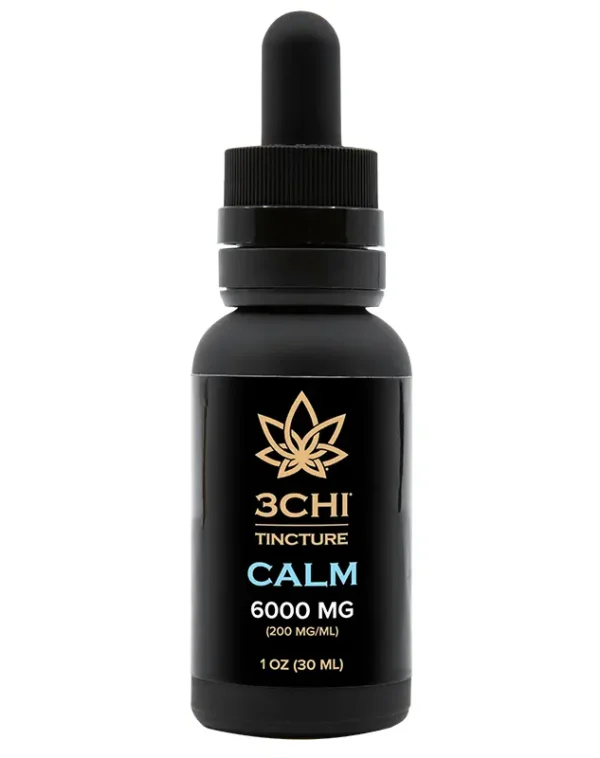
Calm CBD Oil is currently sold by 3CHI as a broad-spectrum hemp-derived CBD tincture. The company’s current product page lists a 30 mL bottle containing 6,000 mg CBD, equivalent to 200 mg CBD per mL, together with a proprietary blend of cannabinoids. It uses coconut-derived MCT oil as its carrier and is listed with less than 0.3% THC. 3Chi
That makes Calm CBD Oil very different from cannabis flower. A tincture is a formulated liquid cannabinoid product, whereas weed strains, ganja strains, and marijuana strains refer to named cannabis cultivars or commercially identified varieties.
| Calm CBD Oil detail | Current information |
|---|---|
| Product | Calm CBD Oil |
| Brand | 3CHI |
| Bottle size | 30 mL |
| CBD | 6,000 mg |
| Approximate CBD concentration | 200 mg/mL |
| Extract | Broad-spectrum hemp oil |
| Carrier | MCT oil |
| Listed THC | Less than 0.3% |
| Source material | USA-grown hemp |
| Intoxicating classification | Manufacturer lists it as non-intoxicating |
| Main distinction | CBD tincture, not a cannabis strain |
The manufacturer markets the product around relaxation and de-stressing, but those commercial descriptions should not be transformed into claims that the product treats anxiety, insomnia, stress disorders, or another medical condition. CDC notes that CBD itself is not impairing, but CBD products are not risk-free and may cause side effects or interact with medications. CDC
For more educational cannabis content, readers can explore Cannabistopgrade Cannabis Education, Cannabistopgrade Hash and Concentrates and Cannabistopgrade Cannabis Concentrates and Dabbing.
What Is Calm CBD Oil?
Calm CBD Oil belongs to the broad category of CBD tinctures.
CBD, short for cannabidiol, is one of the many cannabinoids occurring in Cannabis sativa. Unlike delta-9 THC, CBD by itself does not create the classic marijuana high. CDC nevertheless emphasizes that non-intoxicating does not mean risk-free. Potential concerns include drowsiness, drug interactions, liver effects, and inaccurate labeling in some retail CBD products. CDC
The current Calm CBD Oil formulation is especially concentrated compared with many ordinary retail CBD oils. According to 3CHI, the current bottle contains 6,000 mg CBD in 30 mL. 3Chi
That product information should remain separate from the strain discussions below. A named marijuana strain has genetics and a naturally variable cannabinoid/terpene profile; Calm CBD Oil is a manufactured broad-spectrum extract.
Different Breeds of Weed
The search phrase different breeds of weed is understandable, but cultivar, variety, or strain is more common cannabis terminology than breed.
Cannabis consumers traditionally divide strains into:
- indica;
- sativa;
- hybrid.
Modern science shows that this familiar system has significant limitations.
A large study analyzing commercial cannabis across six U.S. states found that common commercial labels did not consistently correspond with the actual chemical diversity of the tested products. Cannabinoid and terpene profiles provided more meaningful chemical information. PubMed
A separate genetic study found that indica, sativa, and hybrid labels did not reliably correspond with the genetic groupings identified in tested commercial cannabis. It also found examples in which samples carrying the same strain name were genetically inconsistent. PubMed
So the modern answer to different breeds of weed is more complicated than simply indica versus sativa.
Useful distinctions include genetics, THC-to-CBD ratio, terpene profile, breeder lineage, phenotype, and actual laboratory chemistry.
What Are Ganja Strains?
Ganja strains simply means cannabis strains in informal language.
“Ganja” is a long-established term for cannabis. In modern cannabis markets, a ganja strain can be a THC-dominant cultivar such as OG Kush, a balanced THC/CBD cultivar, or one of thousands of modern hybrids.
Different ganja strains can vary in:
- cannabinoid concentration;
- terpene composition;
- appearance;
- smell;
- resin production;
- flowering characteristics;
- genetics.
However, names do not guarantee identical chemistry.
Research involving 2,662 Nevada cannabis flower samples found hundreds of breeder-reported strain names despite considerably fewer major chemical groupings. Researchers concluded that strain names could create a misleading impression of chemical diversity. PubMed
This makes laboratory data an important supplement to strain names.
Weed Strain Names
Modern weed strain names range from historic cultivars to new commercial hybrids.
Classic names include:
Northern Lights
OG Kush
Sour Diesel
Blue Dream
Granddaddy Purple
while newer commercial names include cultivars such as:
Permanent Marker
Super Boof
and many dessert-inspired Cookies, Cake, Gelato, and Runtz crosses.
Leafly’s current editorial top-strain guide, updated July 14, 2026, notes that its list changes as consumer tastes, breeding trends, and retail availability evolve. The publication says at least 50 strains have rotated through the list since its original publication. Leafly
That demonstrates why a weed strain name should not be treated like a permanent quality ranking.
Dispensary Strains
Dispensary strains are cultivars sold within legal cannabis retail markets.
A dispensary menu might classify them as:
indica
sativa
or
hybrid
and provide additional information such as:
THC percentage,
CBD percentage,
dominant terpenes,
breeder,
grower,
and consumer-reported effects.
The laboratory report is more reliable for current potency than a generic online strain profile because cannabis chemistry varies by batch.
For example, an online strain database might show a reference THC figure of 22%, but a specific dispensary harvest of that cultivar could test differently.
This is why a good weed strain lookup should use reference databases for genetics and history while relying on the actual batch COA for potency.
Top 50 Strains: Educational Cannabis Strain List
There is no scientifically recognized permanent top 50 strains ranking. The following 50 are a curated educational selection of influential, popular, classic, and modern names found across contemporary cannabis culture and resources such as Leafly’s current editorial strain guide. Leafly itself says its ranking incorporates editorial expertise, popularity data, cultural importance, lineage, and consumer-reported effects—not a scientific determination of which strain is objectively “best.” Leafly
| # | Cannabis strain | Broad reason it is notable |
|---|---|---|
| 1 | OG Kush | Foundational modern Kush cultivar |
| 2 | GSC | Major Cookies-family foundation |
| 3 | Blue Dream | Long-running U.S. favorite |
| 4 | Sour Diesel | Famous Diesel-family cultivar |
| 5 | Northern Lights | Historic indica-associated cultivar |
| 6 | Original Glue / GG4 | Influential potent hybrid |
| 7 | Granddaddy Purple | Classic purple cultivar |
| 8 | Wedding Cake | Influential dessert hybrid |
| 9 | Gelato | Major modern dessert family |
| 10 | Runtz | Highly influential contemporary hybrid |
| 11 | Chemdog | Important parent of multiple major strains |
| 12 | GMO Cookies | Chemdog × GSC lineage |
| 13 | Durban Poison | Historic South African-associated cultivar |
| 14 | Jack Herer | Longstanding sativa-associated classic |
| 15 | Super Silver Haze | Historic Haze hybrid |
| 16 | Super Lemon Haze | Citrus-oriented Haze cultivar |
| 17 | Trainwreck | Famous Northern California hybrid |
| 18 | Purple Haze | Iconic Haze-associated name |
| 19 | Pineapple Express | Widely recognized hybrid |
| 20 | Bubba Kush | Classic Kush cultivar |
| 21 | Hindu Kush | Historic Kush-region cultivar |
| 22 | Afghan Kush | Afghan-associated resinous cultivar |
| 23 | Skywalker OG | Popular OG-family hybrid |
| 24 | Tahoe OG | Influential OG expression |
| 25 | SFV OG | San Fernando Valley OG line |
| 26 | Fire OG | Well-known OG hybrid |
| 27 | Alien OG | Tahoe OG × Alien Kush |
| 28 | White Widow | Influential Dutch-era hybrid |
| 29 | AK-47 | Long-running international cultivar |
| 30 | Mimosa | Modern citrus-oriented hybrid |
| 31 | Motorbreath | Chemdog × SFV OG |
| 32 | Forbidden Fruit | Tangie × Cherry Pie |
| 33 | Mendo Breath | Influential modern indica-associated hybrid |
| 34 | Ice Cream Cake | Popular dessert cultivar |
| 35 | Cereal Milk | Modern Cookies-related favorite |
| 36 | Permanent Marker | Major newer-generation cultivar |
| 37 | Super Boof | Prominent contemporary strain |
| 38 | Z / Zkittlez | Influential candy-terpene cultivar |
| 39 | Rainbow Belts | Z-family hybrid |
| 40 | Apple Fritter | Popular modern hybrid |
| 41 | MAC | Miracle Alien Cookies |
| 42 | Bruce Banner | Well-known high-THC-associated hybrid |
| 43 | Kush Mints | Popular Kush/dessert hybrid |
| 44 | Animal Mints | Important modern breeding cultivar |
| 45 | Triangle Kush | Influential Florida-associated Kush |
| 46 | Cherry Pie | Granddaddy Purple × Durban Poison lineage |
| 47 | Strawberry Cough | Long-running fruit-associated cultivar |
| 48 | Green Crack | Historic energizing-market cultivar |
| 49 | Tangie | Tangerine-oriented modern classic |
| 50 | Do-Si-Dos | Cookies-derived modern cultivar |
This table is intentionally not ordered from scientifically strongest to weakest. Strain popularity and quality are subjective, while actual cannabinoid chemistry varies by producer and batch.
Leafly’s July 2026 guide likewise includes classic names such as Original Glue, Wedding Cake, GSC, Northern Lights, Chemdog, Trainwreck, GMO Cookies, Mendo Breath, Motorbreath, Forbidden Fruit, Alien OG, and Rainbow Belts among its broader editorial selection. Leafly
Are the Top 50 Strains Really the Best?
Not objectively.
There is no laboratory test that can declare one cannabis cultivar “best” for everybody.
A strain can become popular because of genetics, flavor, history, cultural influence, breeder reputation, dispensary availability, or consumer preference.
Meanwhile, another consumer might prefer a cultivar absent from every major editorial list.
This is why top 50 strains should be treated as a discovery tool, not as an official ranking.
Pot Strains
Pot strains is another informal term for marijuana cultivars.
The word “pot” does not describe a separate botanical category.
Pot strains can include:
THC-dominant flower,
balanced THC/CBD cultivars,
CBD-dominant cannabis,
and numerous hybrid genetic lines.
A more informative description of a pot strain includes:
name + genetics + cannabinoid profile + terpene profile + specific batch data.
For example, saying merely “OG Kush” gives less chemical information than stating the cultivar name together with the current batch’s THC, CBD, CBG, and principal terpene measurements.
Cannabis Strain Names Are Not Perfectly Standardized
This is one of the most important points for any weed strain lookup page.
The name printed on a package does not always guarantee genetic identity.
Researchers studying commercially available cannabis found genetic inconsistencies among samples sold under identical strain names. PubMed
Similarly, research involving thousands of commercial cannabis samples has found that common naming and indica/sativa conventions can poorly represent actual chemical composition. PubMed
Therefore, someone comparing marijuana strains should avoid assuming:
same strain name = identical chemistry
or
same strain name = identical effects.
Weed Strain Lookup: What Should You Actually Check?
A useful weed strain lookup should go beyond searching for a name.
The strongest lookup process combines several pieces of information:
Strain name: useful for identifying the cultivar’s commercial identity.
Parent genetics: shows how breeders describe its lineage.
Cannabinoid profile: indicates measured THC, CBD, CBG, and other cannabinoids.
Terpenes: may help distinguish different chemical profiles.
Producer: two growers can produce different expressions of the same named strain.
Batch COA: best source for current potency.
Consumer reports: useful as subjective experience data, but not medical fact.
Testing date: confirms how current the laboratory information is.
A strain database can tell you that Wedding Cake is generally associated with Triangle Kush and Animal Mints genetics, for example, but only the actual product’s laboratory test can tell you the potency of a particular retail batch. Leafly currently lists that lineage in its editorial strain guide. Leafly
Weed Strain Lookup by Cannabinoid Chemistry
For many consumers, cannabinoid chemistry can be more useful than the traditional indica/sativa label.
Cannabis can broadly be discussed through chemotypes such as:
Type I: THC-dominant.
Type II: meaningful THC and CBD.
And Type III: CBD-dominant.
Modern chemical studies support classification approaches that examine actual cannabinoids and terpenes rather than relying only on traditional strain categories. PubMed
This is especially useful when comparing cannabis flower with Calm CBD Oil.
Calm CBD Oil is deliberately formulated to be CBD-dominant, while most modern recreational marijuana strains are selected for considerably greater THC potential.
Indica, Sativa or Hybrid?
These labels remain useful for navigating dispensary menus, but they should not be interpreted as guaranteed effect categories.
The common assumptions are:
indica = relaxing
sativa = energizing
hybrid = somewhere between
but commercial cannabis research shows the chemistry does not divide neatly along those labels. PubMed
A 2025 chemical-fingerprint study likewise concluded that indica, sativa, and hybrid categories do not adequately differentiate the numerous cannabis varieties available in modern markets. PubMed
That does not make the words useless. It simply means they should be treated as broad commercial conventions rather than precise chemical predictions.
Calm CBD Oil vs. Weed Strains
| Feature | Calm CBD Oil | Cannabis strain |
|---|---|---|
| Format | Liquid tincture | Usually flower when discussing strains |
| Main cannabinoid | CBD | Often THC/THCA in recreational strains |
| Current CBD | 6,000 mg per bottle | Batch-specific |
| THC | Listed <0.3% | Often substantially higher |
| Genetics | Not classified as one strain | Cultivar-specific |
| Terpenes | Formulation-dependent | Plant/batch-dependent |
| Intoxication | Listed as non-intoxicating | Common with THC-dominant strains |
| Laboratory testing | Important | Important |
This distinction prevents readers from treating a CBD oil as though it were simply another marijuana strain.
Does Calm CBD Oil Get You High?
CBD itself does not produce the classic cannabis high.
CDC describes cannabidiol as not impairing. However, CDC also warns that CBD products can contain other ingredients, including THC, and that CBD use is not risk-free. CDC
3CHI currently lists Calm CBD Oil with less than 0.3% THC detected and categorizes its potency as non-intoxicating. 3Chi
A batch-specific laboratory report remains more informative than assuming every product marketed as CBD is completely THC-free.
Can CBD Oil Treat Anxiety or Stress?
A retail product should not automatically be described as an approved treatment just because words such as calm or relaxation appear in its marketing.
CDC says scientists are still learning how CBD affects the body and notes that most marketed CBD products are not FDA-approved medicines. Potential concerns include medication interactions, drowsiness, and liver injury. CDC
Customer reviews describing personal experiences should therefore remain exactly that—individual reports, not clinical proof.
Why Weed Strain Chemistry Matters More Than the Name
Commercial cannabis now contains an enormous variety of named products, but chemistry can vary even when names appear identical.
The large six-state phytochemical study found reproducible chemical profiles in commercial cannabis while simultaneously showing that commonly used commercial labels were not consistently aligned with those profiles. PubMed
This means the future of strain comparison is likely to depend increasingly on:
genetics + cannabinoids + terpenes + batch testing
rather than strain names alone.
That gives consumers much more useful information than simply asking whether something is an indica, sativa, or hybrid.
Frequently Asked Questions
1. What is Calm CBD Oil?
Calm CBD Oil is currently a 3CHI broad-spectrum hemp tincture containing 6,000 mg CBD in a 30 mL bottle, equivalent to about 200 mg/mL. The manufacturer lists less than 0.3% THC. 3Chi
2. What are the most famous weed strain names?
Long-established names include OG Kush, Northern Lights, Sour Diesel, Blue Dream, GSC, Granddaddy Purple, White Widow, Durban Poison and Jack Herer. Newer influential cultivars include Runtz, Permanent Marker and Super Boof. Editorial rankings change as cannabis breeding and consumer preferences evolve. Leafly
3. Are indica and sativa reliable ways to identify cannabis effects?
Not reliably. Scientific studies have found that commercial indica, sativa, and hybrid labels do not consistently correspond with genetic or chemical differences. Cannabinoids, terpenes and batch data provide more specific information. PubMed
4. Is there an official top 50 cannabis strains list?
No. There is no scientific authority that permanently ranks the top 50 strains. Lists from cannabis publications are editorial and reflect factors such as popularity, genetics, cultural influence and consumer reports.
5. How should I perform a weed strain lookup?
Start with the cultivar name and known parent genetics, then check cannabinoid and terpene information, producer identity and the actual batch COA. Treat reported effects as subjective consumer experiences rather than guaranteed outcomes.
Be the first to review “Calm CBD Oil”
Related products
Cannabis Tincture
Cannabis Tincture
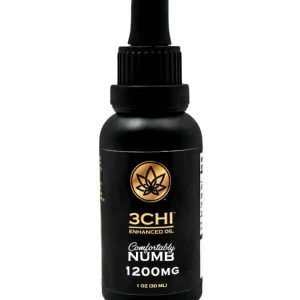
Cannabis Tincture
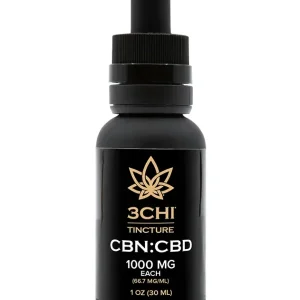
Cannabis Tincture
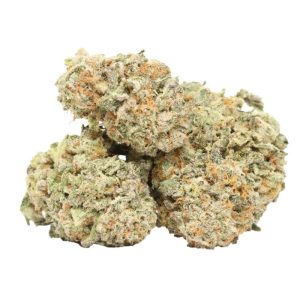
Indica strains
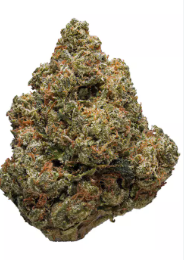
Sativa Strains
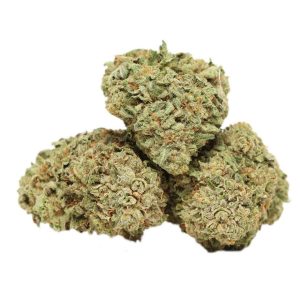
Indica strains
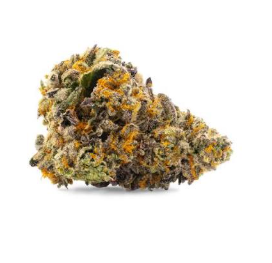
Hybrid cannabis strains
Reviews
There are no reviews yet.