
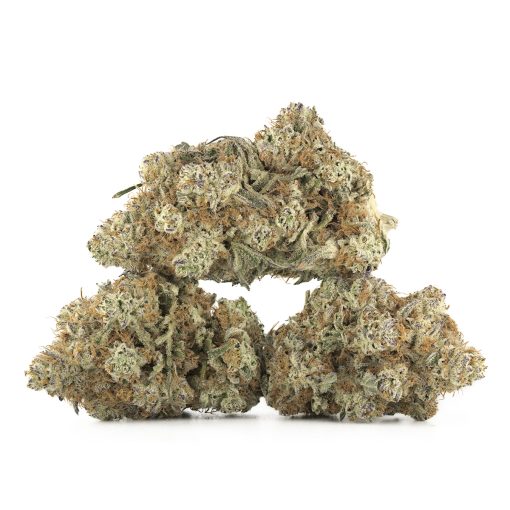
Chocolope Strain: California Weed, Cali Cannabis and Sweet Candy Strains Explained
The Chocolope strain is a famous sativa-dominant cannabis cultivar known for its Chocolate Thai heritage, earthy coffee aroma, energetic reputation and longstanding place in modern cannabis culture.
It also fits naturally into searches for California strain, California weed strains, CA strain, Cali weed, Cali cannabis, candy weed strains, candy strains, candy strain names, and sweet candy strain.
However, Chocolope needs to be positioned accurately.
It is widely encountered in U.S. cannabis culture and regulated California markets, but its genetics should not be confused with proof that it originated in California.
Leafly currently identifies Chocolope—also known as D-Line—as a sativa created from:
Chocolate Thai × Cannalope Haze
Its current Leafly reference profile displays approximately:
22% THC
3% CBG
and lists its leading consumer-reported effects as:
Energetic
Uplifted
Focused
Its leading flavors are:
Coffee
Nutty
Chestnut
That means Chocolope is not a conventional candy-flavored strain in the same sense as cultivars built around names such as Runtz, Zkittlez or Cotton Candy.
Instead, Chocolope represents an older sweet-cannabis tradition built around chocolate, coffee, earth and subtle sweetness.
For additional U.S.-focused cannabis genetics and strain education, explore Cannabistopgrade.com.
What Is the Chocolope Strain?
Chocolope is a heavily sativa-dominant cannabis strain associated with DNA Genetics.
The breeder describes Chocolope as approximately 95% sativa and traces its lineage to:
Chocolate Thai × Cannalope Haze
This combination brings together two notable genetic traditions.
Chocolate Thai
Chocolate Thai is associated with old-school Thai cannabis genetics and a characteristic earthy, chocolate-like aromatic reputation.
Cannalope Haze
Cannalope Haze contributes:
- Haze influence;
- sativa structure;
- cerebral effects;
- and fruit-oriented characteristics.
Together, these genetics created Chocolope’s unusual mixture of:
- coffee;
- cocoa-like sweetness;
- earth;
- nuts;
- fruit;
- and energetic sativa character.
Why Is It Called Chocolope?
The name reflects its genetics and sensory identity.
The “Choco” portion connects to Chocolate Thai.
The remainder references Cannalope Haze.
Chocolope was developed partly as a tribute to chocolate-oriented cannabis varieties that became famous during the 1980s.
Its aroma is therefore more complex than the name might suggest.
Rather than tasting like a candy bar, Chocolope is commonly associated with:
- coffee;
- earthy sweetness;
- nuts;
- chestnut;
- subtle fruit;
- and chocolate-like undertones.
Chocolope THC
Leafly’s current general profile lists approximately:
22% THC
and
3% CBG.
This places Chocolope toward the stronger side of modern flower on that reference profile.
Actual THC can still vary significantly from batch to batch.
Factors include:
- phenotype;
- cultivation environment;
- breeder;
- plant health;
- harvest timing;
- drying;
- curing;
- storage;
- and laboratory methodology.
A regulated batch label is more useful than assuming every Chocolope flower contains exactly 22% THC.
Chocolope Effects
Leafly currently lists its leading consumer-reported effects as:
Energetic
Chocolope is generally described as mostly energizing.
Uplifted
Many consumer reviews describe elevated or positive mood.
Focused
Focused is another frequently reported effect.
Other commonly associated descriptions include:
- cerebral;
- creative;
- euphoric;
- dreamy;
- social;
- and mentally stimulating.
These are subjective consumer reports rather than guaranteed effects.
Cannabis can affect people differently according to THC exposure, tolerance, physiology, environment and other factors.
Chocolope Negative Effects
Leafly currently lists common negative reports including:
- dry mouth;
- dry eyes;
- anxious feelings.
That last point matters.
A strain described as uplifting or focused can still feel overstimulating for some consumers.
Higher-THC cannabis can produce unwanted effects depending on individual sensitivity.
Chocolope Flavor
Flavor is one of Chocolope’s strongest distinguishing characteristics.
Leafly currently lists:
Coffee
Nutty
Chestnut
as its leading flavors.
The broader profile can also include:
- sweet earth;
- cocoa-like notes;
- fruit;
- subtle melon;
- and roasted aromas.
This makes Chocolope an interesting bridge between classic earthy cannabis and modern sweet-strain culture.
Chocolope Terpenes
Leafly currently associates Chocolope with:
Terpinolene
Myrcene
Ocimene
Terpinolene
Terpinolene can contribute:
- herbal;
- floral;
- woody;
- pine-like;
- and slightly citrus aromas.
Myrcene
Myrcene often contributes:
- earth;
- herbs;
- musk;
- and occasionally fruit.
Ocimene
Ocimene may add:
- sweet;
- floral;
- citrus;
- and tropical notes.
These compounds help explain Chocolope’s complex aroma.
Terpenes should not be treated as proof that a strain produces guaranteed medical or psychological effects.
Is Chocolope a California Strain?
Chocolope should not automatically be described as a California strain based solely on its availability or popularity in California.
Its documented genetics are Chocolate Thai and Cannalope Haze.
That is different from saying the cultivar originated in California.
However, Chocolope can certainly appear within California’s regulated cannabis marketplace, subject to state and local rules.
This makes it relevant to searches involving:
- California weed strains;
- CA strain;
- Cali weed;
- and Cali cannabis
without rewriting its breeding history.
What Does “California Strain” Mean?
The term California strain can mean several things.
It may refer to:
A Strain Bred in California
Some famous cultivars have direct California breeding histories.
A Strain Popular in California
A cultivar might be popular in California without originating there.
A Strain Sold in California
Legal availability does not establish genetic origin.
California Cannabis Culture
Consumers often use “Cali weed” as a broad quality or regional marketing term.
These meanings should not be confused.
California Weed Strains
California has played an enormous role in modern cannabis breeding and culture.
Strains frequently associated with California cannabis history include names such as:
- OG Kush;
- Blue Dream;
- Trainwreck;
- Gelato;
- Girl Scout Cookies;
- Granddaddy Purple;
- Zkittlez;
- Runtz;
- Wedding Cake;
- and numerous modern hybrids.
Some have stronger California-origin documentation than others.
“California weed strains” therefore describes a large cultural category rather than one standardized genetic family.
Chocolope vs. Classic California Strains
| Characteristic | Chocolope | Typical California Modern Hybrid |
|---|---|---|
| Genetic style | Chocolate Thai × Cannalope Haze | Often complex hybrid |
| Sativa influence | Very strong | Highly variable |
| Main flavors | Coffee, nuts, chestnut | Fruit, gas, cream, candy vary |
| Current Leafly THC reference | About 22% | Varies widely |
| Main reputation | Energetic and cerebral | Depends on cultivar |
| California origin | Not established by its core lineage | Some cultivars have direct CA roots |
This distinction helps preserve factual genetic information while still serving California-focused search intent.
What Is Cali Weed?
Cali weed is an informal term.
It may refer to cannabis:
- cultivated in California;
- associated with California genetics;
- marketed using California imagery;
- or linked culturally to West Coast cannabis.
The term is not a regulated cannabis quality grade.
A package saying “Cali” does not automatically establish:
- genetic authenticity;
- cultivation location;
- THC;
- freshness;
- testing;
- or product quality.
In California’s legal market, licensing and regulated labeling are more meaningful than slang.
Cali Cannabis and Legal Regulation
California permits both medicinal and adult-use cannabis under state law.
The California Department of Cannabis Control states that:
- adults 21 or older may purchase adult-use cannabis under state law;
- people 18 or older with a physician’s recommendation may access medicinal cannabis;
- and cities or counties can impose stricter local rules.
California’s cannabis industry is regulated through state statutes, regulations and local ordinances.
For current rules, see the California Department of Cannabis Control.
California Cannabis Is Not One Uniform Market
Local rules matter.
A city or county can impose additional restrictions involving:
- retailers;
- cultivation;
- business licensing;
- consumption;
- and commercial activity.
Therefore, statewide legality does not mean every cannabis activity is permitted everywhere in California.
Chocolope and California Cannabis Culture
Even if Chocolope is not specifically a California-origin cultivar, it fits well into California cannabis culture because California consumers historically embraced:
- Haze genetics;
- sativa cultivars;
- high-terpene flower;
- specialty breeding;
- and diverse international genetics.
Chocolope’s Chocolate Thai and Haze lineage fits naturally into that broader genetic diversity.
Candy Weed Strains
The phrase candy weed strains usually refers to cannabis varieties associated with:
- candy-like sweetness;
- fruit;
- sugary aromas;
- dessert names;
- or confectionery branding.
Modern examples frequently discussed in this category include strain families associated with names such as:
- Runtz;
- Zkittlez;
- Cotton Candy;
- Candyland;
- Gushers;
- Gelato;
- Sherbet;
- Bubblegum;
- and various fruit-candy hybrids.
These are broad cultural groupings rather than scientific botanical categories.
Is Chocolope a Candy Weed Strain?
Not in the conventional modern sense.
Chocolope is sweet, but its dominant Leafly flavors are currently:
- coffee;
- nutty;
- chestnut.
Its sweetness comes through a darker roasted and earthy profile.
That makes Chocolope closer to:
chocolate-and-coffee cannabis
than a fruit-candy strain.
Candy Strains vs. Chocolate Strains
| Flavor Family | Common Characteristics |
|---|---|
| Candy strains | Sweet fruit, sugar, tropical or confectionery notes |
| Dessert strains | Cream, vanilla, dough, cake or pastry |
| Chocolate strains | Cocoa, coffee, earth and roasted sweetness |
| Citrus strains | Lemon, orange, lime |
| Gas strains | Diesel, fuel, chemical |
| Kush strains | Earth, pine, spice, fuel |
Chocolope fits most comfortably into the chocolate/coffee category.
Candy Strain Names
Cannabis branding increasingly uses names inspired by food.
Examples of common naming styles include:
Candy Names
- Candyland
- Cotton Candy
- Zkittlez-style names
- Runtz-family names
Dessert Names
- Wedding Cake
- Ice Cream Cake
- Gelato
- Sherbet
Fruit Names
- Blueberry
- Strawberry varieties
- Banana varieties
- Grape varieties
Chocolate and Coffee Names
- Chocolope
- Chocolate Thai
- Chocolate Kush
- coffee-oriented cultivar names
These names describe branding or sensory associations, not standardized chemistry.
Sweet Candy Strain
The phrase sweet candy strain often implies a cultivar with noticeable sugary or fruit-forward terpenes.
However, “sweet” can describe very different aromatic experiences.
Cannabis sweetness can resemble:
- fruit;
- vanilla;
- caramel;
- cream;
- candy;
- berries;
- tropical fruit;
- chocolate;
- or baked goods.
Chocolope’s sweetness leans toward:
- coffee;
- roasted nuts;
- earth;
- and chocolate-like character.
Chocolope vs. Candy Strains
| Feature | Chocolope | Modern Candy Strains |
|---|---|---|
| Primary sweetness | Coffee/chocolate style | Fruity/sugary |
| Leading Leafly flavors | Coffee, nutty, chestnut | Varies |
| Genetics | Chocolate Thai × Cannalope Haze | Often modern polyhybrids |
| Main reputation | Energetic, uplifted, focused | Highly variable |
| Era/style | Old-school inspired | Mostly modern branding |
| Candy identity | Indirect | Strong |
This gives Chocolope a distinctive place in sweet-strain content without falsely turning it into a candy cultivar.
Chocolope and Chocolate Thai
Chocolate Thai is essential to Chocolope’s identity.
Thai cannabis genetics have historically been associated with:
- narrow-leaf structure;
- extended sativa characteristics;
- cerebral effects;
- and distinctive aromatic profiles.
Chocolate Thai became particularly famous for subtle chocolate and earthy characteristics.
Chocolope was bred as a modern homage to that older chocolate-cannabis tradition.
Chocolope and Cannalope Haze
Cannalope Haze provides the other half of the lineage.
Its Haze influence contributes to Chocolope’s reputation for:
- energy;
- cerebral stimulation;
- sativa structure;
- and focus-oriented consumer reports.
The combination creates a cultivar that feels culturally older than many modern candy hybrids.
Chocolope Awards and Reputation
DNA Genetics identifies Chocolope as a highly awarded cultivar and notes that it received High Times Strain of the Year recognition in 2007.
Its staying power matters.
Many cannabis cultivars become temporarily fashionable because of branding.
Chocolope has remained recognizable because of:
- distinctive genetics;
- memorable flavor;
- sativa identity;
- awards;
- and long-term consumer familiarity.
Chocolope in Top-Strain Discussions
Leafly’s current list of 100 notable cannabis strains includes Chocolope.
Its inclusion reflects cultural significance rather than a claim that it is universally the best.
Chocolope stands out because it combines:
- old-school genetics;
- modern breeding;
- chocolate heritage;
- Haze influence;
- and strong consumer recognition.
Does Chocolope Really Taste Like Chocolate?
Not necessarily like literal milk chocolate.
Cannabis flavor descriptions are aromatic comparisons.
The Chocolope profile is commonly described using notes such as:
- coffee;
- earth;
- nuts;
- chestnut;
- sweetness;
- and cocoa-like characteristics.
Individual batches can also express fruitier or more diesel-like phenotypes.
Therefore, consumers should not expect cannabis to taste exactly like chocolate candy.
Chocolope Phenotype Variation
Leafly notes that Chocolope may express different aromatic phenotypes, including examples leaning toward:
- fruit;
- or diesel.
This reinforces an important rule:
strain name does not guarantee identical chemistry.
Different plants carrying Chocolope genetics may vary in:
- aroma;
- THC;
- minor cannabinoids;
- growth structure;
- and terpene concentration.
Chocolope Flower Structure
Leafly currently describes Chocolope as a relatively tall sativa-type plant with average yields around 250–300 grams per plant in its general cultivation profile.
DNA Genetics separately describes Chocolope as capable of strong production in controlled conditions, illustrating how breeder estimates and broad strain-database figures can differ.
Yield estimates should therefore always be interpreted according to the cultivation system and source.
Is Higher THC Better?
No.
Chocolope’s current 22% Leafly reference THC level places it above average on that platform, but THC alone does not measure cannabis quality.
Quality also depends on:
- freshness;
- genetics;
- aroma;
- terpene expression;
- curing;
- cultivation;
- storage;
- and regulated testing.
A lower-THC batch can sometimes provide a more desirable sensory profile than a higher-THC product.
Chocolope and Focus
Focused is one of Chocolope’s leading consumer-reported effects.
That does not make Chocolope a scientifically established productivity treatment.
THC can influence:
- attention;
- memory;
- judgment;
- coordination;
- and reaction time.
Subjectively feeling focused and objectively performing better are not the same thing.
Chocolope and Mental-Health Claims
Leafly reports that some reviewers mention perceived help with:
- stress;
- depression;
- and anxiety.
These are consumer reports.
They are not clinical evidence that Chocolope treats those conditions.
Leafly also lists anxious among reported negative effects, demonstrating how cannabis experiences can differ substantially.
Chocolope and Driving
An energetic or focused cannabis profile does not make driving safe.
THC can impair:
- reaction time;
- coordination;
- attention;
- perception;
- and judgment.
People should not drive while impaired.
California Legal Cannabis Quality
California’s Department of Cannabis Control regulates commercial cannabis businesses and products.
The state describes its regulatory system as designed to support:
- safer business operation;
- contaminant controls;
- product labeling;
- and consumer information.
Current DCC regulations are contained in California Code of Regulations, Title 4, with the department’s published regulations updated July 1, 2026.
For current regulatory information, visit the California Department of Cannabis Control.
Cali Branding vs. Licensed California Cannabis
“Cali weed” branding can appear far outside California.
That does not necessarily prove California origin.
A more meaningful evaluation considers:
- licensed producer information;
- batch identification;
- regulated labeling;
- testing information;
- packaging;
- and traceability.
Marketing language should not substitute for verifiable product information.
U.S. Cannabis Laws Beyond California
California represents only one state system.
Cannabis policy differs across the United States.
The NCSL State Cannabis Policy Enactment Database was updated August 31, 2026 and tracks enacted cannabis legislation involving:
- medical cannabis;
- adult-use cannabis;
- hemp and CBD;
- THC;
- flower;
- concentrates;
- edibles;
- testing;
- packaging;
- labeling;
- licensing;
- taxation;
- and public health.
A strain being recognized as “Cali cannabis” does not make its legal status identical nationwide.
Educational Resources
For additional U.S.-focused cannabis strain, cannabinoid, terpene and regulated-market education, explore Cannabistopgrade.com.
Regarding current Chocolope genetics, THC, CBG, flavors, terpenes and consumer-reported effects, see the Leafly Chocolope strain profile.
For breeder information about Chocolope’s Chocolate Thai × Cannalope Haze lineage and award history, see DNA Genetics Chocolope.
Concerning current California consumer rules, see the California Department of Cannabis Control.
For broader state-by-state cannabis policy developments, consult the NCSL State Cannabis Policy Enactment Database.
Readers can continue exploring cannabis genetics, California strains and U.S. regulated-market terminology through Cannabistopgrade.com.
Frequently Asked Questions
1. Is Chocolope a California strain?
Chocolope is widely known in U.S. cannabis culture and may appear in California’s regulated market, but its documented genetics are Chocolate Thai × Cannalope Haze. Its lineage does not establish it as a California-origin cultivar.
2. What is Chocolope THC?
Leafly’s current general profile displays approximately 22% THC and 3% CBG. Actual potency varies between batches, growers and laboratory tests.
3. Is Chocolope considered Cali weed?
Consumers may encounter Chocolope in California, but “Cali weed” is informal terminology rather than a genetic classification or official quality grade.
4. Is Chocolope a candy weed strain?
Not in the conventional fruit-candy sense. Chocolope is better known for coffee, nutty, chestnut, earthy and chocolate-like characteristics.
5. What are popular candy strain names?
Modern cannabis culture includes candy- or dessert-oriented names such as Runtz, Candyland, Cotton Candy, Gelato, Wedding Cake and other sweet-fruit hybrids. These names do not represent one standardized botanical category.
6. What makes Chocolope different from a sweet candy strain?
Chocolope’s sweetness is darker and more roasted, emphasizing coffee, nuts, earth and chocolate-like notes. Modern candy strains more often emphasize sugary fruit, berries, tropical fruit, cream or confectionery aromas.
| Quantity | Oz, Qp, Hp, P |
|---|
Be the first to review “Chocolope Strain”
Related products
Hybrid cannabis strains
Hybrid cannabis strains
Hybrid cannabis strains
Hybrid cannabis strains
Hybrid cannabis strains
Hybrid cannabis strains
Hybrid cannabis strains
Hybrid cannabis strains
Reviews
There are no reviews yet.