
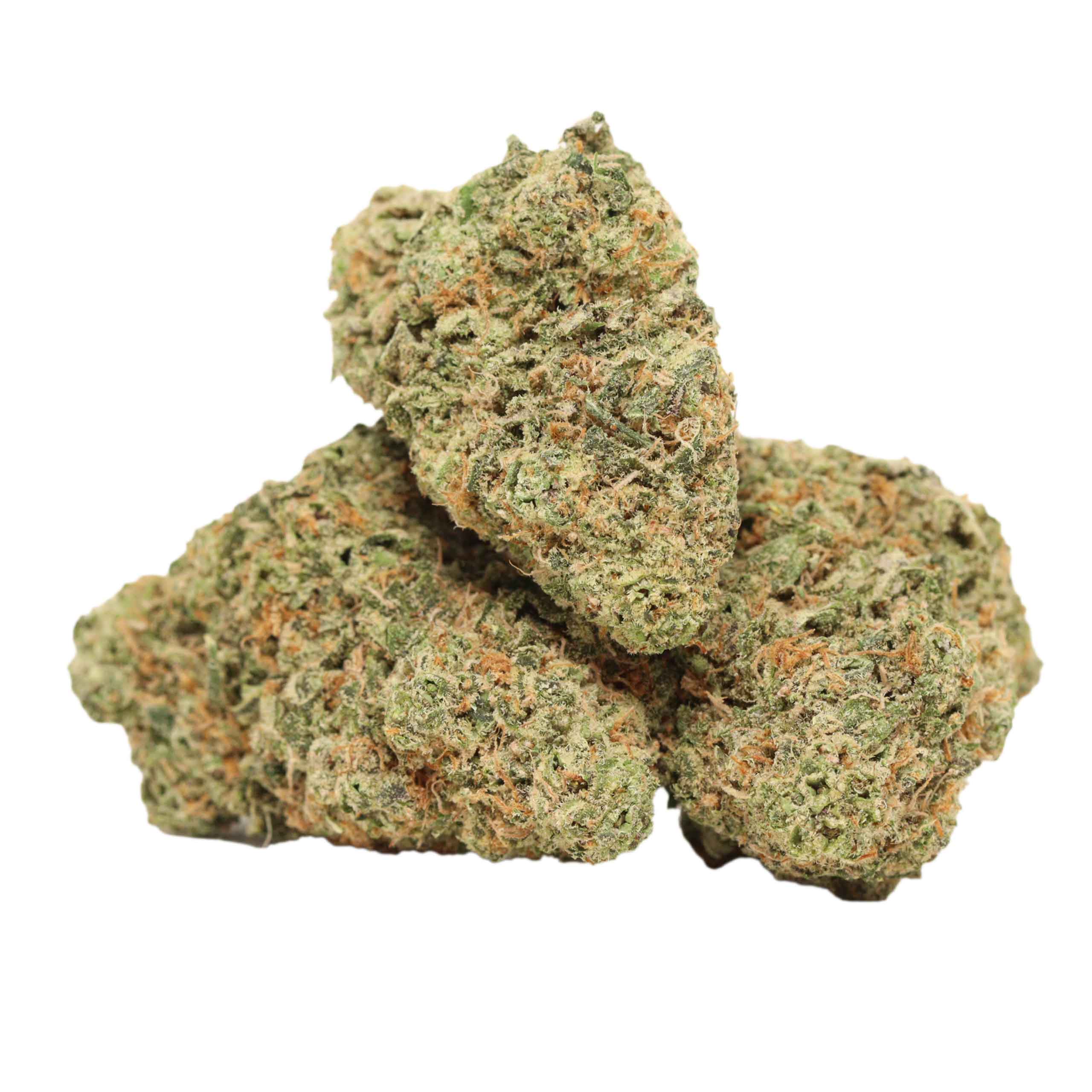
Mango Mintality Strain
Mango Mintality Strain is a modern hybrid cannabis cultivar bred by Purple City Genetics from two prominent genetic lines:
Gush Mints × Mango Haze
The strain is best known for combining tropical mango aromas with mint, menthol, citrus, pine, and spicy undertones.
Leafly currently lists Mango Mintality at approximately:
27% THC
and describes its leading consumer-reported effects as:
- talkative;
- relaxed;
- uplifted.
The strain also provides a useful foundation for understanding the commercial side of legal cannabis, including topics such as marijuana business, how to open a cannabis dispensary, starting a dispensary, how to open a cannabis shop, cannabis business, canna business, and the broader marijuana industry.
Operating a cannabis business in the United States is fundamentally different from opening an ordinary retail store.
Cannabis businesses may face overlapping:
- state licensing;
- municipal approval;
- zoning;
- ownership disclosure;
- security;
- inventory tracking;
- laboratory testing;
- packaging;
- taxation;
- environmental;
- operating-procedure requirements.
Rules differ significantly by state and municipality.
For more U.S.-focused cannabis strain, marijuana-law, dispensary, cannabinoid, and cannabis-industry education, explore Cannabistopgrade.com.
Mango Mintality Strain Quick Profile
| Characteristic | Mango Mintality Strain |
|---|---|
| Breeder | Purple City Genetics |
| Genetics | Gush Mints × Mango Haze |
| Classification | Hybrid |
| Leafly THC reference | About 27% |
| Current flower examples | Roughly 22–25% THC |
| Leading reported effects | Talkative, relaxed, uplifted |
| Leading flavors | Mango, menthol, mint |
| Dominant terpene | Myrcene |
| Other terpene examples | Caryophyllene, pinene, guaiol |
| Aroma | Mango, citrus, pine, menthol |
| Typical appearance | Bright green, frosty flower with orange pistils |
| Best potency source | Batch-specific laboratory result |
What Is Mango Mintality Strain?
Mango Mintality is a hybrid marijuana cultivar developed by Purple City Genetics, an Oakland, California-associated cannabis breeder.
Its lineage combines:
Gush Mints × Mango Haze
The strain therefore brings together two different aromatic families.
Gush Mints contributes:
- mint;
- gas;
- Kush-style depth.
Mango Haze contributes:
- tropical fruit;
- citrus;
- Haze characteristics.
The resulting cultivar is particularly associated with mango-forward flower and a distinctive menthol finish.
Mango Mintality Genetics
Leafly and Weedmaps both identify Mango Mintality as a cross between:
Gush Mints and Mango Haze.
Purple City Genetics is credited with creating both Mango Mintality and its Gush Mints parent.
That breeder connection helps distinguish Mango Mintality from unrelated cannabis strains that may also use “Mango” in their names.
Is Mango Mintality Indica or Sativa?
Mango Mintality is generally classified as a hybrid.
Some references describe it as:
- sativa-leaning;
- energizing hybrid;
- indica-dominant.
This disagreement demonstrates a wider problem with modern indica and sativa labels.
Highly hybridized cultivars can be described differently by breeders, retailers, and databases.
The measurable chemistry of the specific batch provides more useful information than an assumed indica/sativa ratio.
Mango Mintality THC Percentage
Leafly currently lists Mango Mintality at approximately:
27% THC.
Current commercial flower examples demonstrate variation.
Recent examples include approximately:
- 22.28% THC;
- 24.63% THC.
A Leafly consumer report also described a tested flower batch at approximately:
22.97% THC
with total cannabinoids around 28%.
Therefore, 27% should not be treated as a universal specification.
Why Mango Mintality THC Varies
Cannabis potency can differ because of:
- phenotype;
- cultivation method;
- grow environment;
- harvest timing;
- drying;
- curing;
- moisture;
- storage;
- laboratory methodology.
Two legal products labeled Mango Mintality may consequently have noticeably different cannabinoid results.
Is Mango Mintality Strong?
A cannabis flower product in the low-to-upper 20% THC range would generally be considered relatively high in THC.
Higher THC exposure can increase the likelihood of unwanted effects such as:
- anxiety;
- dizziness;
- dry mouth;
- impaired judgment;
- impaired coordination.
Leafly consumer reports include dry mouth, anxiety, and headache among reported negative experiences.
Mango Mintality Effects
Leafly currently identifies leading consumer-reported effects as:
- talkative;
- relaxed;
- uplifted.
Other recent user reports include:
- creative;
- energetic;
- euphoric;
- hungry.
These are subjective reports and should not be treated as guaranteed effects.
Mango Mintality Flavor
The strain’s most recognizable characteristic is its tropical flavor profile.
Leafly lists:
- mango;
- menthol;
- mint.
Weedmaps additionally describes:
- tropical fruit;
- citrus;
- pine;
- spicy menthol.
The Mango Haze parent contributes strongly to the fruit-forward profile.
Mango Mintality Aroma
Common aroma descriptions include:
- sweet mango;
- tropical fruit;
- citrus;
- pine;
- mint;
- menthol.
The contrast between tropical fruit and cooling mint helps distinguish Mango Mintality from many other mango-named cannabis strains.
Mango Mintality Terpenes
Leafly identifies:
myrcene
as the dominant terpene.
Some commercial batches additionally identify:
- beta-caryophyllene;
- alpha-pinene;
- guaiol.
Actual terpene concentrations vary by grower and batch.
Myrcene in Mango Mintality
Myrcene commonly produces:
- earthy;
- herbal;
- musky;
aromas.
It occurs naturally in numerous plants and is one of the more commonly detected cannabis terpenes.
Caryophyllene
Caryophyllene contributes:
- pepper;
- spice;
- woody aromas.
It is also naturally present in black pepper and cloves.
Pinene
Pinene contributes:
- pine;
- fresh forest-like aroma.
Its presence fits well with the pine finish described in several Mango Mintality commercial batches.
Mango Mintality Appearance
Current commercial descriptions characterize Mango Mintality flower as:
- bright green;
- frosty;
- tightly structured;
- covered with visible pistils.
Some products show dense orange hairs against lighter green flower.
Appearance can vary significantly between producers.
Mango Mintality vs. Gush Mints
Gush Mints is one parent of Mango Mintality.
They are therefore genetically related but separate cultivars.
Gush Mints generally emphasizes:
- mint;
- gas;
- Kush characteristics.
Also Mango Mintality introduces the tropical characteristics of Mango Haze.
Mango Haze Vs. Mango Mintality
Mango Haze contributes:
- fruit;
- citrus;
- Haze genetic influence.
The combination produces Mango Mintality’s recognizable tropical-mint profile.
Mango Mintality and the Marijuana Business
Mango Mintality is an example of how genetics can become part of the modern marijuana business.
The legal cannabis industry involves far more than dispensaries.
Depending on the state, businesses may operate as:
- cultivators;
- processors;
- manufacturers;
- distributors;
- testing laboratories;
- wholesalers;
- retailers;
- delivery companies.
Every category can have separate regulatory requirements.
What Is a Marijuana Business?
A marijuana business is a company participating in a legally regulated marijuana market.
Examples can include:
- cultivation facilities;
- cannabis manufacturers;
- dispensaries;
- testing laboratories;
- delivery operators.
Businesses generally require specific authorization before handling marijuana commercially.
What Is a Cannabis Business?
Cannabis business is the broader term.
It can describe companies involved in marijuana or other legally regulated cannabis-related industries.
Depending on jurisdiction, the category can include:
- marijuana businesses;
- hemp businesses;
- ancillary companies.
The legal requirements are not necessarily the same for each category.
What Does Canna Business Mean?
Canna business is an informal abbreviation for cannabis business.
It is widely used within business media and industry conversations.
It is not usually a formal regulatory license category.
A government regulator will normally use terms such as:
- cannabis business;
- marijuana establishment;
- marijuana retailer;
- cannabis retailer;
- cannabis licensee.
What Is the Marijuana Industry?
The marijuana industry includes the network of companies participating in cultivation, manufacturing, distribution, testing, technology, compliance, and retail.
It can be divided into plant-touching and ancillary businesses.
Plant-Touching Cannabis Businesses
Plant-touching businesses directly handle cannabis.
Examples include:
- cultivators;
- manufacturers;
- distributors;
- retailers.
These businesses typically face extensive licensing requirements.
Ancillary Cannabis Businesses
Ancillary companies may support the industry without directly handling marijuana.
Examples can include:
- software;
- legal services;
- accounting;
- packaging;
- security;
- real estate;
- equipment suppliers.
Whether special cannabis licensing is required depends on the exact activity and jurisdiction.
How to Open a Cannabis Dispensary
The question how to open a cannabis dispensary does not have one nationwide answer.
Cannabis regulation in the United States is highly jurisdiction-specific.
The general legal process often includes:
- choosing a state and municipality where retail cannabis licensing is legally available;
- determining whether new applications are currently accepted;
- reviewing local zoning and authorization rules;
- creating the appropriate business entity;
- identifying a compliant premises;
- preparing required ownership and financial disclosures;
- developing operating and security procedures;
- applying for local approvals where required;
- applying for the appropriate state cannabis license;
- completing inspections or regulatory reviews before opening.
The exact order can differ by state.
Step 1: Check Whether Cannabis Retail Is Legal
Before starting a dispensary, determine whether the target jurisdiction permits:
- medical cannabis;
- adult-use cannabis;
- retail marijuana businesses.
A state may legalize adult possession while still limiting business licenses.
Some municipalities also prohibit cannabis retailers even when the state allows them.
Step 2: Determine Whether New Licenses Are Available
This is critical.
A legal cannabis market does not necessarily mean an entrepreneur can submit a new dispensary application at any time.
For example, current Washington guidance states that ordinary applications for new cannabis retailer, producer, and processor licenses are not presently being accepted.
An applicant may instead need to assume an existing license.
Other states use:
- rolling applications;
- application windows;
- lotteries;
- scored competitions;
- license caps.
Step 3: Select the Correct License Type
A dispensary generally needs a retail-type license.
But license names vary.
Examples include:
- marijuana retailer;
- cannabis retailer;
- medical marijuana treatment center;
- dispensary license.
A cultivation license does not ordinarily authorize retail sales to consumers.
Step 4: Check Local Government Requirements
Municipal rules can be as important as state rules.
Local governments may regulate:
- zoning;
- buffers;
- operating hours;
- signage;
- building requirements;
- local permits.
California provides a clear example.
The Department of Cannabis Control checks with the city or county to confirm applicants satisfy local requirements.
Step 5: Form the Business Entity
Applicants typically need a formally organized company.
Possible structures can include:
- LLC;
- corporation;
- partnership.
The appropriate structure depends on:
- ownership;
- investors;
- taxes;
- state requirements.
Forming a company does not itself authorize cannabis activity.
For example, California explicitly states that simply filing business-formation documents does not provide authority to conduct cannabis operations.
Step 6: Choose a Compliant Location
A cannabis retailer cannot generally operate anywhere ordinary retail zoning permits.
Possible restrictions include minimum distances from:
- schools;
- youth facilities;
- other sensitive locations.
Rules vary locally.
Applicants should not commit to expensive real estate without confirming zoning requirements.
Step 7: Obtain Property Approval
Some jurisdictions require evidence that the property owner consents to cannabis activity.
California, for example, provides specific landowner-approval documentation for cannabis applicants.
Lease agreements can therefore become an important part of the application process.
Step 8: Prepare Ownership Disclosures
Cannabis regulators often require detailed information about:
- owners;
- investors;
- financial interests;
- management.
These requirements are intended to establish who controls or financially benefits from the licensed business.
Attempting to conceal ownership can create serious licensing problems.
Step 9: Prepare the Business Plan
A cannabis dispensary plan can address:
- company structure;
- target market;
- staffing;
- inventory;
- compliance;
- security;
- operating costs;
- financial projections.
However, the regulatory application may require considerably more detail than a conventional business plan.
Step 10: Prepare Standard Operating Procedures
Cannabis regulators may require detailed operating procedures.
Potential topics include:
- inventory control;
- security;
- employee procedures;
- product handling;
- recalls;
- recordkeeping;
- waste management.
California specifically requires applicants to prepare standard operating procedures.
Step 11: Develop Security Controls
Retail cannabis businesses frequently face security requirements.
These may include rules concerning:
- surveillance;
- restricted areas;
- product storage;
- alarms;
- employee access.
Exact requirements differ by jurisdiction.
Step 12: Establish Inventory Tracking
Legal marijuana markets frequently use seed-to-sale or inventory tracking systems.
These systems help regulators follow cannabis from:
- production;
- transfer;
- retail sale.
Licensed dispensaries may need to reconcile physical inventory with regulatory records.
Step 13: Understand Product Testing Rules
Legal cannabis products may be subject to laboratory requirements before reaching retail shelves.
Testing can address:
- cannabinoid potency;
- pesticides;
- microorganisms;
- residual solvents;
- heavy metals.
The exact test panel depends on state law.
Step 14: Understand Packaging and Labeling
Cannabis packaging requirements can regulate:
- warnings;
- THC labeling;
- product identity;
- batch information;
- child-resistant features.
Packaging that is legal in one state may not necessarily satisfy another state’s requirements.
Step 15: Budget for Application and License Fees
Cannabis licensing is not free.
Fees differ dramatically by jurisdiction and license type.
California, for example, calculates many license fees according to license category and expected or actual gross annual revenue.
Portland, Oregon currently maintains separate local application and licensing fees in addition to state-level requirements.
Step 16: Consider Legal and Professional Costs
Starting a dispensary may involve professional expenses for:
- attorneys;
- accountants;
- architects;
- compliance consultants;
- insurance;
- security professionals.
The total investment can therefore extend far beyond the government license fee.
Starting a Dispensary Requires Capital
Potential startup costs include:
- real estate;
- renovations;
- licensing;
- security;
- inventory;
- staffing;
- technology;
- insurance;
- professional services.
Costs vary enormously by market.
There is no reliable nationwide figure for opening a dispensary.
Starting a Dispensary Is Not Guaranteed
Obtaining:
- a company;
- investors;
- a property;
does not guarantee that a cannabis license will be granted.
Some jurisdictions restrict licenses through:
- application caps;
- competitive scoring;
- local approvals;
- lotteries.
Entrepreneurs should understand this risk before making major investments.
How to Open a Cannabis Shop Legally
Someone researching how to open a cannabis shop should begin with official state and local regulatory information.
The safest sequence is:
jurisdiction → license availability → local approval → business structure → compliant premises → application → regulatory approval.
Beginning with a storefront before confirming legal eligibility can create expensive problems.
Cannabis Retail License vs. Ordinary Business License
A normal business registration usually does not replace a cannabis license.
Cannabis retailers may need:
- state marijuana license;
- local cannabis authorization;
- conventional business registration;
- tax registrations.
These are separate legal requirements.
Medical Dispensary vs. Recreational Dispensary
Some jurisdictions distinguish between:
- medical marijuana businesses;
- adult-use retailers.
Others combine parts of the licensing structure.
Medical businesses may have different rules concerning:
- patients;
- product access;
- licensing;
- taxation.
Marijuana Cultivation Business
Cultivators produce cannabis plants and flowers.
A cultivation license does not automatically provide authorization to operate a dispensary.
States may divide cultivation licenses according to:
- plant count;
- canopy size;
- facility type.
Cannabis Manufacturing Business
Manufacturers transform raw cannabis into products such as:
- concentrates;
- edible products;
- tinctures;
- vape formulations.
Manufacturing can involve additional safety, facility, and testing requirements.
Cannabis Distribution Business
Some states license distributors separately.
Distributors may coordinate movement of regulated marijuana between licensed businesses.
The specific role differs by state.
Cannabis Testing Laboratory
Testing laboratories evaluate regulated cannabis products.
Many states impose independence and accreditation-related requirements on cannabis laboratories.
A testing lab operates very differently from a retail dispensary.
Cannabis Delivery Business
Some jurisdictions authorize cannabis delivery businesses.
Others allow delivery only through licensed retailers.
Still others impose significant restrictions.
A delivery model must therefore be checked against local law rather than assumed to be universally available.
Cannabis Wholesale Business
Some states recognize cannabis wholesalers as a distinct license type.
New Jersey, for example, recognizes separate categories for:
- cultivators;
- manufacturers;
- wholesalers;
- distributors;
- retailers;
- delivery services.
Licensing architecture varies by state.
Cannabis Microbusiness
Some jurisdictions provide microbusiness licenses designed for smaller operators.
These can permit a limited combination of activities under one business structure.
Rules differ significantly.
Social Equity Cannabis Businesses
Several legal cannabis states operate social-equity programs.
Eligibility may consider factors including:
- residence in disproportionately impacted areas;
- qualifying ownership characteristics;
- previous cannabis-law impacts.
Definitions and benefits vary by jurisdiction.
Conditional Cannabis Licenses
Some states use conditional or provisional licensing.
New Jersey, for example, offers conditional licenses that can provide applicants additional time to secure certain requirements before converting to an annual license.
This does not mean every state offers a similar pathway.
Cannabis Business and Zoning
Zoning can determine whether a retail location is usable.
Local restrictions can affect:
- distance from schools;
- commercial zoning;
- signage;
- parking;
- operating hours.
A seemingly ideal storefront may still be legally unusable.
Cannabis Business and Banking
Financial services have historically been more complicated for marijuana businesses than ordinary retailers because of the interaction between state cannabis laws and federal financial rules.
Operators need accounting and banking arrangements that comply with applicable laws.
Specific financial requirements should be verified with qualified professionals.
Cannabis Business Taxes
Cannabis businesses can face:
- state taxes;
- local taxes;
- ordinary business taxes;
- specialized cannabis taxes.
Tax structures vary considerably.
Tax planning should therefore be performed before finalizing a business model.
Marijuana Industry Compliance
Compliance is not simply an initial licensing hurdle.
A licensed marijuana business may face continuing requirements involving:
- renewal;
- records;
- inspections;
- inventory;
- employee credentials;
- product recalls;
- advertising.
Loss of compliance can threaten a license.
Cannabis Advertising Rules
States and local governments often regulate cannabis advertising.
Restrictions can involve:
- youth-oriented advertising;
- signage;
- health claims;
- placement.
Companies should not assume ordinary advertising rules apply unchanged to marijuana.
Cannabis Product Marketing
Marketing a strain such as Mango Mintality should distinguish factual product information from unsupported health claims.
Appropriate factual information can include:
- genetics;
- laboratory-measured THC;
- terpene information;
- product format.
Statements claiming a strain cures or treats diseases require far greater evidentiary support.
Marijuana Industry and Strain Branding
Modern strain names are commercially valuable.
Brands distinguish products using:
- genetics;
- breeder reputation;
- flavor;
- packaging;
- cultivation style.
Mango Mintality illustrates this trend particularly well because its identity combines recognizable Gush Mints genetics with tropical Mango Haze branding.
Strain Names Are Not Trademarks by Default
A cannabis strain name should not automatically be assumed to provide exclusive intellectual-property ownership.
Business owners should perform appropriate trademark and intellectual-property review before using:
- company names;
- product names;
- logos.
Legal advice may be appropriate for brand-development decisions.
Marijuana Industry and Laboratory Data
Laboratory results are especially important in commercial cannabis.
A store could have several Mango Mintality batches with different:
- THC;
- terpene levels;
- package dates.
Each should be represented according to its own verified product information.
Marijuana Industry and Product Traceability
Regulated markets commonly use traceability mechanisms to document products moving through the supply chain.
This can improve:
- accountability;
- recall capability;
- inventory control.
Rules differ by state.
Cannabis Business and Consumer Safety
A legitimate regulated cannabis business should prioritize:
- accurate labeling;
- compliant products;
- responsible marketing;
- product recalls;
- age restrictions.
These responsibilities continue after the store opens.
Cannabis Business and Medical Claims
Dispensaries should be cautious with medical claims.
Customer anecdotes about a strain do not demonstrate that the product:
- treats depression;
- cures anxiety;
- treats cancer;
- cures insomnia.
Cannabis products should be represented according to applicable regulatory and evidence standards.
Mango Mintality and Medical Claims
Leafly users report using Mango Mintality in connection with:
- depression;
- anxiety;
- stress.
These are consumer reports rather than evidence that Mango Mintality is a medically proven treatment.
The strain should not be marketed as curing those conditions.
Mango Mintality and Anxiety
Some users report relaxation.
Others report anxiety.
Leafly currently includes anxious feelings among its reported negative effects.
Higher-THC cannabis can produce very different experiences among individuals.
Mango Mintality and Driving
THC can impair:
- reaction time;
- attention;
- coordination;
- judgment.
People should not drive while impaired by cannabis.
Cannabis Business Owners and Responsible Retailing
A responsible legal retailer should understand that compliance and consumer safety are long-term business requirements.
Examples include:
- verifying age;
- selling only authorized products;
- maintaining required records;
- following state advertising rules.
State Rules Can Change
Cannabis regulation evolves frequently.
License availability, fees, application windows, and operating requirements can change.
For example, Washington’s current licensing position differs considerably from California’s application system.
Business plans should therefore use current regulator information rather than old online guides.
California Cannabis Business Example
California’s Department of Cannabis Control currently provides applications for several license categories.
Applicants must address requirements involving:
- license type;
- fees;
- local compliance;
- ownership;
- premises;
- operating procedures.
The Department contacts the relevant city or county when reviewing an application to confirm local requirements.
Washington Cannabis Business Example
Washington demonstrates why jurisdiction-specific research is critical.
Current Washington Department of Revenue guidance states that new cannabis-related licenses are not presently being accepted.
Someone seeking to enter certain licensed cannabis businesses must instead assume an existing license under the state’s current framework.
Therefore, a generic article saying “just apply for a dispensary license in any legal state” would be inaccurate.
New Jersey Cannabis Business Example
New Jersey currently recognizes multiple recreational cannabis business categories.
These include:
- cultivator;
- manufacturer;
- wholesaler;
- distributor;
- retailer;
- delivery.
Municipal approval also forms part of the application process.
This again demonstrates how state systems differ.
California vs. New Jersey Cannabis Licensing
| Issue | California | New Jersey |
|---|---|---|
| State regulator | Department of Cannabis Control | Cannabis Regulatory Commission |
| Retail license available | Yes, subject to requirements | Yes, subject to requirements |
| Local approval important | Yes | Yes |
| Multiple license categories | Yes | Yes |
| Same application procedure? | No | No |
Cannabis entrepreneurs must study the rules of their chosen jurisdiction rather than treating the United States as one uniform market.
How to Research a Cannabis Business Opportunity
A responsible research process starts with official sources.
Important questions include:
- Is retail cannabis legal?
- Is the municipality accepting businesses?
- Are licenses currently available?
- Is there a license cap?
- What ownership rules apply?
- What zoning applies?
- What fees apply?
- Are social-equity programs available?
These questions can eliminate unsuitable markets before large amounts of money are committed.
Starting a Dispensary and Location Selection
Location decisions can affect:
- regulatory eligibility;
- customer access;
- rent;
- security costs;
- competition.
But a commercially attractive location is useless if local zoning prohibits cannabis retail.
Regulatory feasibility comes first.
Starting a Dispensary and Competition
Legal cannabis markets can become highly competitive.
Operators may compete through:
- customer service;
- product education;
- inventory;
- convenience;
- branding;
- operational efficiency.
Compliance should never be sacrificed to compete on price or speed.
Marijuana Industry Business Planning
A thorough cannabis business plan may include:
- executive summary;
- ownership structure;
- regulatory strategy;
- location analysis;
- staffing;
- financial projections;
- security;
- compliance;
- inventory control;
- marketing.
Business planning is particularly important because cannabis regulatory costs can be substantial.
Cannabis Business Insurance
Cannabis businesses may need specialized insurance.
Potential categories include:
- general liability;
- property;
- workers’ compensation;
- product liability.
Requirements and availability vary.
Cannabis Business Employees
Employees may be subject to:
- minimum-age requirements;
- background checks;
- agent registrations;
- training.
Rules depend on state law.
Cannabis Business Recordkeeping
Operators may need to retain records concerning:
- inventory;
- sales;
- employees;
- transportation;
- product testing.
Regulators can inspect these records as part of compliance oversight.
Marijuana Industry Product Recalls
Legal cannabis regulators can order or coordinate recalls when products fail safety or testing requirements.
Retailers should have procedures for:
- identifying affected inventory;
- removing products from sale;
- notifying appropriate parties.
This illustrates why traceability is central to the regulated industry.
Mango Mintality as a Modern Marijuana Industry Example
Mango Mintality represents several trends shaping modern cannabis:
- recognizable breeder genetics;
- distinctive strain branding;
- high-THC flower;
- terpene-focused descriptions;
- regulated batch testing.
These factors increasingly shape how legal cannabis products are described and differentiated.
Educational Resources
For U.S.-focused cannabis strain, dispensary, cannabinoid, marijuana-law, and cannabis-industry education, explore Cannabistopgrade.com.
For Mango Mintality genetics, THC, effects, flavors, and terpene information, review the Leafly Mango Mintality Strain Guide.
Regarding additional Mango Mintality genetics, appearance, aroma, and breeder information, review the Weedmaps Mango Mintality Guide.
For an example of current U.S. cannabis business licensing requirements, review the California Department of Cannabis Control Applicant Resources.
Continue exploring U.S. cannabis strains, legal-market regulation, marijuana businesses, and dispensary education through Cannabistopgrade.com.
Frequently Asked Questions
1. What is Mango Mintality Strain?
Mango Mintality Strain is a hybrid cannabis cultivar bred by Purple City Genetics from Gush Mints × Mango Haze. Leafly currently lists about 27% THC, mango, menthol and mint flavors, and myrcene as its dominant terpene.
2. How do you open a cannabis dispensary legally?
Opening a dispensary generally requires choosing a jurisdiction that permits retail cannabis businesses, confirming that licenses are available, obtaining necessary local authorization, creating a compliant business and premises, completing ownership and financial disclosures, and obtaining the required state cannabis license. Exact requirements differ significantly by state and municipality.
3. Is starting a dispensary the same in every U.S. state?
No. Cannabis-business regulations vary widely. California currently maintains state application systems alongside local requirements, whereas Washington currently states that ordinary new cannabis-related license applications are not being accepted and certain entrants must acquire an existing license.
4. What businesses are part of the marijuana industry?
The marijuana industry can include cultivators, manufacturers, wholesalers, distributors, testing laboratories, retailers, delivery operators, and ancillary companies providing software, accounting, legal, security, packaging, and other services.
5. What is the difference between a marijuana business and a canna business?
“Marijuana business” usually refers to a company directly participating in a regulated marijuana market. “Canna business” is an informal shortened expression for cannabis business and is not normally an official government license category.
6. How much THC does Mango Mintality contain?
Leafly currently lists approximately 27% THC, but current flower examples show values around 22–25%. Cultivation, phenotype, processing, and testing cause batch variation, so the laboratory information for the specific product is the better potency reference.
Be the first to review “Mango Mintality Strain”
Related products
Hybrid cannabis strains
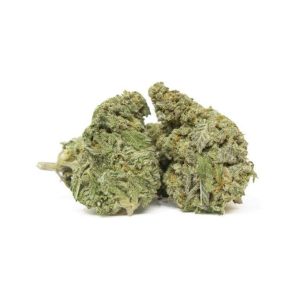
Hybrid cannabis strains
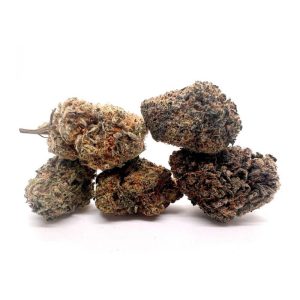
Hybrid cannabis strains
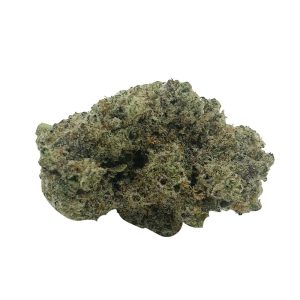
Hybrid cannabis strains
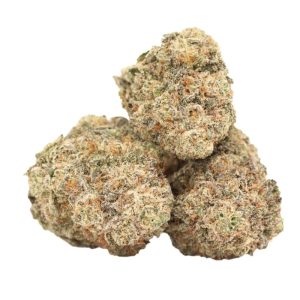
Hybrid cannabis strains
Hybrid cannabis strains
Hybrid cannabis strains
Hybrid cannabis strains
Reviews
There are no reviews yet.