
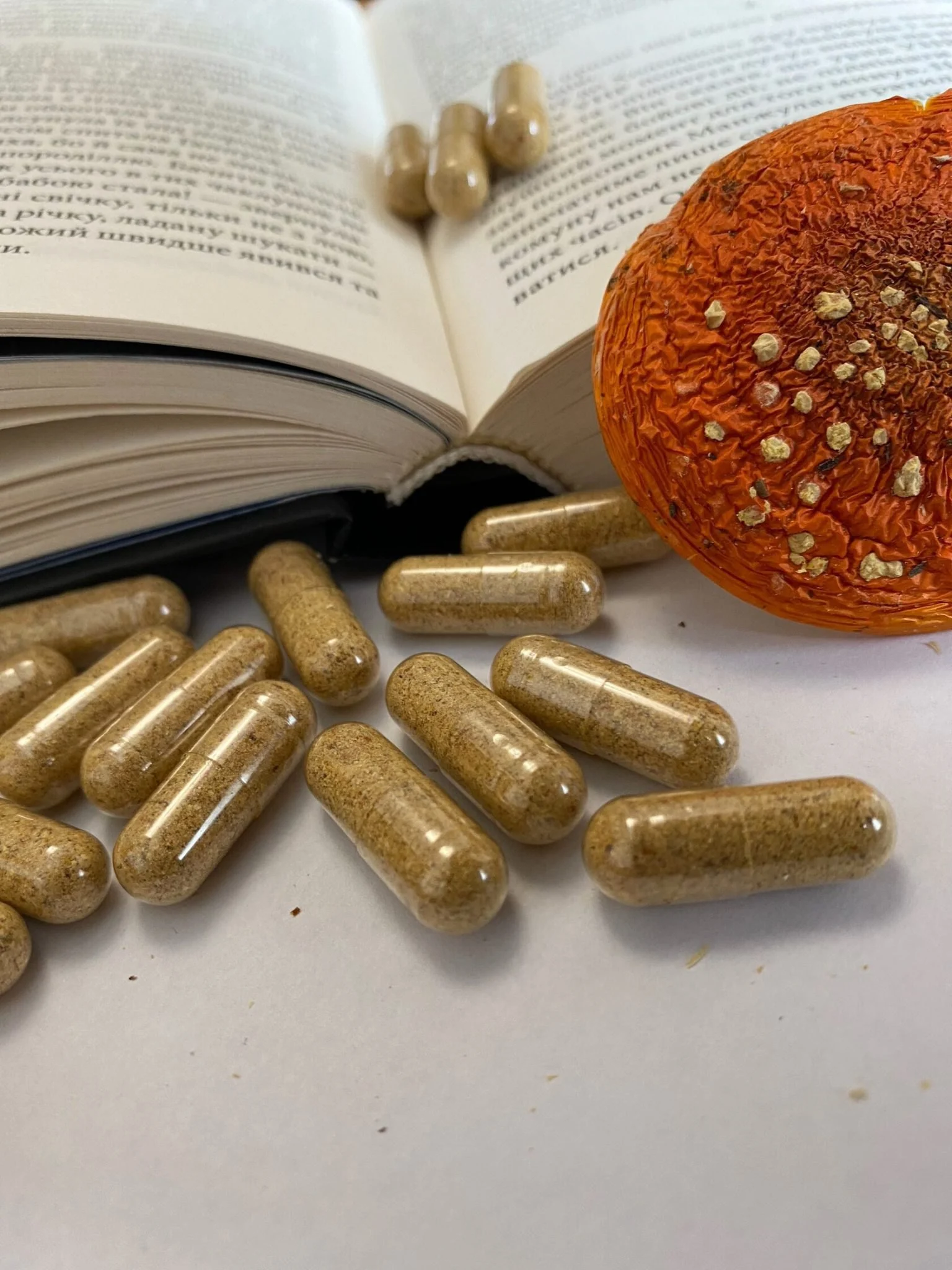
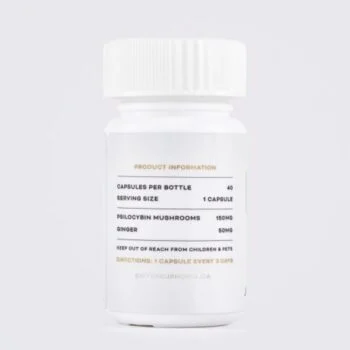
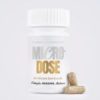
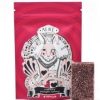
MicroDose Capsules 3000mg
MicroDose Capsules 3000mg sounds like a high-strength mushroom supplement, but the product name alone does not establish what the 3,000 mg actually represents.
I could not independently verify one standardized pharmaceutical or universally formulated product under this exact name. Depending on the manufacturer, a 3,000 mg claim could refer to total mushroom-equivalent material, several mushrooms combined, an extract-equivalent calculation, multiple capsules per serving, or a proprietary blend.
It should therefore not automatically be interpreted as 3,000 mg of psilocybin, beta-glucans, cordycepin, hericenones, erinacines or another active compound.
This is particularly important because the word microdose is used loosely in modern wellness marketing. Functional mushroom capsules containing lion’s mane, cordyceps or reishi are not automatically psychedelic products merely because “microdose” appears in the name.
For people researching the best mushroom blend supplement, best mushrooms for energy, best nootropic mushrooms, mushroom supplements for gut health, or the best mushroom extract brand, ingredient identity and extract quality matter considerably more than the biggest number printed on the bottle.
FDA also emphasizes that dietary supplements are generally not approved for safety and effectiveness before reaching the U.S. market. Manufacturers initially bear responsibility for product safety and compliance, while FDA primarily has post-market enforcement authority.
For broader evidence-based wellness information, see CannabisTopGrade educational resources.
What Does 3000mg Mean in Mushroom Capsules?
A large milligram number can be impressive marketing, but it requires context.
Imagine a seven-mushroom supplement advertising 3,000 mg per serving. That could mean the seven raw or powdered ingredients together weigh 3,000 mg. It could instead be an extract-equivalent claim—for example, a smaller quantity of concentrated extract represented as equivalent to a larger amount of raw material.
Those are different measurements.
A complete label should clarify whether the amount refers to mushroom powder, extract, dry-equivalent material, proprietary blend weight or something else.
It should ideally also disclose the amount of each species rather than hiding everything inside a blend.
When evaluating mushroom supplements, useful information includes species identity, fruiting body versus mycelium, extract ratio where relevant, standardized compounds such as beta-glucans where meaningful, serving size and independent quality testing.
A high milligram number without these details is much less informative.
Functional Mushroom Capsules
Functional mushroom capsules generally contain nonpsychoactive mushroom powders or extracts marketed for nutrition or wellness.
Common species include lion’s mane, cordyceps, reishi, turkey tail, shiitake, maitake, chaga and tremella.
They are pharmacologically different from psilocybin mushrooms.
A capsule containing lion’s mane extract does not create a classic psychedelic experience.
Likewise, reishi, cordyceps and turkey tail are not psilocybin-producing mushrooms.
The term functional is usually used to emphasize compounds being researched beyond basic nutrition, including beta-glucans, polysaccharides, triterpenoids and species-specific secondary metabolites.
However, the presence of an interesting compound does not automatically establish a clinically proven health benefit.
Best Mushroom Blend Supplement
There is no scientifically established single best mushroom blend supplement for every person.
The best formulation depends on the intended goal and, more importantly, whether the individual ingredients actually have evidence supporting that goal.
A cognition-oriented blend might emphasize lion’s mane.
A sports or fatigue-oriented formula might include cordyceps.
A formula emphasizing beta-glucans could include reishi, turkey tail, maitake or shiitake.
But adding more species does not automatically make a supplement better.
A transparent three-mushroom blend containing meaningful characterized extracts can potentially be more useful than a ten-mushroom blend where each ingredient is present only in a tiny undisclosed quantity.
One 2026 randomized, double-blind, placebo-controlled trial involving 50 participants tested a specific mushroom blend for 12 weeks. Researchers reported reductions in several anxiety and fatigue measures and improvements in sleep scores compared with placebo. However, that result applies to the specific blend tested, not automatically to every multi-mushroom product sold online.
7 Mushroom Blend Benefits
The phrase 7 mushroom blend benefits often appears in supplement marketing.
A seven-mushroom formula might include species aimed at different wellness areas, but there is no universal scientific formula where seven mushrooms necessarily produce seven proven benefits.
Depending on ingredients, commonly proposed areas of interest can include cognitive support, exercise performance, fatigue, immune-related function, antioxidant activity, gut microbiota, and general wellness.
These should be described as areas of research rather than guaranteed outcomes.
For example, fungal beta-glucans reach the large intestine largely undigested and can interact with intestinal microbiota. A systematic review of randomized trials examined potential health effects from beta-(1→3,1→6)-glucans found in fungal cell walls.
That does not mean every seven-mushroom blend contains an effective beta-glucan quantity or produces the same clinical results.
Top 10 Best Mushrooms for Health
The phrase top 10 best mushrooms for health is better treated as “ten commonly studied functional or culinary mushrooms” rather than a strict scientific ranking.
| Mushroom | Main research interest |
|---|---|
| Lion’s mane (Hericium erinaceus) | Cognition, neurobiology, gut-microbiota research |
| Cordyceps (C. militaris and related fungi) | Exercise, fatigue and metabolic research |
| Reishi (Ganoderma spp.) | Beta-glucans, triterpenoids and immune research |
| Turkey tail (Trametes versicolor) | Polysaccharides and immune-related research |
| Shiitake (Lentinula edodes) | Nutrition, beta-glucans and cardiometabolic research |
| Maitake (Grifola frondosa) | Polysaccharides and metabolic research |
| Oyster mushroom (Pleurotus spp.) | Nutrition and cardiometabolic studies |
| Chaga (Inonotus obliquus) | Antioxidant chemistry, with important safety limitations |
| Tremella (Tremella fuciformis) | Polysaccharide and functional-food research |
| Agaricus mushrooms | Nutrition and polysaccharide research |
This table does not mean that taking all ten simultaneously is necessary.
The best choice depends on the specific health goal, evidence quality and individual safety considerations.
Best Mushrooms for Energy
For best mushrooms for energy, cordyceps is probably the species most strongly associated with energy and exercise-supplement marketing.
But the term “energy” can mean several things.
It may refer to:
Exercise endurance.
Perceived fatigue.
Daytime alertness.
Aerobic capacity.
Metabolic energy production.
These outcomes are not identical.
A 2025 review evaluating Cordyceps as an ergogenic aid examined human evidence on aerobic performance and physical fitness. The topic remains active because individual studies have produced varying results rather than one definitive conclusion.
This means cordyceps can reasonably be described as a widely researched mushroom for exercise and fatigue, but not as a guaranteed natural stimulant.
Mushroom Supplements for Energy
Mushroom supplements for energy differ from conventional stimulants.
Cordyceps products generally do not function like caffeine or amphetamine.
Consumers may seek them for endurance or fatigue-related effects rather than a rapid stimulant “rush.”
The 2026 randomized mushroom-blend trial mentioned earlier reported improvements in physical, mental and general fatigue scores over 12 weeks.
That is interesting human evidence.
But one controlled trial involving 50 participants does not establish that every commercial energy mushroom blend will work similarly.
Formulation matters.
Best Nootropic Mushrooms
For best nootropic mushrooms, lion’s mane is currently the most prominent mushroom in cognitive-supplement research.
Lion’s mane contains several chemically interesting compound groups, including hericenones and erinacines, alongside polysaccharides.
A 2025 systematic review included five randomized controlled trials as well as pilot and laboratory research. Human studies investigated cognition in people with and without cognitive impairment, while laboratory studies explored neuroprotective mechanisms.
The evidence is promising but not strong enough to claim that lion’s mane reliably makes healthy adults smarter.
A more accurate description is:
Lion’s mane is one of the most studied functional mushrooms for cognition and neurobiology.
Lion’s Mane Fruiting Body vs Mycelium
Supplement labels sometimes advertise “100% fruiting body” as though mycelium has no value.
The science is more nuanced.
Fruiting bodies and mycelium can contain different compounds.
Lion’s mane polysaccharides can come from fruiting bodies, mycelium and culture broth, while other compound families also vary according to fungal tissue and production process.
Therefore, the important questions are not simply “fruiting body or mycelium?”
They include what compounds are being targeted, whether the raw material is authenticated, whether unwanted growing substrate is present, and whether the finished extract has been standardized appropriately.
Are Mushroom Supplements Worth It?
For are mushroom supplements worth it, the answer depends on what someone expects them to do.
They may be worthwhile for a person who wants a conveniently standardized mushroom ingredient and chooses a reputable product with transparent testing.
They are less compelling when marketed with exaggerated promises such as:
“Boosts IQ.”
“Cures anxiety.”
“Prevents cancer.”
“Detoxifies every organ.”
“Reverses dementia.”
“Works instantly.”
Much of medicinal-mushroom science is still preclinical.
For example, a comprehensive reishi review describes numerous biologically interesting polysaccharides, triterpenoids and other compounds but notes that high-quality human clinical data remain inadequate for many advertised pharmacological effects.
Value therefore depends on both product quality and realistic expectations.
Best Mushroom Supplements for Gut Health
For best mushroom supplements for gut health, research interest centers primarily on fungal polysaccharides, beta-glucans, chitin and other compounds that can interact with intestinal microbiota.
A 2026 review of edible mushrooms as prebiotic sources reports that mushroom-derived polysaccharides and related compounds can resist upper gastrointestinal digestion and undergo microbial fermentation, potentially increasing short-chain fatty-acid production.
Another 2025 review examined mushroom polysaccharides and gastrointestinal mucosal health, discussing effects involving barrier function, oxidative stress, immune signaling and microbiota regulation.
Lion’s mane is especially interesting because recent research also connects its polysaccharides with intestinal-health mechanisms.
However, this does not establish one universally best mushroom supplement for gut health.
The human evidence is much less developed than preclinical mechanistic research.
Beta-Glucans and Gut Health
Fungal beta-glucans are dietary fibers.
They are not completely digested in the upper gastrointestinal tract, allowing them to reach the colon where microorganisms can ferment them.
A systematic review of randomized controlled trials examined the health effects of fungal beta-(1→3,1→6)-glucans and highlighted their interaction with gut microbiota.
This makes quantified beta-glucan content potentially more informative than a vague statement such as “10,000 mg mushroom equivalent.”
If a product is marketed primarily for fungal polysaccharides, a standardized beta-glucan specification can provide useful quality information.
Best Multi Mushroom Supplement
The best multi mushroom supplement is not necessarily the formula containing the largest number of species.
A practical high-quality formula should make it reasonably clear what is inside.
A seven-species blend might be excellent if each species is authenticated and present in a meaningful quantity.
A fifteen-species product could be less useful if the total serving size is so small that every ingredient contributes only a trivial amount.
Consumers should compare total serving size with the number of ingredients.
For example, if a 500 mg proprietary blend contains ten mushrooms, the label may provide little information about how much of each species is actually present.
The word “multi” should therefore never substitute for dose transparency.
What Mushroom Supplements Should I Take?
For what mushroom supplements should I take, it is more useful to start with the goal rather than the brand.
For cognition, lion’s mane has the most recognizable research profile.
Regarding exercise and fatigue, cordyceps is frequently studied.
Regarding beta-glucans and broader functional-mushroom research, reishi, turkey tail, shiitake and maitake receive substantial attention.
For gut-health research, mushrooms rich in polysaccharides and beta-glucans are particularly relevant.
But a person does not necessarily need a mushroom supplement at all.
Whole culinary mushrooms can also provide fiber, minerals and other nutrients without the uncertainty associated with concentrated supplements.
People taking medications, managing chronic illness, preparing for surgery or dealing with allergies should discuss concentrated supplements with an appropriate healthcare professional.
FDA likewise recommends that consumers consult a healthcare professional before using dietary supplements, particularly because supplements can carry health risks and interact with other products.
Top Rated Mushroom Supplement
The phrase top rated mushroom supplement often leads consumers toward star ratings.
Ratings are not enough.
A five-star product can still lack meaningful:
Identity testing.
Contaminant testing.
Potency verification.
Batch consistency.
Clinical evidence.
Independent verification.
When evaluating supplement quality, credible third-party certification can provide more useful information than customer ratings alone.
USP’s Dietary Supplement Verification Program involves manufacturing audits, documentation review, laboratory testing and continued off-the-shelf testing. Products meeting its criteria can carry the USP Verified Mark.
NSF also offers independent supplement certification, including programs intended to confirm label accuracy and screen for harmful contaminants.
A quality certification does not prove that a mushroom produces a claimed medical benefit, but it can improve confidence in product quality.
Best Mushroom Extract Brand
There is no evidence-based reason to declare one company the universal best mushroom extract brand.
A more defensible approach is to compare brands using objective criteria.
Look for clear fungal species names, declared ingredient quantities, identifiable fruiting-body or mycelium sources, extraction information, quantified beta-glucans where relevant, contaminant testing, batch traceability, and credible independent certification.
Avoid treating terms such as:
Premium.
Clinical strength.
Pharmaceutical grade.
Maximum potency.
Ultra extract.
as evidence by themselves.
NSF explicitly notes that there is no such thing as “pharmaceutical strength” for ordinary over-the-counter supplements merely because a brand uses that phrase.
Best Mushrooms for Extraction in Supplements
For best mushrooms for extraction in supplements, the right choice depends on the target compounds.
Lion’s mane is attractive when manufacturers want polysaccharides or species-specific neuroactive compounds.
Reishi is popular because it contains both polysaccharides and triterpenoids.
Turkey tail and maitake are frequently used for polysaccharide-rich extracts.
Cordyceps is selected for nucleosides and other characteristic compounds.
Tremella is increasingly researched for polysaccharide-based functional ingredients.
Different compounds require different processing approaches.
That makes extraction science more important than simply choosing a famous mushroom.
Mushroom Extraction: Hot Water vs Alcohol
Hot-water extraction is widely used for mushroom polysaccharides.
A 2025 review of lion’s mane polysaccharides identifies hot-water extraction as the most common extraction method, often followed by purification procedures.
Reishi extraction is more complicated because manufacturers may want both water-soluble polysaccharides and less water-soluble triterpenoids.
A review of Ganoderma chemistry documents hundreds of triterpenoid compounds in these fungi.
This explains the commercial interest in dual extraction, where water and ethanol-based processes target different chemical fractions.
But “dual extracted” is not automatically proof of a superior supplement.
Temperature, solvent concentration, extraction time, raw-material identity and final standardization all matter.
Best Mushrooms for Extraction in Supplements Business
For best mushrooms for extraction in supplements business, manufacturers should consider more than consumer popularity.
A commercially practical species should have reliable raw-material supply, clear taxonomic identity, sufficient safety documentation, scalable processing, useful target compounds, stable finished-product specifications, regulatory suitability and an evidence base appropriate to the claims being made.
From a business perspective, lion’s mane, cordyceps, reishi, turkey tail and tremella are attractive because each has recognizable consumer demand and identifiable chemical targets.
However, popularity should not replace quality control.
A 2017 safety-assessment paper proposed combining DNA-based fungal identification, chemical profiling, literature toxicology review and other evidence when assessing mushrooms used as dietary ingredients.
That illustrates how serious mushroom ingredient authentication can become in professional manufacturing.
Best Types of Mushrooms for Supplement Extraction Business
The best types of mushrooms for supplement extraction business depend on the finished product concept.
For a cognition-focused product, lion’s mane is commercially logical because it has recognizable nootropic positioning and a growing research base.
For sports or fatigue products, cordyceps has established consumer recognition.
Regarding beta-glucan and immune-positioned formulations, turkey tail, maitake and shiitake are common candidates.
For triterpenoid-focused extracts, reishi is especially relevant.
For polysaccharide-rich beauty, hydration or gut-oriented formulations, tremella is increasingly prominent.
A serious extraction business should design around target chemistry rather than starting with a fashionable mushroom name and deciding afterward what to claim.
Best Mushrooms for Extraction in Supplements Business: Quality Control
Commercial extraction should also distinguish between yield and quality.
An extraction method may pull more total material from a mushroom without necessarily increasing the concentration of the desired bioactive compounds.
Modern research explores technologies including:
Hot-water extraction.
Ultrasound-assisted extraction.
Microwave-assisted extraction.
Enzyme-assisted extraction.
Alcohol precipitation.
Chromatographic purification.
A 2025 review of reishi polysaccharides lists hot-water, ultrasound, microwave and enzyme-assisted methods while emphasizing that processing can influence yield and structural characteristics.
For supplement businesses, validated analytical testing should therefore accompany extraction optimization.
7 Mushroom Blend vs Single Mushroom Extract
A multi-mushroom blend and a single-species extract solve different problems.
A single extract makes it easier to characterize one mushroom and relate the product to research involving that species.
A blend can provide broader chemical diversity but makes clinical interpretation harder.
If a study used isolated lion’s mane, it does not automatically prove that a seven-mushroom mixture containing a small quantity of lion’s mane provides the same effect.
Likewise, adding cordyceps to six other species does not mean a blend inherits every outcome ever reported in a cordyceps study.
This is one of the biggest limitations in functional-mushroom marketing.
Are Mushroom Supplements Safe?
For are mushroom supplements safe, many commonly used edible mushrooms have long histories of food use, but concentrated supplements should not automatically be assumed risk-free.
Risks can involve:
Allergic reactions.
Gastrointestinal symptoms.
Medication interactions.
Contamination.
Misidentified fungal species.
Very concentrated extracts.
Additional botanicals mixed into the product.
Individual medical conditions.
There are also species-specific concerns.
Reishi, for example, has an extensive history of use, but a critical review notes that human data on chronic safety, food and drug interactions and other toxicological questions remain incomplete.
Case reports have also described acute liver injury temporally associated with reishi products, although individual case reports cannot establish how common such events are.
Why “Natural” Does Not Mean Risk-Free
Mushrooms produce biologically active chemicals because they are living organisms.
Concentration through extraction can increase exposure to compounds far beyond what someone would encounter in an ordinary serving of food.
FDA’s dietary-supplement guidance explicitly reminds consumers that supplements can carry risks even though they are sold for health purposes.
This is why supplement use should be approached with the same basic questions applied to any biologically active product:
What is it?
How much is present?
What evidence supports it?
What interactions exist?
Who should avoid it?
Independent Testing Matters
One of the strongest ways to improve confidence in a supplement is through credible independent verification.
USP verifies participating products through facility audits, manufacturing-document review, laboratory testing and continued marketplace testing.
NSF certification similarly examines whether product contents match claims and whether unacceptable contaminant levels are present. Its Certified for Sport program adds screening for substances banned by major sporting organizations.
Third-party verification does not mean the supplement has been proven to improve memory, gut health or energy.
It answers a different question:
Can consumers have greater confidence that the product contains what it claims and meets defined quality standards?
That is still extremely valuable.
For more supplement-quality education, see CannabisTopGrade mushroom wellness research.
Is a 3000mg Mushroom Blend Better Than a 1000mg Extract?
Not necessarily.
Suppose Product A contains 3,000 mg of basic mushroom powder.
Product B contains 1,000 mg of a characterized extract standardized for a meaningful compound.
The larger raw milligram number does not automatically make Product A stronger or better.
The opposite can also occur: some “10:1” or “20:1” marketing ratios are difficult for consumers to interpret if the manufacturer does not explain the starting material and testing method.
Useful comparison therefore requires:
What the material is.
How it was processed.
Which compounds are present.
How much of those compounds is delivered.
Whether the batch was independently tested.
Without those details, comparing only total milligrams can be misleading.
Are Proprietary Mushroom Blends a Problem?
Not necessarily, but they reduce transparency when only the total weight is disclosed.
If a label says:
“Seven Mushroom Complex — 3,000 mg”
but does not disclose individual amounts, consumers cannot know whether each mushroom contributes approximately equally or whether one dominates the formula.
For educational SEO content, a proprietary blend should therefore be described accurately rather than assuming every mushroom is present at a clinically meaningful quantity.
Whole Mushroom Powder vs Extract
Whole powder contains the broader physical mushroom material, including structural fibers.
An extract attempts to concentrate selected soluble chemical fractions.
Neither is automatically superior for every purpose.
Whole mushroom powder may be appealing when someone wants a more food-like ingredient.
Extracts may be more practical when manufacturers want standardized concentrations of selected compounds.
The ideal format depends on the target ingredient and intended use.
Fruiting Body vs Mycelium in Mushroom Supplements
The fruiting body is the mushroom structure people usually recognize above ground.
Mycelium is the network of fungal filaments forming the vegetative organism.
Both can contain useful compounds.
The main quality issue is transparency.
A consumer should ideally know whether a product contains fruiting body, mycelium, both, or mycelium grown on grain with residual substrate.
This is more scientifically meaningful than treating one fungal structure as inherently worthless.
Mushroom Supplements and Gut-Brain Marketing
Some products combine gut-health and cognition claims because mushroom polysaccharides can interact with the microbiota and because the gut-brain axis is an active area of research.
A 2026 review of edible mushrooms as potential prebiotic sources discusses fermentation, short-chain fatty acids and gut-brain signaling.
This is an interesting research direction.
It is not yet proof that taking a mushroom capsule produces a predictable improvement in human memory or mental health through the microbiome.
Mechanistic plausibility and clinical effectiveness are different levels of evidence.
Are More Mushrooms Better?
Not necessarily.
Adding mushroom number eight to a seven-mushroom blend may improve marketing more than pharmacology.
Every additional species uses part of the limited capsule or serving weight.
A larger blend can therefore create a tradeoff between ingredient diversity and meaningful amounts of each ingredient.
For consumers, quality is more important than species count.
For manufacturers, formulation should begin with the intended biological compounds and realistic evidence rather than with a desire to print the largest possible number on the front label.
Frequently Asked Questions
1. What does MicroDose Capsules 3000mg mean?
Without the exact manufacturer’s verified label, the 3,000 mg figure should be treated as a total product or blend claim rather than a confirmed amount of any single active compound. It does not automatically mean 3,000 mg of psilocybin or 3,000 mg of standardized mushroom extract.
2. What is the best mushroom blend supplement?
There is no universal best blend. A strong product should disclose its mushroom species, ingredient quantities, extraction method where relevant, characterized compounds and quality testing. Human evidence for mushroom blends is growing, but remains much smaller than marketing frequently suggests. A 2026 randomized trial involving 50 participants found improvements in stress, fatigue and sleep with one specific blend, which does not prove that all blends work the same way.
3. Which mushrooms are best for energy and focus?
Cordyceps is widely researched in exercise and fatigue contexts, while lion’s mane has the strongest public profile among mushrooms researched for cognition. Evidence remains product- and population-specific rather than proving universal effects.
4. What are the best mushroom supplements for gut health?
There is no single proven best product. Mushroom beta-glucans and other polysaccharides are being studied for effects on gut microbiota and gastrointestinal function. Lion’s mane and several other edible mushrooms have particularly active polysaccharide research programs.
5. Are mushroom supplements safe?
Many functional mushrooms are well tolerated, but supplements are not risk-free. Risks can include allergies, gastrointestinal effects, drug interactions, contamination and species-specific concerns. FDA does not generally approve dietary supplements for safety and effectiveness before they enter the market, making ingredient transparency and independent quality testing especially important.
Final Thoughts on MicroDose Capsules 3000mg
MicroDose Capsules 3000mg should not be interpreted solely from the number on the product name. Without a verified formulation, “3000mg” may describe total mushroom material, an extract-equivalent amount or a multi-mushroom blend rather than one active compound.
For best mushroom blend supplement and best multi mushroom supplement, transparent formulas with meaningful ingredient quantities and strong quality testing are more useful than simply selecting the product containing the most species.
Regarding best mushrooms for energy and mushroom supplements for energy, cordyceps is among the most extensively marketed and studied functional mushrooms, although human evidence remains mixed enough that guaranteed energy claims are inappropriate.
For top 10 best mushrooms for health, species such as lion’s mane, cordyceps, reishi, turkey tail, shiitake, maitake, oyster, chaga, tremella and other edible mushrooms all have different research profiles rather than forming one scientifically ranked hierarchy.
Regarding best nootropic mushrooms, lion’s mane currently has one of the strongest research profiles, including several randomized trials examined in a 2025 systematic review.
For 7 mushroom blend benefits, a blend may combine mushrooms researched for cognition, fatigue, polysaccharides, gut health and other outcomes, but the number seven itself has no special proven physiological advantage.
For are mushroom supplements worth it, value depends on product quality and realistic expectations rather than marketing promises.
Regarding best mushroom supplements for gut health, mushroom polysaccharides and beta-glucans are promising because of their interactions with microbiota and fermentation, although much of the mechanistic research still needs confirmation in larger human studies.
For top rated mushroom supplement and best mushroom extract brand, independent verification such as USP or NSF testing can provide more meaningful quality information than star ratings alone.
For best mushrooms for extraction in supplements, best mushrooms for extraction in supplements business, and best types of mushrooms for supplement extraction business, species should be selected according to target compounds. Lion’s mane is attractive for polysaccharides and neuroactive compounds, reishi for polysaccharides and triterpenoids, cordyceps for characteristic nucleosides and related compounds, and tremella for polysaccharide-rich functional-food applications.
Finally, for are mushroom supplements safe, most responsible conclusions require product-specific assessment. The exact species, extraction process, dose, contamination controls, other ingredients, medication interactions and individual health history all matter.
The central lesson is straightforward:
Do not judge a mushroom supplement solely by “3000mg,” the number of mushrooms in the blend, or words such as premium and ultra. Species identity, extraction method, standardized compounds, independent testing and credible human evidence are much better indicators of product quality.
For more evidence-based supplement education, explore CannabisTopGrade supplement safety guides.
Recommended Outbound Resources
FDA — Information for Consumers Using Dietary Supplements
PubMed — Lion’s Mane Supplement Systematic Review
PubMed — Fungal Beta-Glucans Systematic Review
Be the first to review “Euphoria Psychedelics – Micro Dose Capsules 3000mg”
Related products
Bulk Mushrooms
Bulk Mushrooms
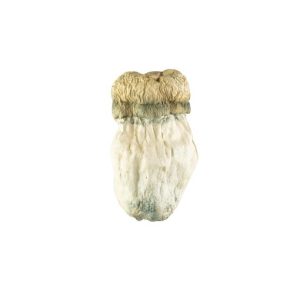
Bulk Mushrooms
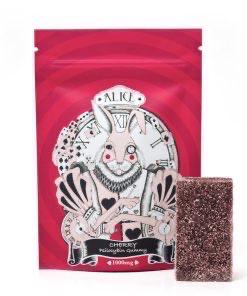
Bulk Mushrooms
Bulk Mushrooms
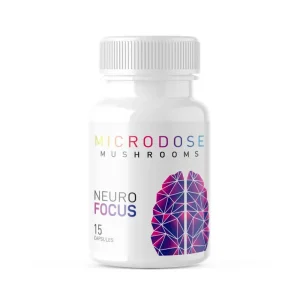
Bulk Mushrooms
Bulk Mushrooms
Bulk Mushrooms
Reviews
There are no reviews yet.