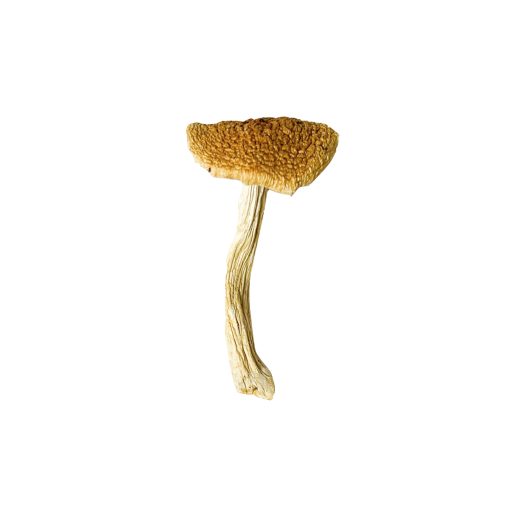
Stropharia Cubensis Mushroom
Stropharia cubensis is not a different modern mushroom species from Psilocybe cubensis. It is the original scientific name under which American mycologist Franklin Sumner Earle described the species in 1906.
Modern fungal taxonomy accepts Psilocybe cubensis (Earle) Singer, published under its current combination in 1948. Index Fungorum and Species Fungorum both list Stropharia cubensis Earle as the basionym—the original name—of today’s Psilocybe cubensis.
NCBI likewise records:
Current name: Psilocybe cubensis (Earle) Singer, 1948
Basionym: Stropharia cubensis Earle, 1906.
That makes Stropharia Cubensis historically important in psychedelic-mushroom taxonomy, but it should not be marketed as a separate strain with unique potency.
Modern searches surrounding this name increasingly include psychedelic therapy, plant medicine therapy, psilocybin products, chaga supplements and mushroom gummies. Those subjects need to be separated carefully.
Clinical psychedelic therapy involves controlled drug administration and psychological support.
Chaga is a nonpsychedelic fungus used in teas and dietary supplements.
Commercial “mushroom gummies” can contain completely different substances—and recent U.S. public-health investigations demonstrate why consumers should not assume that a product marketed as a “legal psychedelic” or “euphoric mushroom gummy” is safe.
For additional evidence-focused educational content, explore CannabisTopGrade educational resources.
Stropharia Cubensis vs Psilocybe Cubensis
The taxonomic history is straightforward.
Stropharia cubensis Earle was published in 1906.
The currently accepted name is Psilocybe cubensis (Earle) Singer, published in 1948.
Species Fungorum lists several additional historical synonyms that have at different times been applied to what is now treated as P. cubensis.
Therefore:
Stropharia cubensis = historical scientific name.
Psilocybe cubensis = current accepted scientific name.
That is very different from modern cultivar names such as B+, Golden Teacher or Penis Envy.
What Is Psilocybin?
Psilocybin is a naturally occurring psychedelic compound found in several mushroom species.
The body converts psilocybin into psilocin, producing changes in serotonin signaling and potentially substantial alterations in:
Perception.
Mood.
Emotion.
Thought.
Time perception.
Sense of self.
NCCIH notes that psilocybin experiences vary greatly among people and can include vivid imagery, strong emotions, altered perception and changes in the sense of time or self.
Effects are not automatically therapeutic.
Anxiety, fear, paranoia, confusion and other unwanted effects can also occur.
How Does Psychedelic Therapy Work?
For how does psychedelic therapy work, modern psychedelic-assisted treatment is best understood as a combined intervention, not simply a drug experience.
A common clinical model includes three broad stages:
Preparation: clinicians and participants discuss expectations, safety, psychological history and the treatment process.
Administration: a measured psychedelic dose is given in a supervised environment.
Integration or follow-up: the participant discusses and processes the experience afterward.
A systematic review of psilocybin-assisted psychotherapy found that preparation, psychedelic administration and post-treatment integration are common components of clinical programs.
A 2026 BMJ review explains that psychedelic treatments may involve interacting biological and psychological mechanisms, including altered neural circuitry, emotional processing, psychological flexibility and neuroplasticity. Scientists still do not fully understand which mechanisms are most important.
What Happens in the Brain?
Classic psychedelics such as psilocybin act strongly through serotonin 5-HT2A receptors.
Current theories suggest their effects may temporarily alter communication among brain networks and promote conditions associated with greater psychological flexibility.
Research also investigates whether psychedelics influence neuroplasticity—the brain’s capacity for functional and structural adaptation.
A recent review describes proposed mechanisms extending from serotonin-receptor activation through neural and behavioral changes associated with plasticity.
However, psychedelic therapy cannot currently be reduced to one simple mechanism.
The drug effect, subjective experience, therapist interaction, expectations and treatment environment may all contribute.
Psychological Support Matters
A 2026 systematic review examined psychological support in 29 psychedelic clinical trials involving 449 patients. Researchers found that most trials contained substantial psychotherapeutic elements even when investigators did not formally describe the intervention as psychotherapy.
This supports an important distinction:
Clinical psychedelic therapy is not equivalent to recreational psychedelic use.
Professional programs may involve:
Medical screening.
Mental-health screening.
Medication review.
Preparation.
Measured products.
Trained personnel.
Continuous monitoring.
Follow-up.
Emergency procedures.
An unregulated mushroom edible or gummy does not provide those safeguards.
FDA Psychedelic Therapy Guidance in 2026
In July 2026, the FDA finalized specific guidance for clinical investigations of psychedelic drugs.
The agency said increasing interest in psychedelic treatments creates unique challenges for trial design and issued recommendations for drug developers studying psychedelics for psychiatric, substance-use and other conditions.
The FDA continues to describe psychedelic drug development as an active field of research rather than evidence that retail psychedelic mushroom products have become approved medicines.
That distinction is important throughout this article.
Plant Medicine Therapy
The phrase plant medicine therapy is widely used in wellness and retreat communities, but it is not a precise scientific or regulatory category.
It can refer to practices involving:
Ayahuasca.
Peyote or mescaline-containing cacti.
Psilocybin mushrooms.
Traditional herbal preparations.
Other psychoactive substances.
There is also a biological problem with using the phrase for mushrooms:
Mushrooms are fungi, not plants.
So psilocybin-assisted psychotherapy is more accurately called psychedelic-assisted therapy or psilocybin-assisted therapy than plant medicine therapy.
Traditional cultural or ceremonial use can be historically important without being identical to evidence-based clinical treatment.
Plant Medicine vs Medical Psychedelic Therapy
A retreat advertised as “plant medicine therapy” should not automatically be assumed to provide medical psychedelic treatment.
Medical research programs typically identify:
The exact drug.
Drug purity.
Dose.
Participant eligibility.
Clinical outcome measures.
Adverse-event procedures.
Professional qualifications.
Follow-up.
Wellness terminology may not provide any of these details.
Consumers should therefore distinguish scientific psychedelic treatment research from broad commercial wellness language.
Psilocybin Products
The phrase psilocybin products can describe very different things.
Within research, psilocybin products may include carefully manufactured capsules or other standardized pharmaceutical preparations.
Outside research, the phrase might refer to:
Dried mushrooms.
Chocolates.
Gummies.
Capsules.
Tablets.
Extracts.
Powders.
Unverified retail edibles.
These categories do not have equivalent quality control, legality or safety.
A commercially packaged product does not become FDA-approved simply because its packaging lists milligrams or uses medical-looking terminology.
Clinical Psilocybin vs Commercial Mushroom Edibles
Clinical psilocybin has one major advantage for research: investigators know the identity and amount of the drug being administered.
Commercial mushroom edibles can be substantially less predictable.
CDC has warned that mushroom-containing edible products marketed for psychoactive effects can contain undisclosed, misformulated or unapproved ingredients.
That is why a research result involving standardized psilocybin should never be translated directly into a recommendation for a chocolate bar or gummy marketed online.
Best Chaga Mushroom Supplement
The keyword best chaga mushroom supplement concerns a fundamentally different mushroom category.
Chaga, scientifically known as Inonotus obliquus, is a nonpsychedelic fungus typically associated with birch trees in northern climates.
It is available commercially as:
Powder.
Tea.
Extract.
Capsules.
Tablets.
Memorial Sloan Kettering notes that chaga has a history of folk-medicine use, while many proposed benefits remain supported primarily by laboratory or animal research rather than strong human clinical evidence.
Therefore, there is no strong scientific basis for naming one universally best chaga supplement.
A better approach is evaluating product quality.
How to Choose a Chaga Supplement
When evaluating a chaga supplement, useful criteria include:
Clearly identified scientific name—Inonotus obliquus.
Clearly stated amount per serving.
Transparent ingredient list.
Manufacturer identity and contact information.
Lot or batch information.
Independent contaminant testing where available.
Absence of unsupported disease-treatment claims.
Clear warnings and usage information.
NIH’s Dietary Supplement Label Database illustrates that commercial chaga products vary considerably in composition, including powders and concentrated extract capsules.
The word “premium” on packaging is not evidence of superior quality.
Best Chaga Supplement and Safety
Chaga should not automatically be considered harmless because it is natural.
Memorial Sloan Kettering reports case evidence of oxalate nephropathy and severe kidney injury following prolonged high chaga intake. It also notes possible interactions with blood-thinning and blood-glucose-lowering medications.
A newer safety review likewise identifies chaga’s high oxalate concentration as a potential renal concern, particularly for people with kidney disease or a history of kidney stones.
So the best chaga supplement is not necessarily the strongest extract.
Safety, transparency and suitability for the individual matter more.
Does Chaga Have Proven Medical Benefits?
Chaga contains compounds being investigated for:
Antioxidant activity.
Anti-inflammatory effects.
Immune-related effects.
Metabolic effects.
Antitumor mechanisms.
A 2023 scientific review describes substantial laboratory evidence involving polysaccharides, triterpenoids and phenolic compounds.
However, much of that research is preclinical.
Laboratory activity does not establish that taking a chaga capsule prevents or treats cancer, diabetes or another disease in humans.
Best Legal Mushroom Products
For best legal mushroom products, legality and safety depend on the ingredients—not simply the word mushroom.
Nonpsychoactive products can include culinary or functional mushroom foods and supplements containing species such as:
Lion’s mane.
Reishi.
Chaga.
Maitake.
Oyster mushroom.
Shiitake.
Cordyceps-related ingredients.
Even these products require normal supplement scrutiny.
A legal dietary supplement is not automatically clinically proven.
Psychoactive mushroom products create much more complicated legal and safety questions.
For more educational material about product safety and U.S. substance rules, visit CannabisTopGrade safety and awareness guides.
Mushroom Gummy Brands
The growing number of mushroom gummy brands makes ingredient transparency particularly important.
Products may contain:
Lion’s mane.
Reishi.
Cordyceps.
Chaga.
Amanita muscaria extracts.
Muscimol.
Other botanical ingredients.
Cannabinoids.
Synthetic compounds.
Undisclosed psychoactive substances.
Simply seeing a mushroom image on a package tells consumers almost nothing about its pharmacology.
Recent U.S. public-health investigations provide an important warning.
Diamond Shruumz Outbreak
CDC and FDA investigated severe illnesses associated with Diamond Shruumz-branded chocolate bars, cones and gummies marketed with a proprietary mushroom blend.
CDC’s updated investigation states that 180 illnesses and 73 hospitalizations across 34 states were reported between January and October 2024, along with two associated deaths in its finalized summary.
A separate CDC MMWR report described severe neurologic and cardiac outcomes following consumption of psychoactive mushroom-based microdosing products.
The broader lesson goes beyond one brand:
Packaging and marketing do not guarantee that psychoactive mushroom edibles contain what consumers expect.
Best Shroom Gummies
For best shroom gummies, there is no evidence-based reason to recommend a particular psychoactive gummy as “best.”
The phrase “shroom gummy” is itself ambiguous.
It may refer to:
Functional mushroom gummies.
Amanita-containing products.
Psilocybin products.
Products containing other psychoactive chemicals.
Combinations of ingredients.
Products with undisclosed compounds.
Because composition can be uncertain and public-health agencies have documented severe adverse outcomes from mushroom-branded psychoactive edibles, consumers should not use brand popularity or social-media reviews as proof of safety.
Strongest Mushroom Gummies
Searching for strongest mushroom gummies focuses on potency, but potency is not a useful measure of product quality or safety.
A stronger psychoactive effect can also mean greater likelihood of:
Confusion.
Vomiting.
Loss of coordination.
Severe anxiety.
Cardiovascular effects.
Unpredictable intoxication.
Medical emergencies.
CDC specifically recommends avoiding mushroom-containing edibles marketed to produce neurologic, cognitive or psychoactive effects because they may contain undisclosed or unapproved ingredients.
Therefore, an evidence-based article should not rank commercial gummies according to which produces the strongest intoxication.
Euphoric Mushroom Gummies
The phrase euphoric mushroom gummies appears frequently in online marketing.
Terms such as:
Euphoric.
Trippy.
Microdose.
Legal psychedelic.
Mushroom magic.
Mind-expanding.
do not establish what compounds are actually present.
In fact, CDC’s public recommendations explicitly advise people not to consume chocolates, gummies or snack foods that claim to produce euphoria, hallucinations or psychedelic effects.
That is an unusually direct public-health warning.
Amanita Muscaria Mushroom Gummies
Some products marketed as legal mushroom edibles have used Amanita muscaria rather than psilocybin mushrooms.
Amanita muscaria contains psychoactive compounds such as muscimol and ibotenic acid, but its pharmacology differs substantially from psilocybin.
In December 2024, FDA concluded that Amanita muscaria, its extracts, muscimol, ibotenic acid and muscarine do not meet the GRAS safety standard for use as conventional food ingredients and may be harmful.
FDA advised consumers to avoid foods containing these ingredients.
Therefore, describing Amanita-based gummies simply as “safe legal psychedelics” is misleading.
Mushroom Edibles Smoke Shop
The keyword mushroom edibles smoke shop reflects a real retail trend: psychoactive-looking mushroom gummies and chocolates are sometimes sold through smoke, vape, CBD or convenience-style retailers.
CDC specifically noted that investigated Diamond Shruumz products had been distributed through online sellers and retail stores that also sell hemp-derived and smoke/vape products.
However, being sold openly at a smoke shop does not prove:
FDA approval.
Safety.
Accurate ingredients.
Accurate potency.
Legality in every jurisdiction.
Clinical effectiveness.
Retail availability and regulatory approval are very different concepts.
Best Psychedelic Mushroom Edibles
For best psychedelic mushroom edibles, current evidence does not support ranking retail products.
A clinical psilocybin capsule used in a regulated study is different from a commercially marketed “psychedelic edible.”
The FDA regulates drug development around:
Identity.
Purity.
Dose.
Manufacturing.
Clinical outcomes.
Adverse events.
Commercial mushroom edibles can lack many of these controls.
CDC’s investigation of psychoactive mushroom products reinforces why consumers should not assume a chocolate or gummy is predictable merely because it is professionally packaged.
An evidence-based approach is therefore to evaluate ingredients and regulatory status rather than hunt for the “best” or “strongest” psychedelic edible.
Legal Does Not Always Mean Safe
The phrase best legal mushroom products can create another misconception.
Legal status and safety are separate questions.
A substance can be:
Legal but risky.
Legal but poorly studied.
Also Legal but mislabeled.
Legal in one state but restricted elsewhere.
Legal as a supplement but not approved to treat disease.
Likewise, a substance can be under legitimate clinical investigation without being approved for unrestricted retail sale.
This distinction is especially important with mushroom gummies and other rapidly evolving products.
Functional Mushroom Gummies
Nonpsychoactive mushroom gummies can contain ingredients such as lion’s mane, reishi or cordyceps-related materials.
These do not produce a classic psilocybin experience.
Consumers evaluating functional mushroom gummies should consider:
Exact species.
Amount per serving.
Other ingredients.
Added sugar.
Independent testing.
Manufacturer transparency.
Whether disease claims exceed available evidence.
The same basic supplement-quality principles apply to powders, capsules and gummies.
Psilocybin Products vs Functional Mushroom Products
A major source of online confusion is the tendency to place every mushroom-based product into one category.
They are not one category.
Functional mushroom product: typically marketed for general wellness and contains nonpsilocybin fungal ingredients.
Chaga supplement: generally contains Inonotus obliquus material or extract.
Amanita edible: may contain muscimol or related compounds and carries separate FDA safety concerns.
Psilocybin product: contains a federally controlled psychedelic compound and raises a different legal and pharmacological issue.
Clinical psychedelic drug: produced and administered within a formal research or regulated medical framework.
These distinctions matter far more than the word “mushroom” printed on the package.
Can Mushroom Gummies Replace Psychedelic Therapy?
No.
Even a product that genuinely contains a psychedelic substance is not equivalent to psychedelic-assisted therapy.
Therapy involves more than the drug.
Clinical evidence increasingly treats psychedelic therapy as a complex intervention combining biological effects with the subjective experience, professional support and treatment context.
A retail gummy purchased without screening or clinical supervision does not reproduce that intervention.
Are Psychedelic Mushroom Products FDA Approved?
Retail magic-mushroom chocolates, gummies and similar products should not be described as FDA-approved psychedelic treatments.
The FDA’s 2026 psychedelic guidance concerns clinical development of drugs, not approval of recreational mushroom edibles.
FDA says it continues supporting psychedelic drug development for serious mental-health conditions, but that development proceeds through clinical research and regulatory review.
A commercial product using terms such as “therapeutic,” “wellness” or “microdose” does not acquire FDA approval simply through its branding.
Frequently Asked Questions
1. What is Stropharia cubensis?
Stropharia cubensis Earle is the original 1906 scientific name for the mushroom now accepted as Psilocybe cubensis (Earle) Singer. It is a taxonomic synonym rather than a separate modern mushroom strain.
2. How does psychedelic therapy work?
Psychedelic-assisted therapy generally combines preparation, supervised psychedelic administration and follow-up or integration. Current research suggests outcomes may involve interacting neurobiological, experiential, psychological and therapeutic processes rather than a drug effect alone.
3. What is the best chaga mushroom supplement?
There is no scientifically established single best chaga brand. More useful criteria include transparent Inonotus obliquus identification, ingredient and serving information, quality testing and avoidance of exaggerated disease claims. High or prolonged chaga consumption can also raise kidney and medication-interaction concerns.
4. What are the best or strongest shroom gummies?
There is no evidence-based ranking of psychoactive mushroom gummies by “best” or “strongest.” CDC has warned about serious illnesses associated with mushroom-based psychoactive edibles and advises against products claiming to cause euphoria, hallucinations or psychedelic effects.
5. Are legal mushroom gummies automatically safe?
No. Legal status does not establish ingredient accuracy, clinical effectiveness or safety. FDA has specifically concluded that Amanita muscaria and several of its constituents are not authorized conventional food ingredients and may be harmful.
Final Thoughts on Stropharia Cubensis Mushroom
Stropharia cubensis is historically important because it was the original scientific name given in 1906 to the species now accepted as Psilocybe cubensis. It is not a separate psychedelic strain.
For how does psychedelic therapy work, current evidence describes a structured process involving preparation, controlled administration and follow-up or integration. The therapeutic effect may arise from interactions between pharmacology, neuroplasticity, psychological experience and professional support.
Regarding plant medicine therapy, the phrase is commonly used in wellness communities but is not equivalent to a regulated medical category—and mushrooms themselves are fungi rather than plants.
For best chaga mushroom supplement and best chaga supplement, there is no scientifically established top brand. Product transparency, quality testing and safety matter more than exaggerated potency claims. Chaga may also create kidney or medication-interaction risks in some circumstances.
Concerning best legal mushroom products, ingredients matter more than marketing terminology.
For psilocybin products, standardized clinical psilocybin and commercial mushroom edibles are fundamentally different products.
For mushroom gummy brands, best shroom gummies, strongest mushroom gummies, euphoric mushroom gummies, mushroom edibles smoke shop and best psychedelic mushroom edibles, recent CDC and FDA findings provide a strong reason for caution. CDC documented serious illness linked to mushroom-branded psychoactive edibles and has advised against products marketed for hallucinations or euphoria.
FDA separately concluded that Amanita muscaria, muscimol, ibotenic acid and related constituents are not authorized for conventional food use and may be harmful.
The central lesson is that “mushroom,” “legal,” “euphoric,” “psychedelic” and “wellness” are marketing words—not guarantees of chemical identity, regulatory approval or safety.
For more evidence-based educational reading, explore CannabisTopGrade mushroom and psychedelic research articles.
Recommended Outbound Resources
Index Fungorum — Stropharia cubensis
FDA — Psychedelic Drugs: Considerations for Clinical Investigations
NCCIH — Psilocybin for Mental Health and Addiction
CDC — Mushroom-Based Psychoactive Product Investigation
| Quantity | 3.5G, 7G, 14G, 28G, 1/4 LB |
|---|
Be the first to review “Stropharia Cubensis”
Related products
Bulk Mushrooms
Bulk Mushrooms
Bulk Mushrooms
Bulk Mushrooms
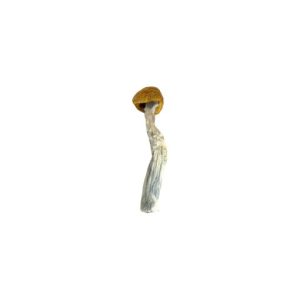
Bulk Mushrooms
Bulk Mushrooms
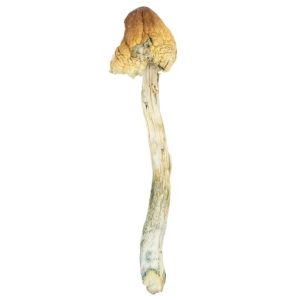
Bulk Mushrooms
Bulk Mushrooms
Reviews
There are no reviews yet.