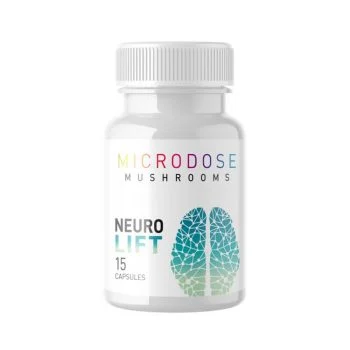
Neuro Lift Microdose
Neuro Lift Microdose is a product-style name that should not automatically be interpreted as a standardized psilocybin medicine.
I could not verify one authoritative pharmaceutical formulation marketed consistently under this exact name. Therefore, the words Neuro Lift, microdose, or a milligram quantity on packaging do not by themselves establish whether a product contains psilocybin, functional mushroom extracts, another psychoactive compound, or a proprietary mixture.
That distinction is especially important because searches for Neuro Lift Microdose often overlap with terms such as microdosing mushroom drink, psychedelic mushroom drinks, shroom water, magic mushrooms anxiety, magic mushrooms for depression, and microdosing for depression and anxiety.
Current science draws a major distinction between:
Psilocybin-assisted therapy using measured doses under professional supervision, which has produced promising depression results in randomized clinical trials,
and
psychedelic microdosing, for which placebo-controlled evidence remains inconsistent.
A 2026 systematic review and meta-analysis of seven randomized controlled trials involving 522 participants with major depressive disorder found a significant antidepressant effect for psilocybin-assisted therapy.
By contrast, a separate 2026 review of 24 microdosing studies involving 3,681 participants found that randomized trials showed no clear immediate improvement in depression, anxiety, or stress compared with placebo.
That difference should remain central to any evidence-based discussion of Neuro Lift Microdose.
For more educational mushroom and psychedelic material, explore CannabisTopGrade educational resources.
What Is Neuro Lift Microdose?
The name Neuro Lift Microdose sounds like a product marketed around cognitive, mood, or psychedelic effects.
However, product branding is not a chemical analysis.
Before interpreting any product marketed this way, relevant questions include:
What mushroom species is actually listed?
Does it contain psilocybin?
Does it contain Amanita muscaria or muscimol?
And Does it contain functional mushrooms such as lion’s mane?
What does the milligram amount measure?
Are psychoactive compounds independently quantified?
Is batch-specific laboratory testing available?
Are additional botanical, cannabinoid, or pharmaceutical ingredients present?
This caution is justified by recent U.S. public-health experience.
CDC’s investigation of mushroom-based psychoactive products found that different samples marketed under similar branding contained different combinations of substances, including psilocin, O-acetylpsilocin, muscimol, kavalactones, and pregabalin.
A label saying “mushroom microdose” therefore does not guarantee one predictable pharmacological product.
Microdosing Mushroom Drink
A microdosing mushroom drink is generally a beverage marketed as containing a small amount of mushroom material, mushroom extract, or a psychoactive mushroom-associated ingredient.
But the term does not tell consumers what the drink actually contains.
It could involve:
Functional mushroom extracts.
Ground mushroom material.
Psilocybin-containing material.
Amanita-derived compounds.
Botanical ingredients.
Cannabinoids.
Other psychoactive ingredients.
The word microdosing itself does not guarantee standardized testing.
This is especially important because CDC warns that products marketed with terms such as “microdosing,” “adaptogens,” “nootropics,” or “functional mushrooms” may contain undisclosed, misformulated, or unapproved ingredients.
Psychedelic Mushroom Drinks
Psychedelic mushroom drinks occupy a complicated space between beverage marketing, mushroom supplements, and psychoactive-product culture.
A drink advertised as:
Psychedelic.
Euphoric.
Magic mushroom.
Microdose.
Mind enhancing.
Trippy.
does not necessarily contain pharmaceutical psilocybin.
FDA has separately warned that Amanita muscaria, its extracts, muscimol, ibotenic acid, and muscarine do not meet the safety standard for conventional food use and may be harmful.
Therefore, consumers should distinguish at least three categories:
Nonpsychoactive functional mushroom beverages.
Unregulated psychoactive mushroom beverages.
Psilocybin used in controlled clinical research.
Those categories should never be treated as interchangeable.
Shroom Water
The phrase shroom water can refer informally to water- or tea-based mushroom preparations.
NCCIH notes that psilocybin-containing mushrooms may be eaten fresh or dried, mixed with food, or consumed as tea.
That observation describes routes of use; it does not establish a medically recommended preparation.
Commercial beverages introduce additional uncertainty because consumers may not know:
Which mushroom was used.
How much active compound is present.
Whether the product is homogeneous.
Whether contaminants or other drugs are present.
And Whether the label is accurate.
For that reason, a bottle marketed as “shroom water” should not be considered equivalent to a standardized clinical psilocybin dose.
Are Mushroom Drinks Safer Than Mushroom Chocolates or Gummies?
There is no evidence-based rule that a liquid mushroom product is automatically safer than a chocolate, capsule, or gummy.
Safety depends primarily on:
Chemical identity.
Dose.
Purity.
Manufacturing quality.
Contaminants.
Other ingredients.
Health status.
Medication interactions.
The recent U.S. mushroom-edible outbreak illustrates why product composition matters.
CDC ultimately documented 180 illnesses in 34 states, including 73 hospitalizations and two deaths, associated with Diamond Shruumz products during January–October 2024.
Testing found substantial ingredient variability even among commercially packaged products.
The broader lesson applies to drinks as well: polished packaging does not establish pharmaceutical consistency.
Magic Mushrooms Anxiety
For magic mushrooms anxiety, the evidence is more complicated than saying mushrooms either cure or cause anxiety.
Psilocybin has been studied as part of professionally supervised psychedelic-assisted treatment for anxiety and psychological distress.
NCCIH reports that four small studies involving 117 people, most facing life-threatening cancer, suggested that psilocybin combined with psychotherapy may improve anxiety, depression, existential distress, and quality of life. However, NCCIH emphasizes limitations including small samples and possible bias.
Psilocybin can also cause anxiety.
Possible acute unwanted experiences include:
Fear.
Confusion.
Panic.
Paranoia.
Anxiety.
NCCIH specifically lists anxiety among possible psilocybin adverse effects.
Therefore, “magic mushrooms anxiety” has two meanings:
Psilocybin is being investigated for certain anxiety-related conditions.
Psilocybin itself can provoke anxiety in some circumstances.
Both facts matter.
Psilocybin Anxiety Research
For psilocybin anxiety, the strongest evidence does not support a universal conclusion that psilocybin treats every anxiety disorder.
Research populations have differed substantially.
Some studies involve people with:
Cancer-related distress.
Major depression.
Existential anxiety.
Other psychiatric symptoms.
A 2026 systematic review examining anxiety and affective symptoms also emphasizes that psychedelic research needs to account for the possibility that psychedelics themselves can provoke anxiety or longer-lasting affective symptoms in some individuals.
That is why screening and professional supervision are important components of clinical trials.
Mushrooms for Anxiety
The phrase mushrooms for anxiety can also refer to completely different mushroom categories.
Examples include:
Psilocybin-containing mushrooms.
Lion’s mane supplements.
Reishi products.
Functional mushroom blends.
These products have different chemistry.
Clinical evidence involving pharmaceutical psilocybin cannot be transferred to lion’s mane, and lion’s-mane supplement studies cannot establish that a psychedelic mushroom treats anxiety.
For psilocybin specifically, evidence is most appropriately described as promising for selected clinical contexts but not equivalent to an approved universal anxiety treatment.
For additional mental-health education, explore CannabisTopGrade psychedelic research guides.
Magic Mushrooms for Depression
Research surrounding magic mushrooms for depression has advanced considerably, but the scientific studies generally involve standardized psilocybin rather than ordinary retail mushroom products.
A 2026 meta-analysis examined seven randomized trials involving 522 people with major depressive disorder and found psilocybin-assisted therapy produced a large overall reduction in depressive symptoms.
Another 2026 systematic review identified seven depression trials involving 464 participants and also found significant treatment effects, though it characterized the overall quality of evidence as moderate.
A separate 2026 meta-analysis of six randomized controlled trials found standard-dose psilocybin superior to control conditions for reducing major-depression symptoms.
This provides meaningful evidence that psilocybin-assisted treatment deserves continued investigation.
It does not establish that unregulated “magic mushroom” products are interchangeable with these protocols.
Shrooms Depression
The search phrase shrooms depression illustrates an important language problem.
Researchers typically study:
Measured psilocybin.
Known formulations.
Screened patients.
Professional monitoring.
Psychological support.
Controlled environments.
Commercial or informal “shrooms” may involve:
Unknown potency.
Variable species or cultivar.
Variable active-compound concentration.
Uncertain contaminants.
No clinical screening.
No professional monitoring.
Therefore, the scientific statement should be:
Psilocybin-assisted treatment has demonstrated promising antidepressant effects in controlled trials.
It should not be converted into:
Any psilocybin mushroom cures depression.
Those statements are not equivalent.
Mushrooms for Depression
For mushrooms for depression, consumers may encounter two broad categories.
Nonpsychoactive mushrooms such as lion’s mane are sometimes marketed for mood support.
Psychedelic mushrooms contain psilocybin and relate to a different research field.
Evidence supporting psilocybin-assisted treatment is currently much more clinically developed than evidence establishing an ordinary functional mushroom supplement as a treatment for major depressive disorder.
Still, even the psilocybin evidence has limitations.
Blinding is difficult because people can often tell whether they received a psychedelic drug.
Treatment protocols differ.
Studies may involve intensive psychological support.
Sample sizes remain far smaller than those used to establish many conventional antidepressants.
Psilocybin should therefore be described as an emerging treatment under active research, not a universal replacement for established depression care.
Psychedelic Mushrooms for Depression
For psychedelic mushrooms for depression, the distinction between whole mushrooms and pharmaceutical psilocybin is critical.
Many clinical trials administer a precisely measured dose.
They do not simply give participants a random weight of Psilocybe cubensis mushrooms.
Whole mushrooms can vary in:
Psilocybin concentration.
Psilocin concentration.
Species.
Cultivar.
Individual specimen chemistry.
Storage history.
Contamination.
A clinical result involving standardized psilocybin cannot therefore provide a guaranteed prediction for a commercial mushroom drink or dried mushroom product.
Psilocybin Treatment
Psilocybin treatment is best understood as a developing clinical model rather than merely taking mushrooms.
Modern trials often involve:
Participant screening.
Medication review.
Preparation.
A known psilocybin dose.
Supervision throughout the psychedelic experience.
Psychological support.
Follow-up or integration.
For example, a recent randomized trial in recurrent major depression administered a single 25 mg psilocybin dose with five psychotherapeutic-support sessions. The study reported significantly greater symptom improvement at day 8 than active placebo and followed participants for up to one year.
The therapeutic intervention was therefore much more than simply taking psilocybin.
Psilocybe Therapy
The phrase psilocybe therapy appears in search queries, but psilocybin-assisted therapy is generally the more accurate scientific term.
Psilocybe is a mushroom genus.
Psilocybin is the psychoactive compound administered in many clinical studies.
So:
Psilocybe = fungal genus.
Psilocybin = psychedelic compound.
Psilocybin-assisted therapy = clinical or investigational treatment model involving psilocybin plus professional support.
Using these terms correctly helps prevent confusion between clinical trials and whole mushroom products.
How Psilocybin Treatment May Work
After entering the body, psilocybin is converted to psilocin.
Psilocin interacts strongly with serotonin receptors, particularly 5-HT2A receptors.
These effects contribute to changes involving:
Perception.
Emotion.
Self-processing.
Cognition.
Time perception.
Brain-network communication.
Researchers are also investigating whether psychedelic experiences influence psychological flexibility, emotional processing, and neuroplasticity.
However, scientists continue debating exactly how much therapeutic improvement results from:
Direct pharmacology.
The subjective psychedelic experience.
Psychological support.
Expectations.
Therapeutic environment.
Post-session processing.
Psilocybin-assisted treatment is therefore best viewed as a complex intervention rather than simply a chemical antidepressant.
Microdosing for Depression and Anxiety
For microdosing for depression and anxiety, the evidence is substantially weaker than that for standard-dose psilocybin-assisted treatment.
This distinction is one of the most important points in this article.
A 2026 meta-analysis of psychedelic microdosing in healthy adults reviewed 24 studies containing 3,681 participants.
In randomized controlled trials, researchers found no clear immediate benefit for:
Depressive symptoms.
Anxiety.
Stress.
Observational studies sometimes reported improvements, but the effects were imprecise and potentially influenced by expectancy or lifestyle factors.
Therefore:
Evidence for full-dose psilocybin-assisted depression treatment should not be used as evidence that microdosing treats depression.
Microdosing Mushrooms Anxiety
For microdosing mushrooms anxiety, the scientific evidence is similarly uncertain.
People may report that microdosing makes them feel:
Calmer.
More emotionally flexible.
Less worried.
More socially connected.
But other people report:
Increased anxiety.
Poor concentration.
Sleep problems.
Low mood.
Physical discomfort.
NCCIH explicitly notes that microdosing psilocybin may produce increased anxiety and depression, along with insomnia, gastrointestinal discomfort, headache, poor focus, and other adverse effects.
Calling microdosing an established anxiety remedy therefore goes beyond current evidence.
Why Microdosing and Psilocybin Therapy Are Different
Consider the difference:
Microdosing
Uses very small repeated psychedelic exposures.
Attempts to avoid a full psychedelic state.
Frequently occurs outside clinics.
Has inconsistent placebo-controlled evidence for mood benefits.
Has uncertain long-term safety.
Psilocybin-assisted therapy
Uses a known active dose.
Usually creates a substantial psychedelic experience.
Involves screening.
Uses professional supervision.
Often includes preparation and follow-up.
Has a growing randomized evidence base for depression.
These two practices should not be combined into one SEO health claim.
Is Microdosing Better for Anxiety Because the Dose Is Smaller?
Not necessarily.
A smaller amount can reduce the intensity of some acute psychedelic effects, but that does not prove a therapeutic benefit.
Low-dose and microdosing reviews continue to conclude that efficacy remains unclear.
A 2026 systematic review examining low-dose psilocybin for psychiatric conditions found that the therapeutic evidence was still insufficient to establish low-dose approaches as effective psychiatric treatments.
This is why “smaller” should not be equated automatically with:
More effective.
Safer long-term.
Better for anxiety.
Better for depression.
Do Microdoses Work Like Antidepressants?
Current evidence does not establish microdosing as a replacement for conventional antidepressant treatment.
Standard antidepressants have well-defined:
Dosing ranges.
Manufacturing standards.
Contraindications.
Interaction data.
Safety monitoring.
Large clinical-trial programs.
Microdosing protocols vary dramatically between studies and real-world users.
A 2026 umbrella review found that evidence for mood and cognitive benefits remains vulnerable to expectancy bias and methodological limitations.
Research is ongoing, including a 2026 Phase II placebo-controlled trial protocol specifically investigating psilocybin microdosing for major depressive disorder.
The fact that such trials are still being conducted demonstrates that the question has not been settled.
Can Psilocybin Make Depression or Anxiety Worse?
Yes, unwanted psychological responses can occur.
NCCIH lists:
Anxiety.
Paranoia.
Poor sleep.
Fear.
Confusion.
Panic.
among possible adverse experiences associated with psilocybin.
A 2026 systematic review specifically examining anxiety and affective symptoms related to classic psychedelics underscores the need to study adverse psychological outcomes rather than evaluating only potential benefits.
This is one reason clinical programs carefully screen participants.
Who Requires Particular Caution?
NCCIH states that psilocybin is considered unsafe for people with psychotic conditions such as schizophrenia and schizoaffective disorder and raises concerns for severe forms of certain other psychiatric conditions.
Clinical studies commonly apply additional inclusion and exclusion criteria involving:
Psychiatric history.
Cardiovascular health.
Current medications.
Pregnancy.
Substance-use history.
Suicide risk.
Other medical conditions.
A commercial mushroom beverage usually does not reproduce that screening process.
Mushroom Drink Marketing and Mental Health Claims
Consumers should be cautious when a microdosing mushroom drink claims to:
Treat depression.
Eliminate anxiety.
Replace antidepressants.
Repair the brain.
Guarantee happiness.
Deliver “clinical psilocybin.”
Marketing language does not establish clinical effectiveness.
This is especially important because CDC has warned about mushroom-containing psychoactive products marketed around claims of better focus, energy, euphoria, hallucinations, and psychedelic effects.
Some products have contained substances not obvious from the branding.
Why Ingredient Testing Matters
CDC’s 2026 final investigation of the Diamond Shruumz outbreak reported that FDA testing detected varying substances across tested products, including:
O-acetylpsilocin.
Psilocin.
Kavalactones.
Pregabalin.
Muscimol.
Different samples of the same general product line did not necessarily contain identical compounds.
That makes batch-specific testing much more informative than marketing terms such as:
Neuro.
Lift.
Microdose.
Psychedelic blend.
Mushroom nootropic.
Psychedelic Mushroom Drinks vs Clinical Psilocybin
A commercial psychedelic mushroom drink is not equivalent to clinical psilocybin.
A clinical trial may know:
Exact drug identity.
Exact drug amount.
Manufacturing purity.
Participant medical history.
Treatment setting.
Psychological-support protocol.
Adverse-event procedures.
A retail beverage may provide far less certainty.
Therefore, promising depression results from clinical psilocybin trials should not be used to claim that an unregulated psychedelic drink provides the same benefit.
Can Mushroom Drinks Contain Amanita Instead?
Yes, some mushroom edibles marketed for psychoactive effects have used Amanita muscaria ingredients rather than psilocybin.
That difference is significant.
Amanita muscaria contains compounds such as muscimol and ibotenic acid and works through pharmacological mechanisms very different from classic serotonergic psychedelics.
FDA concluded in December 2024 that Amanita muscaria, its extracts, and several associated compounds do not meet the safety standard for conventional food ingredients and may be harmful.
A drink marketed as a “legal mushroom experience” therefore should not automatically be assumed to be a psilocybin product.
What Current Depression Evidence Actually Supports
The strongest current claim supported by controlled evidence is fairly specific:
Psilocybin administered in professionally supported clinical settings has produced significant reductions in depressive symptoms in several randomized trials.
The 2026 review of seven RCTs and 522 participants reported a large overall antidepressant effect.
Another 2026 meta-analysis found standard-dose psilocybin superior to control across major-depression trials.
But this does not establish:
Microdosing as equivalent treatment.
Whole mushrooms as standardized medicine.
Commercial mushroom drinks as effective antidepressants.
Self-treatment as equivalent to professional psychedelic therapy.
Those distinctions preserve both scientific accuracy and consumer safety.
Where Microdosing Research Is Going
Research has not stopped.
Scientists are continuing to investigate whether carefully standardized low-dose psilocybin can help psychiatric symptoms.
A 2026 Phase II randomized, double-blind, placebo-controlled trial protocol is specifically investigating psilocybin microdosing in major depressive disorder.
That is important because it shows how science handles uncertainty:
Rather than assuming microdosing works because thousands of people report benefits, researchers test the hypothesis under controlled conditions.
Those future data may strengthen, weaken, or refine current conclusions.
Mental Health Treatment Should Not Depend on Product Branding
Someone experiencing significant anxiety or depression should not assume that a beverage with words such as:
Neuro.
Lift.
Microdose.
Mushroom therapy.
Mood.
Focus.
is an established psychiatric treatment.
Persistent depression or anxiety can involve complex biological, psychological, environmental, and medical factors.
Evidence-based assessment can help distinguish conditions such as:
Major depressive disorder.
Generalized anxiety disorder.
Panic disorder.
PTSD.
Bipolar-spectrum illness.
Medication-related symptoms.
Substance-related symptoms.
Other medical causes.
A commercial product name cannot perform that assessment.
For further educational reading, explore CannabisTopGrade mushroom and mental-health resources.
1. Is Neuro Lift Microdose a standardized psilocybin medicine?
I could not verify an authoritative pharmaceutical formulation associated consistently with this exact name. A product using the words “Neuro Lift Microdose” should therefore not be assumed to contain standardized psilocybin without reliable ingredient and laboratory information.
2. Do magic mushrooms help depression?
Standardized psilocybin administered with psychological support has produced significant improvements in depression across several randomized clinical trials. A 2026 meta-analysis included seven RCTs involving 522 participants and reported a significant antidepressant effect. This evidence should not be generalized automatically to unregulated whole-mushroom products.
3. Does microdosing mushrooms help anxiety and depression?
Current randomized evidence does not establish a reliable benefit. A 2026 review of 24 studies found no clear immediate reduction in depressive symptoms, anxiety, or stress from microdosing compared with control conditions.
4. Are psychedelic mushroom drinks the same as psilocybin therapy?
No. Commercial mushroom drinks can contain very different ingredients, while clinical psilocybin research uses identified and measured drug preparations together with screening and professional support. CDC has documented substantial ingredient variability in some commercial mushroom-based psychoactive products.
5. Can psilocybin cause anxiety?
Yes. Although psilocybin is being investigated for certain anxiety-related conditions, acute adverse effects can include fear, panic, anxiety, confusion, and paranoia. Microdosing can also increase anxiety in some people.
Final Thoughts on Neuro Lift Microdose
Neuro Lift Microdose should be treated as a commercial-style product name until its exact ingredients and formulation are independently established.
For microdosing mushroom drink, psychedelic mushroom drinks, and shroom water, the most important issue is chemical identity. A beverage labeled mushroom or microdose does not automatically contain standardized psilocybin.
For magic mushrooms anxiety, psilocybin anxiety, and mushrooms for anxiety, supervised psilocybin-assisted treatment has produced encouraging findings in certain populations, particularly people experiencing serious-illness-related distress. However, psilocybin can itself trigger anxiety, panic, fear, and paranoia.
Regarding magic mushrooms for depression, shrooms depression, mushrooms for depression, and psychedelic mushrooms for depression, the strongest evidence comes from standardized psilocybin-assisted treatment rather than arbitrary whole-mushroom products. Multiple 2026 meta-analyses found significant antidepressant effects in randomized trials.
For psilocybin treatment and the search phrase psilocybe therapy, clinical psychedelic treatment involves much more than taking a mushroom: screening, measured drug administration, monitoring, psychological support, and follow-up are important components.
Regarding microdosing for depression and anxiety and microdosing mushrooms anxiety, current evidence is substantially weaker. The newest randomized evidence does not show consistent benefits over placebo for depression, anxiety, or stress.
The most important distinction is therefore:
Promising evidence for professionally supervised psilocybin-assisted therapy does not establish that mushroom microdoses, mushroom drinks, or commercial “Neuro” products are effective treatments for depression or anxiety.
Recommended Outbound Resources
NCCIH — Psilocybin for Mental Health and Addiction
PubMed — 2026 Psilocybin-Assisted Therapy for Depression Meta-Analysis
PubMed — 2026 Psychedelic Microdosing Systematic Review
| Quantity | 5 Capsules, 25 Capsules |
|---|
Be the first to review “Neuro Lift Microdose for Sale Online”
Related products
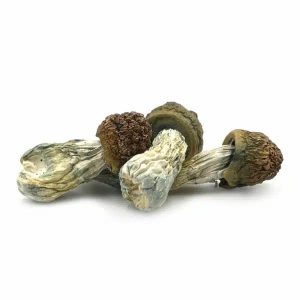
Bulk Mushrooms
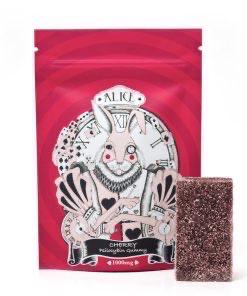
Bulk Mushrooms
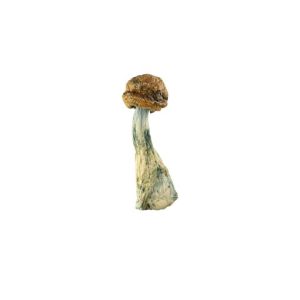
Bulk Mushrooms
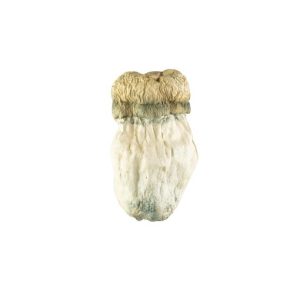
Bulk Mushrooms
Bulk Mushrooms
Bulk Mushrooms
Bulk Mushrooms
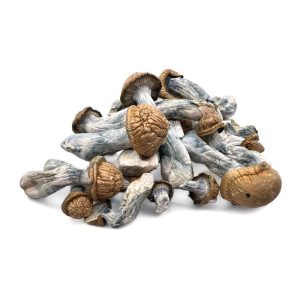
Bulk Mushrooms
Reviews
There are no reviews yet.