
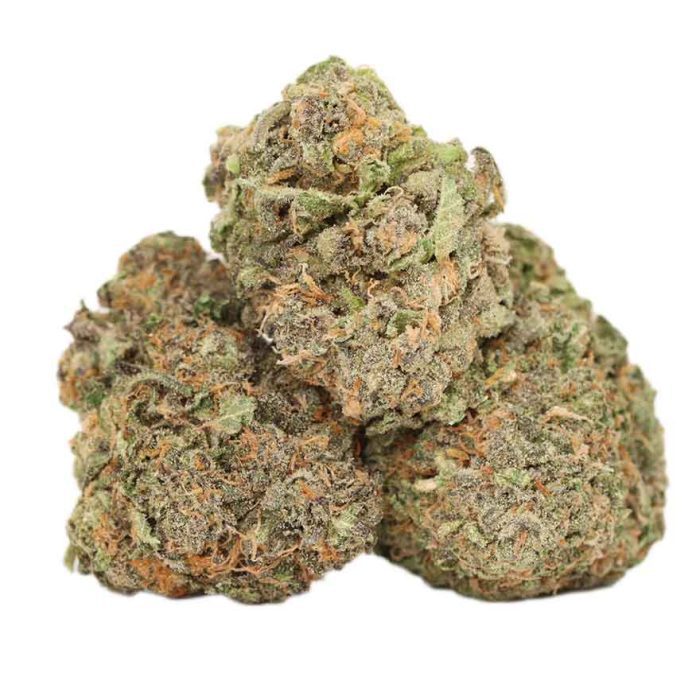
Permanent Marker Strain
Permanent Marker Strain is one of the most recognizable modern hybrid cannabis cultivars in the United States.
Seed Junky Genetics bred Permanent Marker from:
(Biscotti × Sherb Bx) × Jealousy
Doja Pak selected and helped commercialize the cultivar, and Leafly named Permanent Marker its:
2023 Strain of the Year.
Leafly currently lists Permanent Marker at approximately:
25% THC
and identifies its leading consumer-reported effects as:
- tingly;
- relaxed;
- euphoric.
Its leading flavor descriptions include:
- ammonia;
- chemical;
- tobacco.
Leafly also lists prominent terpenes including:
- myrcene;
- limonene;
- caryophyllene.
Permanent Marker provides an excellent foundation for answering current cannabis cultivation searches including:
how many weed plants can you legally grow in California, how many weed plants can you have, how many plants can I grow in California, and what states are legal to grow pot.
The most important California answer is:
Adults age 21 or older may grow up to six cannabis plants at home for personal use.
California cities and counties may impose additional reasonable requirements involving:
- permits;
- indoor cultivation;
- location;
- security;
- nuisance rules.
Commercial cannabis cultivation is different. Anyone growing cannabis commercially in California must comply with state and local licensing requirements.
For more U.S.-focused cannabis strain and cannabis-law education, explore Cannabistopgrade.com.
Permanent Marker Strain Quick Profile
| Characteristic | Permanent Marker Strain |
|---|---|
| Breeder | Seed Junky Genetics |
| Selection/commercialization | Doja Pak |
| Genetics | (Biscotti × Sherb Bx) × Jealousy |
| Type | Hybrid / indica-dominant |
| Leafly THC | About 25% |
| CBD | About 0% on Leafly |
| Top reported effects | Tingly, relaxed, euphoric |
| Top flavors | Ammonia, chemical, tobacco |
| Key terpenes | Myrcene, limonene, caryophyllene |
| Leafly recognition | Strain of the Year 2023 |
| California home-grow age | 21+ |
| California adult plant limit | Up to 6 plants |
| Local restrictions possible? | Yes |
| Commercial cultivation license required? | Yes |
What Is Permanent Marker Strain?
Permanent Marker is a modern cannabis hybrid created by Seed Junky Genetics and selected by Doja Pak.
Its documented genetic formula is:
(Biscotti × Sherb Bx) × Jealousy.
The cultivar entered wider commercial markets around 2022 and expanded rapidly because of its:
- strong aroma;
- high THC;
- dense flower structure;
- unusual chemical-and-candy terpene character.
Permanent Marker became especially prominent after receiving Leafly’s 2023 Strain of the Year designation.
Permanent Marker Genetics
Leafly identifies Permanent Marker as a combination of:
Biscotti
Sherb Bx
and:
Jealousy.
The simplified genetic structure is:
(Biscotti × Sherb Bx) × Jealousy.
These genetics place Permanent Marker firmly within the modern Cookies, Gelato, Sherbet and dessert-strain family.
Biscotti Parent
Biscotti is a Cookies-family hybrid associated with:
- sweet;
- earthy;
- nutty;
- gassy;
characteristics.
It contributes heavily to Permanent Marker’s dense structure and pungent aroma.
Sherb Bx Parent
Sherb Bx refers to backcrossed Sunset Sherbet-related genetics.
Sunset Sherbet itself has strong connections to:
- GSC;
- Cookies;
- Gelato-family genetics.
This contributes:
- sweetness;
- fruit;
- cream;
- gas.
Jealousy Parent
Jealousy is another highly influential modern hybrid.
It is associated with:
- sweet fruit;
- earth;
- fuel;
- dessert-style aromas.
Jealousy helped push Permanent Marker toward its distinctive modern high-potency profile.
Is Permanent Marker Indica or Sativa?
Leafly classifies Permanent Marker simply as:
Hybrid.
Weedmaps describes it more specifically as an:
indica-dominant hybrid.
Weedmaps gives a commonly cited ratio of approximately:
70% indica / 30% sativa.
These percentages should be treated as breeder or market classifications rather than precise laboratory measurements.
Permanent Marker THC Percentage
Leafly currently lists Permanent Marker at approximately:
25% THC.
That places it among relatively potent commercial cannabis flower strains.
Individual batches can test higher or lower.
Why Permanent Marker THC Varies
Actual THC concentration can change because of:
- phenotype;
- cultivation environment;
- harvest timing;
- lighting;
- plant nutrition;
- drying;
- curing;
- storage;
- laboratory methodology.
The specific package or certificate of analysis provides better information than a strain-wide average.
Is Permanent Marker Strong?
Permanent Marker is generally regarded as a relatively potent cultivar.
Leafly describes its potency as:
higher THC than average.
Potential unwanted effects reported by consumers include:
- anxiety;
- headache;
- dry eyes.
High-THC cannabis can also impair:
- reaction time;
- attention;
- judgment;
- coordination.
Permanent Marker Effects
Leafly’s leading consumer-reported effects are:
- tingly;
- relaxed;
- euphoric.
Weedmaps reports leading effects including:
- hungry;
- relaxed;
- giggly.
These effects are subjective user reports rather than guaranteed outcomes.
Permanent Marker Flavor
Leafly’s leading flavor terms include:
- ammonia;
- chemical;
- tobacco.
The cultivar is also frequently described as having:
- candy;
- floral;
- gas;
- soap-like;
- fuel-like;
notes.
Its unusual aromatic profile explains the Permanent Marker name.
Does Permanent Marker Smell Like a Marker?
The cultivar was named partly because some users describe the aroma as resembling:
- permanent-marker ink;
- chemical solvent;
- pungent gas.
That does not mean the plant contains marker ink or industrial chemicals.
The comparison refers to aroma.
Permanent Marker Terpenes
Leafly identifies prominent terpenes including:
- myrcene;
- limonene;
- caryophyllene.
Terpene concentrations can vary among batches.
Myrcene
Myrcene commonly contributes:
- earthy;
- herbal;
- musky;
aromas.
It occurs naturally in many plants.
Limonene
Limonene contributes citrus-like aromas commonly associated with:
- lemon;
- orange;
- fresh citrus peel.
Caryophyllene
Caryophyllene is associated with:
- pepper;
- spice;
- woody aromas.
It also occurs naturally in black pepper.
Permanent Marker Appearance
Weedmaps describes Permanent Marker as producing:
- dense buds;
- deep green coloration;
- purple hues;
- bright orange pistils;
- abundant crystalline trichomes.
Appearance can vary between producers and phenotypes.
Does Purple Cannabis Mean Stronger Cannabis?
No.
Purple coloration can be influenced by:
- genetics;
- anthocyanin pigments;
- temperature;
- environmental conditions.
Purple flower does not automatically contain more THC.
Permanent Marker vs. Biscotti
Biscotti is a parent of Permanent Marker.
Permanent Marker adds Sherb Bx and Jealousy genetics.
Therefore, the two cultivars are related but not interchangeable.
Permanent Marker vs. Jealousy
Jealousy is another direct parent.
Permanent Marker combines Jealousy with the Biscotti × Sherb Bx side of its ancestry.
The addition creates a separate cultivar with its own aromatic profile.
Permanent Marker vs. Permanent Gas
Permanent Gas is a different cannabis strain.
Leafly documents Permanent Gas as:
Permanent Marker × Sour Diesel.
Therefore, Permanent Gas is a descendant of Permanent Marker rather than an alternative name for it.
Permanent Marker Descendants
Permanent Marker has already influenced newer cultivars.
Examples include:
- Permanent Gas;
- Magic Marker;
- Scented Marker.
Scented Marker is documented by Leafly as:
Pineapple Fruz × Permanent Marker.
This illustrates how rapidly Permanent Marker genetics have spread through modern breeding.
How Many Weed Plants Can You Legally Grow in California?
For ordinary adult personal cultivation, California’s Department of Cannabis Control says adults:
21 years or older
may grow:
up to six cannabis plants at home.
This is the fundamental statewide rule.
How Many Plants Can I Grow in California?
For ordinary recreational adult use:
Up to six cannabis plants.
The California Department of Cannabis Control specifically states that adults 21+ can grow up to six plants at home.
Medical cannabis cultivation can operate under different rules.
How Many Weed Plants Can You Have?
There is no single U.S. answer.
Plant limits depend on:
- state;
- age;
- medical status;
- household;
- mature versus immature plant definitions;
- local law.
California generally allows up to six for ordinary adult home cultivation.
Other states use different numbers.
California’s Six-Plant Home-Grow Rule
The easiest California rule to remember is:
21+ = up to six cannabis plants at home.
However, legal cultivation still requires compliance with local law.
Cities and counties may establish specific requirements.
Do California Cities Have Different Grow Rules?
Yes.
California’s Department of Cannabis Control states that cities and counties can establish rules for home grows.
Examples include:
- permit requirements;
- indoor-only requirements;
- location restrictions.
That means the statewide six-plant allowance is only one part of compliance.
Can California Require Cannabis to Be Grown Indoors?
Some California cities and counties can require personal grows to take place indoors.
Local ordinances should therefore be checked before establishing a home grow.
Can You Grow Permanent Marker Outdoors in California?
The legality of personal cultivation generally depends on the cultivation rules rather than the cultivar name.
However, whether outdoor cultivation is permitted can depend on local rules.
Some jurisdictions impose stricter requirements on outdoor cannabis plants.
Does California Care Which Strain You Grow?
The ordinary personal cultivation rule does not create different plant limits for:
- Permanent Marker;
- Blue Dream;
- Wedding Cake;
- Runtz;
- Kush;
- other cultivars.
A cannabis plant counts toward the applicable plant limit regardless of strain name.
Does THC Percentage Affect the Plant Limit?
No.
A plant testing at:
- 15% THC;
- 20% THC;
- 25% THC;
- 30% THC;
does not receive a different California home-grow allowance solely because of potency.
The general rule is based on the number of cannabis plants.
Are Six Plants Allowed Per Person or Per Home?
California’s official consumer guidance says an adult 21+ may grow up to six cannabis plants at home.
California law should not be interpreted as automatically permitting every adult in one residence to multiply that number without limit.
For shared residences, current state and local rules should be checked carefully.
California Medical Cannabis Plant Rules
Medicinal cannabis users have different cultivation protections.
California’s Department of Cannabis Control states that medicinal users:
can grow more plants at home if their physician recommends it.
That means the ordinary six-plant adult-use figure should not automatically be applied to every qualified medical patient.
California Adult Use vs. Medical Growing
| Issue | Adult Use | Medical |
|---|---|---|
| General eligibility | 21+ | Qualified medicinal patient |
| Ordinary cultivation | Up to 6 plants | Can exceed general limit when medically recommended |
| Local rules | Apply | Apply |
| Commercial selling automatically allowed? | No | No |
| Commercial license required to operate business? | Yes | Yes |
Can You Sell Cannabis You Grow at Home?
Personal cultivation is not the same as commercial cannabis production.
California’s Department of Cannabis Control states that anyone who wants to:
grow cannabis and sell it
needs a cultivation license.
Therefore, the six-plant personal rule does not authorize unlicensed sales.
California Commercial Cannabis Cultivation
Commercial cultivation is separately regulated.
California license types depend on factors such as:
- canopy area;
- outdoor cultivation;
- indoor cultivation;
- mixed-light cultivation;
- plant numbers for certain specialty licenses.
Commercial businesses also face:
- tracking;
- testing;
- licensing;
- sanitation;
- local authorization.
California Outdoor Cultivation Licenses
Commercial outdoor cultivation generally relies on natural sunlight.
California license categories can be based on:
- mature plant count;
- canopy square footage.
This has nothing to do with the ordinary six-plant personal home-grow limit.
California Indoor Cultivation Licenses
Indoor commercial cultivation occurs in permanent structures using artificial lighting.
California divides commercial licenses partly by:
- canopy size;
- lighting intensity.
Again, these categories apply to licensed businesses.
California Mixed-Light Cultivation
Mixed-light commercial grows combine natural and artificial lighting.
Examples can include:
- greenhouses;
- hoop houses;
- glasshouses;
- conservatories.
California divides mixed-light licenses into different tiers.
Home Growing Does Not Mean Commercial Growing
A common misconception is:
“If six plants are legal, I can sell what I grow.”
That is incorrect.
Personal-use cultivation and commercial cannabis activity are separate legal categories.
Can California Landlords Ban Home Growing?
Property owners can restrict cannabis activity on private property.
California specifically tells renters to check their rental agreements for cannabis restrictions.
Therefore, state legality does not automatically override a lease.
Cannabis Growing on Federal Property
California’s legalization rules do not create permission to grow or possess cannabis on federal lands.
Federal property can include:
- national parks;
- federal buildings;
- other federally controlled land.
State law should not be assumed to apply there.
Can California Cannabis Cross State Lines?
California warns that cannabis cannot legally be taken across state lines under its state cannabis framework.
Legal home cultivation does not create permission for interstate transportation.
What States Are Legal to Grow Pot?
As of 2026, adult-use personal home cultivation is allowed in most—but not all—states that have legalized adult-use cannabis.
Current examples include:
- Alaska;
- Arizona;
- California;
- Colorado;
- Connecticut;
- Maine;
- Maryland;
- Massachusetts;
- Michigan;
- Minnesota;
- Missouri;
- Montana;
- Nevada, with additional restrictions;
- New Mexico;
- New York;
- Ohio;
- Oregon;
- Rhode Island;
- Vermont;
- Virginia.
Washington, D.C. also permits limited adult personal cultivation.
Exact limits vary substantially.
Adult-Use States That Still Prohibit General Home Growing
According to Marijuana Policy Project’s current 2026 analysis, four of the 24 adult-use legalization states do not generally allow adults to grow cannabis for personal use:
Delaware
Illinois
New Jersey
Washington
Illinois has separate home-grow provisions for qualifying medical cannabis patients.
This distinction is important.
Legal Retail Cannabis Does Not Guarantee Home-Grow Rights
A state can allow:
- possession;
- licensed dispensaries;
- adult-use sales;
while still prohibiting ordinary home cultivation.
New Jersey and Washington demonstrate this clearly.
States With Medical Cannabis Home Growing
Some jurisdictions permit registered medical cannabis patients to grow cannabis even when ordinary recreational home cultivation is restricted.
Medical programs can impose:
- patient registration;
- caregiver requirements;
- mature plant limits;
- immature plant limits;
- secure-location requirements.
Medical Cannabis Does Not Always Permit Home Cultivation
According to the Marijuana Policy Project, several medical-cannabis states still do not permit general medical home cultivation.
Current examples include:
- Alabama;
- Arkansas;
- Delaware;
- Florida;
- Kentucky;
- Louisiana;
- Mississippi;
- Nebraska;
- New Hampshire;
- New Jersey;
- North Dakota;
- Pennsylvania;
- Texas;
- Utah;
- West Virginia.
Therefore, having a medical cannabis program does not automatically mean patients can grow marijuana.
California vs. Oregon Plant Limits
California generally allows:
up to six plants.
Oregon generally uses a lower adult home-grow limit.
This illustrates how cannabis plant limits differ by jurisdiction.
California vs. Michigan Plant Limits
Michigan allows a higher adult household home-grow limit than California.
California’s ordinary adult-use limit remains:
six plants.
California vs. Arizona Plant Limits
Arizona permits adults to cultivate a limited number of plants subject to household restrictions.
California uses its own six-plant home-growing framework.
State rules should never be copied from one jurisdiction to another.
California vs. Colorado Plant Limits
Colorado also allows limited personal cannabis cultivation.
However, Colorado distinguishes mature plants and household rules differently from California.
California residents should rely on California law rather than a generic “six plants” rule found online.
Why Plant Counts Differ
Cannabis laws were created through:
- voter initiatives;
- legislatures;
- regulatory agencies.
Each state designed its own system.
As a result, states may regulate:
- total plants;
- mature plants;
- immature plants;
- household totals;
- residence location.
Mature vs. Immature Cannabis Plants
Some states separately count:
mature flowering plants
and:
immature plants.
California’s consumer-facing adult-use rule is simpler:
up to six cannabis plants at home.
Medical rules can be more nuanced.
Can You Grow Permanent Marker Legally?
Whether Permanent Marker can be cultivated legally depends on:
- state law;
- age;
- medical status;
- plant limit;
- local rules;
- property restrictions.
The strain itself does not receive special legal treatment.
Permanent Marker and California
Permanent Marker has a particularly strong California connection.
Seed Junky Genetics developed the strain in Southern California, and Doja Pak helped commercialize it.
However, California residents still have to follow the same home-grow laws that apply to other marijuana cultivars.
Permanent Marker’s California Origins
Leafly identifies the cultivar as a Los Angeles-area modern strain that was released commercially in 2022.
Seed Junky Genetics’ JBeezy bred it, and Doja Pak selected it.
This Southern California origin contributed to Permanent Marker’s rapid rise in the legal cannabis market.
Permanent Marker Became Strain of the Year
Leafly named Permanent Marker:
Strain of the Year 2023.
It was recognized for its:
- distinctive aroma;
- strong genetics;
- rapid market adoption;
- high potency;
- breeding influence.
Permanent Marker Growing Characteristics
Published cultivar reporting describes Permanent Marker as an indoor-tested strain developed in Southern California.
Leafly’s cultivation reporting describes a flowering period around:
eight to nine weeks
and characterizes it as a medium-yielding cultivar.
These horticultural observations are descriptive rather than legal instructions.
Cultivation Information vs. Cultivation Law
There is an important distinction between:
how a plant behaves horticulturally
and:
whether someone is legally authorized to cultivate it.
For this page, legal eligibility should always come first.
Can Minors Grow Cannabis in California?
California’s general adult-use home cultivation provision applies to people:
21 or older.
Medical cannabis rules for younger qualifying patients operate under separate legal protections and should not be confused with recreational adult-use cultivation.
How Many Weed Plants Can You Have at 21 in California?
Under the general adult-use rule:
up to six plants at home.
Local government and private-property restrictions can still apply.
Can You Grow More Than Six Plants for Recreation?
Ordinary adult-use personal cultivation is limited to six plants.
Growing beyond the applicable allowance can move the activity outside the basic personal-use protection.
Medical and commercial frameworks are separate.
Can Medical Patients Grow More Than Six Plants?
California says medicinal users may grow more plants at home if their physician recommends it.
The applicable rules should be assessed using current medical cannabis law and local regulations.
Does a Cannabis Clone Count Toward the Limit?
Plant-count questions can become technically dependent on statutory definitions and plant development stages.
Anyone operating close to a legal maximum should verify current California and local rules rather than relying on informal assumptions about clones or seedlings.
Can Local Governments Require Permits?
Yes.
California explicitly states that some cities and counties have specific home-grow rules, including:
permit requirements.
People should consult their city or county before establishing a cultivation site.
Can Local Governments Require Indoor Growing?
Yes.
California’s official guidance specifically gives:
requiring grows to be indoors
as an example of a local home-grow rule.
Why Local Cannabis Law Matters
California has statewide legalization, but local governments retain substantial authority.
A legal statewide six-plant allowance can therefore operate differently depending on:
- city;
- county;
- property.
Cannabis Plants and Public Visibility
Local ordinances can regulate placement and visibility.
For that reason, plants should not simply be placed outdoors based only on the statewide six-plant rule.
Local requirements must be checked.
Cannabis Plants and Children
Cannabis should be kept inaccessible to minors.
Legal cultivation does not remove basic household-safety responsibilities.
Harvested THC-containing products should also be stored securely.
Cannabis Plants and Pets
Cannabis can pose risks to pets if ingested.
Home growers should keep:
- plant material;
- harvested cannabis;
- THC products;
away from animals.
Permanent Marker and Medical Claims
Permanent Marker consumers report using the strain in connection with:
- anxiety;
- depression;
- stress.
Leafly identifies those statements specifically as user reports.
They are not proof that Permanent Marker treats any medical condition.
Permanent Marker and Anxiety
Some people report relaxation.
Others list:
anxiety
as a negative effect.
This demonstrates that individual reactions to THC can differ considerably.
Permanent Marker and Focus
Some consumer reviews mention focused or creative experiences.
That does not establish Permanent Marker as a treatment for attention disorders or as a guaranteed productivity enhancer.
High-THC cannabis can impair cognition.
Permanent Marker and Driving
THC can impair:
- judgment;
- reaction time;
- coordination;
- attention.
People should not drive while impaired.
California legalization does not change impaired-driving rules.
Permanent Marker and Cannabis Tolerance
Repeated exposure to THC can produce tolerance.
A person may feel less effect from the same amount over time.
Tolerance does not eliminate:
- impairment;
- dependence risk;
- unwanted psychological effects.
Cannabis Use Disorder
Some cannabis users develop cannabis use disorder.
Potential signs can include:
- craving;
- tolerance;
- unsuccessful attempts to reduce use;
- continued use despite negative consequences.
Higher-frequency use can increase risk.
Permanent Marker Flower vs. Concentrates
Permanent Marker can appear in several commercial forms, including:
- flower;
- pre-rolls;
- concentrates;
- vape products.
A concentrate can contain substantially more THC than flower.
The strain name alone does not tell you product potency.
Why Batch Testing Matters
Permanent Marker may be listed around 25% THC as a strain reference.
A specific regulated product can test differently.
Consumers should treat:
batch-specific laboratory information
as more useful than a generic online percentage.
California Cultivation Summary
| Question | Current California Answer |
|---|---|
| How many weed plants can you legally grow in California? | Up to 6 for ordinary adult home cultivation |
| Minimum adult-use age | 21 |
| Can cities impose local rules? | Yes |
| Can indoor cultivation be required locally? | Yes |
| Can permits be required? | Yes |
| Can medical patients have different limits? | Yes |
| Can six personal plants be sold commercially without licensing? | No |
| Does commercial growing require licensing? | Yes |
| Does strain name change the plant limit? | No |
What States Are Legal to Grow Pot Summary
Adult home cultivation is legal in many adult-use states, but rules differ.
According to current 2026 policy tracking, only four of the 24 adult-use legalization states generally prohibit ordinary adult personal cultivation:
Delaware, Illinois, New Jersey and Washington.
The remaining adult-use states provide some form of home-grow authorization, although Nevada and some other jurisdictions impose additional restrictions.
Always verify the exact state and local rules before relying on a nationwide list.
Educational Resources
For more U.S.-focused strain, cannabinoid and cannabis-law education, explore Cannabistopgrade.com.
For Permanent Marker genetics, THC, effects, flavors and terpene information, review the Leafly Permanent Marker Strain Guide.
Concerning another current Permanent Marker genetics and consumer-report profile, review the Weedmaps Permanent Marker Guide.
For California’s official home cultivation and possession rules, review the California Department of Cannabis Control – What’s Legal.
Regarding California commercial cultivation licensing, review the California Department of Cannabis Control Cultivation Information.
For nationwide home-cultivation policy comparisons, review the Marijuana Policy Project Freedom to Grow.
Continue exploring U.S. cannabis strains and state marijuana regulations through Cannabistopgrade.com.
Frequently Asked Questions
1. What is Permanent Marker Strain?
Permanent Marker Strain is a hybrid bred by Seed Junky Genetics from (Biscotti × Sherb Bx) × Jealousy and selected by Doja Pak. Leafly lists approximately 25% THC with tingly, relaxed and euphoric among its leading consumer-reported effects. It was Leafly’s 2023 Strain of the Year.
2. How many weed plants can you legally grow in California?
California adults age 21 or older may generally grow up to six cannabis plants at home for personal use. Cities and counties can impose additional requirements, including permits or indoor-growing rules.
3. How many weed plants can you have in California?
The general adult-use home cultivation limit is up to six plants. Medical cannabis patients may have different cultivation rights when supported by applicable medical recommendations and law.
4. How many plants can I grow in California if several adults live in my home?
Do not assume the six-plant allowance can simply be multiplied by every adult in a shared residence. California’s ordinary personal cultivation framework limits home cultivation to six plants, and local rules can add restrictions. Shared households should verify current state and municipal requirements.
5. What states are legal to grow pot at home?
Adult personal cultivation is currently permitted in most adult-use cannabis states, including California, Colorado, Arizona, Michigan, Massachusetts, New York, Ohio, Oregon, Missouri and numerous others. Delaware, Illinois, New Jersey and Washington are the four adult-use states that generally do not permit ordinary adult recreational home cultivation in current 2026 policy tracking.
6. Can I sell cannabis from my six California home-grown plants?
The personal six-plant allowance does not authorize commercial cannabis sales. California requires appropriate licensing to cultivate cannabis commercially and sell it through the regulated market.
Be the first to review “Permanent Marker Strain”
Related products
Hybrid cannabis strains
Hybrid cannabis strains
Hybrid cannabis strains
Hybrid cannabis strains
Hybrid cannabis strains
Hybrid cannabis strains
Hybrid cannabis strains
Hybrid cannabis strains
Reviews
There are no reviews yet.