
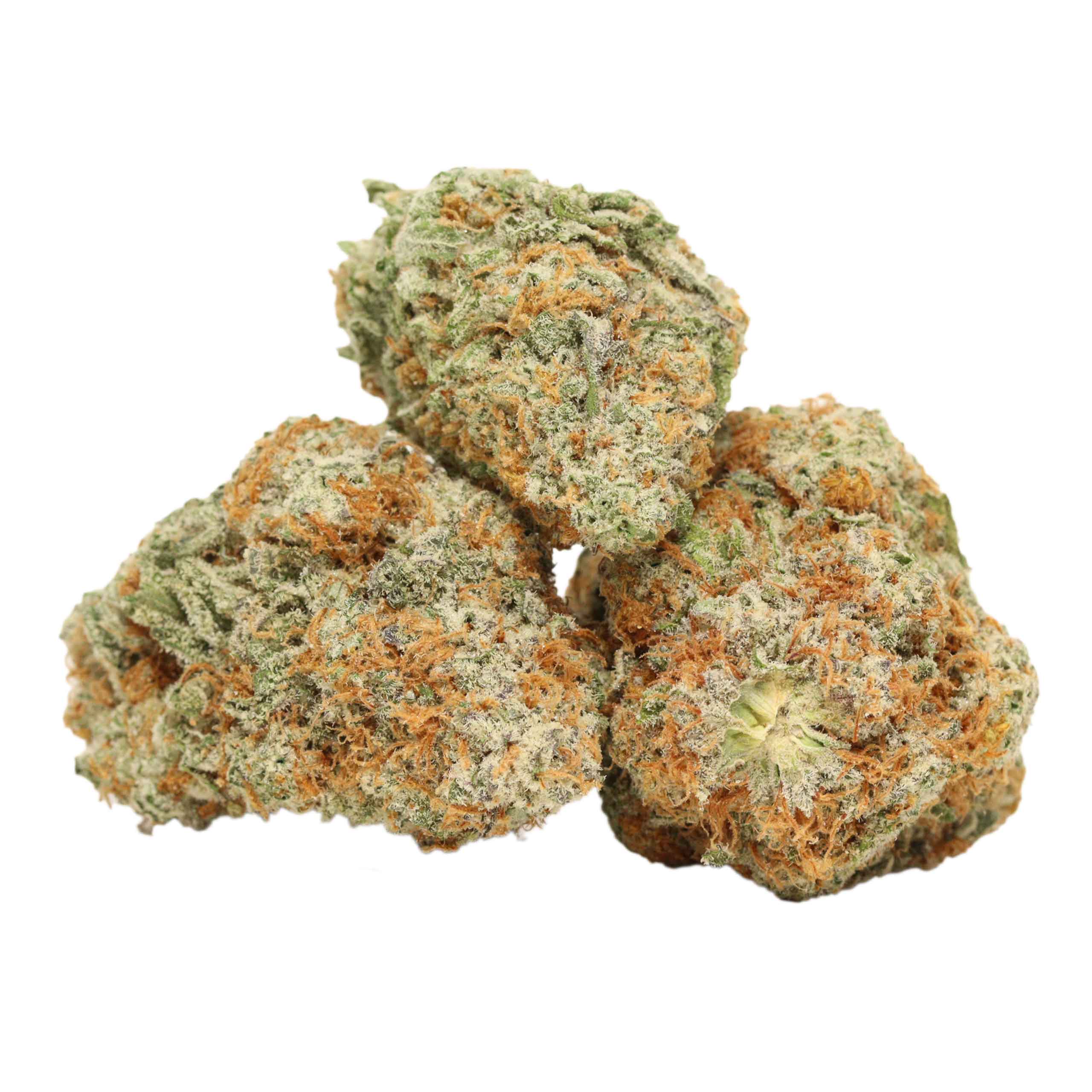
Northern Lights Strain
Northern Lights Strain is one of the most recognizable names in modern cannabis history. Commonly abbreviated as NL, Northern Lights is generally classified as an indica and has influenced numerous later cannabis cultivars.
Current Leafly reference data lists Northern Lights at approximately 18% THC and 1% CBG, with sleepy, relaxed, and hungry among its most frequently reported effects. Its commonly listed flavors include pine, earthy, and woody notes, while myrcene, caryophyllene, and limonene appear among its prominent terpenes.
Northern Lights is also commonly associated with Afghani and Thai genetics.
These values provide a useful reference, but they do not mean every product sold as Northern Lights will contain exactly 18% THC or share the same terpene concentrations. Cannabis chemistry varies between breeders, phenotypes, batches, cultivation environments, and laboratory tests.
This guide examines Northern Lights Strain alongside Arizona marijuana laws, Arizona cannabis laws, AZ weed laws, legal pot AZ, Arizona MMJ legalization, AZ cannabis laws, pot laws in AZ, Arizona pot laws, and AZ recreational pot.
For more U.S.-focused cannabis strain and legal education, explore Cannabistopgrade.com.
Northern Lights Strain Quick Profile
| Characteristic | Northern Lights |
|---|---|
| Common abbreviation | NL |
| General classification | Indica |
| Commonly reported genetics | Afghani × Thai |
| Reference THC | About 18% |
| Reference CBG | About 1% |
| Common reported effects | Sleepy, relaxed, hungry |
| Common flavors | Pine, earthy, woody |
| Prominent listed terpenes | Myrcene, caryophyllene, limonene |
| Potency standardized? | No |
| Best potency source | Batch-specific laboratory result |
Northern Lights remains historically important, but product-specific laboratory data is more reliable than a generic strain profile.
What Is Northern Lights Strain?
Northern Lights is a classic cannabis cultivar that became influential during the development of modern commercial cannabis breeding.
Its reputation is closely associated with:
- indica genetics;
- resinous flowers;
- relaxing consumer reports;
- pine and earthy aromas;
- historical breeding programs.
The strain has also contributed genetics to later cultivars and hybrids.
Is Northern Lights Indica or Sativa?
Northern Lights is generally classified as an indica.
Leafly currently identifies Northern Lights as an indica and describes its overall reported effects as mostly calming.
However, indica and sativa categories should not be viewed as precise chemical predictions.
Two indica-labeled products can have very different:
- THC percentages;
- CBD levels;
- minor cannabinoids;
- terpene profiles.
The actual chemical profile matters more than the commercial category alone.
Northern Lights THC Percentage
Current Leafly strain-reference data lists Northern Lights at approximately 18% THC.
That does not establish a universal potency.
An individual Northern Lights product could test:
- below that figure;
- close to it;
- significantly above it.
Differences can result from genetics, cultivation conditions, harvest timing, storage, processing, and laboratory methodology.
Is Northern Lights Strong?
Northern Lights is typically a THC-dominant marijuana strain.
A reference level around 18% THC represents meaningful psychoactive potency.
However, “strong” is subjective.
Effects depend on:
- THC concentration;
- amount consumed;
- tolerance;
- metabolism;
- individual sensitivity;
- product format.
A Northern Lights concentrate, for example, could contain much more THC by weight than Northern Lights flower.
Northern Lights Effects
Consumer reports frequently associate Northern Lights with:
- sleepiness;
- relaxation;
- increased appetite.
Leafly’s current database lists those among the strain’s most frequently reported effects.
These reports describe user experiences rather than guaranteed medical outcomes.
Does Northern Lights Make You Sleepy?
Sleepiness is strongly associated with Northern Lights in consumer reports.
That reputation has contributed to its popularity as an evening-oriented strain.
However, this does not make Northern Lights a clinically proven insomnia treatment.
Cannabis sleep research remains mixed, and people can respond differently to the same cannabinoid profile.
Northern Lights and Relaxation
Relaxation is another commonly reported Northern Lights effect.
The strain’s long-standing calming reputation contributes substantially to its indica identity.
Still, THC can also cause unwanted effects in some individuals, including:
- anxiety;
- dizziness;
- paranoia;
- impaired attention.
The same product can affect different individuals differently.
Northern Lights and Appetite
Increased appetite appears among common consumer reports for Northern Lights.
THC can influence appetite-related signaling.
That does not mean every individual will experience the same effect.
Northern Lights Flavor
Northern Lights is commonly associated with:
- pine;
- earth;
- wood;
- sweet spice.
Aroma and flavor depend largely on volatile compounds including terpenes.
Storage and curing can substantially influence the final sensory profile.
Northern Lights Terpenes
Current Leafly reference data identifies:
- myrcene;
- caryophyllene;
- limonene.
These are common cannabis terpenes.
Actual concentrations vary between products.
Myrcene in Northern Lights
Myrcene is frequently associated with earthy, herbal, and musky aromas.
It occurs in cannabis as well as many other plants.
The presence of myrcene should not be interpreted as proof that a strain will always produce sedation.
Caryophyllene in Northern Lights
Caryophyllene can contribute:
- pepper;
- spice;
- woody notes.
It is also found in plants such as black pepper.
Its concentration in Northern Lights varies among batches.
Limonene in Northern Lights
Limonene is associated with citrus-like aromas.
Although cannabinoids and terpenes are actively researched, individual terpenes should not automatically be presented as proven treatments for health conditions.
Northern Lights Genetics
Northern Lights is commonly described as deriving from:
Afghani × Thai
genetics.
Its exact historical development contains some uncertainty, as is common with older cannabis strains.
Leafly notes that Northern Lights is believed to have originated near Seattle before later development in the Netherlands during the 1980s.
Historical cannabis breeding often relied on informal records.
Northern Lights and Afghani Cannabis
Afghani cannabis genetics are strongly associated with traditional indica-type plants.
Commonly discussed characteristics include:
- broad leaves;
- compact structure;
- dense resinous flowers.
Afghani genetics became highly influential in modern marijuana breeding.
Northern Lights and Thai Cannabis
Thai genetics generally refer to traditional cannabis originating from Thailand.
Historically, many Thai cannabis lines were associated with narrower-leaf morphology and longer growth cycles than Afghan lines.
Northern Lights demonstrates how modern cultivars can combine very different ancestral backgrounds.
Northern Lights #5
The Northern Lights #5, often written NL#5, is a closely related but separately listed cannabis strain.
Current Leafly reference data lists Northern Lights #5 as:
- indica;
- approximately 19% THC;
- approximately 1% CBG.
Its reported effects include euphoric, relaxed, and creative.
Northern Lights #5 should not automatically be treated as identical to every product simply labeled Northern Lights.
Northern Lights #5 x Haze
The Northern Lights genetics have also contributed to famous hybrids.
Northern Lights #5 x Haze is a separate sativa-associated cultivar.
Current Leafly data lists it at approximately:
- 19% THC;
- 1% CBG.
Its reported effects lean much more energetic than classic Northern Lights.
This demonstrates why similar strain names do not guarantee similar effects.
Atomic Northern Lights
Atomic Northern Lights is another related cultivar.
Leafly currently lists it as a hybrid with approximately:
- 16% THC;
- 1% CBG.
Its profile differs substantially from standard Northern Lights.
Northern Lights and Super Silver Haze
Northern Lights genetics have contributed to multiple historically important cannabis hybrids.
Super Silver Haze is frequently associated with Northern Lights ancestry alongside Haze and Skunk genetics.
This illustrates the strain’s influence on modern cannabis breeding.
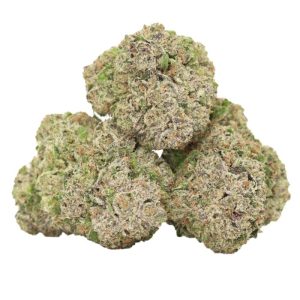
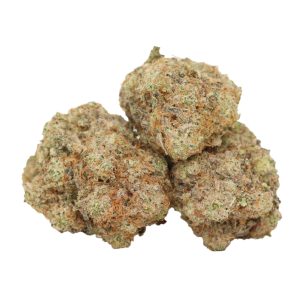
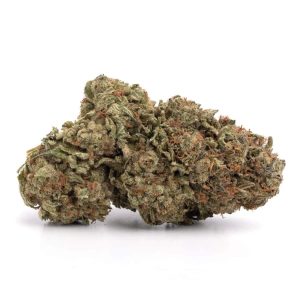
Northern Lights Appearance
Northern Lights flower is commonly described as:
- dense;
- resinous;
- green;
- heavily coated with trichomes.
Some phenotypes can also display purple coloration.
Appearance varies between batches.
Why Northern Lights Can Look Frosty
The frosted appearance comes largely from glandular trichomes.
Trichomes can contain:
- cannabinoids;
- terpenes;
- other plant compounds.
A heavy trichome coating does not provide an exact THC percentage.
Laboratory analysis is required for accurate potency information.
Northern Lights Flower
Flower is one of the most familiar Northern Lights product formats.
Regulated packaging may provide information such as:
- THC;
- THCA;
- CBD;
- product weight;
- batch number;
- testing information.
These values are more important than relying exclusively on the cultivar name.
Northern Lights Pre-Rolls
Northern Lights may also appear in pre-roll form.
A conventional pre-roll generally contains cannabis flower.
An infused pre-roll may combine flower with:
- concentrate;
- kief;
- hash;
- resin.
Infused products can have substantially greater THC concentration.
Northern Lights Vapes
The Northern Lights name also appears on vapor products.
However, a product labeled Northern Lights vape may contain a formulation substantially different from Northern Lights flower.
It could involve:
- distillate;
- live resin;
- rosin-derived extract;
- terpene formulations.
Consumers should read the cannabinoid and ingredient labels carefully.
Northern Lights Concentrates
Northern Lights may also appear as:
- live resin;
- rosin;
- wax;
- shatter;
- other concentrates.
Concentrates can be much more THC-dense than flower.
Product format therefore matters when discussing potency.
Northern Lights and Cannabis Testing
Testing can help determine whether a Northern Lights product contains:
- THC;
- THCA;
- CBD;
- minor cannabinoids;
- regulated contaminants.
A strain name cannot substitute for laboratory data.
Northern Lights and Medical Claims
Consumer reviews frequently mention Northern Lights in connection with:
- stress;
- pain;
- sleep;
- anxiety.
These reports are not proof that Northern Lights treats those conditions.
Cannabis products should not be presented as FDA-approved treatments simply because consumers report perceived benefits.
Northern Lights and Driving
THC can impair abilities necessary for driving.
Possible effects include changes in:
- reaction time;
- coordination;
- perception;
- judgment.
People should not drive while impaired by Northern Lights or another THC-containing product.
Northern Lights and Alcohol
Using cannabis with alcohol can increase impairment.
The combination can produce more unpredictable effects than either substance alone.
Northern Lights and Cannabis Use Disorder
Cannabis use can lead to cannabis use disorder in some people.
Possible warning signs include:
- craving;
- increasing tolerance;
- difficulty reducing use;
- continued use despite consequences.
Frequent exposure to high-THC cannabis can increase overall risk.
Arizona Marijuana Laws
Arizona marijuana laws distinguish adult-use cannabis, medical marijuana, commercial cannabis activity, public consumption, cultivation, concentrates, and impaired driving.
In Arizona voters approved adult-use cannabis through Proposition 207 in 2020.
Adults age 21 and older can legally possess and use qualifying amounts under state law.
Legalization does not mean marijuana is unrestricted.
Arizona Cannabis Laws
Under current Arizona cannabis laws, an adult age 21 or older may possess:
1 ounce or less of marijuana.
Within that total amount, no more than:
5 grams may consist of marijuana concentrate.
These limits appear in Arizona Revised Statutes §36-2852.
AZ Weed Laws
The phrase AZ weed laws is informal shorthand for Arizona marijuana law.
Important adult-use rules include:
- minimum age of 21;
- maximum general possession of 1 ounce;
- maximum concentrate amount of 5 grams within that ounce;
- limited home cultivation;
- regulated retail sales;
- restrictions on public use;
- impaired-driving laws.
The exact statute matters more than slang terminology.
Legal Pot AZ
When people search legal pot AZ, they are usually asking whether recreational marijuana is legal in Arizona.
The answer is:
Yes, for adults 21 and older within statutory limits.
Arizona permits lawful possession, purchasing, transportation, and certain home cultivation.
The law does not authorize unlimited possession or unrestricted sales.
AZ Recreational Pot
AZ recreational pot refers to Arizona’s adult-use marijuana system.
Adult-use cannabis differs from Arizona’s medical marijuana framework.
Adults 21+ generally do not need a medical marijuana card to participate in the adult-use market.
However, adult-use rules regarding possession and taxation can differ from medical rules.
Arizona Adult-Use Possession Limit
Arizona’s adult-use possession limit is:
one ounce or less of marijuana.
One ounce equals approximately:
28.35 grams.
Within this total, Arizona imposes a separate concentrate limit.
Arizona Concentrate Limit
No more than:
5 grams
of the one-ounce adult-use possession allowance may consist of marijuana concentrate.
Concentrates can include products such as:
- certain oils;
- wax;
- resin;
- rosin;
- shatter.
Specific product classifications depend on state definitions.
Arizona Cannabis Home Cultivation
Arizona allows an adult 21+ to cultivate up to:
6 marijuana plants
for personal use at the individual’s primary residence.
Where two or more adults age 21+ live at the residence, the household limit is:
12 plants total.
Arizona Plant Security Requirements
Arizona law requires personal cultivation to take place within an enclosed area equipped with a lock or other security device that prevents access by minors.
Plants must also not be visible from public view without the use of optical aids.
These are legal requirements, not cultivation recommendations.
Arizona Pot Laws
Arizona pot laws also regulate transfers between adults.
An adult 21+ may transfer up to:
- one ounce of marijuana;
- including no more than five grams of concentrate;
to another adult 21+ when the transfer involves no payment and is not publicly advertised or promoted.
That provision does not authorize an unlicensed marijuana retail business.
Can You Sell Marijuana Privately in Arizona?
Arizona’s adult-use law does not provide unrestricted permission for private commercial marijuana sales.
Commercial marijuana sales operate through licensed marijuana establishments.
A permitted noncommercial transfer is legally different from selling cannabis.
Pot Laws in AZ and Public Consumption
Legal possession does not mean cannabis can be consumed everywhere.
Arizona maintains restrictions involving marijuana use in public places and other regulated settings.
Private property owners can also establish restrictions.
Local requirements should be checked when necessary.
Arizona Cannabis and Driving
Arizona’s cannabis legalization does not make impaired driving lawful.
The adult-use statute specifically addresses marijuana impairment in relation to state driving laws.
A person should not drive while impaired by THC.
Arizona Cannabis and Vehicles
Possessing legal amounts of cannabis does not eliminate laws governing:
- impaired driving;
- transportation circumstances;
- consumption while operating vehicles.
People should distinguish legal possession from legal conduct while driving.
Arizona MMJ Legalization
Arizona MMJ legalization occurred before recreational legalization.
In Arizona, voters approved the Arizona Medical Marijuana Act in 2010.
The program created a regulated medical marijuana framework for qualifying patients.
Adult-use legalization followed approximately a decade later in 2020.
Arizona Medical Marijuana Program
Arizona’s medical marijuana program is administered through the Arizona Department of Health Services.
Qualifying patients generally require:
- an eligible medical condition;
- physician certification;
- medical marijuana registration.
Medical marijuana rules are separate from general adult-use rules.
Arizona Medical Marijuana Possession
Arizona medical marijuana rules allow qualifying patients to obtain no more than:
2.5 ounces during a 14-calendar-day period.
This differs from the general adult-use possession limit.
Medical and recreational limits should therefore not be confused.
Arizona Medical Marijuana Qualifying Conditions
Arizona’s medical marijuana framework recognizes qualifying medical conditions under state law.
Historically listed conditions have included certain serious or chronic illnesses and symptoms.
Because medical eligibility rules can change, patients should check current Arizona Department of Health Services information rather than relying on an old list.
Arizona MMJ vs. Recreational Cannabis
| Feature | Arizona Medical Marijuana | Arizona Adult-Use Marijuana |
|---|---|---|
| Legalization | 2010 | 2020 |
| Primary users | Registered qualifying patients | Adults 21+ |
| Main regulator | Arizona Department of Health Services | Arizona Department of Health Services |
| Purchase framework | Medical dispensary rules | Adult-use marijuana establishments |
| Quantity rules | Medical program-specific | 1 oz general possession / 5 g concentrate |
| Same program? | No | No |
Both systems exist, but they operate under different legal frameworks.
Arizona Marijuana Dispensaries
Arizona has licensed marijuana establishments serving the adult-use market.
It also has medical marijuana dispensaries.
The Arizona Department of Health Services regulates marijuana facilities and provides licensing information.
Retailers must comply with state rules.
Arizona Cannabis Testing
Arizona marijuana products sold through regulated facilities are subject to laboratory testing.
State rules address laboratory analysis and quality control.
Testing can involve substances such as:
- pesticides;
- microbial contaminants;
- heavy metals;
- residual solvents;
- other regulated analytes.
Requirements depend on product category.
Arizona Marijuana Product Safety
Arizona officials have issued product recalls when marijuana products were suspected of contamination.
The Arizona Department of Health Services states that consumers may request a certificate of analysis showing product testing results.
This can help verify what was measured in a particular batch.
Northern Lights Testing in Arizona
If Northern Lights is sold within Arizona’s regulated market, consumers should rely on the actual product label rather than assuming it contains the generic 18% THC figure associated with the strain online.
Useful batch information includes:
- THC;
- THCA;
- CBD;
- batch identifier;
- laboratory;
- testing date.
One Arizona Northern Lights batch may differ considerably from another.
Arizona Cannabis Retail Testing
State adult-use regulations require marijuana establishments to maintain procedures involving:
- laboratory testing;
- representative samples;
- chain of custody;
- batch separation pending test results.
These requirements are intended to support compliance and product safety.
AZ Cannabis Laws and Local Governments
State legalization does not eliminate local authority.
Cities and counties can have rules relating to:
- zoning;
- operating conditions;
- public consumption;
- marijuana establishments.
A statewide legal framework can therefore produce different local retail environments.
Arizona Cannabis and Federal Property
Arizona legalization does not override federal restrictions on federal property.
Cannabis can remain prohibited in places such as certain:
- federal buildings;
- military facilities;
- national parks.
State legality and federal property rules are separate issues.
Arizona Cannabis and State Lines
Adult-use legalization in Arizona does not create general authorization to transport marijuana across state borders.
Crossing into another state can involve:
- federal law;
- the destination state’s marijuana laws.
Arizona’s marijuana system should be understood primarily as a state-regulated market.
Arizona Cannabis and Employers
Employers may retain significant authority regarding workplace marijuana use and impairment.
Medical marijuana patients may have certain protections under Arizona law that differ from protections available to recreational consumers.
Employment questions can therefore require case-specific legal analysis.
Arizona Cannabis and Minors
Adult-use marijuana is restricted to adults age 21 and older.
Arizona law also requires home-grown marijuana plants to be secured against access by minors.
Cannabis products should be stored safely away from children.
Why Arizona Cannabis Laws Matter for Northern Lights
Northern Lights does not receive special treatment simply because it is a famous strain.
Arizona regulates marijuana based on factors such as:
- age;
- possession amount;
- product category;
- licensing;
- cultivation;
- place of use.
Whether the product is Northern Lights, Bubba Kush, Blue Dream, or another strain does not change the underlying possession rules.
Northern Lights and Legal Arizona Cannabis
In Arizona, a legal Northern Lights product should be evaluated using the same principles applied to other regulated marijuana products:
- verify the licensed market;
- examine the product label;
- consider THC concentration;
- check batch testing;
- follow possession limits.
Strain reputation should never replace regulatory or laboratory information.
Educational Resources
For additional U.S.-focused cannabis strain and legal education, explore Cannabistopgrade.com.
For current Northern Lights strain-reference information, see the Leafly Northern Lights Strain Guide.
Regarding Arizona’s current adult-use possession and personal cultivation statute, consult Arizona Revised Statutes §36-2852.
Regarding current Arizona medical and adult-use marijuana licensing information, consult the Arizona Department of Health Services Marijuana Licensing Bureau.
Continue exploring cannabis strains, cannabinoids, marijuana laws, and U.S. cannabis education through Cannabistopgrade.com.
Frequently Asked Questions
1. What is Northern Lights Strain?
Northern Lights Strain, commonly called NL, is a famous indica cannabis cultivar commonly associated with Afghani and Thai genetics. Current Leafly reference information lists approximately 18% THC and 1% CBG, with sleepy, relaxed, and hungry among its frequently reported effects.
2. Is recreational marijuana legal in Arizona?
Yes. Adults age 21 and older may legally possess qualifying amounts of marijuana under Arizona law. The general adult-use possession limit is one ounce, with no more than five grams of that amount consisting of marijuana concentrate.
3. What are Arizona’s home cannabis cultivation limits?
An adult age 21+ may cultivate up to six marijuana plants for personal use at a primary residence. Arizona caps a residence at 12 plants when two or more eligible adults live there. Plants must satisfy state security and visibility requirements.
4. When did Arizona legalize medical and recreational marijuana?
Arizona voters approved medical marijuana in 2010. Adult-use marijuana was later approved through Proposition 207 in 2020. The two systems remain legally distinct.
5. How much medical marijuana can an Arizona patient obtain?
Arizona medical marijuana rules allow a qualifying patient to obtain no more than 2.5 ounces of medical marijuana during a 14-calendar-day period, subject to the program’s rules and eligibility requirements.
6. Does every Northern Lights product contain 18% THC?
No. The 18% figure is a current strain-reference value, not a guarantee. THC can vary by genetics, phenotype, growing conditions, product type, processing, and laboratory testing. Batch-specific testing provides more accurate information.
| weight | Oz, Qp, Hp, P |
|---|
Be the first to review “Northern Lights Strain”
Related products
Indica strains
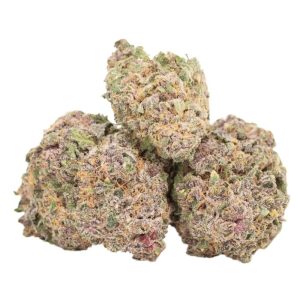
Indica strains
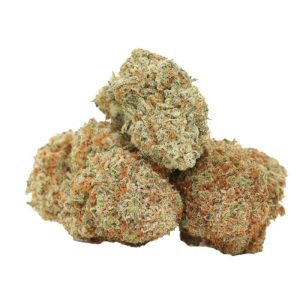
Indica strains
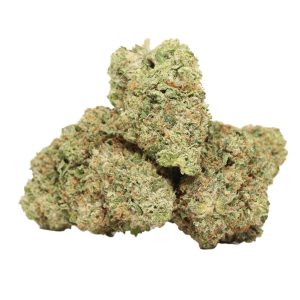
Indica strains
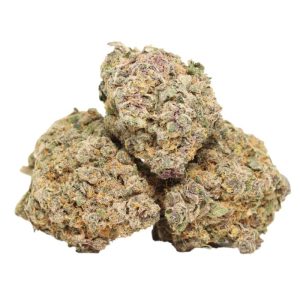
Indica strains
Indica strains
Indica strains
Indica strains
Reviews
There are no reviews yet.