Sage n’ Sour: Cannabis Indica Strains, Strong Indicas and Sleep Comparisons
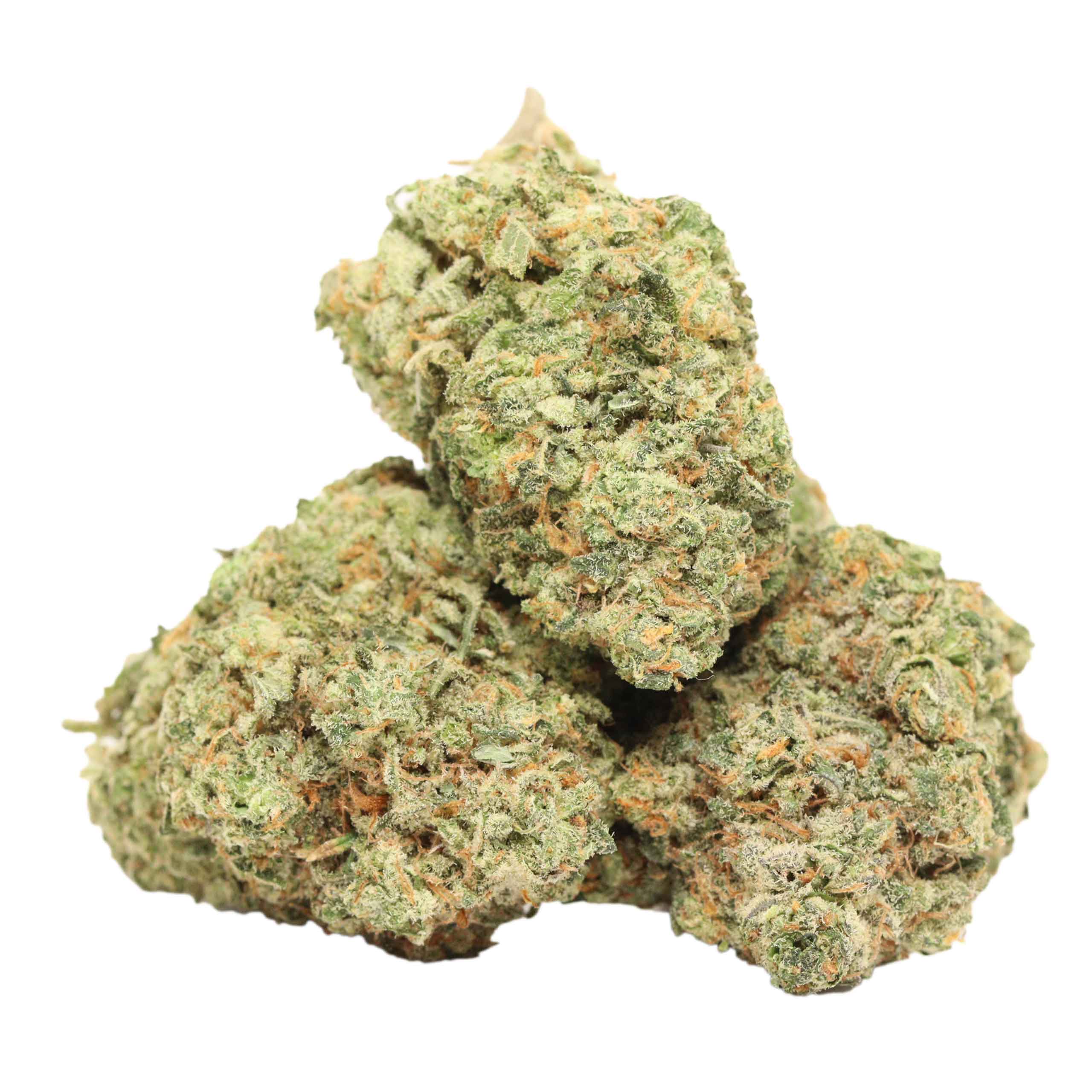
Sage n’ Sour is an interesting strain to examine alongside searches for cannabis indica strains, strongest indica strain, good strains of indica, indica dominant hybrid strains, indica strains list, indica pot strains, and the best indica strain for sleep.
The first important point is that Sage n’ Sour is not generally classified as a classic indica.
Current Leafly information identifies Sage and Sour, also written Sage N Sour, as a sativa strain bred by T.H. Seeds from Sour Diesel and SAGE genetics. Its profile is described as approximately 75% sativa, with reported effects that lean energetic rather than heavily sedating.
That makes Sage n’ Sour a useful comparison strain.
Instead of simply labeling every relaxing cannabis variety an “indica,” consumers can look more closely at:
- genetics;
- THC;
- CBD;
- terpene profile;
- batch testing;
- individual response;
- and actual consumer-reported effects.
For additional U.S.-focused cannabis strain education, explore Cannabistopgrade.com.
What Is Sage n’ Sour?
Sage n’ Sour is a cannabis cultivar associated with T.H. Seeds.
It combines:
Sour Diesel × SAGE
Leafly currently describes Sage n’ Sour as approximately 75% sativa.
Its listed profile includes:
- THC around 19% on the current reference page;
- CBG around 1%;
- uplifting effects;
- energetic effects;
- focused effects;
- sage flavor;
- spicy/herbal notes;
- diesel aroma.
The leading listed terpenes are:
- myrcene;
- pinene;
- limonene.
Batch-specific laboratory results can differ, so those numbers should be treated as a reference profile rather than a guarantee.
Sage n’ Sour at a Glance
| Feature | Sage n’ Sour |
|---|---|
| General classification | Sativa-dominant |
| Approximate lineage | Sour Diesel × SAGE |
| Current reference THC | About 19% |
| Current reference CBG | About 1% |
| Leading effects reported | Uplifted, energetic, focused |
| Leading flavors | Sage, spicy/herbal, diesel |
| Main listed terpenes | Myrcene, pinene, limonene |
| Typical reputation | More energizing than sedating |
This already shows why Sage n’ Sour does not neatly fit searches for the strongest indica strain.
What Is SAGE Genetics?
SAGE stands for Sativa Afghani Genetic Equilibrium.
Leafly describes SAGE as a balanced hybrid created from Haze and a robust indica background.
Its profile is associated with:
- uplifting effects;
- euphoria;
- happiness;
- sage flavor;
- spicy/herbal notes;
- woody characteristics.
Sage n’ Sour inherits part of this genetic background and combines it with Sour Diesel.
That helps explain its more energizing personality.
Is Sage n’ Sour an Indica?
Generally, no.
Sage n’ Sour is more commonly categorized as sativa-dominant.
That matters because many people searching for Sage n’ Sour alongside indica terms may assume its herbal name or relaxing aspects mean it belongs in the indica category.
Cannabis naming does not work that simply.
A strain’s:
- name;
- aroma;
- appearance;
- and consumer reputation
do not automatically establish its genetic classification.
Cannabis Indica Strains Explained
The phrase cannabis indica strains traditionally refers to cultivars associated with indica-dominant genetics.
Classic indica-associated cannabis is often described culturally as having:
- shorter plant structure;
- broader leaves;
- denser flowers;
- earthy or spicy aromas;
- and more relaxing effects.
However, modern commercial cannabis contains extensive hybridization.
Purely indica or purely sativa cultivars are increasingly uncommon in commercial markets.
Many strains labeled “indica” are actually indica-dominant hybrids.
Indica Does Not Guarantee Sedation
One of the biggest cannabis misconceptions is:
indica = sleep
and
sativa = energy.
Those labels may provide broad cultural shorthand, but they cannot reliably predict how every person will respond.
Effects can depend on:
- THC concentration;
- CBD;
- minor cannabinoids;
- terpenes;
- individual tolerance;
- previous cannabis exposure;
- medications;
- and the specific product batch.
A strain labeled indica may feel stimulating to one person and calming to another.
Good Strains of Indica
When people search for good strains of indica, they are usually looking for cultivars associated with:
- relaxation;
- heavier body sensations;
- evening use;
- lower stimulation;
- or traditional indica genetics.
Frequently discussed indica or indica-dominant names include:
- Granddaddy Purple;
- Northern Lights;
- Hindu Kush;
- Afghan Kush;
- Purple Kush;
- Bubba Kush;
- Kosher Kush;
- Blueberry;
- G-13;
- and various OG-derived hybrids.
These names are examples, not an official ranking.
Commercial batches vary.
Indica Strains List
A practical indica strains list can be organized by genetic reputation instead of claiming a universal top ranking.
| Strain | General Reputation | Common Flavor Association |
|---|---|---|
| Northern Lights | Indica-dominant | Earthy, pine |
| Granddaddy Purple | Indica-dominant | Grape, berry |
| Hindu Kush | Traditional indica | Earthy, hash-like |
| Purple Kush | Indica | Grape, earthy |
| Bubba Kush | Indica-dominant | Coffee, earthy |
| Afghan Kush | Traditional indica | Herbal, earthy |
| Blueberry | Indica-dominant | Berry, sweet |
| Kosher Kush | Indica-dominant | Earthy, pungent |
| G-13 | Indica-associated | Earthy, pine |
| Wedding Cake | Hybrid with calming reputation | Vanilla, pepper |
These categories are cultural and commercial classifications, not pharmaceutical predictions.
Indica Pot Strains
The term indica pot strains is simply informal language for indica or indica-dominant cannabis cultivars.
Modern regulated markets may provide more useful information than the word “indica” alone.
Consumers can often compare:
- THC percentage;
- CBD percentage;
- terpene results;
- production date;
- harvest date;
- laboratory results;
- and cannabinoid ratios.
That information gives a more complete picture.
Indica-Dominant Hybrid Strains
Indica dominant hybrid strains combine genetic traits from both indica- and sativa-associated cannabis lines but lean toward indica ancestry or market classification.
Examples commonly described this way include:
- Wedding Cake;
- Ice Cream Cake;
- Gelato-related hybrids;
- Bubba Kush crosses;
- OG Kush descendants;
- Purple Punch;
- Do-Si-Dos;
- and Peanut Butter Breath.
Exact classifications vary by breeder and database.
Modern strain genetics can be complex enough that different sources occasionally classify the same cultivar differently.
Sage n’ Sour vs. Indica-Dominant Strains
| Feature | Sage n’ Sour | Typical Indica-Dominant Profile |
|---|---|---|
| Classification | Sativa-dominant | Indica-dominant |
| Reported energy | Higher | Often lower |
| Reported focus | Common | Variable |
| Sedating reputation | Lower | Often stronger |
| Sour/Diesel influence | Strong | Depends on strain |
| Suitable sleep reputation | Not primarily known for it | Often marketed for evening use |
This comparison shows why strain classification should be checked rather than assumed.
Strongest Indica Strain
The phrase strongest indica strain sounds straightforward, but “strongest” can mean several different things.
It could refer to:
- highest THC percentage;
- strongest subjective intoxication;
- longest-lasting effects;
- strongest physical relaxation;
- strongest aroma;
- or strongest genetic indica dominance.
These are not the same measurement.
There is no permanent single strongest indica strain.
Why THC Alone Does Not Define Strength
A strain testing at 30% THC is not guaranteed to feel twice as strong as one testing at 15%.
Subjective effects can also depend on:
- cannabinoid ratios;
- terpene composition;
- tolerance;
- metabolism;
- consumption method;
- and dose.
Laboratory THC results can also vary between batches of the same named cultivar.
High THC Does Not Mean Better Cannabis
Cannabis quality should not be reduced to potency.
A high-quality flower may also depend on:
- freshness;
- curing;
- aroma;
- terpene preservation;
- cleanliness;
- genetics;
- trichome development;
- and laboratory testing.
Some consumers intentionally prefer lower-THC cannabis.
What Makes an Indica Feel Heavy?
No single chemical creates every “indica-like” experience.
Potential contributors can include:
- THC;
- CBD;
- myrcene;
- linalool;
- caryophyllene;
- minor cannabinoids;
- and individual biology.
Research has not established a simple terpene formula that guarantees sedation.
Consumer descriptions remain useful, but they should not be treated as clinical certainty.
Myrcene and Indica Strains
Myrcene is commonly found in cannabis and often appears in strains marketed as relaxing.
It has earthy, herbal and musky aromas.
However, the presence of myrcene alone does not prove that a cannabis product will make someone sleepy.
Sage n’ Sour itself lists myrcene prominently despite having an energetic reputation.
That is a useful example of why terpene interpretation should remain nuanced.
Pinene in Sage n’ Sour
Pinene contributes pine-like aromatic characteristics.
It appears in many cannabis varieties.
Sage n’ Sour lists pinene among its leading terpenes.
This may contribute to its herbal and fresh aromatic profile.
Again, terpene composition does not create a guaranteed psychological effect.
Limonene in Sage n’ Sour
Limonene is associated with citrus aromas.
It also appears across many cannabis genetics.
In Sage n’ Sour, limonene joins myrcene and pinene in its listed terpene profile.
The result contributes to a more complex aromatic character than the strain name alone suggests.
Best Indica Strain for Sleep
The search best indica strain for sleep is extremely common.
There is no clinically established cannabis strain that is universally best for sleep.
Some people report that relaxing or indica-dominant strains make them drowsy.
However, scientific research on cannabis and sleep remains mixed.
A 2025 systematic review and meta-analysis found that cannabis administration did not consistently improve objective measures including:
- total sleep duration;
- sleep latency;
- wake time;
- sleep efficiency;
- or sleep stages.
Researchers emphasized substantial variability between studies.
Cannabis and Subjective Sleep Quality
Another 2025 meta-analysis of randomized trials found that cannabinoids produced some improvement in self-reported sleep quality compared with placebo.
The benefit appeared stronger for non-CBD cannabinoid interventions.
However, the studies used varying cannabinoid formulations and populations.
This does not establish any particular retail indica strain as the best treatment for insomnia.
Feeling Sleepy Is Not the Same as Better Sleep
This distinction is important.
A strain can produce:
- sedation;
- heaviness;
- drowsiness;
- or relaxation
without necessarily improving the underlying quality of sleep.
Healthy sleep involves:
- sleep duration;
- sleep efficiency;
- REM sleep;
- deep sleep;
- sleep continuity;
- and next-day functioning.
Sedation alone does not guarantee better sleep architecture.
Cannabis Withdrawal Can Affect Sleep
The 2025 sleep-architecture review found a clearer pattern during cannabis withdrawal.
Stopping regular cannabis use was associated with:
- shorter total sleep duration;
- longer time needed to fall asleep;
- and REM rebound.
This can sometimes create the impression that cannabis is necessary for sleep after frequent use.
Can Sage n’ Sour Be Considered a Sleep Strain?
Sage n’ Sour is not primarily known as a sleep-focused strain.
Current consumer reports emphasize:
- uplifted;
- energetic;
- focused.
That makes it different from traditional evening-oriented indica cultivars.
Some individuals may still find it relaxing because cannabis effects vary, but it would be inaccurate to present Sage n’ Sour as a universally sedating strain.
Consumer Reports Are Not Medical Evidence
Leafly users report Sage n’ Sour in connection with:
- stress;
- anxiety;
- depression.
These reports describe individual experiences.
They do not prove that Sage n’ Sour treats psychiatric or medical conditions.
Likewise, consumer reports about sleep should not be treated as evidence that a strain is an approved insomnia treatment.
Negative Effects of Sage n’ Sour
Current Leafly reviews list commonly reported unwanted effects including:
- dry mouth;
- dry eyes;
- paranoia.
These are also reminders that an energizing high-THC cannabis experience is not comfortable for everyone.
THC sensitivity varies.
Strong Indicas and Anxiety
High-THC cannabis may worsen anxiety or paranoia for some consumers regardless of whether the strain is labeled indica.
The indica label does not protect against THC-related adverse effects.
This is especially relevant when searching for the strongest indica strain.
Maximum potency can also mean greater potential for unwanted intoxication.
Indica and Cannabis Use Disorder
Repeated cannabis use can lead to problematic patterns for some people.
Relying on high-THC cannabis every night for sleep may contribute to:
- tolerance;
- increasing use;
- difficulty sleeping without cannabis;
- or cannabis use disorder.
Cannabis use patterns matter as much as strain names.
What to Compare Instead of Indica vs. Sativa Alone
A better modern cannabis comparison includes:
Cannabinoids
THC, CBD and other measurable cannabinoids.
Terpenes
Aromatic compounds such as myrcene, limonene, pinene and caryophyllene.
Laboratory Testing
Batch-specific potency and contaminant testing.
Consumer Reports
Useful for identifying broad patterns, but not medical proof.
Genetics
Breeder lineage can provide historical context.
Individual Response
The same product can affect two people differently.
Cannabis Labels Are Not Perfectly Standardized
Strain names can become inconsistent as genetics circulate between growers.
The same strain name may represent:
- different phenotypes;
- slightly different breeding selections;
- different environmental conditions;
- or even unrelated genetics in poorly controlled markets.
That is another reason batch testing matters.
Sage n’ Sour vs. Traditional Kush Strains
Kush strains are often culturally associated with heavier, earthy cannabis experiences.
Sage n’ Sour generally occupies another part of the spectrum.
Its Sour Diesel influence and sativa-heavy classification contribute to a reputation for:
- energy;
- focus;
- uplift;
- and herbal-diesel flavor.
Traditional Kush cultivars are more commonly associated with:
- earthy flavors;
- relaxation;
- heavier body effects;
- and evening use.
These are broad patterns rather than guarantees.
Sage n’ Sour vs. Northern Lights
Northern Lights is frequently included on traditional indica lists.
Sage n’ Sour is almost the opposite in market positioning.
Northern Lights is commonly associated with:
- relaxation;
- nighttime use;
- indica genetics.
Sage n’ Sour is more associated with:
- energy;
- daytime use;
- sativa dominance.
This makes them useful examples of how different cannabis genetics can be.
Sage n’ Sour vs. Granddaddy Purple
Granddaddy Purple is another strain commonly cited in discussions of indica-dominant cannabis.
Its reputation emphasizes:
- grape-like flavor;
- purple coloration;
- relaxation;
- heavier effects.
Sage n’ Sour emphasizes:
- sage;
- spice;
- diesel;
- focus;
- energy.
Neither profile tells every person exactly what they will experience.
Does Purple Cannabis Mean Indica?
No.
Purple coloration does not automatically mean a strain is indica.
Purple pigments can result from anthocyanins, genetics and environmental conditions.
Both sativa- and indica-associated cannabis can develop purple coloration.
Appearance alone should not determine classification.
Are Indica Strains Always Stronger?
No.
Sativa, indica and hybrid strains can all produce high THC levels.
Potency depends on genetics and cultivation rather than the indica label alone.
Some modern hybrids exceed traditional indica cultivars in laboratory THC concentration.
Does Stronger Cannabis Help Sleep Better?
Not necessarily.
Higher THC may increase drowsiness for some people but can also increase:
- anxiety;
- paranoia;
- dizziness;
- cognitive impairment;
- next-day effects;
- and tolerance.
Research does not support the idea that increasing THC automatically improves sleep quality.
Persistent Sleep Problems Deserve Attention
Sleep problems can result from conditions such as:
- sleep apnea;
- anxiety;
- depression;
- chronic pain;
- medication effects;
- restless legs syndrome;
- shift work;
- alcohol;
- or excessive caffeine.
Cannabis may temporarily change how someone feels without addressing the underlying cause.
Persistent insomnia may warrant evaluation by a qualified healthcare professional.
Cannabis and U.S. Law
Cannabis law remains highly state-specific.
States differ regarding:
- adult-use possession;
- medical cannabis;
- home cultivation;
- retail sales;
- concentrates;
- edibles;
- testing;
- labeling;
- and local regulation.
The NCSL State Cannabis Policy Enactment Database was updated August 31, 2026 and tracks enacted cannabis legislation across U.S. jurisdictions.
A strain being popular nationally does not mean it is legally available everywhere.
Educational Resources
For additional strain comparisons and U.S.-focused cannabis education, explore Cannabistopgrade.com.
Concerning strain background and current reported characteristics, see Leafly’s Sage and Sour profile.
For evidence concerning cannabis and objective sleep architecture, see the 2025 PubMed systematic review and meta-analysis.
For randomized evidence concerning cannabinoids and subjective sleep quality, see the 2025 PubMed systematic review.
Regarding current U.S. state cannabis policy, consult the NCSL State Cannabis Policy Enactment Database.
Readers can continue researching cannabis genetics, indica strains, THC and legal-market terminology through Cannabistopgrade.com.
Frequently Asked Questions
1. Is Sage n’ Sour an indica strain?
No. Sage n’ Sour is generally classified as sativa-dominant. Leafly currently describes it as approximately 75% sativa and reports mostly uplifting, energetic and focused effects.
2. What is the strongest indica strain?
There is no permanent single strongest indica strain. Strength can mean THC percentage, subjective intoxication, sedation or genetic dominance, and potency varies substantially between batches.
3. What are some good strains of indica?
Traditional or indica-dominant strains frequently discussed include Northern Lights, Granddaddy Purple, Hindu Kush, Purple Kush, Bubba Kush, Afghan Kush and Blueberry. These are examples rather than an official ranking.
4. What are indica-dominant hybrid strains?
Indica-dominant hybrids contain genetics associated with both indica and sativa cannabis but lean toward indica ancestry or commercial classification. Modern cannabis is heavily hybridized, so exact ratios can vary.
5. What is the best indica strain for sleep?
No specific indica strain has been clinically established as universally best for sleep. Cannabis may improve subjective sleep for some people, but research does not consistently show improvements in objective sleep architecture.
6. Does Sage n’ Sour help with sleep?
Sage n’ Sour is not primarily known as a sedating sleep strain. Current consumer reports emphasize energy, uplift and focus. Individual responses still vary.
| Quantity | 7G, 1/2 Ounce, 1 Ounce, 1/4 Lb, 1/2 lb, 1 lb |
|---|
Be the first to review “Sage n’ Sour”
Related products
Indica strains
Indica strains
Indica strains
Indica strains
Indica strains
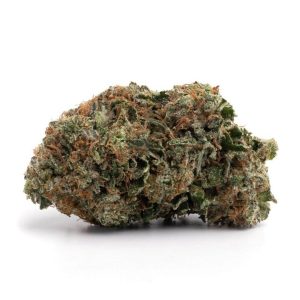
Indica strains
Indica strains
Indica strains
Reviews
There are no reviews yet.