
Cake Crasher Strain: Biggest Weed Plants, Tall Cannabis and the Truth About Record-Size Marijuana
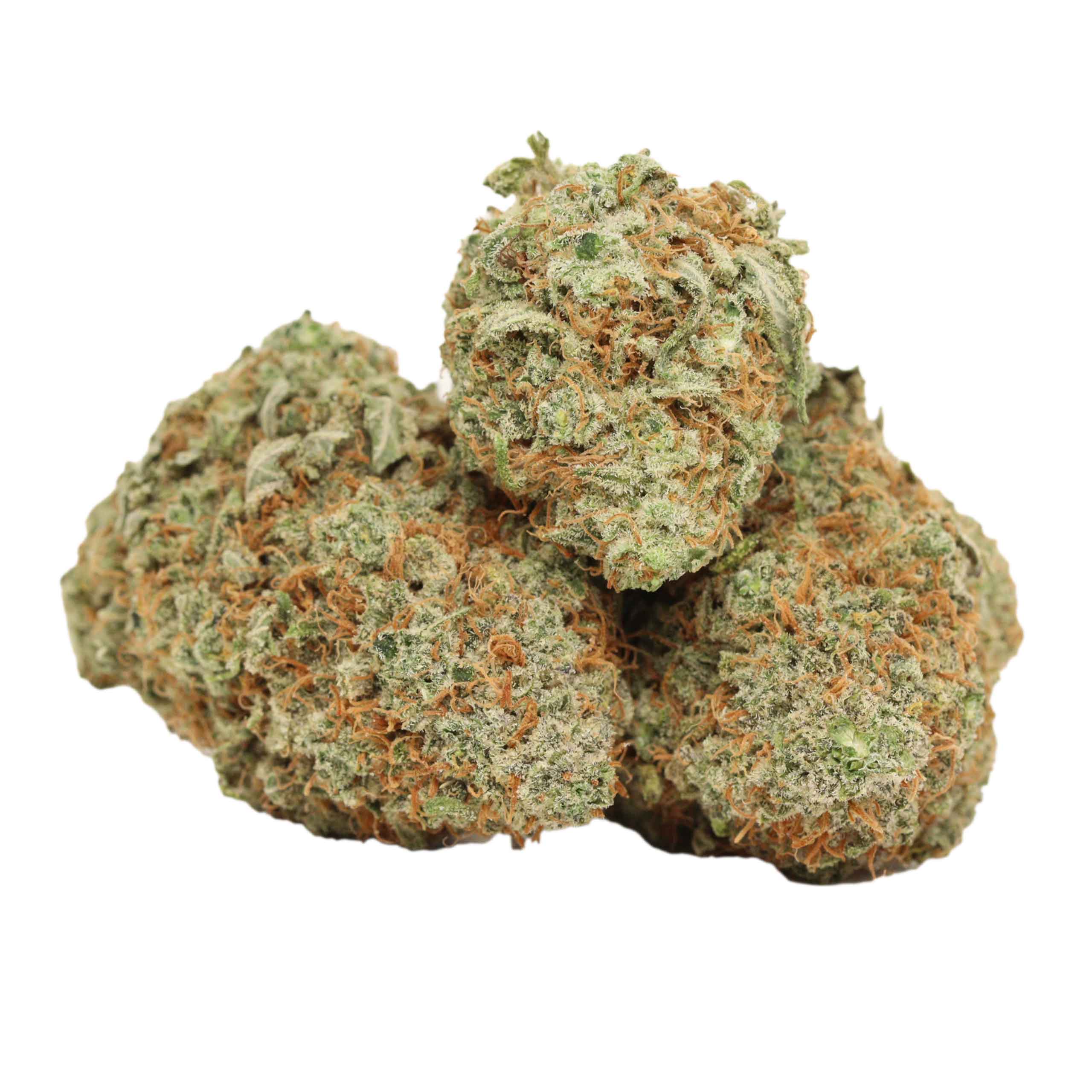
The Cake Crasher strain is a modern cannabis hybrid known for Wedding Cake genetics, sweet and gassy aromas, colorful flower, and a mostly calming consumer profile.
It also provides a useful starting point for answering searches such as biggest dope plants in the world, tallest weed plant, tallest weed plant in the world, biggest weed, and largest pot plant ever.
Those searches sound straightforward, but cannabis size records are much harder to verify than many websites suggest.
There is currently no easily verifiable Guinness World Records page establishing one officially recognized cannabis plant as the permanent tallest weed plant in the world or largest pot plant ever.
Online claims vary considerably because different sources measure different things:
- plant height;
- canopy width;
- biomass;
- trunk size;
- wet weight;
- dry flower weight;
- or total harvest.
That means the world’s tallest cannabis plant, the world’s heaviest cannabis plant, and the plant producing the biggest harvest could all be completely different specimens.
Cake Crasher itself is not primarily known as a record-height cultivar. Its reputation is much more strongly connected with modern dessert genetics, colorful flowers, resin production, sweet flavor and its Wedding Cake lineage.
For more U.S.-focused cannabis strain and legal-market education, readers can explore Cannabistopgrade.com.
What Is the Cake Crasher Strain?
Cake Crasher is a modern hybrid originally associated with Seed Junky Genetics.
Leafly currently describes it as a sativa-dominant hybrid created from:
Wedding Cake × Wedding Crasher
That parentage places Cake Crasher firmly within the modern dessert-cannabis family.
Wedding Cake genetics are famous for:
- sweet aromas;
- dense flower;
- strong THC profiles;
- creamy flavor;
- colorful expression;
- and resin production.
Wedding Crasher adds additional fruit, sweetness and hybrid characteristics.
The result is a cultivar that combines dessert-like genetics with a somewhat more uplifting family background.
Cake Crasher THC
Leafly’s current Cake Crasher profile displays approximately:
19% THC
2% CBG
Its editorial description also notes historical batches around the low-20% THC range.
Those figures should not be interpreted as guarantees for every Cake Crasher product.
Cannabinoid concentration varies according to:
- phenotype;
- breeder;
- cultivation environment;
- harvest timing;
- drying;
- curing;
- storage;
- and laboratory methodology.
A regulated batch label provides better potency information than a generic strain average.
Cake Crasher Effects
Leafly currently lists the leading consumer-reported Cake Crasher effects as:
Aroused
Relaxed
Euphoric
The strain’s overall profile is described as mostly calming.
Leafly also describes Cake Crasher as potentially producing:
- euphoria;
- haziness;
- creativity;
- relaxation;
- and heavier sedation with stronger exposure.
These are subjective consumer experiences rather than guaranteed effects.
Cannabis responses vary considerably between individuals.
Cake Crasher Negative Effects
Current Leafly consumer data lists leading negative effects including:
- anxious;
- dry mouth;
- dry eyes.
This is useful because a strain with a mostly calming reputation can still produce uncomfortable effects.
THC sensitivity, tolerance, environment, other substances and individual physiology all affect the experience.
Cake Crasher Flavor
Leafly currently lists its leading flavors as:
Tea
Vanilla
Chemical
The strain is also commonly described as:
- sweet;
- fruity;
- gassy;
- creamy;
- and dessert-like.
These characteristics reflect its strong Wedding Cake family influence.
Cake Crasher Terpenes
Leafly currently associates Cake Crasher with:
Caryophyllene
Limonene
Humulene
Caryophyllene
Caryophyllene commonly contributes:
- pepper;
- spice;
- wood;
- and warm herbal characteristics.
Limonene
Limonene contributes citrus-like aroma.
Humulene
Humulene is associated with:
- earthy;
- woody;
- and hoppy aromas.
Together, these compounds help create the strain’s sweet, gassy and herbal character.
Terpenes help explain aroma and flavor, but they should not be treated as proof of specific medical benefits.
Cake Crasher Flower Appearance
Leafly’s cultivation information describes Cake Crasher as producing:
- fluffy;
- pointed flowers;
- light green foliage;
- and dark purple coloration.
That visual combination contributes to Cake Crasher’s premium modern-cannabis appearance.
Dark purple material alongside lighter green flower can make the cultivar especially distinctive.
Does Cake Crasher Grow Into a Giant Cannabis Plant?
Cake Crasher is not particularly famous for extreme plant height.
Its identity is much more closely associated with:
- Wedding Cake genetics;
- flower quality;
- colorful buds;
- resin;
- sweet flavor;
- and cannabinoid potency.
Plant height can vary greatly even within a single strain because of:
- phenotype;
- environment;
- root space;
- season length;
- plant age;
- and cultivation system.
Therefore, a Cake Crasher plant could potentially become substantial under suitable legal conditions, but it should not be advertised as the world’s largest cannabis cultivar.
Biggest Dope Plants in the World
The phrase biggest dope plants in the world usually refers to exceptionally large outdoor cannabis plants.
Cannabis can develop impressive physical size where genetics, legal conditions and climate allow extended vegetative growth.
Large outdoor specimens may display:
- thick trunks;
- extensive branching;
- very broad canopies;
- substantial biomass;
- and heights comparable with small trees.
However, online record claims frequently lack consistent independent verification.
What Does “Biggest Weed” Actually Mean?
The phrase biggest weed can mean several different things.
Tallest Cannabis Plant
Measured vertically from soil level to the highest growth point.
Widest Cannabis Plant
Measured according to canopy diameter.
Heaviest Cannabis Plant
Measured by total biomass.
Largest Flower Harvest
Measured by dried usable flower.
Largest Canopy
Measured by total growing area.
These categories should not be treated as interchangeable.
Tallest Weed Plant
Cannabis height depends strongly on genetics.
Broadly speaking:
Indica-Leaning Plants
Often grow:
- shorter;
- bushier;
- denser;
- and more compact.
Sativa-Leaning Plants
Often grow:
- taller;
- narrower;
- with longer internodes;
- and more vertical stretch.
Hybrids
Can express characteristics anywhere between those extremes.
Cake Crasher is described as sativa-dominant, but its modern dessert genetics mean it should not automatically be compared with extremely tall tropical landrace sativas.
Tallest Weed Plant in the World
Claims about the tallest weed plant in the world should be approached carefully.
A current search of Guinness World Records does not provide an easily verifiable public record page establishing a recognized cannabis-height world record.
This matters because multiple cannabis websites publish conflicting numbers.
Some claim plants measuring around:
- 14 feet;
- 18 feet;
- or more than 20 feet.
Without a consistent official record source, those numbers should not be repeated as established fact.
Why Cannabis Height Records Are Difficult to Verify
Cannabis record keeping faces several problems.
Legal History
Cannabis cultivation has historically been illegal or restricted in many jurisdictions.
That makes older documentation incomplete.
Measurement Differences
Some growers measure from:
- soil level;
- container base;
- root crown;
- or raised-bed level.
Different Genetic Types
A tropical sativa can naturally grow very differently from a compact hybrid.
Different Growing Seasons
A long outdoor season gives plants more time to become large.
Lack of Independent Verification
Many claims originate from:
- growers;
- seed companies;
- social media;
- or cannabis publications
rather than independent record organizations.
Biggest Weed Plant vs. Tallest Weed Plant
The biggest plant does not have to be the tallest.
Imagine two cannabis plants.
| Feature | Plant A | Plant B |
|---|---|---|
| Height | 18 ft | 12 ft |
| Canopy width | 8 ft | 20 ft |
| Biomass | Moderate | Very high |
| Flower yield | Moderate | Very high |
Plant A is taller.
Plant B may be physically larger overall.
Therefore, “biggest” needs a defined measurement.
Biggest Weed Does Not Mean Best Weed
Plant size does not determine cannabis quality.
A giant cannabis plant could still produce mediocre flower.
Likewise, a much smaller plant could produce exceptional:
- cannabinoids;
- terpenes;
- trichomes;
- aroma;
- flavor;
- and flower density.
Cannabis quality and plant size are separate characteristics.
Largest Pot Plant Ever
The phrase largest pot plant ever suffers from the same verification problem.
There is no universally accepted public international record identifying one permanently verified cannabis specimen as the largest by every relevant measurement.
Cannabis enthusiasts may use the phrase to describe plants with:
- extraordinary height;
- massive canopy;
- huge harvest weight;
- or tree-like structure.
Those categories should be documented separately.
Can Cannabis Really Grow Like a Tree?
Yes, cannabis can develop a surprisingly tree-like appearance under suitable conditions.
A mature outdoor cannabis plant can develop:
- thick central stalks;
- woody lower stems;
- extensive branching;
- and a broad canopy.
Cannabis is still botanically an herbaceous annual plant rather than a true woody tree.
Its tree-like appearance comes from extreme seasonal growth rather than permanent woody growth.
Why Outdoor Cannabis Can Become Huge
Outdoor environments can potentially offer:
- unrestricted vertical space;
- large root zones;
- natural sunlight;
- long seasonal development;
- and greater canopy expansion.
This can allow plants to become much larger than most indoor specimens.
However, outdoor cultivation also faces:
- temperature changes;
- wind;
- pests;
- humidity;
- storms;
- disease;
- and seasonal deadlines.
Size therefore comes with environmental challenges.
Why Indoor Cannabis Is Usually Smaller
Indoor cultivation generally operates within limited:
- ceiling height;
- floor space;
- lighting footprint;
- and production schedules.
Commercial indoor facilities usually value:
- uniform canopies;
- manageable height;
- predictable maturation;
- efficient space use;
- and consistency.
A 15-foot cannabis plant would usually be impractical indoors.
Tall Cannabis vs. Productive Cannabis
Height does not equal productivity.
A very tall plant may have:
- long internodal spacing;
- fewer dense flowers;
- greater stem mass;
- inefficient canopy structure.
A shorter hybrid may have:
- dense branching;
- compact flower sites;
- substantial resin;
- and greater flower production per unit of space.
Therefore:
tallest ≠ highest yielding
Cake Crasher vs. Traditional Tall Sativas
| Characteristic | Cake Crasher | Traditional Tall Sativa |
|---|---|---|
| Genetics | Modern dessert hybrid | Often landrace-derived |
| Growth reputation | Moderate/tall hybrid | Very tall potential |
| Flower | Fluffy, pointed, colorful | Often elongated |
| Flavor | Sweet, vanilla, gas | Herbal, spice, citrus varies |
| Main reputation | Quality and dessert genetics | Height and sativa character |
| Record-size association | No | More plausible |
Cake Crasher belongs to a very different breeding era.
Wedding Cake Genetics and Plant Structure
Wedding Cake-family cultivars are generally better known for:
- dense flower;
- trichome coverage;
- color;
- potency;
- dessert aromas;
- and hybrid structure
than for extreme vertical height.
This helps explain why Cake Crasher should be discussed as a premium modern hybrid rather than a world-record-height cultivar.
Why Some Cannabis Plants Get So Tall
Several biological and environmental factors influence height.
Genetics
Traditional sativa genetics often support stronger vertical growth.
Growing Season
Long vegetative periods allow greater development.
Root Space
Larger root systems can support larger plants.
Sunlight
Outdoor sunlight can support substantial biomass.
Climate
Long warm seasons can extend growth.
Plant Health
Healthy plants generally express more of their genetic size potential.
These factors interact.
No single one guarantees a giant plant.
Does More Height Mean More THC?
No.
Plant height and THC concentration are unrelated measurements.
A short plant can produce high-THC flowers.
A tall plant can produce moderate-THC flowers.
THC concentration depends on:
- genetics;
- flower chemistry;
- phenotype;
- plant maturity;
- and environmental factors.
Size alone cannot estimate potency.
Does More Height Mean Bigger Buds?
Not necessarily.
Tall sativas can produce elongated flower structures.
Shorter hybrids can develop dense, heavy flowers.
Bud size depends on numerous characteristics independent of total plant height.
Does the Biggest Cannabis Plant Produce the Biggest Harvest?
Not automatically.
Total harvest depends on:
- productive flower sites;
- flower density;
- canopy efficiency;
- plant health;
- genetics;
- maturation;
- and post-harvest losses.
A large amount of stem and foliage increases plant mass without necessarily increasing usable flower proportionately.
Cake Crasher and Modern Cannabis Breeding
Cake Crasher represents an important shift in cannabis breeding.
Older cultivars were often celebrated primarily for:
- geographic origin;
- potency;
- unique effects;
- or plant architecture.
Modern strains increasingly emphasize:
- flavor;
- appearance;
- resin;
- color;
- dessert genetics;
- and complex hybrid lineage.
Cake Crasher fits this newer style.
Wedding Cake
Cake Crasher inherits a major part of its identity from Wedding Cake.
Both may emphasize:
- sweetness;
- dessert aroma;
- resin;
- colorful flower;
- and strong THC expression.
Cake Crasher introduces Wedding Crasher genetics, producing its own distinct aromatic and effect profile.
Is Cake Crasher a Sativa or Indica?
Leafly currently describes Cake Crasher as a sativa-dominant hybrid.
However, its reported effects are mostly calming.
This is a useful example of why the commercial categories:
- sativa;
- indica;
- and hybrid
do not perfectly predict consumer experience.
Chemical profile and individual response matter.
Cake Crasher and Anxiety
Leafly reports that some consumers say Cake Crasher helps with anxiety.
At the same time, anxious is also listed among its reported negative effects.
That apparent contradiction illustrates the variability of cannabis responses.
Consumer reviews should not be interpreted as clinical evidence that Cake Crasher treats anxiety.
Cake Crasher and Stress
Some Leafly reviewers also report using Cake Crasher in relation to stress.
Again, these are individual experiences.
They do not establish the strain as a medical treatment.
Persistent stress, anxiety or depression should be evaluated appropriately rather than self-diagnosed using strain reviews.
Cake Crasher and Driving
Cake Crasher contains meaningful THC.
Even if someone describes their experience as:
- relaxed;
- creative;
- euphoric;
- or focused,
THC can still affect:
- reaction time;
- judgment;
- coordination;
- attention;
- and perception.
People should not drive while impaired.
U.S. Cannabis Laws
Cannabis laws remain highly state-specific.
The NCSL State Cannabis Policy Enactment Database was updated August 31, 2026.
It tracks enacted cannabis policies across U.S. states, Washington, D.C., and territories.
Topics include:
- medical cannabis;
- adult-use cannabis;
- flower;
- THC;
- concentrates;
- edibles;
- packaging;
- labeling;
- testing;
- licensing;
- taxation;
- and public health.
A strain’s popularity does not determine its legal availability.
Cannabis Plant Limits in the United States
Home cultivation laws vary widely.
Some states allow limited home growing under specific conditions.
Others prohibit it.
Rules can cover:
- number of plants;
- mature vs. immature plants;
- cultivation location;
- visibility;
- security;
- residency;
- medical status;
- and possession of harvested cannabis.
This means discussion of giant cannabis plants should always be separated from assumptions about what someone may legally cultivate.
Large Cannabis Plants and Legal Compliance
A plant’s biological capacity to become large does not override cannabis regulations.
In jurisdictions that permit cultivation, legal limits can still determine:
- how many plants someone may possess;
- where those plants can be kept;
- whether plants must remain concealed;
- and how harvested material may be stored.
Current state rules should always be checked through authoritative state sources.
Cannabis Records vs. Cannabis Marketing
Extreme cannabis record claims are highly clickable.
That creates an incentive for exaggerated claims.
Terms such as:
- world’s largest;
- strongest ever;
- biggest ever;
- tallest ever;
- highest yielding
should therefore be evaluated against independent evidence.
When reliable verification does not exist, the correct answer is to say that the record is uncertain.
Educational Resources
For additional U.S.-focused cannabis genetics, cannabinoid, strain and regulated-market education, explore Cannabistopgrade.com.
Regarding Cake Crasher genetics, current reference potency, flavors, terpenes and consumer reports, see the Leafly Cake Crasher strain profile.
For current enacted U.S. cannabis legislation and state-specific product regulations, consult the NCSL State Cannabis Policy Enactment Database.
Concerning broader U.S.-focused strain comparisons and cannabis terminology, readers can continue exploring Cannabistopgrade.com.
Frequently Asked Questions
1. What is the Cake Crasher strain?
Cake Crasher is a sativa-dominant hybrid bred from Wedding Cake and Wedding Crasher. Leafly currently displays approximately 19% THC and 2% CBG and lists aroused, relaxed and euphoric as its leading consumer-reported effects.
2. Is Cake Crasher one of the biggest cannabis plants?
Cake Crasher is not primarily known as an extreme-height cannabis cultivar. Its reputation is centered more on modern dessert genetics, sweet and gassy flavor, colorful flowers, resin and THC potency.
3. What is the tallest weed plant in the world?
There is no easily verifiable current public Guinness World Records entry establishing one cannabis plant as the permanent official tallest specimen. Online claims vary widely and often use inconsistent documentation.
4. What is the largest pot plant ever?
No universally accepted record identifies one cannabis plant as the largest by every possible measurement. Height, canopy width, total biomass and dry flower yield represent different records.
5. Can cannabis grow taller than a person?
Yes. Some outdoor cannabis genetics, particularly sativa-dominant plants under long growing seasons, can substantially exceed human height. Actual size depends on genetics, environment and legal cultivation conditions.
6. Does the biggest weed plant produce the strongest cannabis?
No. Plant size does not determine THC concentration, terpene quality or overall flower quality. A smaller cultivar can produce stronger or more aromatic cannabis than a much larger plant.
| weight | Oz, Qp, Hp, P |
|---|
Be the first to review “Cake Crasher Strain”
Related products
Sativa Strains
Sativa Strains
Indica strains
Sativa Strains
Sativa Strains
Sativa Strains
Sativa Strains
Sativa Strains
Reviews
There are no reviews yet.