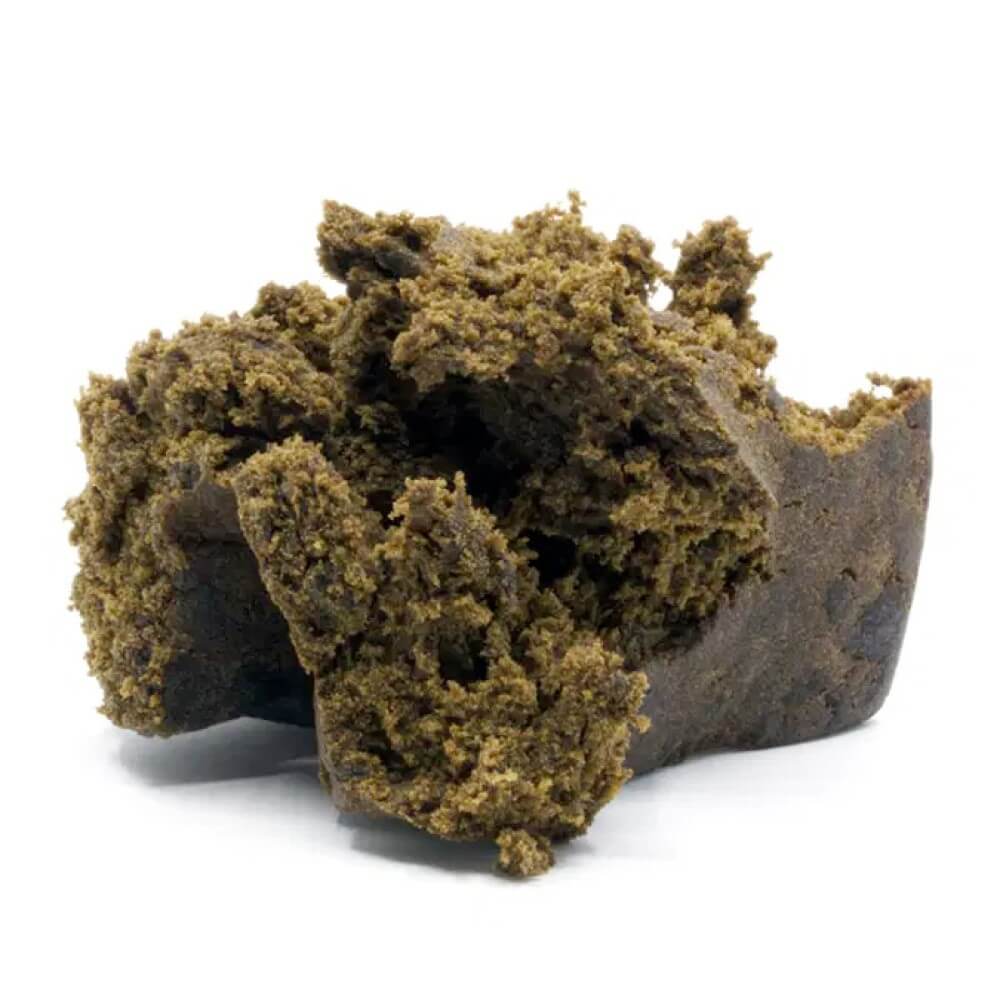
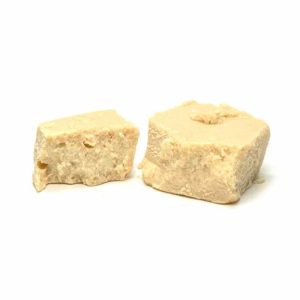
Amsterdam Blonde Hash is best treated as a style or commercial hash description rather than one universally standardized cannabis cultivar with fixed genetics or potency.
The word blonde is commonly used commercially for lighter-colored hash products, while “Amsterdam” is often used to suggest Dutch cannabis or coffeeshop traditions. However, neither term guarantees geographic origin, cannabinoid concentration, purity, or a particular production technique.
Current commercial products marketed using “Amsterdam blonde hash” language vary substantially, which makes product-specific laboratory information much more meaningful than the name alone.
For any Amsterdam Blonde Hash product, the most useful details are the actual THC and THCA concentrations, CBD and minor cannabinoids, batch identification, testing laboratory, contaminant results, production date, and producer information.
For broader educational information, see Cannabistopgrade – Hash and Concentrates, Cannabistopgrade – Cannabis Concentrates and Dabbing, and Cannabistopgrade Cannabis Education.
Amsterdam Blonde Hash Quick Facts
| Topic | Educational overview |
|---|---|
| Product | Amsterdam Blonde Hash |
| Product class | Hash / concentrated cannabis resin |
| Standardized strain? | No universal cultivar verified |
| Fixed THC percentage? | No |
| THCA | Acidic precursor to delta-9 THC |
| THCA weed | Cannabis flower containing substantial THCA |
| THCA hemp flower | Legal classification depends on current federal and state rules |
| THCA shop | Regulatory status should be verified |
| THCA online | Online availability does not prove legality |
| THCA flower for sale | COA, state law and seller licensing matter |
| Best evidence of potency | Batch-specific laboratory testing |
What Is THCA Weed?
THCA weed generally refers to cannabis flower containing a substantial concentration of tetrahydrocannabinolic acid, or THCA.
THCA is the acidic precursor of delta-9 THC. Scientific reviews describe THCA-A as the naturally occurring precursor that can convert to THC through decarboxylation, particularly when cannabis is heated. PubMed
That distinction explains why raw cannabis can contain considerably more THCA than delta-9 THC while still producing substantial THC exposure after heating.
This also means that a product should not be described as “THC-free” merely because its laboratory report shows a relatively low amount of delta-9 THC while showing a high percentage of THCA.
USDA hemp-production testing already accounts for this chemistry. Its official testing guidelines require compliance tests to consider the potential conversion of THCA to THC and report total THC on a dry-weight basis. AMS
THCA Hemp Flower
The phrase THCA hemp flower has become common in the U.S. hemp market, but its legal meaning requires careful explanation.
As of October 3, 2026, the current federal statutory hemp definition in 7 U.S.C. §1639o still describes hemp using a delta-9 THC concentration of no more than 0.3% on a dry-weight basis. U.S. Code
At the same time, licensed hemp production under USDA rules already uses post-decarboxylation or similarly reliable testing that considers the THC potential of THCA before harvest. AMS
That creates an important distinction between the statutory wording used for hemp and the production-compliance testing system.
Federal THCA Rules Are Changing in Late 2026
Congress enacted Public Law 119-37 in November 2025. Section 781 replaces the federal hemp definition with one based on total tetrahydrocannabinols, expressly including THCA, using the 0.3% dry-weight threshold. GovInfo
The original effective date was November 12, 2026. However, Congress subsequently enacted Public Law 119-103 on September 2, 2026. Section 2019 says that until December 11, 2026, the Section 781 amendments apply only with respect to products described in two specified subclauses concerning cannabinoids that are not capable of being naturally produced by cannabis. GovInfo
So an article published in October 2026 should not simply state that every high-THCA product becomes federally non-hemp on November 12 without acknowledging this newer statutory transition.
The safest current wording is:
The federal hemp framework is in transition during late 2026. The existing statutory definition remains relevant now, Congress has enacted a total-THC definition expressly including THCA, and Public Law 119-103 narrows how those amendments apply until December 11, 2026. State rules can be stricter or different.
Because legislation can change again, this section should be reviewed after December 11, 2026.
THCA Shop
A THCA shop can mean a hemp retailer, online cannabinoid seller, or—in some jurisdictions—a regulated cannabis business.
The term shop does not establish licensing.
A retailer using phrases such as:
“THCA shop”
“hemp dispensary”
or
“THCA dispensary”
may operate under a very different regulatory system from a state-licensed adult-use or medical cannabis dispensary.
For educational evaluation, useful questions include whether the business identifies its legal entity, provides batch-specific laboratory reports, explains the laboratory used, publishes THCA and delta-9 THC separately, tests for contaminants, and restricts sales where applicable law requires it.
A professional-looking website alone does not prove regulatory compliance.
THCA for Sale
The phrase THCA for sale can produce thousands of online results, but availability is not the same thing as legality or quality.
When evaluating a lawful product, a buyer should pay more attention to the COA and regulatory status than promotional terms such as:
“premium THCA”
“exotic THCA”
“top shelf”
“ultra potent”
or
“legal in all 50 states.”
Nationwide legality claims deserve particular caution because state cannabis and hemp laws differ, while the federal framework itself is changing in 2026.
THCA Online
THCA online searches commonly lead to hemp retailers willing to ship flower between states.
The fact that a website accepts an order does not establish that shipment, possession, or sale is lawful in the destination state.
State governments can regulate hemp-derived cannabinoid products more strictly than the federal baseline.
This means a responsible THCA page should avoid claims such as:
“THCA can legally be shipped anywhere in America.”
A more accurate statement is:
THCA product legality depends on current federal law, the destination state’s rules, product chemistry, and the applicable regulatory framework.
Best Place to Buy THCA Flower
There is no single best place to buy THCA flower that can be established objectively for every U.S. consumer.
A more useful approach is to evaluate regulated-market characteristics.
| Factor | Stronger signal | Warning sign |
|---|---|---|
| Laboratory report | Batch-specific COA | Generic report |
| THCA | Clearly disclosed | Missing |
| Delta-9 THC | Clearly disclosed | Missing |
| Total THC | Provided or calculable | Avoided entirely |
| Contaminants | Pesticide, metal and microbial data | Potency only |
| Batch number | Matches package | No traceability |
| Testing date | Recent | Very old |
| Business status | Clearly identified | Anonymous seller |
| Legal claims | State-specific and dated | “Legal everywhere” |
| Medical claims | Cautious | Claims to cure diseases |
This framework answers best place to buy THCA flower without pretending one retailer is universally superior.
Buy THCA: What Should Be Checked First?
For someone researching buy THCA, the most important first step is determining whether the particular product can lawfully be sold and possessed in the relevant jurisdiction.
After that, the laboratory report becomes critical.
A cannabinoid COA should distinguish:
THCA
from
delta-9 THC
and ideally report or allow calculation of total THC.
USDA’s official hemp-testing framework specifically requires methods that consider the potential conversion of THCA into THC, reinforcing why delta-9 alone does not tell the full chemical story. AMS
THCA Flower for Sale and COAs
A trustworthy THCA flower for sale listing should be tied to the actual batch being offered.
A COA from an unrelated harvest is weak evidence.
Laboratory documentation is stronger when the lot number on the flower matches the report and when the testing date is reasonably close to the product’s production date.
Comprehensive reports may also include testing for pesticides, heavy metals, microbial contamination, mycotoxins, or other unwanted substances.
FDA has previously warned that commercially marketed cannabinoid products can contain different cannabinoid concentrations from what their labels claim and may also present contamination concerns. U.S. Food and Drug Administration
Therefore, “lab tested” should not be treated as a magic phrase.
The underlying report matters.
THCA Bud
THCA bud is simply another commercial expression for high-THCA cannabis flower.
It is not a separate botanical species.
Cannabis flowers naturally produce cannabinoid acids, including THCA. A peer-reviewed review notes that THCA accumulates in cannabis glandular trichomes and converts to THC through decarboxylation, with heating accelerating that conversion. PubMed
The important measurements for THCA bud include:
| Measurement | Why it matters |
|---|---|
| THCA | Shows acidic THC precursor |
| Delta-9 THC | Shows THC already present |
| Total THC | Better reflects potential THC |
| CBD/CBDA | Shows CBD-related cannabinoids |
| Moisture | Can influence dry-weight calculation |
| Contaminants | Provides additional quality information |
THCA Flower vs. Amsterdam Blonde Hash
These products belong to different categories.
| Feature | THCA Flower | Amsterdam Blonde Hash |
|---|---|---|
| Product form | Cannabis flower | Concentrated cannabis resin |
| THCA | Can be substantial | Product-specific |
| THC concentration | Batch-specific | Often more concentrated, but variable |
| Product standardized? | No | No |
| COA useful? | Yes | Yes |
| Legal classification | Jurisdiction-dependent | Jurisdiction-dependent |
| Name establishes potency? | No | No |
Hash concentrates resinous trichomes from cannabis, so its cannabinoid concentration can be quite different from the flower used to produce it.
That is why Amsterdam Blonde Hash needs its own test rather than inheriting a flower’s laboratory numbers.
Is THCA the Same as THC?
No, but they are chemically connected.
THCA is the acidic precursor of THC. Peer-reviewed literature describes THCA-A as non-intoxicating in its unheated form and explains that heating can decarboxylate it into psychoactive THC. PubMed
For regulatory and potency purposes, this conversion potential is important enough that USDA production testing explicitly considers THCA when determining total available THC. AMS
Is Online THCA Automatically Hemp?
No.
A seller calling a product THCA hemp flower does not by itself establish that it satisfies every applicable federal or state rule.
The chemistry matters.
The law matters.
The date matters.
And in late 2026, the federal law is undergoing a particularly important transition. U.S. Code
This is why dated, jurisdiction-aware content is much stronger than evergreen claims such as “THCA is always federally legal.”
Frequently Asked Questions
1. What is Amsterdam Blonde Hash?
Amsterdam Blonde Hash is best understood as a commercial or stylistic hash description rather than a standardized cultivar with one fixed THC percentage. Product-specific cannabinoid and contaminant testing provide stronger information than the name.
2. What is THCA flower?
THCA flower is cannabis flower containing tetrahydrocannabinolic acid, the acidic precursor of delta-9 THC. Heat accelerates THCA’s conversion to THC through decarboxylation. PubMed
3. Is THCA hemp flower federally legal?
The answer is date-sensitive. As of October 3, 2026, the current U.S. Code hemp definition still uses the 0.3% delta-9 THC dry-weight standard, while USDA production testing already considers total THC. Congress has enacted new total-THC provisions, and Public Law 119-103 creates a transitional period through December 11, 2026. State law can also differ. U.S. Code
4. What is the best place to buy THCA flower?
There is no objectively universal best seller. In a lawful market, stronger indicators include appropriate licensing or regulatory status, a batch-specific COA, clear THCA and delta-9 THC results, contaminant testing, traceability, and accurate state-specific legal information.
5. Is THCA bud the same as marijuana?
THCA bud is cannabis flower. Whether a particular product is legally treated as hemp or marijuana depends on its chemistry and applicable law. High-THCA cannabis can produce substantial THC after heating, which is why total-THC measurements are important. AMS
| Quantity | 1/8 oz(3.5g), 1/4 oz (7g), 1/2 oz (14g), 1 oz (28g) |
|---|
Be the first to review “Amsterdam Blonde Hash for Sale Online”
Related products
Buy THC Extracts Online
Buy THC Extracts Online
Buy THC Extracts Online
Buy THC Extracts Online
Buy THC Extracts Online
Buy THC Extracts Online
Buy THC Extracts Online
Buy Budder Online
Reviews
There are no reviews yet.