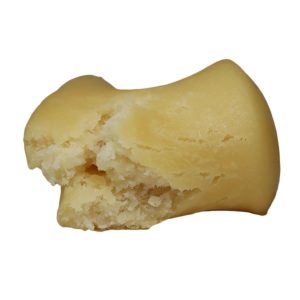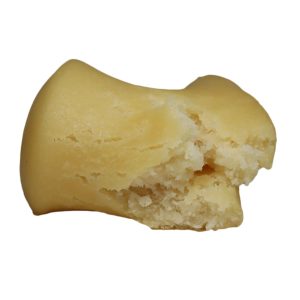
Hash: Hash Oil and Cannabis Extraction
Hash, also known as hashish, is one of the oldest categories of concentrated cannabis products.
Modern cannabis markets have expanded that concept dramatically.
Today, consumers may encounter terms such as:
- traditional hash;
- hash oil;
- cannabis oil;
- wax;
- budder;
- shatter;
- live resin;
- rosin;
- distillate;
- cannabis concentrates.
Although these products share connections to concentrated cannabis compounds, they are not necessarily produced in the same way or chemically equivalent.
Hash oil deserves particular attention because modern extracts can contain substantially higher concentrations of tetrahydrocannabinol (THC) than conventional cannabis flower.
For additional U.S.-focused cannabis education, readers can explore Cannabistopgrade.com.
What Is Hash?
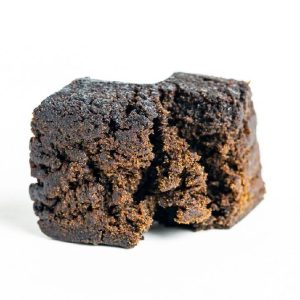
Hash is a cannabis concentrate traditionally produced from the resinous structures of the cannabis plant.
These structures include trichomes, which contain cannabinoids and aromatic compounds.
Traditional hash differs from ordinary marijuana flower because plant resin is concentrated rather than the entire dried flower being used as the final product.
Depending on the material and processing, hash can vary in:
- color;
- consistency;
- cannabinoid content;
- aroma;
- texture.
The word “hash” therefore does not describe one standardized chemical formulation.
What Is Hashish?
Hashish is the longer name from which the commonly used term hash derives.
In modern cannabis terminology, the two terms are generally used to describe the same broad category of concentrated cannabis resin.
Hash has a long history in several regions of the world.
Modern regulated cannabis markets have introduced additional manufacturing, testing and labeling practices that did not exist in traditional hash production.
Hash vs. Marijuana Flower
Cannabis flower consists primarily of dried plant material.
Hash concentrates resinous material containing cannabinoids and terpenes.
| Feature | Cannabis Flower | Hash |
|---|---|---|
| Main material | Dried flower | Concentrated resin/trichome material |
| THC concentration | Product-dependent | Often more concentrated |
| Texture | Dried botanical material | Solid or semi-solid |
| Processing | Relatively limited | Concentration/separation involved |
| Potency standardized? | No | No |
Neither product name establishes an exact THC percentage.
What Is Hash Oil?
Hash oil is a broad term for concentrated cannabis oil containing cannabinoids extracted from cannabis material.
It may also be called:
- cannabis oil;
- honey oil;
- cannabis extract.
Some solvent-produced forms have historically been described as butane hash oil, or BHO.
Modern concentrate terminology overlaps considerably, so consumers should rely on actual product labels rather than assuming every product using the same slang term is chemically identical.
Hash vs. Hash Oil
Hash and hash oil belong to the larger cannabis concentrate category, but their physical characteristics can differ.
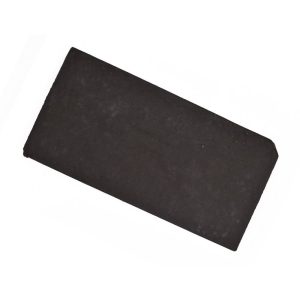
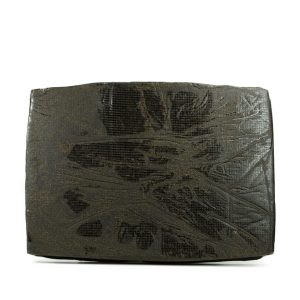
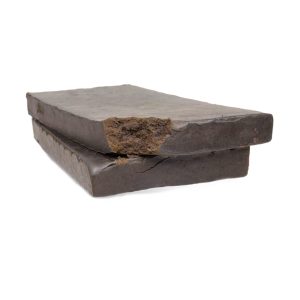
Traditional hash is generally a solid or semi-solid resin concentrate.
Hash oil is an oil-like or extract-based concentrate.
Both can contain substantial THC.
What Are Cannabis Concentrates?
“Cannabis concentrate” is an umbrella term.
It generally describes products in which cannabinoids and other cannabis compounds have been concentrated from plant material.
The category can include:
- hash;
- hash oil;
- wax;
- budder;
- shatter;
- resin;
- rosin;
- distillate.
The terminology is not perfectly standardized across manufacturers and markets.
Cannabis Concentrate Comparison
| Concentrate | Common Characteristic | Important Distinction |
|---|---|---|
| Hash | Concentrated resin/trichomes | Traditional concentrate |
| Hash oil | Oil-like extract | Broad extraction category |
| Wax | Soft/waxy texture | Texture-based terminology |
| Budder | Creamy/whipped | Usually soft concentrate |
| Shatter | Hard/brittle | Glass-like appearance |
| Live resin | Terpene preservation emphasized | Processing approach matters |
| Rosin | Mechanical separation | No conventional solvent extraction |
| Distillate | Highly refined | Concentrated cannabinoid fraction |
Names alone do not establish quality or safety.
What Is Cannabis Extraction?
Cannabis extraction refers broadly to separating or concentrating desired compounds from cannabis plant material.
Those compounds can include:
- THC;
- CBD;
- minor cannabinoids;
- terpenes.
Commercial extraction technologies differ considerably.
This article discusses those technologies conceptually rather than providing instructions for manufacturing high-potency cannabis concentrates.
Mechanical Cannabis Concentration
Some concentrate categories rely primarily on physical separation rather than chemical solvents.
Mechanical approaches can separate resin-rich trichomes from other plant material.
Traditional hash production is closely associated with this general concept.
Solvent-Based Cannabis Extraction
Commercial cannabis processors may also use controlled extraction systems involving solvents.
Different technologies can produce concentrates with different:
- textures;
- cannabinoid concentrations;
- terpene profiles.
Commercial extraction requires significant attention to equipment, engineering controls, residual-solvent testing and applicable licensing requirements.
Why Home Solvent Extraction Can Be Dangerous
Attempting solvent-based extraction outside appropriately engineered facilities can create serious hazards.
Certain solvents are highly flammable.
Improper handling can contribute to:
- fires;
- explosions;
- severe burns;
- property damage;
- chemical exposure.
For that reason, this guide does not provide step-by-step instructions, solvent ratios, temperatures or equipment configurations for producing hash oil.
What Is Butane Hash Oil?
Butane hash oil, commonly abbreviated BHO, refers to cannabis concentrate historically associated with butane-based extraction.
Products produced through related processing can appear under names such as:
- wax;
- shatter;
- budder;
- honey oil.
The final terminology can depend partly on post-extraction processing and texture.
Is BHO the Same as Shatter?
Not necessarily.
BHO describes an extraction category associated with a solvent.
Shatter describes a physical consistency.
A solvent-produced extract can potentially be processed into different textures.
This demonstrates why cannabis terminology can overlap.
What Is Cannabis Wax?
Wax is a concentrate with a softer, wax-like consistency.
It can contain substantial THC.
The term describes physical characteristics more than a standardized chemical formula.
What Is Budder?
Budder generally describes a soft, creamy or whipped cannabis concentrate.
Budder should not be confused with cannabutter.
Cannabutter is a food ingredient containing cannabis compounds.
Budder is a concentrate.
What Is Shatter?
Shatter is generally recognized by its hard, brittle or glass-like consistency.
Appearance does not establish:
- THC concentration;
- purity;
- contaminant status;
- quality.
Laboratory information provides much more meaningful evidence.
What Is Live Resin?
Live resin generally refers to concentrates produced with an emphasis on preserving volatile compounds from relatively fresh cannabis material.
The category is often marketed around aroma and terpene retention.
Live resin can still contain substantial THC.
“Live” does not mean non-intoxicating.
What Is Rosin?
Rosin is associated with mechanical extraction involving heat and pressure rather than conventional solvent-based extraction.
This makes it different from products manufactured using hydrocarbon solvents.
However, solventless does not mean THC-free or risk-free.
Rosin can still be a highly concentrated cannabis product.
What Is Distillate?
Cannabis distillate is a highly refined concentrate designed to isolate or concentrate particular cannabinoids.
Distillates can appear in multiple cannabis product categories.
Their cannabinoid composition depends on the formulation.
Hash Oil and THC
THC stands for tetrahydrocannabinol.
Delta-9 THC is the primary intoxicating cannabinoid associated with marijuana.
Concentrates can expose users to much greater THC concentrations than traditional cannabis flower.
This is one of the most important differences between hash oil and ordinary plant material.
Why High THC Matters
Greater THC concentration can produce stronger intoxicating effects.
THC can affect:
- memory;
- attention;
- coordination;
- reaction time;
- decision-making;
- perception.
High-potency products can also increase the possibility of unpleasant effects.
Potential Effects of High-THC Concentrates
Possible unwanted effects can include:
- anxiety;
- panic;
- paranoia;
- confusion;
- impaired coordination;
- excessive intoxication.
Individual sensitivity varies substantially.
THC Percentage Is Not a Quality Score
Consumers sometimes compare concentrates almost entirely according to THC percentage.
That approach overlooks several factors.
Quality can also involve:
- contaminant testing;
- cannabinoid composition;
- terpene profile;
- manufacturing controls;
- storage;
- freshness.
More THC does not automatically mean a better product.
Hash Oil and Cannabis Use Disorder
Frequent cannabis use can lead to cannabis use disorder in some individuals.
Potential warning signs include:
- craving cannabis;
- using more than intended;
- increasing tolerance;
- unsuccessful attempts to reduce use;
- continued use despite problems.
High-concentration products deserve particular attention because they can deliver substantial amounts of THC.
Hash Oil and Brain Health
THC affects areas of brain function involved in:
- memory;
- attention;
- learning;
- judgment;
- coordination.
These effects can be particularly important for younger people because brain development continues into young adulthood.
Hash Oil and Driving
THC can impair abilities necessary for safe driving.
Cannabis concentrates should therefore never be interpreted as compatible with safe driving simply because they produce less visible smoke or odor than traditional cannabis flower.
Impairment is the central concern.
Cannabis Extracts and the Heart
Cannabis can temporarily increase heart rate and affect blood pressure.
People with cardiovascular conditions should not assume concentrates are harmless simply because they are not traditional smoked cannabis.
Cannabis Concentrate Testing
Laboratory testing is particularly important for concentrates.
Depending on state regulations, testing can examine:
- THC concentration;
- CBD concentration;
- pesticides;
- residual solvents;
- heavy metals;
- microorganisms.
Testing requirements differ among states.
Residual Solvents
Residual-solvent testing can be particularly relevant to solvent-extracted concentrates.
Professional manufacturing involves controlling processing conditions and evaluating whether unwanted solvent residues remain in the final product.
Visual appearance cannot determine this.
Pesticide Testing
Cannabis plant material can potentially contain pesticide residues.
Concentrating compounds from cannabis can make contaminant control especially important.
Regulated markets may therefore establish pesticide testing requirements.
Heavy Metals
Cannabis can potentially accumulate contaminants from soil or other environmental sources.
Heavy-metal screening may therefore form part of regulated cannabis testing programs.
Microbial Contaminants
Cannabis products can also be affected by:
- molds;
- yeasts;
- bacteria.
Proper cultivation, processing, storage and testing can reduce these risks.
Reading a Hash Oil Label
Useful information can include:
- total THC;
- CBD;
- net weight;
- cannabinoid profile;
- batch or lot number;
- manufacturer;
- testing information;
- required warnings.
Product slang should not replace these details.
THC vs. THCA
Cannabis labels can list both THC and THCA.
THCA, or tetrahydrocannabinolic acid, is a precursor associated with cannabis.
Heat can convert THCA into THC through a process known as decarboxylation.
This helps explain why cannabinoid labels can contain several related measurements rather than one simple THC number.
Hash and Terpenes
Terpenes are aromatic compounds found in cannabis and many other plants.
Common cannabis terpenes include:
- myrcene;
- limonene;
- caryophyllene;
- pinene;
- linalool.
They contribute substantially to aroma.
However, a terpene profile should not automatically be converted into claims that a concentrate treats a particular medical condition.
Hash Oil vs. CBD Oil
These terms should not be treated as interchangeable.
THC-rich hash oil can be strongly intoxicating.
CBD oil generally emphasizes cannabidiol, which does not produce THC’s characteristic high.
Some products contain both.
The cannabinoid label matters.
Hash Oil vs. Hemp Oil
“Hemp oil” is another potentially confusing term.
It can refer to very different products, including hemp seed oil or cannabinoid-containing hemp extracts.
Hemp seed oil should not automatically be confused with THC-rich cannabis extract.
U.S. Hash and Cannabis Concentrate Laws
Cannabis laws vary substantially across the United States.
States can establish different rules covering:
- possession;
- medical cannabis;
- adult-use cannabis;
- concentrates;
- product potency;
- manufacturing;
- laboratory testing;
- packaging;
- retail sales.
A state permitting cannabis flower does not necessarily regulate every concentrate identically.
Concentrate Limits Can Differ From Flower Limits
Some states regulate cannabis products according to different measurements.
Rules can distinguish among:
- flower;
- concentrates;
- edibles.
Consumers should therefore check concentrate-specific regulations rather than assuming a flower possession limit applies identically to hash oil.
Cannabis Extraction Licensing
Commercial cannabis extraction can be separately regulated.
A jurisdiction may require specific:
- processing licenses;
- facility standards;
- fire-safety requirements;
- testing;
- tracking.
Legal possession of cannabis does not automatically authorize commercial concentrate manufacturing.
Home Extraction Laws
Home cultivation and home extraction are separate legal questions.
Even where adults may legally cultivate cannabis, certain extraction methods can remain prohibited or restricted because of fire and public-safety risks.
Current state and local regulations should always be checked.
Licensed Cannabis Retailers
In regulated marijuana markets, hash and hash oil products may be sold through licensed retailers where permitted.
Consumers can use official state regulatory resources to verify whether a retailer is authorized.
A professional-looking website alone does not prove licensing.
Online Hash Oil Listings
Licensed dispensaries may maintain online menus displaying concentrate products.
An online listing can potentially support:
- product research;
- local reservation;
- store pickup;
- authorized local delivery.
It does not automatically create permission for nationwide marijuana shipping.
Local Delivery vs. Interstate Shipping
This distinction is important.
A state may permit licensed cannabis delivery within an authorized service area.
That is different from sending marijuana concentrates across state lines.
State legalization should not be interpreted as unrestricted interstate marijuana commerce.
Hash Oil Packaging and Storage
Concentrates should be stored securely and according to applicable product guidance.
They should remain inaccessible to:
- children;
- pets;
- unauthorized users.
Keeping regulated products in their original packaging can also preserve warnings and identifying information.
Why Concentrate Education Matters
Modern cannabis concentrates can be substantially different from the marijuana products familiar to previous generations.
Changes in:
- potency;
- extraction technology;
- product diversity;
- retail terminology
make cannabis literacy increasingly important.
Consumers need more than strain names or THC percentages to understand these products.
Educational Resources
For additional U.S.-focused education about cannabis concentrates, cannabinoids and marijuana policy, explore Cannabistopgrade.com.
For public-health information about THC concentrates and cannabis use disorder, consult CDC Cannabis and Public Health.
Concerning an educational overview of marijuana concentrates and hash oil terminology, consult the National Institute on Drug Abuse.
Regarding current state cannabis legislation, including product regulations involving concentrates, testing and packaging, consult the NCSL State Cannabis Policy Enactment Database.
Readers can continue exploring hash, THC, concentrates, cannabis strains and legal-market terminology through Cannabistopgrade.com.
Frequently Asked Questions
1. What is hash?
Hash, or hashish, is a concentrated cannabis product traditionally made from resin-rich material separated from the cannabis plant. Its THC content and physical characteristics vary.
2. What is hash oil?
Hash oil is a concentrated cannabis extract containing cannabinoids such as THC. The broad category can overlap with terms including cannabis oil, BHO and other concentrate terminology.
3. Is hash stronger than regular marijuana flower?
Hash and modern cannabis extracts can contain higher concentrations of THC than ordinary cannabis flower. Exact potency varies by product, so laboratory label information is more reliable than the product name.
4. Is hash oil the same as wax or shatter?
Not exactly. Hash oil is a broad extract category, while terms such as wax, budder and shatter frequently describe physical consistency or processing characteristics. Cannabis concentrate terminology can overlap.
5. Is cannabis extraction legal in the United States?
There is no single nationwide rule for state-authorized cannabis processing. State and local laws differ, and some jurisdictions impose specific restrictions or licensing requirements on concentrate manufacturing and extraction methods.
6. Why is laboratory testing important for hash oil?
Testing can provide information about cannabinoid potency and, depending on applicable regulations, contaminants such as pesticides, residual solvents, heavy metals and microorganisms. Appearance alone cannot verify these characteristics.
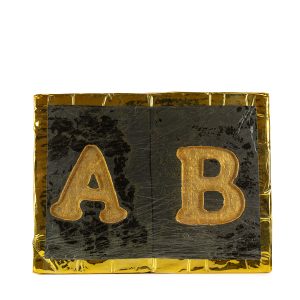
Hash
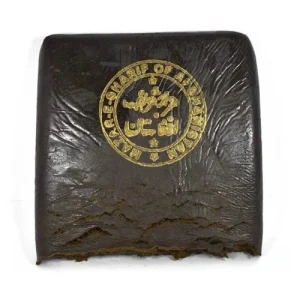
Buy THC Extracts Online
Hash
Buy THC Extracts Online

Hash
Buy THC Extracts Online
Buy THC Extracts Online
Hash
Hash