
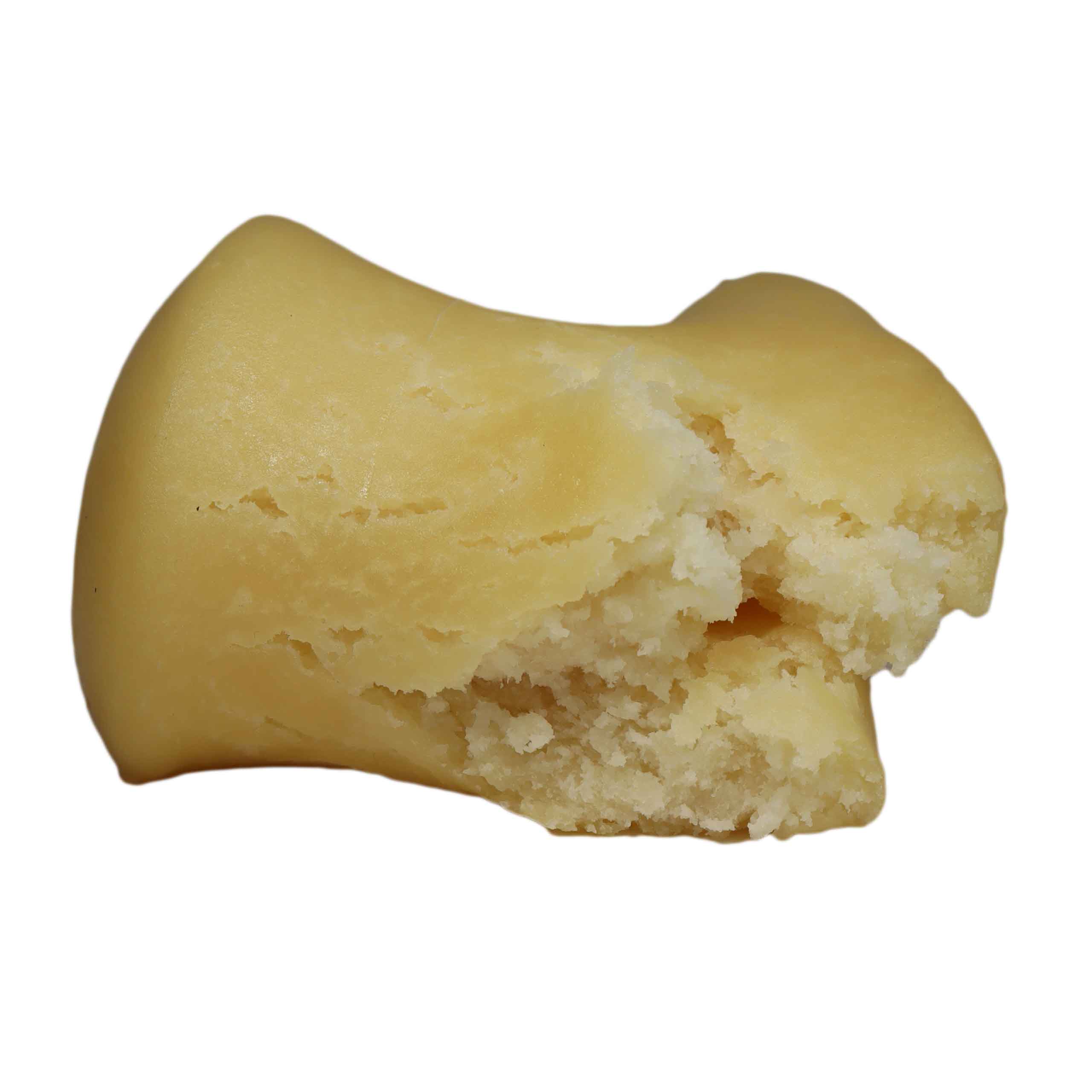
Doctor Punch Full Melt Hash
Doctor Punch Full Melt Hash is a cannabis concentrate name associated with highly refined resin-rich material collected from cannabis trichomes. Full-melt hash differs significantly from ordinary marijuana flower because it concentrates the resin glands where much of the plant’s cannabinoid and terpene chemistry occurs.
The terminology surrounding cannabis can become confusing quickly. Searches for how to use hash, plant hash, hash drug slang, how do you smoke weed, can you smoke grass, how many strains of pot are there, types of marijuanas names and how many weed strains are there can refer to very different aspects of the same plant.
Hash, flower, concentrates and strains are related, but they are not interchangeable terms.
For Doctor Punch Full Melt Hash specifically, an exact genetic lineage or THC concentration should not be assumed solely from the product name unless supported by reliable breeder, producer or batch-specific laboratory documentation.
For additional U.S. cannabis education, explore Cannabistopgrade.com.
Doctor Punch Full Melt Hash Quick Facts
| Feature | Doctor Punch Full Melt Hash |
|---|---|
| Product category | Cannabis concentrate |
| Concentrate family | Hash |
| Main material | Cannabis resin/trichomes |
| Full melt meaning | Highly refined, low-residue hash |
| Solventless | Commonly associated with solventless processing |
| Same as flower? | No |
| THC | Batch-dependent and potentially concentrated |
| CBD | Batch-dependent |
| Exact genetics | Should not be assumed from name alone |
| Intoxicating potential | Potentially significant when THC-rich |
| U.S. legality | Depends on state law |
What Is Doctor Punch Full Melt Hash?
Doctor Punch Full Melt Hash is best understood as a highly refined cannabis-resin product marketed under the Doctor Punch name.
The important technical phrase is:
full melt hash.
Full melt generally describes hash containing a high proportion of clean resin glands with relatively little unwanted botanical material.
Unlike ordinary cannabis flower, the emphasis is on concentrating:
trichomes.
What Are Cannabis Trichomes?
Trichomes are microscopic structures found predominantly on cannabis flowers and nearby plant surfaces.
Glandular trichomes produce resin containing compounds such as:
- THCA;
- THC after conversion;
- CBDA;
- CBD;
- CBG;
- other minor cannabinoids;
- terpenes.
The exact composition depends on genetics and the individual batch.
What Is Plant Hash?
Plant hash generally refers to hash produced from cannabis plant resin.
Traditional hash is not a synthetic drug.
It originates from the resin glands naturally produced by cannabis.
Hash processing separates and concentrates these resinous structures from much of the ordinary plant tissue.
Plant Hash vs. Cannabis Flower
Cannabis flower contains:
plant tissue + naturally occurring trichomes.
Hash contains:
a much greater proportion of concentrated resin material.
| Feature | Plant Hash | Cannabis Flower |
|---|---|---|
| Source | Cannabis | Cannabis |
| Primary material | Concentrated resin | Dried flowers |
| Trichomes | Concentrated | Naturally distributed |
| THC | Often concentrated | Variable |
| Plant material | Reduced | Substantial |
| Same product? | No | No |
What Is Full Melt Hash?
Full melt is an industry quality designation for highly refined hash.
It is typically associated with:
- high resin concentration;
- relatively low plant contamination;
- substantial melting characteristics.
The term does not guarantee a specific THC percentage.
Nor does it establish that the product is contaminant-free.
Laboratory analysis remains important.
Why Is It Called Full Melt?
Cannabis resin softens and melts when sufficiently heated.
Highly refined hash consisting predominantly of resin can melt substantially while leaving comparatively little solid botanical residue.
Lower-quality hash containing more leaf or fiber tends to leave more residue.
This difference gave rise to the phrase:
full melt.
Doctor Punch Full Melt Hash THC
No universal THC percentage applies to every Doctor Punch Full Melt Hash product.
Concentrating cannabis resin can produce cannabinoid concentrations considerably higher than ordinary flower.
However, actual potency depends on:
- starting cultivar;
- resin density;
- trichome maturity;
- refinement;
- processing;
- laboratory methodology.
A batch-specific Certificate of Analysis is the better source.
Doctor Punch Genetics
Cannabis product names do not guarantee standardized genetics.
Without authoritative breeder or producer documentation, it would be misleading to invent a Doctor Punch lineage simply because similar “Punch” cultivars exist.
The cannabis market includes names such as:
- Purple Punch;
- Fruit Punch;
- Punch Breath;
- Tropicana Punch.
A shared word does not prove shared genetics.
Hash Drug Slang
Hash is itself common cannabis slang.
It is short for:
hashish.
Other cannabis-related slang can include:
- weed;
- pot;
- grass;
- ganja;
- bud;
- herb;
- marijuana.
These words can overlap in casual speech but may describe different product forms.
Hashish vs. Weed
Hashish and weed originate from cannabis.
The difference lies primarily in processing.
Weed usually refers to dried cannabis flower.
Hashish refers to concentrated cannabis resin.
This means hash can contain more cannabinoids relative to its weight than ordinary flower.
Hash Is Not the Same as Synthetic Cannabinoids
Traditional hash should not be confused with products marketed as:
- K2;
- Spice;
- synthetic marijuana.
Traditional hash is derived from cannabis resin.
Synthetic cannabinoids are laboratory-created chemicals with different pharmacology and potentially serious health risks.
How to Use Hash
People searching how to use hash may encounter several consumption methods discussed online, but no method makes high-THC cannabis risk-free.
Hash products can differ dramatically in:
- purity;
- potency;
- intended product format.
Consumers in legal markets should follow regulated product labeling rather than assuming all hash is intended for the same method of consumption.
Smoking or vaporizing high-THC concentrates can produce substantial intoxication.
How Do You Smoke Weed?
Cannabis flower is commonly consumed through combustion, but smoking is not a risk-free delivery method.
The important public-health distinction is that:
burning cannabis creates smoke.
Cannabis smoke contains many of the same toxins and irritants found in tobacco smoke.
Therefore, there is no medically established harmless technique for smoking weed.
Can You Smoke Grass?
In cannabis slang, grass commonly means marijuana.
So when someone asks can you smoke grass, they are usually asking about cannabis flower rather than ordinary lawn grass.
Cannabis has historically been smoked, but inhaling cannabis smoke can expose the lungs to:
- fine particles;
- irritants;
- combustion products.
“Natural” does not mean harmless to the respiratory system.
Cannabis Smoke and Lung Health
Smoking cannabis can damage lung tissue.
Frequent smoking is associated with respiratory symptoms such as:
- cough;
- mucus production;
- bronchitis-like symptoms.
The production method does not eliminate the consequences of combustion.
Even solventless hash can generate smoke if burned.
Hash vs. Smoking Cannabis Flower
Both hash and flower can contain THC.
However, hash can be substantially more concentrated.
That means a physically small amount of hash should not be assumed equivalent to the same amount of ordinary flower.
Product potency matters more than appearance alone.
Cannabis and Driving
THC can affect:
- coordination;
- attention;
- reaction time;
- judgment;
- memory.
Driving while impaired by cannabis is unsafe.
This applies whether the cannabis product is:
- flower;
- hash;
- full melt;
- rosin;
- another THC concentrate.
Cannabis Use Disorder
Some people who consume cannabis develop cannabis use disorder.
Potential signs include:
- cravings;
- increasing tolerance;
- difficulty reducing consumption;
- continued use despite negative consequences.
High-potency cannabis deserves particular attention because concentrated products can deliver substantial THC.
How Many Strains of Pot Are There?
There is no authoritative fixed number of cannabis strains.
Thousands of cultivar and commercial strain names exist, and new crosses continue to appear.
Any website claiming that exactly:
“500,” “1,000,” or “10,000”
weed strains exist worldwide is simplifying a much more complicated situation.
Cannabis breeding is constantly evolving.
How Many Weed Strains Are There?
The answer depends partly on what counts as a separate strain.
A cannabis breeder can cross:
Parent A × Parent B
and produce genetically diverse offspring.
Different selections from those offspring can become separate named cultivars.
Breeders can then create:
- backcrosses;
- hybrids;
- stabilized lines;
- phenotype selections.
This creates an enormous and constantly changing pool of names.
Why Nobody Can Count Every Weed Strain
There is no worldwide authority assigning unique cannabis strain names.
The same name can sometimes be used by:
- different breeders;
- different growers;
- unrelated producers.
Conversely, genetically similar plants can be sold under different names.
Therefore:
strain-name count is not equivalent to genetic-diversity count.
What Does Cannabis Strain Mean?
In consumer cannabis markets, a strain generally refers to a named cannabis cultivar or product lineage.
Botanically, the term:
cultivar
is often more precise.
Commercial cannabis nevertheless overwhelmingly uses the word:
strain.
Types of Marijuanas Names
Cannabis strain names span thousands of commercial cultivars.
Well-known examples include:
- Blue Dream;
- Northern Lights;
- Sour Diesel;
- OG Kush;
- Granddaddy Purple;
- Jack Herer;
- Durban Poison;
- Girl Scout Cookies/GSC;
- Wedding Cake;
- Runtz;
- Gelato;
- Zkittlez;
- Purple Punch;
- Gorilla Glue/GG4;
- Trainwreck.
These names can represent very different genetic families.
Cannabis Strain Families
Modern cannabis names frequently trace back to influential genetic families such as:
Kush
Haze
Skunk
Diesel
Cookies
Gelato
Runtz
Zkittlez
Breeders repeatedly cross these families to create newer cultivars.
Indica, Sativa and Hybrid
Commercial cannabis is commonly divided into:
- indica;
- sativa;
- hybrid.
However, these labels cannot reliably predict the exact chemical composition or effect of every product.
Modern cannabis has undergone extensive hybridization.
Laboratory cannabinoid and terpene information can provide more specific information than a simple indica/sativa label.
What Is Indica?
In retail cannabis terminology, indica generally refers to cultivars marketed as having characteristics associated with broad-leaf cannabis ancestry.
Consumers often associate indica with relaxation.
However:
indica does not guarantee sedation.
Actual effects depend on product chemistry and individual response.
What Is Sativa?
Sativa is commonly used for cultivars associated historically with narrow-leaf cannabis ancestry.
Consumers frequently associate sativa with energetic effects.
Again:
the label does not guarantee a specific experience.
THC concentration and individual response matter.
What Is a Hybrid Cannabis Strain?
A hybrid combines genetic ancestry from different cannabis lines.
Most modern commercial cultivars are hybrids to some degree.
Examples include:
- Blue Dream;
- Wedding Cake;
- Runtz;
- Gelato;
- GSC.
Hybridization is one reason counting every cannabis strain is nearly impossible.
Cannabis Strain Names Do Not Guarantee Chemistry
Two products carrying the same strain name can have different:
- THC;
- CBD;
- minor cannabinoids;
- terpene profiles.
Differences can result from:
- genetics;
- phenotype;
- cultivation;
- harvest;
- storage.
Therefore, the name is only one piece of information.
THC vs. CBD Cannabis
Another useful classification is cannabinoid composition.
Cannabis products can be:
- THC-dominant;
- CBD-dominant;
- balanced THC/CBD;
- mixed cannabinoid.
This can be more informative than simply asking whether a product is indica or sativa.
Hash vs. Kief
Kief is loose resinous material separated from cannabis.
It can contain:
- trichome heads;
- stalks;
- small plant fragments.
Hash generally involves additional concentration, collection or refinement of resin.
Premium full melt represents a much cleaner resin fraction.
Hash vs. Bubble Hash
Bubble hash is a specific solventless hash category commonly associated with cold-water separation.
Traditional hash can be produced through other forms of resin collection.
Exceptionally refined bubble hash can become:
full melt bubble hash.
Hash vs. Rosin
Hash and rosin are not identical.
A Hash primarily consists of concentrated resin structures.
Rosin is produced through mechanical pressure and controlled heat.
When hash is pressed into rosin, the result is:
hash rosin.
Full Melt vs. Hash Rosin
| Feature | Full Melt | Hash Rosin |
|---|---|---|
| Solventless | Yes | Yes |
| Trichome-rich | Yes | Derived from resin |
| Pressing required | No | Yes |
| Texture | Granular/resinous | Sticky/oily |
| THC | Batch-dependent | Batch-dependent |
Cannabis Concentrate Potency
Concentrates can deliver considerably more THC than many flower products.
Higher THC exposure can increase:
- intoxication;
- memory impairment;
- coordination problems;
- anxiety in susceptible individuals.
Higher potency should not automatically be interpreted as higher quality.
Doctor Punch Full Melt Hash and Laboratory Testing
Useful laboratory information includes:
- THC;
- THCA;
- CBD;
- minor cannabinoids;
- contaminants required under state rules.
Consumers should match the laboratory report to the actual:
batch number.
Generic strain information cannot replace product-specific testing.
Cannabis Laws Vary Across the United States
Cannabis legality differs by state.
Some jurisdictions permit adult-use cannabis.
Others allow medical cannabis only.
Others maintain significant prohibitions.
Concentrates may also have possession limits different from cannabis flower.
Consumers should check the current rules published by their state cannabis regulator.
Educational Resources
For additional cannabis concentrate and strain education, explore Cannabistopgrade.com.
Regarding general cannabis health information, review CDC Cannabis and Public Health.
For information concerning cannabis and lung health, review CDC Cannabis and Lung Health.
Regarding information about cannabis and brain health, review CDC Cannabis and Brain Health.
For current state cannabis legislation, review the NCSL State Cannabis Legislation Database.
Continue exploring U.S. cannabis strains and concentrates through Cannabistopgrade.com.
Doctor Punch Full Melt Hash Explained Simply
Doctor Punch Full Melt Hash belongs to the refined cannabis-resin category.
Traditional marijuana flower contains both plant material and resin glands.
Hash concentrates the resin.
Full melt refines that concept further by emphasizing relatively clean trichome material.
Terms such as plant hash, weed, pot and grass all appear in cannabis vocabulary, but they do not necessarily identify the same physical product.
There is also no fixed answer to how many weed strains are there. Cannabis breeding continuously creates new hybrids and cultivar names, while naming itself lacks a single global standard.
The best way to understand a modern cannabis product is therefore to combine:
- cultivar information;
- cannabinoid testing;
- terpene testing;
- batch identification;
- applicable state law.
That provides substantially more useful information than relying on a strain name alone.
1. What is Doctor Punch Full Melt Hash?
Doctor Punch Full Melt Hash is a cannabis concentrate name associated with highly refined resin-rich hash. Exact genetics, cannabinoid concentrations and terpene profiles should be verified through producer documentation and batch-specific testing.
2. What does plant hash mean?
Plant hash generally means hash derived from cannabis resin. Traditional hash concentrates the naturally occurring trichomes of cannabis rather than being a synthetic cannabinoid product.
3. What does hash mean in drug slang?
Hash is the common shortened form of hashish, a concentrated cannabis-resin product. It should not be confused with synthetic cannabinoids such as K2 or Spice.
4. Is smoking weed harmless?
No. Cannabis smoke contains toxins and irritants, and smoking can harm lung tissue. THC can also impair memory, attention, coordination and reaction time.
5. How many strains of pot are there?
There is no authoritative fixed number. Thousands of cannabis cultivar names exist, new hybrids continue to be developed, and strain naming is not governed by one worldwide registry.
6. What are some common marijuana strain names?
Well-known names include Blue Dream, Northern Lights, Sour Diesel, OG Kush, GSC, Wedding Cake, Runtz, Gelato, Zkittlez, Purple Punch and GG4. Individual batches can still differ substantially in cannabinoid and terpene chemistry.
| Quantity | 7 Grams, 14 Grams, 28 Grams |
|---|
Be the first to review “Doctor Punch Full Melt Hash”
Related products
Buy THC Extracts Online
Hash
Hash
Buy THC Extracts Online
Hash
Buy THC Extracts Online
Buy THC Extracts Online
Reviews
There are no reviews yet.