
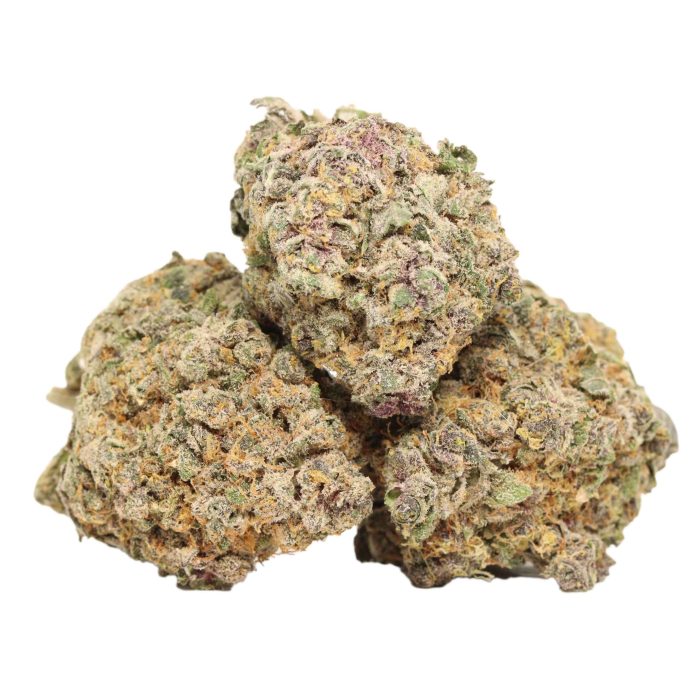
Candy Wreck Strain
Candy Wreck Strain is a lesser-known cannabis cultivar whose published genetics, cannabinoid levels, and even classification vary between available strain databases.
One current strain reference describes Candy Wreck as an indica-dominant hybrid created from Candyland and Trainwreck, with approximately 10% to 13.5% THC and low CBD. Another large strain database lists Candy Wreck as a hybrid with approximately 19.3% THC and about 0.6% CBD while identifying the breeder as unknown.
That disagreement is important.
Unlike heavily documented cultivars such as Blue Dream, Northern Lights, or Bruce Banner, Candy Wreck does not appear to have one universally accepted commercial profile.
For that reason, consumers should not assume that every product labeled Candy Wreck shares identical:
- genetics;
- THC;
- CBD;
- terpenes;
- effects;
- flavor.
The actual package and laboratory result for the specific batch provide better information.
This educational guide examines Candy Wreck Strain while also explaining search terms such as weed dispenser, where to buy medical cannabis, buy weed online free shipping, cheapest weed online, real weed, where can you find weed, online cannabis dispensary, and 1 oz weed dispensary within the legal, licensed U.S. cannabis market.
For additional cannabis strain and marijuana-law education, visit Cannabistopgrade.com.
Candy Wreck Strain Quick Profile
| Characteristic | Candy Wreck Strain |
|---|---|
| Common classification | Hybrid / reportedly indica-dominant |
| Reported genetics | Candyland × Trainwreck |
| Genetics fully standardized? | No |
| Reported THC | Roughly 10–19% depending on source |
| Reported CBD | Generally low |
| Common reported effect | Relaxed |
| Other reported effects | Tingly, concentrated |
| Flavor descriptions | Grape, skunk, mango, sweet |
| Reported terpenes | Profiles vary by source |
| Best potency source | Batch-specific laboratory test |
Candy Wreck is therefore better understood as a cultivar with variable documentation rather than a strain with one fixed chemical specification.
What Is Candy Wreck Strain?
Candy Wreck is a cannabis strain name associated with hybrid genetics.
One widely indexed strain reference identifies its parents as:
Candyland × Trainwreck
The combination would logically bring together two recognizable cannabis families.
Candyland is generally associated with sweeter flavor characteristics, while Trainwreck is known for an earthy, pine-influenced, sometimes citrus-associated profile.
However, documentation surrounding Candy Wreck is limited.
The lineage should therefore be described as reported genetics, not an unquestionable breeder-certified pedigree.
Is Candy Wreck Indica or Sativa?
Available references disagree somewhat.
One database categorizes Candy Wreck as an indica-dominant hybrid.
Another describes it simply as a hybrid.
This disagreement illustrates why modern cannabis classification should not rely entirely on indica-versus-sativa terminology.
More useful information includes:
- cannabinoid testing;
- terpene testing;
- batch number;
- producer;
- laboratory certificate.
Modern cannabis genetics have been extensively hybridized.
Candy Wreck Genetics
The most commonly published parentage is:
Candyland × Trainwreck
Candyland is itself a well-known hybrid associated with Granddaddy Purple and Bay Platinum Cookies genetics.
Trainwreck is a famous West Coast cultivar historically associated with Afghani, Mexican, and Thai ancestry.
If the reported Candy Wreck lineage is accurate, the result combines a broad range of cannabis genetic backgrounds.
Candy Wreck and Candyland
Candyland is known for sweet, earthy, and fruit-associated aroma profiles.
Its name may partly explain the “Candy” portion of Candy Wreck.
However, strain names are not scientific proof of lineage.
Grower documentation and genetic testing provide stronger confirmation.
Candy Wreck and Trainwreck
Trainwreck is one of the most recognizable American cannabis strains.
It is generally classified as a hybrid with sativa-leaning characteristics and is commonly associated with:
- pine;
- earth;
- citrus;
- energetic consumer reports.
The “Wreck” portion of Candy Wreck appears to reflect the reported Trainwreck parentage.
Candy Wreck THC Percentage
There is no trustworthy universal Candy Wreck THC percentage.
One reference reports approximately:
10% to 13.5% THC
while another reports roughly:
19.3% THC.
Those values differ considerably.
Therefore, a generic strain page should not determine expectations about a specific product.
Why Candy Wreck THC Can Vary
THC concentration can be affected by:
- plant genetics;
- phenotype;
- growing conditions;
- harvest timing;
- drying;
- curing;
- storage;
- laboratory methods.
Two cannabis products with the same strain name can test very differently.
Candy Wreck Vape Potency
Current legal-market menu data also shows the Candy Wreck name appearing on vape products testing around 72% THC.
That does not mean Candy Wreck flower contains 72% THC.
A vape concentrate and raw cannabis flower are fundamentally different product formats.
This distinction is critical whenever potency numbers are compared.
Flower vs. Vape THC
| Product | Possible THC concentration |
|---|---|
| Candy Wreck flower | Variable, lower than concentrates |
| Candy Wreck vape | Can be substantially higher |
| Generic strain average | Only a reference |
| Actual potency | Check batch label |
The product form matters just as much as the strain name.
Candy Wreck Effects
One strain database lists relaxation as the strongest reported effect.
Additional consumer reports include:
- tingling sensations;
- concentration;
- calming effects.
These descriptions are based on consumer experiences.
They do not guarantee how another person will respond.
Candy Wreck and Relaxation
Relaxation is one of the most commonly associated Candy Wreck effects.
However, THC may also cause unwanted reactions in some individuals.
Possible adverse effects can include:
- anxiety;
- dizziness;
- dry eyes;
- impaired attention.
Individual response depends on many factors.
Candy Wreck Flavor
Published flavor descriptions include:
- grape;
- skunk;
- mango;
- sweetness;
- earthy undertones.
Flavor varies with phenotype, curing, storage, and product type.
A vape formulation labeled Candy Wreck can also taste significantly different from flower.
Candy Wreck Aroma
Cannabis aroma comes from a complex mixture of volatile compounds.
Candy Wreck is generally associated with fruit-forward notes combined with:
- earth;
- skunk;
- herbaceous aromas.
Aromatic character cannot establish THC potency.
Candy Wreck Terpenes
One reference reports terpene compounds including pinene and carene in Candy Wreck.
However, terpene information for this cultivar is not sufficiently standardized to claim one universal profile.
A laboratory terpene report from the actual batch is more reliable.
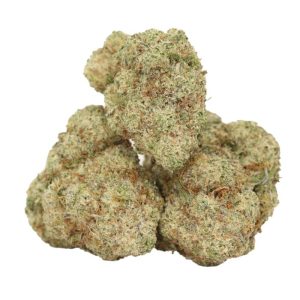
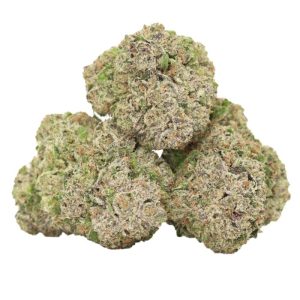
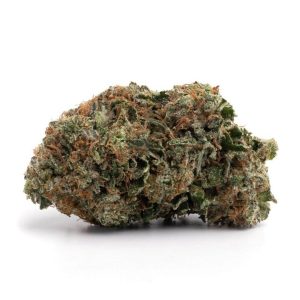
Candy Wreck Appearance
Candy Wreck flower may display characteristics typical of modern hybrid cannabis, including:
- green flowers;
- orange pistils;
- visible glandular trichomes;
- compact bud structure.
Appearance can differ dramatically between growers.
Candy Wreck Trichomes
Trichomes are glandular structures found on cannabis flowers.
They contain many cannabinoids and aromatic compounds.
Visible trichomes can indicate resin production, but they cannot provide an exact THC measurement.
Candy Wreck Flower
A regulated Candy Wreck flower package may display:
- THC;
- THCA;
- CBD;
- net weight;
- batch information;
- testing information.
These figures should take priority over generic online descriptions.
Candy Wreck Pre-Rolls
Candy Wreck can theoretically appear as a pre-roll where the cultivar is available.
A conventional pre-roll generally contains cannabis flower.
An infused product may contain additional:
- concentrate;
- kief;
- hash.
That can substantially increase potency.
Candy Wreck Vape Products
Candy Wreck is currently visible on certain regulated cannabis menus as a vape product.
A vape product may contain:
- cannabis oil;
- distillate;
- resin;
- terpene formulation.
Its chemistry does not necessarily replicate raw flower.
Candy Wreck and Laboratory Testing
Laboratory testing can identify measurable information including:
- delta-9 THC;
- THCA;
- CBD;
- other cannabinoids.
Depending on jurisdiction, regulated cannabis testing may also include contaminants.
Why Testing Is Important for Candy Wreck
Candy Wreck is a strong example of why testing matters.
Published reference THC numbers vary significantly.
Instead of asking:
“Is Candy Wreck always 13% or 19% THC?”
a more useful question is:
“What does this particular batch test at?”
Weed Dispenser
The phrase weed dispenser is often used informally to mean a cannabis dispensary.
More standard terminology includes:
- cannabis dispensary;
- marijuana retailer;
- medical cannabis dispensary;
- adult-use cannabis store.
A legal cannabis dispenser should operate under the licensing framework of the state where the transaction occurs.
Weed Dispenser vs. Dispensary
“Dispensary” usually refers to the licensed retail business.
“Weed dispenser” is more informal and can also be misunderstood as referring to equipment.
For cannabis searches, the regulated business is normally called a dispensary or retailer.
Where to Buy Medical Cannabis
People searching where to buy medical cannabis should start with their state’s official medical cannabis program.
Legal medical marijuana programs generally require purchases through authorized dispensaries or other approved channels.
Requirements can involve:
- patient enrollment;
- medical certification;
- identification;
- purchase limits.
Rules differ considerably among states.
Medical Cannabis Dispensaries
Medical cannabis retailers serve patients enrolled under applicable state programs.
A legitimate medical dispensary should be verifiable through the relevant state regulator.
Medical cannabis should not be purchased based solely on a search result or social-media advertisement.
Medical Cannabis Laws Differ by State
NCSL’s current cannabis-law resources show that states maintain different rules involving:
- medical cannabis programs;
- eligibility;
- possession;
- dispensaries;
- product forms;
- licensing.
There is no single nationwide medical marijuana retail system.
Where Can You Find Weed Legally?
The search phrase where can you find weed should be answered through the regulated market.
In states where adult-use cannabis is lawful, eligible consumers can identify licensed retailers through official state cannabis regulators.
Where only medical cannabis is permitted, eligible patients should use the state’s medical program.
Where marijuana sales remain illegal, an online listing does not make the transaction lawful.
Real Weed
The phrase real weed can refer to genuine marijuana rather than hemp-derived products, synthetic cannabinoids, or mislabeled products.
Consumers should understand that appearance alone cannot prove what a product contains.
Useful verification includes:
- regulated packaging;
- cannabinoid testing;
- licensed producer information;
- batch identification.
Real Cannabis vs. Synthetic Cannabinoids
Natural marijuana contains cannabinoids produced by the Cannabis plant.
Synthetic cannabinoids are chemically different substances.
They should not be treated as interchangeable.
Products sold under names such as Spice or K2 can pose severe health risks and are not substitutes for regulated cannabis.
How to Identify a Regulated Cannabis Product
Useful indicators include:
- license-linked retailer;
- tamper-resistant packaging;
- required warnings;
- cannabinoid information;
- batch or lot number.
Exact requirements vary by state.
Online Cannabis Dispensary
An online cannabis dispensary commonly refers to the website or ordering platform of a licensed cannabis retailer.
Depending on state and local law, the website may allow:
- menu browsing;
- pre-ordering;
- pickup;
- licensed local delivery.
Online ordering should not be confused with unrestricted interstate marijuana shipping.
Legal Online Cannabis Ordering
In regulated states, a dispensary website may allow a customer to choose products digitally and complete the transaction through an authorized retail system.
The business still remains subject to:
- state licensing;
- age requirements;
- possession limits;
- delivery restrictions.
Buy Weed Online Free Shipping
The phrase buy weed online free shipping deserves particular caution.
Ordinary state-regulated marijuana should not be treated like conventional nationwide e-commerce merchandise.
A claim of “free shipping” does not prove:
- legality;
- licensing;
- authenticity;
- product testing.
State cannabis licenses generally operate within state-regulated markets.
Free Shipping vs. Licensed Local Delivery
Free shipping usually implies parcel delivery or mail-order commerce.
Legal cannabis delivery in regulated state markets is often structured differently.
It can involve:
- licensed delivery businesses;
- approved geographic areas;
- age verification;
- identification checks.
These are not the same thing as unrestricted national shipping.
Marijuana Across State Lines
Consumers should not assume a dispensary can send marijuana across state borders simply because both states have cannabis laws.
State legal systems do not automatically authorize interstate cannabis commerce.
Cheapest Weed Online
Searches for cheapest weed online can attract unverified vendors.
Price should not be the primary indicator of a trustworthy cannabis source.
A safer legal-market comparison considers:
- licensing;
- testing;
- product freshness;
- package size;
- cannabinoid labeling.
Extremely low prices combined with unverifiable licensing deserve caution.
Cheap Weed vs. Legal Weed
Cheap cannabis and legal cannabis are not synonymous.
A product can be discounted within a regulated dispensary.
However, a very low online price does not prove the seller is lawful.
Cannabis Pricing
Cannabis pricing can vary because of:
- state taxes;
- local taxes;
- cultivation supply;
- product category;
- competition;
- package size.
That is why prices differ widely across U.S. markets.
1 Oz Weed Dispensary
The phrase 1 oz weed dispensary commonly refers to dispensaries offering one-ounce flower packages.
One ounce equals approximately:
28.35 grams.
However, possession and purchase limits differ by state.
The fact that a retailer lists a 1-ounce package does not mean every jurisdiction allows the same purchase or possession amount.
One Ounce Cannabis Sizes
Common flower measurements include:
| Common term | Approximate weight |
|---|---|
| Eighth | 3.5 g |
| Quarter | 7 g |
| Half ounce | 14 g |
| Ounce | 28.35 g |
These are commercial measurements, not universal legal possession allowances.
1 Oz Weed and State Law
Some adult-use states permit adults to possess at least one ounce.
Other jurisdictions apply different limits.
Medical patients may have separate allotments.
Always distinguish package size from legal possession limits.
Cannabis Ounce Pricing
Ounce pricing varies considerably across the United States.
Factors include:
- state market maturity;
- taxes;
- quality tier;
- cultivation supply;
- retailer competition.
A nationwide “cheapest ounce” comparison can therefore be misleading.
Cannabis Discounts
Licensed dispensaries may offer:
- percentage promotions;
- loyalty discounts;
- bulk pricing;
- clearance pricing.
Discounts do not change age or possession requirements.
Online Cannabis Scams
Unverified marijuana websites can present risks.
Warning signs can include:
- no verifiable state license;
- no physical location;
- inconsistent company information;
- nationwide marijuana-shipping claims;
- unusually low prices;
- unusual payment demands.
Consumers should verify businesses independently.
How to Check a Dispensary
The applicable state regulator is usually the strongest source.
A licensing database may provide:
- business name;
- license number;
- location;
- active status.
That is stronger evidence than testimonials on a retailer’s own website.
Marijuana Website Search Results
Search engines can return both regulated and unregulated sellers.
High placement in search results does not prove licensing.
A marijuana website should therefore be verified outside the website itself.
Licensed Cannabis Retail
Cannabis retail licensing can cover:
- adult-use dispensaries;
- medical dispensaries;
- delivery businesses;
- distributors.
License categories differ by state.
Adult-Use vs. Medical Cannabis
| Feature | Adult-Use Cannabis | Medical Cannabis |
|---|---|---|
| Typical eligibility | Adults meeting legal age | Qualified patients |
| Medical certification | Usually not required | Often required |
| Retail channel | Licensed adult-use retailer | Licensed medical dispensary |
| Purchase limits | State-specific | Program-specific |
| Online ordering | Jurisdiction dependent | Jurisdiction dependent |
| Delivery | Jurisdiction dependent | Jurisdiction dependent |
Neither system creates one uniform national marijuana market.
Cannabis and State Regulation
NCSL’s State Cannabis Policy Enactment Database was updated August 31, 2026.
It tracks state legislation involving:
- medical cannabis;
- adult-use cannabis;
- licensing;
- business practices;
- delivery;
- testing;
- local control;
- product regulations.
This continuing variation is why online cannabis searches must be interpreted state by state.
Candy Wreck at a Medical Dispensary
Candy Wreck may appear in a medical cannabis market where legally stocked.
Its appearance on a medical menu does not establish that the strain treats a medical condition.
Medical-program availability and clinical efficacy are separate issues.
Candy Wreck at an Adult-Use Dispensary
Where adult-use sales are lawful, Candy Wreck may appear as:
- flower;
- vape products;
- concentrates.
Availability changes with local inventory.
Candy Wreck and One-Ounce Packages
A dispensary could theoretically sell Candy Wreck in an ounce package where state law and inventory permit.
The actual purchase limit should still be checked under current state rules.
Candy Wreck Product Labels
Useful label information includes:
- THC;
- THCA;
- CBD;
- net weight;
- ingredients where applicable;
- batch number.
These details are more useful than the strain name alone.
Candy Wreck and High-Potency Vapes
A current Candy Wreck vape menu listing shows approximately 72.14% THC.
That number should be interpreted only as a product-specific vape result.
It is not a Candy Wreck flower average.
Flower and Concentrate Safety
Concentrated cannabis products can contain much higher THC levels than flower.
Greater THC exposure can increase risks such as:
- anxiety;
- confusion;
- impaired coordination;
- paranoia.
The difference between product formats is therefore important.
Cannabis and Driving
THC can impair:
- reaction time;
- judgment;
- coordination;
- perception.
People should not drive while impaired.
Cannabis and Children
Cannabis products should be stored securely away from children.
Edibles can be particularly concerning because they may resemble ordinary food.
Cannabis Use Disorder
Some individuals develop cannabis use disorder.
Potential signs include:
- craving;
- increasing tolerance;
- unsuccessful attempts to cut down;
- continued use despite negative consequences.
Frequent high-THC use can increase some risks.
Why Candy Wreck Is an Important Example
Candy Wreck demonstrates several important cannabis-education principles.
First, not every strain has a perfectly documented genetic history.
Second, different databases can publish dramatically different THC figures.
Third, product formats can create even larger potency differences.
A Candy Wreck flower reference around 10–19% THC and a Candy Wreck vape around 72% THC can both exist without describing the same type of product.
That makes batch testing, product format, and legal-market verification more important than relying on the strain name alone.
Educational Resources
For more U.S.-focused cannabis strain, product, and dispensary education, explore Cannabistopgrade.com.
Regarding one current Candy Wreck strain-reference profile covering reported genetics and cannabinoid ranges, review the AskGrowers Candy Wreck Guide.
For current U.S. state cannabis legislation covering medical programs, adult use, licensing, delivery, product rules, and local control, consult the NCSL State Cannabis Policy Enactment Database.
For additional information about medical cannabis laws by state, review the NCSL State Medical Cannabis Laws Guide.
Continue exploring cannabis strains, marijuana terminology, product testing, and U.S. cannabis regulation through Cannabistopgrade.com.
Frequently Asked Questions
1. What is Candy Wreck Strain?
Candy Wreck Strain is a lesser-documented cannabis hybrid. One published source describes it as Candyland crossed with Trainwreck and classifies it as indica-dominant. Because documentation varies between databases, genetics should be considered reported rather than universally standardized.
2. How much THC does Candy Wreck contain?
Published Candy Wreck references vary considerably. One source reports approximately 10–13.5% THC, while another database lists roughly 19.3%. A specific Candy Wreck vape product has tested above 70% THC because concentrates are far more THC-dense than flower. Check the actual batch label.
3. Where can you find weed legally?
Where cannabis sales are legal, consumers should use retailers licensed by the applicable state cannabis regulator. Medical patients should follow their state’s medical marijuana program. Search-engine results alone do not establish that a cannabis seller is licensed.
4. Can you buy weed online with free shipping across the United States?
Consumers should be cautious about nationwide marijuana-shipping claims. State-regulated cannabis markets commonly permit local pickup or licensed delivery under specific rules, but state legalization does not automatically create unrestricted interstate marijuana shipping.
5. What does a 1 oz weed dispensary mean?
It usually refers to a cannabis retailer offering flower in one-ounce packages. One ounce equals approximately 28.35 grams. Whether a person may purchase or possess that amount depends on the applicable state cannabis laws.
6. How can you tell whether an online cannabis dispensary is legitimate?
Check the seller against the official cannabis regulator’s licensing database for the state where it operates. Verify the business name, physical location, active license status, product testing, and labeling rather than relying only on website claims.
Be the first to review “Candy Wreck Strain”
Related products
Indica strains
Indica strains
Indica strains
Indica strains
Indica strains
Indica strains
Indica strains
Indica strains
Reviews
There are no reviews yet.