
Chemango Kush: Weed Nicknames, Names for Pot and Marijuana Slang Explained
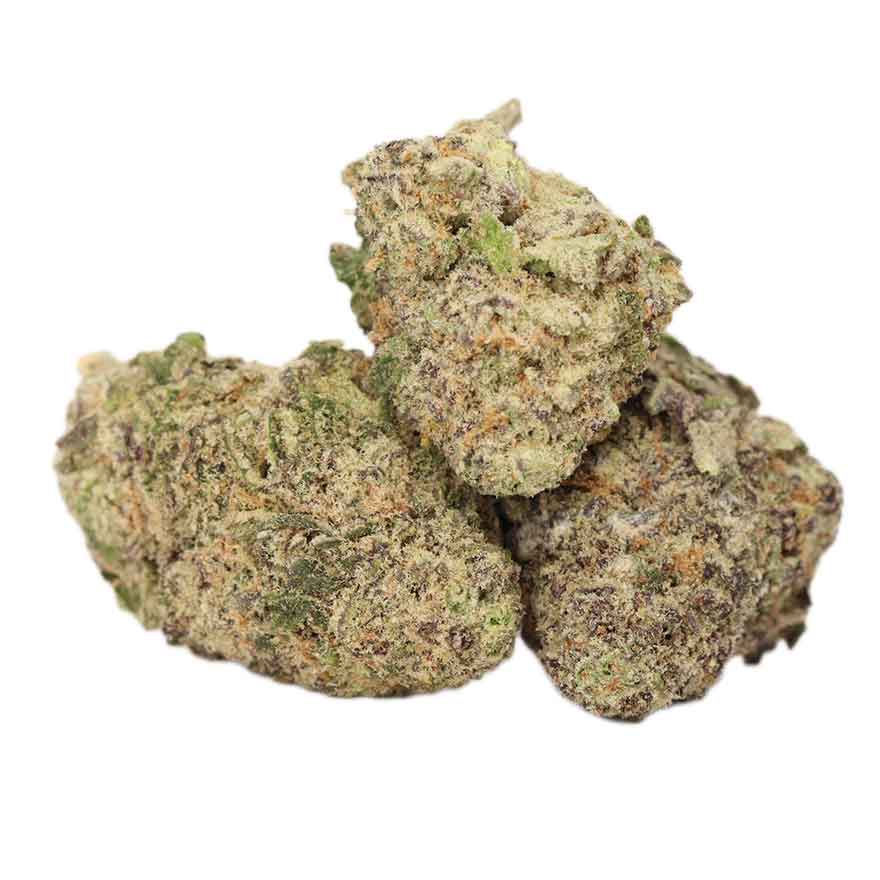
Chemango Kush is a high-THC indica cultivar with modern Kush, Wedding Cake, GMO and Fuel genetics. Its name is also a useful example of how cannabis culture creates memorable words, nicknames and strain names that can sound unusual, funny or confusing to people unfamiliar with marijuana terminology.
People searching for weed nicknames, names for pot, slang for marijuana, street name of weed, and silly names for weed may encounter dozens of expressions that all refer to cannabis in some way.
Common examples include:
- weed;
- pot;
- ganja;
- herb;
- Mary Jane;
- reefer;
- grass;
- bud;
- flower;
- trees;
- chronic;
- loud;
- gas;
- dank;
- zaza;
- green;
- and Kush.
However, cannabis language has an important complication:
not every cannabis nickname means exactly the same thing.
Some words describe marijuana generally. Others refer specifically to flower, potency, aroma, quality, or a genetic family.
Chemango Kush is a good example. “Kush” can be a genuine genetic reference, while in casual conversation it can also function as a broad slang term for marijuana.
For more U.S.-focused cannabis terminology and strain education, explore Cannabistopgrade.com.
What Is Chemango Kush?
Chemango Kush is an indica cannabis cultivar associated with San Rafael ’71.
The breeder currently describes its lineage as:
(OG Kush × Wedding Cake) × (GMO × Fuel)
Its profile is listed at approximately:
- 24–30% THC;
- 0–1% CBD;
- indica classification;
- fruit aroma;
- sour aroma;
- chem-like notes;
- limonene;
- caryophyllene;
- myrcene.
This is a relatively high-THC flower profile.
Actual cannabinoid values can still vary by batch.
Chemango Kush at a Glance
| Feature | Chemango Kush |
|---|---|
| Type | Indica |
| THC | About 24–30% |
| CBD | About 0–1% |
| Genetics | OG Kush × Wedding Cake × GMO × Fuel |
| Aroma | Fruit, sour, chem |
| Main terpenes | Limonene, caryophyllene, myrcene |
| Origin | Canadian breeding program |
| General characteristic | High-THC modern Kush cultivar |
A strain name should never replace the cannabinoid label on an individual product.
Why Is It Called Chemango Kush?
The name appears to combine several sensory and cultural ideas.
Chem
“Chem” is commonly associated with cannabis genetics that have:
- diesel;
- chemical;
- fuel;
- or pungent aromas.
The GMO and Fuel side of Chemango Kush’s lineage fits this style of naming.
Mango
The name suggests a fruit-forward component.
The breeder itself describes the strain as having fruity and sour aromatic characteristics.
Kush
“Kush” has both genetic and cultural meanings.
Historically, Kush cannabis is associated with the Hindu Kush region.
In modern breeding, Kush refers to a broad family of genetics associated with cultivars such as:
- OG Kush;
- Hindu Kush;
- Bubba Kush;
- Master Kush;
- Purple Kush;
- Afghan Kush.
In slang, however, some people simply use “Kush” to mean marijuana or good weed.
Chemango Kush Genetics
Chemango Kush’s parentage combines several well-known modern cannabis families.
OG Kush
OG Kush is one of the most influential American cannabis cultivars.
Its genetics appear throughout hundreds of modern hybrids.
Wedding Cake
Wedding Cake is a high-profile hybrid associated with sweet, vanilla and earthy characteristics.
GMO
GMO is known for highly pungent, savory and fuel-like aromas.
Fuel
Fuel-related genetics generally contribute sharp diesel or chemical aromatic characteristics.
Together, these lineages help explain Chemango Kush’s fruit, sour and chem profile.
Is Chemango Kush Strong?
A breeder-listed THC range of approximately 24–30% places Chemango Kush toward the stronger end of contemporary cannabis flower.
That does not mean every batch will test at the top of the range.
Potency depends on:
- phenotype;
- cultivation;
- harvest;
- curing;
- storage;
- laboratory methodology;
- and batch variation.
High THC can also increase the likelihood of unwanted effects in some users.
High THC Does Not Mean Better Cannabis
Consumers sometimes assume the strain with the largest THC number is automatically best.
That is an oversimplification.
Cannabis quality can also depend on:
- cannabinoid balance;
- terpene profile;
- freshness;
- curing quality;
- contaminant testing;
- storage;
- cultivation;
- and individual preference.
A 30% THC product is not automatically superior to a lower-THC product.
Chemango Kush Terpenes
Chemango Kush is associated with three prominent terpenes.
Limonene
Limonene contributes citrus-like aromas.
Caryophyllene
Caryophyllene is commonly associated with peppery, spicy and woody notes.
Myrcene
Myrcene can contribute earthy, herbal and musky aromas.
Terpenes help shape cannabis aroma and flavor, but they should not be treated as guaranteed medical effects.
Weed Nicknames
Cannabis has more nicknames than almost any commonly discussed plant.
Some familiar weed nicknames include:
- weed;
- pot;
- ganja;
- Mary Jane;
- herb;
- grass;
- reefer;
- bud;
- green;
- trees;
- loud;
- chronic;
- dank;
- gas;
- zaza;
- flower;
- Kush.
Many developed from regional language, music, prohibition-era slang or youth culture.
Names for Pot
The word pot itself is already slang for marijuana.
Other names for pot include:
| Name | Typical Meaning |
|---|---|
| Weed | General marijuana slang |
| Cannabis | Formal term |
| Marijuana | Common legal/cultural term |
| Ganja | Historical/cultural term |
| Herb | Informal plant-based term |
| Grass | Older marijuana slang |
| Reefer | Historical slang |
| Mary Jane | Wordplay nickname |
| Bud | Cannabis flower |
| Trees | Modern flower slang |
| Green | General cannabis slang |
| Kush | Genetics or slang depending on context |
Some of these are much more common today than others.
Slang for Marijuana
Modern slang for marijuana evolves quickly.
Older generations may recognize:
- grass;
- reefer;
- pot;
- Mary Jane.
Younger cannabis culture may more commonly use:
- weed;
- gas;
- loud;
- za;
- zaza;
- trees;
- pack;
- exotic.
The meaning can vary between communities.
Street Name of Weed
There is no single street name of weed.
Instead, marijuana has accumulated many informal street terms.
These can include:
- weed;
- bud;
- grass;
- pot;
- ganja;
- herb;
- trees;
- green;
- loud;
- chronic;
- gas;
- dank;
- za;
- Mary Jane.
Street slang should not be confused with scientific, legal or medical terminology.
Silly Names for Weed
Cannabis culture has produced many playful or humorous nicknames.
Examples sometimes include:
- jazz cabbage;
- devil’s lettuce;
- wacky tobaccy;
- giggle bush;
- funny grass;
- left-handed cigarette;
- electric lettuce;
- happy herb;
- sticky icky;
- green goddess.
These are cultural expressions rather than technical cannabis categories.
Some originated as jokes.
Others emerged from anti-marijuana propaganda and were later adopted humorously by cannabis culture.
Devil’s Lettuce
“Devil’s lettuce” is a humorous nickname for marijuana.
It reflects older moralistic descriptions of cannabis.
Today, people often use it jokingly rather than literally.
It does not describe a particular cannabis strain.
Jazz Cabbage
“Jazz cabbage” is another playful marijuana nickname.
The term references the historical association between cannabis and jazz culture in the early twentieth century.
Today it is usually used humorously.
Wacky Tobaccy
“Wacky tobaccy” is older slang that compares marijuana with tobacco while emphasizing its psychoactive effects.
It is informal and somewhat dated.
Mary Jane
Mary Jane is one of the most recognizable American cannabis nicknames.
The term is a playful linguistic variation associated with the word marijuana.
It appears frequently in:
- music;
- movies;
- television;
- cannabis culture;
- and informal speech.
Grass
Grass became especially prominent as marijuana slang during the mid-twentieth century.
It refers to cannabis as a plant material.
Today, it sounds more old-fashioned than “weed.”
Reefer
Reefer is another historic marijuana term.
The word became highly visible during twentieth-century prohibition campaigns.
One famous cultural example is the phrase “Reefer Madness.”
Today, reefer is usually recognized as old-fashioned slang.
Ganja
Ganja is an old cannabis term with roots in South Asian languages.
It later became strongly associated with Jamaica and Rastafarian culture.
The word spread globally through reggae and popular culture.
Today, it may simply mean marijuana.
Herb
“Herb” is often used as an informal name for cannabis.
It emphasizes the plant-based nature of marijuana.
However, herb is a broad word and can refer to many non-cannabis plants.
Context matters.
Bud
Bud refers more specifically to cannabis flower.
Someone saying:
“That’s good bud”
is usually talking about marijuana flower rather than extracts or edibles.
In regulated cannabis stores, “flower” is generally the more formal equivalent.
Flower
“Flower” is widely used in legal cannabis markets.
Retail menus commonly separate products into:
- flower;
- pre-rolls;
- concentrates;
- vapes;
- edibles;
- beverages;
- tinctures;
- and topicals.
Flower refers to dried cannabis buds.
Trees
“Trees” is modern slang for cannabis flower.
Examples include:
- smoking trees;
- some good trees;
- green trees.
The term is informal and does not identify potency or quality.
Chronic
Chronic became popular marijuana slang through West Coast cannabis culture and music.
It often suggests potent or high-quality cannabis.
However, chronic is subjective.
It is not an official quality designation.
Loud
“Loud” generally refers to cannabis with a very noticeable aroma.
People may say:
- loud weed;
- loud pack;
- loud bud.
The expression often implies strong or premium cannabis.
However, a strong smell does not necessarily mean higher THC.
Gas
Gas is commonly used for cannabis with a pungent fuel-like aroma.
It can also simply mean high-quality marijuana.
Some genetic families genuinely produce strong diesel and fuel aromas.
Chemango Kush fits that broader aromatic tradition because its lineage includes GMO and Fuel genetics.
Dank
Dank often refers to strong-smelling or desirable cannabis.
Historically, “dank” describes something damp or musty.
Cannabis culture transformed the term into a positive quality description.
Like loud and gas, dank is subjective.
Za and Zaza
Za or zaza is modern slang for premium or exotic marijuana.
It became especially prominent through hip-hop and internet culture.
The word does not represent a regulated cannabis grade.
A package described as “zaza” is not automatically:
- stronger;
- cleaner;
- safer;
- or laboratory tested.
Exotic
Exotic is often used as cannabis marketing slang.
It may suggest:
- unusual genetics;
- rare cultivars;
- striking appearance;
- strong aroma;
- or premium pricing.
There is no universal scientific definition of exotic cannabis.
Fire
“Fire” is general slang for cannabis that someone considers very good.
Examples include:
- fire weed;
- fire bud;
- fire strain.
The term is based entirely on opinion.
Pack
“Pack” is slang that can refer to cannabis packaged for sale or to a batch of flower.
Its meaning varies.
It is not a formal weight measurement unless a specific quantity is stated.
Sticky Icky
“Sticky icky” is humorous cannabis slang describing resinous or sticky flower.
Trichome-rich cannabis can feel sticky because of resin glands containing cannabinoids and aromatic compounds.
Again, the nickname itself does not establish product quality.
Green Goddess
“Green goddess” has occasionally been used poetically or humorously for cannabis.
It emphasizes the plant’s green appearance and cultural associations.
It is not a cultivar unless a specific breeder uses the name for one.
Why Does Weed Have So Many Nicknames?
Cannabis vocabulary expanded for several reasons.
Prohibition
When marijuana was illegal throughout the United States, slang allowed communities to discuss it indirectly.
Regional Culture
Different regions developed their own vocabulary.
Immigration and Language
Terms such as ganja traveled across countries and cultures.
Music
Jazz, reggae, rock and hip-hop all helped spread cannabis slang.
Movies and Television
Popular entertainment introduced marijuana terminology to wider audiences.
Internet Culture
Social media rapidly popularized terms such as za, gas and exotic.
Legalization
Modern regulated markets added more formal terminology such as:
- cannabis;
- adult-use marijuana;
- flower;
- cannabinoid product;
- concentrate;
- infused product.
Cannabis Slang Changes Over Time
Slang is constantly evolving.
A simplified timeline might look like this:
| Era | Common Terms |
|---|---|
| Early/mid-1900s | Reefer, marijuana |
| 1960s–1970s | Grass, pot, herb |
| 1980s–1990s | Weed, chronic, bud |
| 2000s | Dank, Kush, loud |
| 2010s | Gas, exotic, trees |
| 2020s | Za, zaza, pack |
These categories overlap considerably.
Older terms never disappear completely.
Weed Nicknames vs. Strain Names
This distinction is important.
Weed nicknames refer broadly to cannabis.
Examples:
- ganja;
- pot;
- herb;
- trees.
Strain names identify cultivars or branded genetic lines.
Examples:
- Chemango Kush;
- Wedding Cake;
- OG Kush;
- GMO;
- Trainwreck;
- Lemon Kush.
A strain name can become slang, but the two concepts should not automatically be confused.
Why Strain Names Can Be Silly
Cannabis strain names can sound humorous because breeders often combine:
- parent names;
- flavors;
- aromas;
- pop culture;
- colors;
- desserts;
- animals;
- and jokes.
Examples of unusual cannabis names seen across cannabis culture include terms involving:
- cake;
- cookies;
- glue;
- breath;
- diesel;
- cheese;
- runtz;
- gorilla;
- unicorn;
- cereal;
- candy.
These names usually serve branding or genetic identification purposes rather than scientific classification.
Chemango Kush Is a Good Example
Chemango Kush combines sensory cues with genetic culture.
“Chem” suggests fuel or chemical aromas.
“Mango” suggests fruit.
“Kush” identifies a major cannabis genetic and cultural family.
The resulting name is memorable without telling a consumer everything about the actual chemistry.
A laboratory label remains more informative.
Cannabis Names Do Not Standardize Chemistry
Two cannabis products carrying the same strain name may have different:
- THC;
- CBD;
- CBG;
- terpene concentrations;
- minor cannabinoids;
- moisture;
- phenotype;
- and cultivation conditions.
This is why strain names should be treated as useful guides rather than precise formulas.
Slang Should Not Replace Legal Terms
Cannabis laws generally use formal terms.
Depending on the jurisdiction, these may include:
- cannabis;
- marijuana;
- marihuana;
- hemp;
- THC;
- cannabis concentrate;
- usable marijuana;
- cannabis product.
A statute normally does not define a separate category called “zaza” or “loud.”
Formal legal definitions matter when discussing possession or retail laws.
Cannabis vs. Marijuana
Cannabis is a broad botanical and scientific term.
Marijuana is a legal and cultural term commonly used for THC-containing cannabis that falls outside hemp definitions.
The exact legal distinction depends on applicable law.
Casual slang often ignores these differences.
Weed vs. Hemp
Weed usually means marijuana in casual conversation.
Hemp, however, has its own legal definition under federal and state law.
Calling every cannabis plant “weed” can therefore obscure an important regulatory distinction.
Marijuana Slang and Medical Cannabis
Medical programs tend to avoid slang.
Official terms often include:
- medical marijuana;
- medical cannabis;
- therapeutic cannabis;
- qualifying patient;
- cannabinoid product.
A patient might casually say “weed,” but the law may use more specific terminology.
Marijuana Slang and Adult-Use Markets
“Recreational weed” is widely understood.
Regulators often prefer terms such as:
adult-use cannabis or nonmedical cannabis.
This provides more precise legal language.
Does the Name Affect Cannabis Effects?
No.
Calling Chemango Kush:
- weed;
- pot;
- herb;
- bud;
- or ganja
does not change its pharmacology.
Its effects are influenced by:
- THC;
- other cannabinoids;
- terpenes;
- individual sensitivity;
- tolerance;
- and product format.
Chemango Kush and THC Effects
Because Chemango Kush can contain relatively high THC concentrations, its effects may be more intense for some users.
THC can influence:
- memory;
- attention;
- coordination;
- reaction time;
- mood;
- perception;
- and judgment.
Possible unwanted effects can include:
- anxiety;
- dizziness;
- paranoia;
- confusion;
- or excessive sedation.
Individual reactions vary.
Cannabis and Driving
It does not matter whether someone calls marijuana:
- weed;
- gas;
- ganja;
- Kush;
- trees;
- or pot.
THC can impair driving.
Cannabis can affect:
- reaction time;
- coordination;
- attention;
- judgment;
- and decision-making.
People should not drive while impaired.
Cannabis Use Disorder
Cannabis can also become problematic for some users.
Warning signs can include:
- increasing tolerance;
- using more than intended;
- unsuccessful efforts to cut down;
- craving;
- withdrawal;
- and continued use despite negative consequences.
Using humorous cannabis nicknames does not make these health considerations less important.
Educational Resources
For more U.S.-focused cannabis strain and terminology education, explore Cannabistopgrade.com.
Concerning the breeder’s current information on Chemango Kush genetics, THC, CBD and terpene profile, see San Rafael ’71 Chemango Kush.
Regarding broader public-health information about marijuana and THC effects, consult CDC Cannabis and Public Health.
For state-by-state cannabis policy information, review the NCSL State Cannabis Policy Enactment Database.
Readers can continue exploring cannabis strains, marijuana slang, cannabinoid education and U.S. cannabis laws through Cannabistopgrade.com.
Frequently Asked Questions
1. What is Chemango Kush?
Chemango Kush is an indica cultivar bred from OG Kush, Wedding Cake, GMO and Fuel genetics. San Rafael ’71 currently lists it at approximately 24–30% THC and 0–1% CBD with fruit, sour and chem aromas.
2. What are common weed nicknames?
Common weed nicknames include pot, ganja, herb, Mary Jane, grass, reefer, bud, trees, chronic, loud, gas, dank and zaza.
3. What are some silly names for weed?
Humorous marijuana nicknames include jazz cabbage, devil’s lettuce, wacky tobaccy, giggle bush, electric lettuce, sticky icky and happy herb. These are cultural expressions rather than scientific cannabis categories.
4. What is the street name of weed?
There is no single street name. Weed, pot, ganja, bud, herb, trees, grass, chronic, loud and gas have all been used informally for marijuana.
5. Does Kush mean marijuana?
Sometimes. Kush originally refers to cannabis genetics associated with the Hindu Kush region and related breeding lines. In casual slang, however, some people use Kush more generally to mean marijuana or high-quality weed.
6. Is Chemango Kush high in THC?
Yes, relative to many flower products. The breeder currently lists Chemango Kush at approximately 24–30% THC, although actual laboratory results can vary by batch.
Be the first to review “Chemango Kush”
Related products
Indica strains
Indica strains
Indica strains
Indica strains
Indica strains
Indica strains
Indica strains
Indica strains
Reviews
There are no reviews yet.