
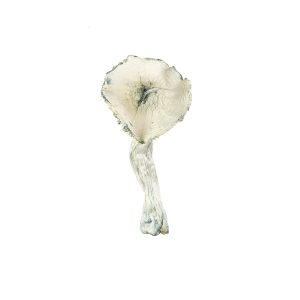
Jedi Mind Fuck Mushroom
Jedi Mind Fuck Mushroom, commonly shortened to JMF, is an informal cultivar name used within Psilocybe cubensis cultivation communities. The name has circulated widely, but its precise origin is poorly documented.
Community discussions dating back several years show substantial disagreement about where the cultivar originated. Some growers describe Jedi Mind Fuck as an ordinary P. cubensis line given a memorable marketing name, while later commercial accounts have proposed more specific pedigrees such as Golden Teacher and Z-strain ancestry. The available documentation is largely community-based rather than peer-reviewed genetic evidence.
For that reason, Jedi Mind Fuck is best described as an informal Psilocybe cubensis cultivar rather than a distinct scientific mushroom species.
The unusual name also creates another SEO challenge. Searches for Jedi Mind Fuck often overlap with questions about mushroom nutrition, benefits of mushrooms, fiber, calories, dietary value, and women’s health.
Those questions require an important distinction.
Most credible nutrition research concerns culinary edible mushrooms such as white button, cremini, portobello, oyster, shiitake, maitake, and enoki mushrooms—not psychedelic Psilocybe cubensis cultivars.
Therefore, nutritional findings about ordinary edible mushrooms should not automatically be attributed to Jedi Mind Fuck.
For additional educational material on psychoactive substances and health-related topics, explore CannabisTopGrade educational resources.
What Is Jedi Mind Fuck Mushroom?
Jedi Mind Fuck is a community cultivar name associated with Psilocybe cubensis.
The exact lineage remains uncertain.
A long-running Shroomery discussion about the origin of Jedi Mind Fuck contains experienced cultivators questioning claims that it represents a uniquely identifiable genetic lineage. Some participants describe it as essentially a conventional P. cubensis given a distinctive name.
A more recent commercial account instead claims a Golden Teacher × Z-strain history, demonstrating how different origin stories have developed around the cultivar.
Because there is no strong peer-reviewed genetic documentation confirming one of these stories, it is safest to say that JMF is a named cultivated form of P. cubensis whose exact historical pedigree is uncertain.
Its name does not guarantee a particular potency either. Recent community reports include dramatically different subjective assessments of JMF potency, providing another reminder that strain names do not function like standardized medication labels.
Jedi Mind Fuck Mushroom vs Edible Mushrooms
Jedi Mind Fuck and grocery-store mushrooms are both fungi, but their practical roles are very different.
Ordinary edible mushrooms are consumed mainly as food.
Examples include white mushrooms, oyster mushrooms, shiitake, portobello, maitake, enoki, and morels.
Jedi Mind Fuck is associated with psychedelic Psilocybe cubensis and should not be marketed on the basis of nutrition studies conducted on culinary species.
This distinction applies throughout the rest of this article.
When discussing mushroom nutrition, benefits of eating mushrooms, fiber, calories, vitamin D, or dietary value, the evidence applies primarily to ordinary edible mushrooms unless explicitly stated otherwise.
Mushroom Nutrition
Mushroom nutrition varies significantly by species and preparation.
Raw white mushrooms provide a useful familiar example. USDA-derived food composition data for 100 grams of raw white mushrooms report approximately:
| Nutrient | Approximate amount per 100 g |
|---|---|
| Calories | 22 kcal |
| Protein | 3.09 g |
| Carbohydrate | 3.26 g |
| Dietary fiber | 1.0 g |
| Fat | 0.34 g |
| Potassium | 318 mg |
| Copper | 0.318 mg |
| Selenium | 9.3 µg |
| Sodium | 5 mg |
These numbers illustrate why culinary mushrooms can be useful in nutrient-dense meals: they provide relatively few calories while contributing protein, fiber, potassium, copper, selenium, and B vitamins.
Nutrition changes with species and cooking.
For example, USDA-derived figures for 100 grams of microwaved white mushrooms show about 35 calories, 3.91 grams of protein, and 2.5 grams of fiber.
Therefore, there is no single universal mushroom nutrition profile.
Nutritional Value of Mushrooms: Calories
For nutritional value of mushrooms calories, most fresh culinary mushrooms are relatively low-calorie foods because they contain a high proportion of water.
Raw white mushrooms contain roughly 22 calories per 100 grams in USDA-derived data.
Calories can increase substantially depending on preparation.
Mushrooms cooked with large quantities of:
Butter,
oil,
cream,
cheese,
breading,
or sugary sauces
can have a much higher calorie content than plain mushrooms.
The nutritional profile of the complete dish therefore matters more than the mushroom alone.
Mushrooms Dietary Value
The mushrooms dietary value extends beyond calorie count.
Edible mushrooms can provide varying quantities of:
Protein.
Dietary fiber.
Potassium.
Copper.
Selenium.
Phosphorus.
Riboflavin.
Niacin.
Pantothenic acid.
Ergothioneine.
Beta-glucans.
Vitamin D in certain UV-exposed mushrooms.
Scientific reviews describe mushrooms as foods containing a diverse mixture of nutrients and bioactive compounds, although concentrations vary considerably among species and processing methods.
This diversity means that shiitake, oyster, white button, maitake, and other mushrooms should not always be treated as nutritionally identical.
Do Mushrooms Have Fiber?
Yes. For do mushrooms have fiber, ordinary edible mushrooms contain dietary fiber.
Mushroom cell walls contain several structural carbohydrates, including chitin and beta-glucans.
A 2023 scientific review describes mushroom dietary fiber as a group of bioactive macromolecules derived from mushroom fruiting bodies, mycelia, or sclerotia. Researchers are particularly interested in how some of these fibers interact with the gut microbiome.
The amount differs by mushroom and cooking method.
For example:
Raw white mushrooms contain approximately 1 gram of fiber per 100 grams.
Microwaved white mushrooms are reported at approximately 2.5 grams per 100 grams in USDA-derived data.
Mushrooms are therefore a fiber-containing food, although they are not necessarily among the most concentrated dietary sources of fiber.
Mushroom Beta-Glucans
Beta-glucans are among the most extensively studied mushroom fibers.
Mushroom beta-glucans have structures involving mainly beta-1,3 and beta-1,6 linkages. Their structure differs from beta-glucans present in grains such as oats and barley.
Researchers have investigated potential effects involving:
Gut microorganisms.
Immune signaling.
Inflammation.
Glucose metabolism.
Lipid metabolism.
Cardiovascular health.
However, reviews caution that many biological effects observed with isolated mushroom beta-glucans still require stronger confirmation in human clinical studies.
Therefore, “contains beta-glucans” should not be transformed into a claim that eating mushrooms cures or prevents a specific disease.
Benefits of Mushrooms
The benefits of mushrooms are best understood as nutritional advantages within an overall healthy diet.
Ordinary edible mushrooms can provide useful nutrients while remaining relatively low in calories and saturated fat.
Research has identified components including beta-glucans, ergothioneine, ergosterol, minerals, and various phenolic compounds.
Potential dietary advantages include supporting food variety, contributing micronutrients, supplying some fiber, and allowing mushrooms to replace higher-calorie ingredients in certain meals.
However, these benefits do not mean mushrooms are medicines.
Research examining common white mushrooms has identified promising evidence for certain outcomes—particularly vitamin D status when mushrooms have been exposed to ultraviolet light—but broader clinical claims require additional research.
Health Benefits of Mushrooms
Searches for the health benefits of mushrooms often produce exaggerated claims.
Some websites suggest that mushrooms can cure cancer, eliminate diabetes, dramatically enhance immunity, or prevent cardiovascular disease.
The scientific evidence is more nuanced.
Edible mushrooms contain potentially useful nutrients and bioactive compounds, and laboratory research has identified numerous biological mechanisms of interest.
But human evidence varies widely.
A review of edible mushrooms and beta-glucans notes that immune, metabolic, and cardiovascular effects are scientifically interesting but that several proposed benefits still require confirmation in robust human studies.
The safest conclusion is:
Eating culinary mushrooms can contribute to a nutritious dietary pattern, but mushrooms should not be marketed as cures for disease.
Mushroom Advantages for Health
Several mushroom advantages for health come from basic food composition rather than dramatic medicinal effects.
Fresh culinary mushrooms tend to have a favorable combination of relatively low calorie density and useful micronutrients.
For example, raw white mushrooms provide potassium, selenium, copper, phosphorus, niacin, and riboflavin while containing very little saturated fat.
Another potential advantage is versatility.
Mushrooms can add a savory or umami quality to meals and can sometimes replace part of higher-calorie or higher-saturated-fat ingredients.
That benefit depends on how the mushrooms are prepared.
Deep-fried mushrooms covered in batter and salt do not have the same overall nutritional profile as grilled mushrooms served with vegetables.
Mushroom Benefits Nutrition
For the phrase mushroom benefits nutrition, the strongest evidence comes from mushrooms being useful whole foods rather than from extraordinary therapeutic properties.
Their nutritional benefits can include a combination of fiber, minerals, B vitamins, and bioactive fungal compounds.
Certain mushrooms can also provide meaningful amounts of vitamin D2 when exposed to ultraviolet light.
A scientific review found that UV-exposed mushrooms can generate nutritionally relevant vitamin D2 concentrations and may represent one of the few significant non-animal food sources of vitamin D.
Vitamin D concentration, however, depends strongly on UV exposure.
A mushroom grown and stored without significant UV treatment may contain much less vitamin D than one specifically exposed to ultraviolet light.
Benefits of Eating Mushrooms
The benefits of eating mushrooms as part of a balanced diet can include nutrient diversity, relatively low calorie density, fiber intake, and replacement of less nutritious ingredients.
Research into mushroom consumption also examines potential effects on:
Metabolic health.
Gut microbiota.
Cardiovascular risk factors.
Vitamin D status.
Immune function.
Inflammation.
Current evidence is not equally strong for all these areas.
For common Agaricus bisporus mushrooms—the species that includes white button, cremini, and portobello mushrooms—a scientific review concluded that evidence exists for several potentially beneficial health effects but that replication in larger and more diverse human populations is needed.
This is the appropriate level of caution for health-oriented SEO content.
Are Mushrooms Veg?
For are mushrooms veg, the biological answer is no.
Mushrooms are not vegetables and are not plants.
They belong to Kingdom Fungi.
The U.S. Forest Service describes fungi as organisms that lack chlorophyll, possess cell walls containing chitin, reproduce by spores, and belong to their own fungal kingdom rather than the plant kingdom.
The National Park Service similarly explains that mushrooms are fungi rather than plants or animals and notes that they do not perform photosynthesis.
However, nutrition guidelines often group mushrooms alongside vegetables because of how they are eaten.
USDA MyPlate includes mushrooms in its “other vegetables” category for dietary planning.
Therefore:
Scientifically: mushroom = fungus.
Culinary/nutrition classification: often grouped with vegetables.
That explains why both statements can appear in reputable sources without actually contradicting one another.
Are Mushrooms Vegetables or Fungi?
Biology is clear: mushrooms are fungi.
Fungi separated evolutionarily from plants and have characteristics that plants do not.
They lack chlorophyll, obtain nutrients by absorption, and commonly have cell walls containing chitin rather than the cellulose-dominated structures associated with plants.
From a meal-planning perspective, however, treating mushrooms like vegetables is convenient.
This is why nutrition databases, USDA meal-planning guidance, grocery stores, and recipes frequently place mushrooms in vegetable categories.
Mushroom Benefits for Women
For mushroom benefits for women, there is no strong evidence that ordinary culinary mushrooms provide a completely different set of nutritional benefits to women than to men.
Their general nutritional properties apply across sexes.
However, certain nutrients found in mushrooms may be especially relevant at different stages of women’s health.
One notable example is vitamin D.
UV-exposed mushrooms can contain useful amounts of vitamin D2. Vitamin D contributes to normal bone health and calcium metabolism.
This can be nutritionally relevant because maintaining bone health is important throughout adulthood and particularly after menopause.
Mushrooms also provide varying amounts of:
Copper.
Selenium.
B vitamins.
Potassium.
Fiber.
These are useful nutrients, but mushrooms should be part of dietary variety rather than treated as a women-specific supplement.
Mushrooms and Pregnancy
Pregnancy deserves additional caution.
A 2026 scientific review examined edible and medicinal mushrooms in relation to pregnancy, gestational diabetes, and preeclampsia. It identified biologically interesting compounds such as ergothioneine but emphasized that clinical evidence remains limited and that more well-designed human studies are necessary.
This means ordinary, properly prepared edible mushrooms may simply be viewed as foods within an appropriate pregnancy diet, while medicinal mushroom supplements and psychedelic mushrooms raise separate questions.
Pregnancy research on culinary mushrooms should never be used to suggest that Jedi Mind Fuck or another psilocybin cultivar offers pregnancy benefits.
Vitamin D and Mushrooms
Vitamin D is one of the more distinctive areas of mushroom nutrition.
Mushrooms contain ergosterol, which can be converted into vitamin D2 after ultraviolet exposure.
A review of dietary vitamin D from mushrooms found that UV-treated mushrooms can produce significant vitamin D2 concentrations.
A separate systematic review found that consumption of UV-irradiated mushrooms can increase circulating vitamin D2, although broader clinical benefits beyond vitamin D status have not been consistently demonstrated.
This makes UV-exposed culinary mushrooms an interesting food source of vitamin D2, particularly for people eating little or no animal-derived food.
Again, this evidence concerns edible food mushrooms rather than Jedi Mind Fuck.
Are Mushrooms Good for Gut Health?
Mushroom dietary fibers are being investigated for their interactions with intestinal microorganisms.
A 2023 review found substantial scientific interest in mushroom fibers as possible prebiotic components capable of influencing gut microbiota and the production of short-chain fatty acids.
However, “prebiotic potential” should not be translated into guaranteed digestive benefits for every person.
Individual responses to mushrooms differ.
Some people experience:
Gas.
Bloating.
Abdominal discomfort.
Difficulty digesting larger portions.
The chitin present in fungal cell walls may partly explain why mushrooms can feel difficult to digest for some individuals.
Are Mushrooms Low in Calories?
Most fresh culinary mushrooms are relatively low in calories.
Raw white mushrooms provide approximately 22 kcal per 100 grams.
That makes mushrooms useful for increasing volume and savory flavor in meals without adding large amounts of calories.
But preparation matters substantially.
Mushrooms absorb cooking fats easily.
A plate of mushrooms cooked in large amounts of butter, cream, oil, or cheese may no longer be a low-calorie dish even though the mushrooms themselves are.
Mushroom Protein Content
Mushrooms contain protein, although they are not usually as protein-dense as meat, eggs, legumes, or concentrated soy foods.
Raw white mushrooms contain roughly 3.09 grams of protein per 100 grams according to USDA-derived data.
Mushrooms can therefore contribute modestly to protein intake but should not automatically be presented as a complete replacement for higher-protein foods.
Their value comes from the combination of low calorie density, flavor, fiber, micronutrients, and culinary versatility.
Mushrooms and Selenium
Some mushrooms provide selenium, an essential trace mineral involved in antioxidant enzymes and normal thyroid function.
Raw white mushrooms contain approximately 9.3 micrograms of selenium per 100 grams in USDA-derived data.
The FDA’s current Daily Value for selenium is 55 micrograms.
Selenium levels can vary significantly based on species and growing substrate, however, so one mushroom’s nutritional analysis should not be applied universally.
Mushrooms and Copper
Copper is another notable nutrient in several culinary mushrooms.
Raw white mushrooms provide around 0.318 mg of copper per 100 grams, according to USDA-derived food-composition data.
The FDA Daily Value for copper is 0.9 mg.
Copper participates in normal energy production, connective-tissue formation, iron metabolism, and nervous-system function.
Again, consuming mushrooms contributes to nutrient intake; it does not turn mushrooms into a treatment for copper deficiency or disease.
Are Mushrooms Healthy?
For ordinary edible varieties, mushrooms can certainly be part of a healthy diet.
They combine relatively low calorie density with fiber, minerals, B vitamins, and several compounds currently being investigated for their biological effects.
The important phrase is part of a healthy diet.
Health depends on an overall dietary pattern and lifestyle, not one food.
No credible nutrition guidance suggests that simply adding mushrooms to an otherwise poor diet guarantees protection against chronic disease.
For more evidence-focused health information, explore CannabisTopGrade research and awareness guides.
Are Psychedelic Mushrooms Nutritionally Beneficial?
The general nutrition evidence discussed above should not be used to advertise psychedelic mushrooms as health foods.
Jedi Mind Fuck is associated with Psilocybe cubensis, a psychedelic mushroom containing psilocybin-related compounds.
There is no good reason to use studies about white button or oyster mushroom nutrition to claim that Jedi Mind Fuck:
Improves immunity.
Helps women’s health.
Provides heart-health benefits.
Treats vitamin deficiencies.
Improves digestive disease.
Prevents cancer.
Supports pregnancy.
Treats depression through nutrition.
Those would be scientifically unsupported extrapolations.
The fact that two organisms are both mushrooms does not make their evidence bases interchangeable.
Mushroom Nutrition vs Psychedelic Research
Psychedelic research and mushroom-nutrition research answer different scientific questions.
Nutrition studies ask questions such as:
What nutrients are present?
How much fiber does a serving provide?
What vitamins or minerals are available?
How does eating mushrooms affect dietary quality?
Psychedelic research asks different questions about psilocybin’s pharmacology, psychological effects, clinical potential, and safety.
Combining those evidence streams can produce misleading marketing claims.
Jedi Mind Fuck should therefore be discussed as a psychedelic P. cubensis cultivar, while ordinary edible mushrooms should be used when discussing established food nutrition.
Frequently Asked Questions
1. What is Jedi Mind Fuck Mushroom?
Jedi Mind Fuck, or JMF, is an informal cultivar name associated with Psilocybe cubensis. Its exact historical lineage is disputed, and community sources provide conflicting origin stories. It is therefore more accurate to describe JMF as a named cultivation line rather than a separate mushroom species.
2. Do mushrooms have fiber?
Yes. Edible mushrooms contain dietary fiber, including structural components such as chitin and beta-glucans. Fiber content differs by mushroom species and preparation.
3. Are mushrooms vegetables?
Scientifically, no. Mushrooms belong to Kingdom Fungi and are not plants. However, USDA dietary guidance groups mushrooms with vegetables for meal-planning purposes.
4. What are the main health benefits of eating mushrooms?
Ordinary culinary mushrooms can contribute fiber, protein, minerals, B vitamins, and various bioactive compounds while generally being low in calories and saturated fat. UV-exposed mushrooms can also provide vitamin D2. Broader disease-prevention claims require stronger clinical evidence.
5. Are there special mushroom benefits for women?
Most nutritional benefits of edible mushrooms apply to everyone. Nutrients such as vitamin D, copper, selenium, potassium, and B vitamins can contribute to women’s overall nutrition, but mushrooms are not a women-specific therapy. Emerging research into mushroom compounds during pregnancy remains preliminary.
Final Thoughts on Jedi Mind Fuck Mushroom
Jedi Mind Fuck Mushroom is best described as an informal Psilocybe cubensis cultivar with an uncertain documented origin. Community sources disagree over its lineage, so the name itself should not be treated as proof of genetics, potency, or predictable effects.
For mushroom nutrition, ordinary edible mushrooms can provide protein, dietary fiber, potassium, copper, selenium, phosphorus, and B vitamins while generally remaining relatively low in calories.
For nutritional value of mushrooms calories, raw white mushrooms provide roughly 22 calories per 100 grams in USDA-derived data, although preparation can change this significantly.
Regarding do mushrooms have fiber, yes. Mushroom fibers include compounds such as chitin and beta-glucans, and researchers continue to study their interaction with the gut microbiome.
For benefits of mushrooms, health benefits of mushrooms, mushroom advantages for health, mushroom benefits nutrition, benefits of eating mushrooms, and mushrooms dietary value, the strongest conclusion is that ordinary culinary mushrooms can contribute to a nutrient-dense and varied diet. Disease-treatment claims should remain separate from basic nutritional benefits.
Regarding are mushrooms veg, mushrooms are scientifically fungi rather than vegetables, although USDA nutrition guidance groups them with vegetables for practical meal planning.
For mushroom benefits for women, ordinary culinary mushrooms provide nutrients relevant to overall health, and UV-exposed mushrooms can be a useful dietary source of vitamin D2. There is no sound basis for claiming that culinary mushrooms uniquely treat women’s medical conditions.
Most importantly, these nutritional findings involve edible culinary mushrooms and should not automatically be applied to Jedi Mind Fuck or other psychedelic Psilocybe cubensis cultivars.
For additional educational reading, explore CannabisTopGrade health and educational articles.
Recommended Outbound Resources
PubMed — Edible Mushrooms and Beta-Glucans: Impact on Human Health
| Quantity | 7G, 14G, 28G, 1/4 LB |
|---|
Be the first to review “Jedi Mind Fuck Mushroom”
Related products
Bulk Mushrooms
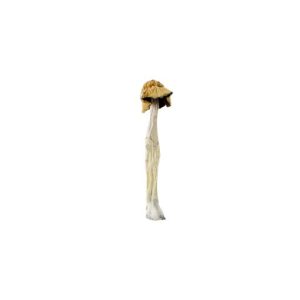
Bulk Mushrooms

Bulk Mushrooms
Bulk Mushrooms
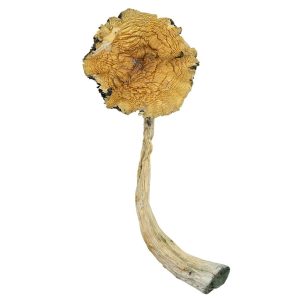
Bulk Mushrooms

Bulk Mushrooms
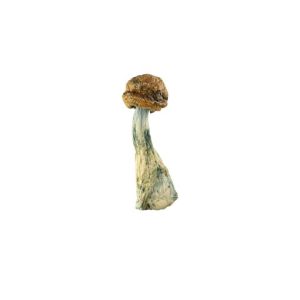
Bulk Mushrooms
Bulk Mushrooms
Reviews
There are no reviews yet.