
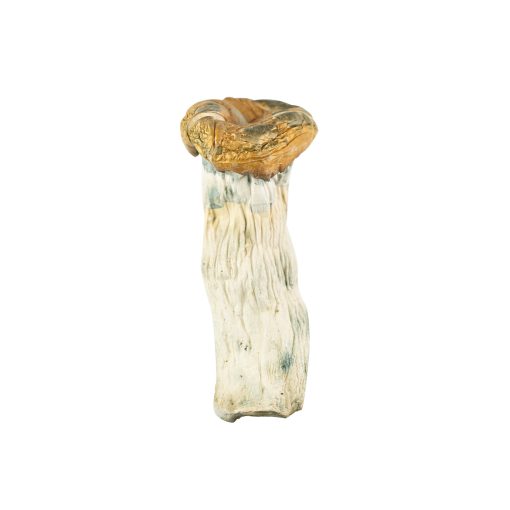
Golden Thrasher Mushroom
Golden Thrasher Mushroom is a name found within psychedelic-mushroom cultivation communities, but it should not be confused with a formally recognized mushroom species or scientifically standardized taxonomic variety.
Online mycology discussions document mushrooms under the Golden Thrasher name, including selected cultivated specimens, but peer-reviewed taxonomy does not establish “Golden Thrasher” as a separate scientific species. Shroomery community records illustrate how the name is used within cultivation communities.
This distinction is important because psychedelic mushroom “strain” or cultivar names function differently from formal scientific classifications. Cultivators may selectively reproduce particular appearances, growth characteristics or lineages and assign informal names, while scientific taxonomy relies on more rigorous evidence including morphology, microscopic characteristics and increasingly genetic sequencing.
There is also no universal THC-like potency number for psychedelic mushrooms. The amounts of psilocybin and related compounds can vary substantially between species, batches and individual fruiting bodies. A cultivar name alone does not guarantee predictable potency.
Golden Thrasher belongs to a very different category from ordinary culinary mushrooms. Psilocybin-containing mushrooms are psychoactive fungi, while canned button mushrooms, shiitake, oyster mushrooms and similar foods do not produce psychedelic effects.
For additional educational cannabis and psychoactive-substance content, readers can explore CannabisTopGrade educational resources.
What Is Golden Thrasher Mushroom?
Golden Thrasher is best described as an informal psychedelic mushroom cultivar or lineage name used within cultivation communities.
Reliable published research establishing one standardized Golden Thrasher genome, psilocybin concentration or unique chemical profile remains limited.
That means claims such as:
“Golden Thrasher always contains a particular percentage of psilocybin”
or
“Golden Thrasher always produces the same psychological effects”
should be treated cautiously.
Scientific psychedelic research generally focuses on psilocybin itself, established Psilocybe species or standardized preparations rather than every informal cultivar name used by growers.
A 2025 genomic investigation of cultivated Psilocybe cubensis also illustrates that mushroom cultivar names and actual genetic relationships can be more complicated than informal marketing terminology suggests. Read the scientific paper on PMC.
Golden Thrasher and Psilocybin
Psilocybin is a naturally occurring psychedelic compound found in certain mushroom species.
After ingestion, psilocybin is converted into psilocin, which acts on serotonin receptors and produces changes in perception, cognition and mood.
The U.S. Drug Enforcement Administration lists possible psilocybin effects including:
Hallucinations.
Difficulty distinguishing fantasy from reality.
Changes in perception.
Nausea.
Vomiting.
Muscle weakness.
Impaired coordination.
The DEA currently classifies psilocybin as a Schedule I controlled substance under federal law.
Readers can review the DEA Psilocybin Drug Fact Sheet for official federal information.
Are Hallucinogens Addictive?
For are hallucinogens addictive, the answer depends on the particular substance.
“Hallucinogens” is a broad category that includes several very different drugs.
Psilocybin, LSD, PCP and other psychedelic or dissociative substances do not all have identical dependence profiles.
The National Institute on Drug Abuse states that current research suggests psilocybin does not typically lead to addiction.
Classic psychedelics such as psilocybin and LSD generally have lower addiction potential than substances such as opioids, nicotine or stimulants.
However, low addiction potential does not mean risk-free use.
Possible harms include:
Anxiety.
Panic.
Confusion.
Altered judgment.
Distorted perception.
Accidental injury.
Psychologically distressing experiences.
Unsafe behavior while impaired.
Poisoning caused by incorrect wild-mushroom identification.
Some other substances categorized as hallucinogens or dissociatives can produce stronger dependence patterns. For example, repeated PCP use can lead to tolerance and substance-use disorder.
For evidence-based information, see the National Institute on Drug Abuse psilocybin resource.
Which Symptom Is Characteristic of Someone on a Hallucinogenic Drug?
For the question which symptom is characteristic of someone on a hallucinogenic drug, one of the most characteristic effects is altered perception.
Possible symptoms include:
Visual hallucinations.
Auditory hallucinations.
Changes in colors or shapes.
Distorted movement.
Altered perception of time.
Changes in thought patterns.
Confusion.
Anxiety.
Panic.
Reduced coordination.
Difficulty distinguishing internal experiences from external reality.
However, no single symptom can prove that someone has taken a hallucinogen.
Several medical conditions, psychiatric conditions, medications, intoxication states and sleep-related problems can produce similar symptoms.
Observing hallucinations or unusual behavior therefore does not provide enough information to diagnose substance use.
Hallucinogens Withdrawal Symptoms
The phrase hallucinogens withdrawal symptoms requires careful distinction between substances.
Psilocybin does not generally produce the conventional physical dependence and withdrawal syndrome associated with alcohol, opioids or nicotine.
NIDA reports that research does not suggest psilocybin typically leads to addiction.
However, this should not be applied to every drug grouped under the word hallucinogen.
Repeated use of PCP, for example, can produce tolerance, dependence and withdrawal symptoms.
A more accurate summary is:
Classic psychedelics such as psilocybin generally have low dependence potential and do not usually produce a conventional physical withdrawal syndrome, while some dissociative hallucinogens can produce dependence and withdrawal.
Are Magic Mushrooms Legal?
For are magic mushrooms legal, the answer depends on the jurisdiction.
At the federal level, psilocybin remains a Schedule I controlled substance.
State approaches vary.
Some jurisdictions have created limited regulated access, decriminalization measures or supervised psychedelic-service systems.
Two of the most important state examples are:
Oregon
and
Colorado.
However, these states do not simply treat psilocybin mushrooms like ordinary retail food products.
Their systems have specific rules, restrictions and licensing requirements.
Legal Psychedelics in the United States
The phrase legal psychedelics can be misleading because different psychedelics are governed by different laws.
For psilocybin:
Federal law: Psilocybin remains Schedule I.
Oregon: Adults can access regulated psilocybin services through licensed service centers.
Colorado: State law protects certain personal-use activities involving natural medicine and provides a regulated framework for natural-medicine services.
Other states and cities may have decriminalization policies, but decriminalization is not automatically the same as legalization.
A city that makes psychedelic possession a low enforcement priority has not necessarily created a legal retail market.
For more educational coverage of changing U.S. controlled-substance policy, visit CannabisTopGrade law and policy resources.
Where Are Mushrooms Legal?
For where are mushrooms legal, it is essential to clarify whether the question refers to ordinary mushrooms or psilocybin mushrooms.
Ordinary culinary mushrooms are legal food products across the United States.
Psilocybin mushrooms have a very different legal status.
Oregon Psilocybin Laws
Oregon operates a regulated Psilocybin Services program for adults aged 21 and older.
A person does not need to be an Oregon resident to participate in the state’s licensed system.
However, Oregon does not operate a conventional take-home psilocybin retail market.
The Oregon Health Authority explains that psilocybin products are purchased and consumed during an administration session at a licensed service center.
Products cannot simply be purchased and taken home like cannabis from a recreational dispensary.
For official details, see the Oregon Health Authority Psilocybin Services program.
Colorado Psilocybin Laws
Colorado has established a legal framework for certain forms of “natural medicine,” including psilocybin.
Some Colorado law permits certain personal-use activities involving natural medicine and has created a regulated system for facilitated services.
However, ordinary commercial sale of psilocybin outside the state’s authorized framework remains prohibited.
This distinction is important.
Colorado should not simply be described as having an unrestricted recreational psychedelic retail market.
Are Magic Mushrooms Legal in California?
Psilocybin mushrooms are not generally legal statewide in California.
California has considered psychedelic-law reform several times.
Senate Bill 58 would have decriminalized possession and personal use of certain psychedelic substances for adults, including psilocybin and psilocin.
However, Governor Gavin Newsom vetoed SB 58 on October 7, 2023.
That means the bill did not create statewide legalization.
California has continued considering other proposals, but proposed legislation or ballot initiatives should never be described as current law unless they have actually taken effect.
Therefore, for are magic mushrooms legal in California, the statewide answer remains generally no outside specific legally authorized circumstances such as approved research.
Are Mushrooms Legal in California?
For are mushrooms legal in California, ordinary edible mushrooms are completely different from psilocybin mushrooms.
Culinary mushrooms such as:
White button.
Portobello.
Cremini.
Oyster.
Shiitake.
Enoki.
Maitake.
are ordinary legal foods.
If the question refers specifically to “magic mushrooms,” California generally continues to prohibit psilocybin possession, cultivation, distribution and sale outside authorized exceptions.
Cannabis legalization in California did not legalize psilocybin.
The two substances are governed by different laws.
Buy Psilocybin Mushrooms: Understanding the Legal Question
The phrase buy psilocybin mushrooms has obvious purchasing intent, but legality depends heavily on jurisdiction.
There is no ordinary federally legal nationwide market for purchasing take-home psilocybin mushrooms.
In Oregon, legal access takes place through licensed service centers. Adults participate in an administration session and consume the product at the authorized location rather than buying mushrooms for unrestricted take-home use.
In Colorado, certain personal-use activities are protected, but commercial sale outside the regulated natural-medicine system remains restricted.
In California, ordinary commercial psilocybin mushroom sales remain generally illegal statewide.
Therefore, consumers should not assume that a website claiming to sell “legal magic mushrooms nationwide” is necessarily operating lawfully.
The strongest source for determining lawful access is the official government regulator in the relevant state.
Why Unlicensed Online Mushroom Sellers Require Caution
An online seller’s existence does not prove that its products are legal, accurately labeled or laboratory tested.
Potential problems include:
Incorrect species identification.
Unknown psilocybin concentration.
Misleading cultivar names.
Contamination.
Unverified ingredients.
Unsupported medical claims.
Products containing substances different from what the label states.
Legal status also depends on where possession occurs.
A product advertised online may still be unlawful to possess in the buyer’s jurisdiction.
For more general educational material about cannabis and psychoactive substances, see CannabisTopGrade research articles.
Are Canned Mushrooms Good for You?
For most people, canned mushrooms can be part of a healthy and balanced diet.
Canned mushrooms are convenient, inexpensive and shelf-stable.
They can provide:
Protein.
Fiber.
Potassium.
Copper.
Selenium.
B vitamins.
Other naturally occurring nutrients.
One issue worth checking is sodium.
Some canned mushroom products contain added salt as part of the canning process.
The American Heart Association recommends comparing Nutrition Facts labels and choosing low-sodium or no-salt-added canned vegetables when appropriate.
Draining and rinsing canned vegetables can also reduce some of the sodium.
Therefore, for are canned mushrooms good for you, the general answer is yes when they fit into a balanced diet and personal dietary needs.
Canned Mushrooms Nutrition
Exact canned mushrooms nutrition depends on:
Mushroom species.
Serving size.
Brand.
Packing liquid.
Added sodium.
Processing method.
Typical canned mushrooms are relatively low in calories and fat while providing small amounts of protein, fiber and several micronutrients.
Common nutrients can include:
Potassium.
Copper.
Selenium.
Riboflavin.
Niacin.
Phosphorus.
The Nutrition Facts label remains the best source for evaluating a specific canned mushroom product.
Sodium can vary substantially.
The American Heart Association defines a “low sodium” food as containing 140 milligrams or less per serving.
Consumers trying to limit sodium can compare brands or rinse the mushrooms before use.
Psychedelic Mushrooms Vs Canned Mushrooms
Canned culinary mushrooms and Golden Thrasher mushrooms belong to entirely different practical categories.
Canned mushrooms are foods.
Golden Thrasher is an informal name used within psychedelic mushroom culture.
Nutritional information about button or portobello mushrooms does not provide useful information about psilocybin content or psychedelic effects.
Likewise, a psilocybin mushroom’s psychoactive properties do not mean ordinary culinary mushrooms are hallucinogenic.
The shared word “mushroom” describes fungal fruiting bodies, not identical chemical properties.
Psychedelic Mushroom Safety
Psilocybin experiences can involve significant changes in perception, emotion and judgment.
Potential adverse reactions include:
Anxiety.
Panic.
Paranoia.
Confusion.
Nausea.
Vomiting.
Changes in blood pressure or heart rate.
Impaired judgment.
Distressing hallucinations.
Research findings from supervised clinical studies should not automatically be applied to unsupervised psychedelic use.
Clinical trials generally involve:
Participant screening.
Measured doses.
Controlled environments.
Professional monitoring.
Emergency procedures.
Follow-up assessment.
Those safeguards are very different from consuming an unknown mushroom product.
Wild Mushroom Misidentification
Wild mushroom identification requires considerable expertise.
Some poisonous mushrooms resemble edible or psychoactive species.
Mistakes can lead to:
Severe vomiting.
Liver injury.
Kidney failure.
Neurological complications.
Hospitalization.
Death.
Appearance, color or bruising should not be treated as guaranteed confirmation that a mushroom is safe.
Online photographs are also insufficient for confirming whether an unknown wild mushroom can safely be consumed.
Frequently Asked Questions
1. What is Golden Thrasher Mushroom?
Golden Thrasher is an informal name used within psychedelic mushroom cultivation communities. It is not currently established as its own formally recognized mushroom species, and there is no universal scientifically verified potency level attached to the name.
2. Are hallucinogens addictive?
It depends on the substance. Psilocybin generally has relatively low addiction potential and does not typically produce compulsive dependence comparable with opioids or nicotine. Some other hallucinogenic or dissociative substances can produce dependence.
3. Are magic mushrooms legal in California?
Not generally statewide. California has considered psychedelic decriminalization legislation, but major proposals such as SB 58 were not enacted into law. Ordinary psilocybin possession and commercial sales therefore remain generally prohibited outside specific authorized circumstances.
4. Where are magic mushrooms legal in the United States?
Oregon has a regulated supervised psilocybin-services system, while Colorado has legal protections for specified personal-use natural-medicine activity and a regulated services framework. Federal law still classifies psilocybin as Schedule I.
5. Are canned mushrooms good for you?
Canned mushrooms can be part of a healthy diet. They provide useful nutrients and are generally low in calories, but sodium can vary. Choosing reduced-sodium products or rinsing canned mushrooms can help lower sodium intake.
Final Thoughts on Golden Thrasher Mushroom
Golden Thrasher Mushroom is best understood as an informal psychedelic mushroom cultivar name rather than a formally established scientific species.
Claims about exact genetics, potency or guaranteed psychedelic effects should therefore be treated cautiously unless supported by credible laboratory analysis.
For are hallucinogens addictive, psilocybin generally has low addiction potential and does not usually produce a conventional physical withdrawal syndrome. Other hallucinogenic or dissociative substances can behave differently.
Regarding which symptom is characteristic of someone on a hallucinogenic drug, altered perception and hallucinations are characteristic possibilities, although no single symptom proves substance use.
For hallucinogens withdrawal symptoms, psilocybin is not typically associated with classic physical withdrawal, while other substances such as PCP can produce dependence and withdrawal.
Regarding are magic mushrooms legal in California and are mushrooms legal in California, ordinary culinary mushrooms are legal foods, while psilocybin mushrooms remain generally prohibited statewide outside authorized exceptions.
For are magic mushrooms legal, legal psychedelics, and where are mushrooms legal, federal law continues to classify psilocybin as Schedule I, while Oregon and Colorado have developed substantially different state-level systems.
Concerning buy psilocybin mushrooms, legality depends on jurisdiction. Oregon’s system uses licensed service centers rather than ordinary take-home retail sales, and consumers should not assume that an unlicensed online seller is operating legally.
For are canned mushrooms good for you and canned mushrooms nutrition, canned culinary mushrooms can provide nutrients while remaining relatively low in calories. Sodium is one of the main label values worth comparing between brands.
Recommended Outbound Resources
National Institute on Drug Abuse — Psilocybin and Magic Mushrooms
DEA — Psilocybin Drug Fact Sheet
Oregon Health Authority — Psilocybin Services
American Heart Association — Fresh, Frozen and Canned Produce
| weight | Oz, QP, HP, P |
|---|
Be the first to review “Golden Thrasher Mushroom”
Related products
Bulk Mushrooms
Bulk Mushrooms
Bulk Mushrooms
Bulk Mushrooms
Bulk Mushrooms
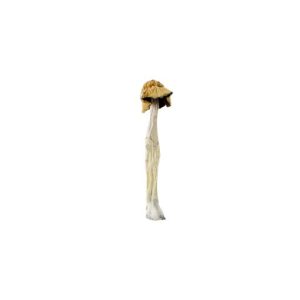
Bulk Mushrooms
Bulk Mushrooms
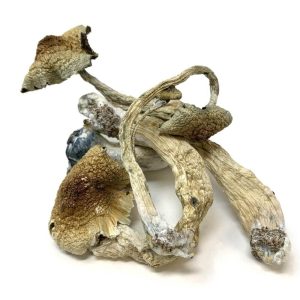
Bulk Mushrooms
Reviews
There are no reviews yet.